Is Separation Anxiety in Dogs Common?
Let’s talk about separation anxiety in dogs because this is something I hear about from dog owners all the time.
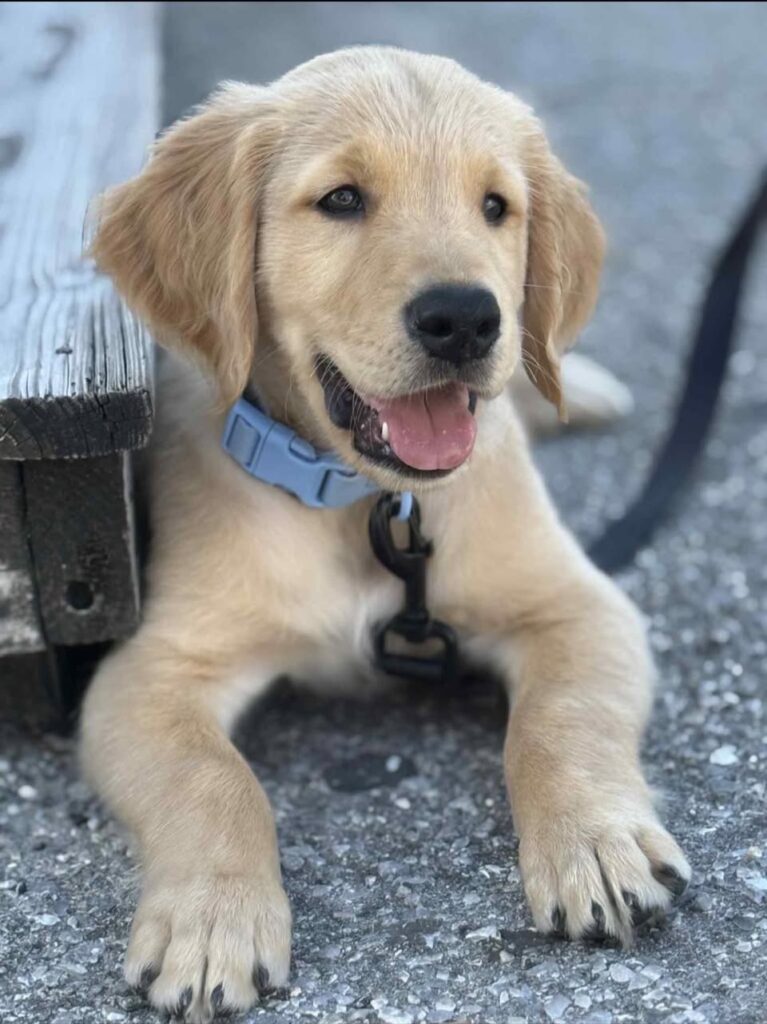
Just yesterday, I received a call from the owner of a sweet eight-month-old Lab puppy. She told me her girl follows her everywhere. If she gets up and walks into another room, the puppy is right behind her. She cannot go to the bathroom, work in another room, or move around the house without her puppy wanting to follow.
Her question was simple.
Is this common?
Yes. Puppies naturally want to be close to their people. Following you around does not automatically mean your dog has separation anxiety. But when a dog has never learned how to relax without you, that pattern is worth paying attention to.
When Following You Everywhere Becomes a Problem
A dog who loves being with you is not the problem. The question is whether your dog can also be comfortable when you are not right beside them.
Can you walk into another room and close the door?
Can your dog rest while you work somewhere else?
Can your puppy spend appropriate time in a crate or designated space without needing to see you?
Can you leave the house without your dog becoming distressed?
Those are important questions because independence is something dogs can learn.
This is also where dog training for separation anxiety can become important. Good dog training is not simply teaching sit, down, and stay. Training can give your dog structure, boundaries, routines, and clear expectations. It can also teach you how your own daily habits may be affecting your dog’s ability to settle without you.
Sometimes We Create Dependence Without Realizing It
Think about what happens when you bring home a puppy.
You are excited. Your family is excited. You want that puppy beside you all the time.
You hold her. You play with her. You let her sleep beside you. You let her follow you into every room. Someone is almost always touching her, talking to her, or entertaining her.
Why wouldn’t we? We love our puppies.
But there is another question I want you to consider.
When does your puppy practice being without you?
That is where the conversation about puppy separation anxiety and dog training needs to begin.
Independence does not mean ignoring your puppy. It does not mean withholding affection. It means giving your puppy safe opportunities to learn an important life skill.
You can be over there, and I can be over here, and everything is still okay.
Dog Training for Separation Anxiety Starts Before You Leave
Many owners begin looking for dog separation anxiety training only after leaving the house has become a problem.
I want you to think about it earlier.
Look at what your dog practices while you are home.
If your dog follows you from the kitchen to the bedroom, from the bedroom to the bathroom, and from the bathroom back to the couch, what has your dog practiced all day?
Being with you.
Then Monday morning arrives. You grab your keys, walk out the door, and expect your dog to suddenly understand how to spend hours without you.
That is a big jump.
Dog training gives us a way to work on the skills that come before that moment. We can teach dogs how to settle. We can create appropriate boundaries. We can practice short periods of separation. We can build routines around exercise, rest, crates, place work, and time apart.
Most importantly, we can look at the entire relationship instead of focusing only on what the dog does after the front door closes.
We are going to look closely at three potential contributors to separation related problems that I want dog owners to consider:
- The patterns we create when a puppy first comes home
- A lack of appropriate physical exercise and activity
- Practicing almost no separation while everyone is home
We will also talk about how dog training can help with separation anxiety and what you can begin practicing at home.
Separation Anxiety in Dogs Can Start With the Patterns We Create
One of the first places I look when talking with an owner about separation anxiety in dogs is the beginning.
What happened when your puppy first came home?
Bringing home a puppy is exciting. We want them beside us. We want to hold them, play with them, comfort them, and make sure they know they are loved.
There is nothing wrong with loving your puppy.
The problem can start when togetherness is the only thing your puppy practices.
Puppy Separation Anxiety and Those First Weeks at Home
Think about a typical puppy’s first few weeks.
You bring this tiny dog home and suddenly everyone wants to be involved. The puppy follows you into the kitchen. She sits beside you while you work. She naps next to you. She follows you upstairs. If she cries, you immediately go to her.
Then you do it again tomorrow.
And the next day.
Before long, being beside you has become the puppy’s normal routine.
This is something I talk about in dog training because puppies are always learning, even when we do not think we are training them.
Every routine you repeat is teaching your puppy something.
If your puppy practices following you everywhere, she gets very good at following you everywhere.
If your puppy practices settling without you, she gets better at that too.
Dog Training Should Teach Independence Too
When people think about puppy training, they usually think about sit, down, stay, come, and walking nicely on a leash.
Those skills matter.
But I also want a puppy to learn how to do nothing.
That might sound strange, but learning how to settle is an important part of dog training.
Your puppy should gradually learn that you can walk into another room and come back. She can rest in an appropriate crate or designated space while you are doing something else. She does not need your attention every minute of the day.
You are not pushing your puppy away.
You are teaching her that she is safe even when you are not right beside her.
How to Help Prevent Overdependence in a Puppy
Start creating small opportunities for independence as part of your normal routine.
- Create a resting space. Give your puppy an appropriate place where she can relax without being physically attached to you.
- Use crate training appropriately. A crate can become part of a structured routine where a puppy learns to rest and settle.
- Practice leaving the room. Your puppy does not need to follow you every time you move around the house.
- Build calm into the day. Puppies need play and interaction, but they also need appropriate rest.
- Do not make constant attention the expectation. Affection is wonderful. Constant access to you does not have to be.
- Keep practicing. Dog training works through repetition. Independence needs repetition too.
If you want another perspective on these patterns, this article about separation anxiety and why it happens explores daily routines and the relationship between dogs and their humans.
Separation Anxiety in Dogs and the Role of Exercise
The second thing I look at when talking with an owner about separation anxiety in dogs is exercise.
I will ask a simple question.
What does your dog actually do every day?
I am not asking whether your dog has a backyard. I want to know how much purposeful physical activity your dog is getting.
There is a difference.
A Backyard Is Not Always Exercise for Your Dog
I hear this often from dog owners.
“But my dog has a huge backyard.”
That is great. But what does your dog do when you put them out there?
Some dogs run. Some explore. Others go to the bathroom, sniff around for a few minutes, and stand at the door waiting to come back inside.
Having access to space does not automatically mean your dog is getting the physical activity they need.
Think about us as humans. Owning a treadmill does not mean we exercised today.
We still have to get on it.
The same idea applies to our dogs.
Exercise Can Be Part of Dog Training for Separation Anxiety
A dog with energy that has no appropriate outlet may have a harder time settling. That does not mean exercise alone will fix separation anxiety. It means exercise is one part of the dog’s daily routine that deserves attention.
At Ducktown Lodge, I believe structure matters.
A structured walk is a great example because you are accomplishing more than physical movement. Your dog is walking with you, paying attention, experiencing the environment, and practicing expectations.
That is dog training happening in everyday life.
Do Not Try to Exhaust Separation Anxiety Out of Your Dog
I am not telling you to run your dog until they are exhausted and then sneak out the door.
That is not dog separation anxiety training.
Exercise should be part of a healthy routine. It should work alongside structure, rest, training, and appropriate opportunities for independence.
A dog also needs to learn an off switch.
Walk.
Train.
Play.
Then settle.
Separation Anxiety in Dogs Can Grow When We Never Practice Separation at Home
The third thing I look at is what happens while the owner is home.
I will ask, “How often are you actually separated from your dog when you are both in the house?”
For many owners, the answer is almost never.
Your dog follows you into the kitchen. Then the bedroom. Then the bathroom. You sit down to work and your dog lies under your desk.
We love having our dogs close. But if togetherness is practiced all day, when does your dog learn that being apart is okay?
Dog Separation Anxiety Training Can Start While You Are Home
You do not have to leave the house to practice separation.
Start smaller.
Create a little distance.
Let your dog settle in an appropriate space while you make dinner. Use a place command while you answer emails. Practice appropriate crate time while you are somewhere else in the house.
Walk into another room without inviting your dog to follow you.
Close the bathroom door.
Yes, I said it.
You are allowed to go to the bathroom by yourself.
Dogs Get Good at What They Practice
Go back to the eight month old Lab puppy.
If she follows her owner every time the owner moves, what is she practicing?
Following.
She may practice that behavior dozens of times every day.
Dogs get good at what they practice.
If we want a dog to become more comfortable with independence, we need to give that dog appropriate opportunities to practice independence too.
How to Practice Separation With Your Dog at Home
For dogs that can comfortably handle short periods apart, begin building separation into normal life.
- Use the place command. Teach your dog to remain in an appropriate designated spot instead of following every movement.
- Practice appropriate crate time. A crate can give some dogs a predictable place to settle when introduced correctly.
- Go into another room. Start with a period your dog can successfully handle.
- Create boundaries around attention. Your dog does not need interaction every time they request it.
- Practice when nothing exciting is happening. Make separation an ordinary part of the day.
- Reward calm behavior. Teach your dog that relaxing without constant access to you is safe and normal.
Does Dog Training Help With Separation Anxiety?
This is one of the first questions owners ask me.
Can dog training actually help with separation anxiety?
Yes, dog training can be an important part of helping a dog develop better routines, clearer expectations, and more independence.
But dog training for separation anxiety is not just about teaching your dog to sit while you walk out the door.
We need to look at the whole day.
Dog Training for Separation Anxiety Creates Clarity
Good dog training for separation anxiety gives your dog something valuable.
Clarity.
That can include place training, appropriate crate training, structured walks, impulse control, settling after activity, and practicing separation inside the home.
These may not sound like dramatic solutions.
That is the point.
Dog training is often about consistently practicing small things until they become routine.
This article on whether dog training can help with separation anxiety also discusses structure, crate training, place work, exercise, and practicing separation at home.
Dog Training Does Not Stop When the Trainer Leaves
I tell owners this all the time.
We can train your dog.
But you have to keep practicing.
If your dog learns structure during dog training and then goes home to the exact same routines, old habits can return.
That is why I believe we train humans too.
You need to understand what your dog learned, why we are asking for certain behaviors, and how to continue those expectations at home.
Separation Anxiety Dog Training Is Not One Size Fits All
The eight-month-old Lab who follows her owner everywhere is not automatically the same as a dog who panics, destroys a door, injures itself, or cannot eat when left alone.
That distinction matters.
Some dogs may benefit from better routines, appropriate exercise, structured dog training, and consistent practice with independence.
Dogs experiencing severe distress may need a more specialized approach and help from a veterinarian or qualified behavior professional.
We need to work with the dog in front of us.
Not a label.
Not a formula.
The dog.
How to Help a Dog With Separation Anxiety: A Practical Dog Training Plan
If you have made it this far, you may be thinking, Lucinda, just tell me what I should do.
Fair enough.
Start by taking an honest look at your dog’s day.
How often does your dog follow you?
Where does your dog rest?
What happens when you close a door?
How much purposeful exercise does your dog receive?
How often do you practice dog training?
When does your dog practice being independent?
You may discover that your dog has almost no separation from you until you actually leave.
That gives us somewhere to start.
Build a Better Daily Routine for Your Dog
Choose a few things you can consistently repeat.
- Purposeful exercise. Provide appropriate physical activity based on your dog’s age, health, breed, and energy.
- Daily dog training. Practice useful skills such as place, leash manners, recall, and settling.
- Structured rest. Teach your dog that every quiet moment does not require entertainment.
- Time apart while you are home. Create opportunities for your dog to relax without following you.
- Predictable boundaries. Make expectations clear and consistent.
Consistency matters more than creating a perfect schedule.
Practice Separation in Small Steps
If your dog struggles when you walk into another room, leaving for several hours is a huge jump.
Start with what your dog can successfully handle.
Maybe you use place while you walk around the kitchen.
Maybe your dog rests appropriately while you work in another room.
Maybe you close a door briefly and return before your dog becomes distressed.
Then build.
Dog separation anxiety training should create opportunities for successful independence, not repeatedly push a dog into panic.
Independence Does Not Mean Loving Your Dog Less
Creating boundaries does not mean becoming cold.
You can have a deeply connected relationship with your dog without being physically connected every minute.
That is what we are trying to create.
A dog who loves being with you but can also feel safe without you.
A dog who understands the routine.
A dog who gets appropriate exercise, structure, rest, and dog training.
And an owner who can finally walk out the door without that knot in their stomach.
Separation Anxiety Dog Training Can Give You Both More Freedom
Separation anxiety does not only affect your dog.
It affects you too.
Maybe you think twice before going to dinner. You worry about running errands. You check the camera every few minutes when you leave. Maybe you have stopped traveling because leaving your dog feels like more stress than the trip is worth.
Good dog training for separation anxiety should help you understand what is happening too.
Imagine Being Able to Leave Without All the Worry
The goal is not a perfect dog.
The goal is a dog who has more clarity, more structure, and a better ability to settle without needing you beside them every minute.
Imagine walking into another room without immediately hearing paws behind you.
Imagine taking a trip and feeling more confident about the routines you have built.
That kind of independence does not weaken your relationship.
It can give both of you more freedom.
Dog Training in Cumming, GA That Starts With Your Dog
At Ducktown Lodge, we do not believe in cookie cutter dog training.
We want to know your dog.
We want to know what life looks like at home. We want to understand your routines, what you are struggling with, and what you would like everyday life with your dog to feel like.
Our dog training in Cumming, GA is intentionally personal. We work with only a few training dogs at a time so there is room for individual attention, real life practice, structure, and consistency.
And just as importantly, we work with you.
Because your dog eventually comes home.
The routines come home.
The training comes home.
And that is where your follow through matters.
Let’s Talk About Your Dog
If you are dealing with separation anxiety in dogs, start by looking at the three areas we talked about.
Look at the patterns created when your dog first came home.
Look at exercise.
Look at how much separation you practice while you are home.
Then ask yourself whether you know what to change next.
If you do, start small and stay consistent.
If you do not, that is where a conversation can help.
At Ducktown Lodge, we offer personalized dog training and board and train in Cumming, Georgia for owners who want structure, clarity, and practical support that carries into real life.
Our approach is not about promising an overnight fix. It is about understanding the dog in front of us and helping you build better patterns together.
You should be able to love having your dog beside you without feeling like you can never leave them.
And your dog should be able to love you without believing they have to follow you into every room to feel safe.
That is the kind of balance we want to help you build.
Let’s talk about your dog. Reach out when you are ready. We’ll be here.