Looking for a Dog Trainer in Cumming GA? Start With the Right Fit
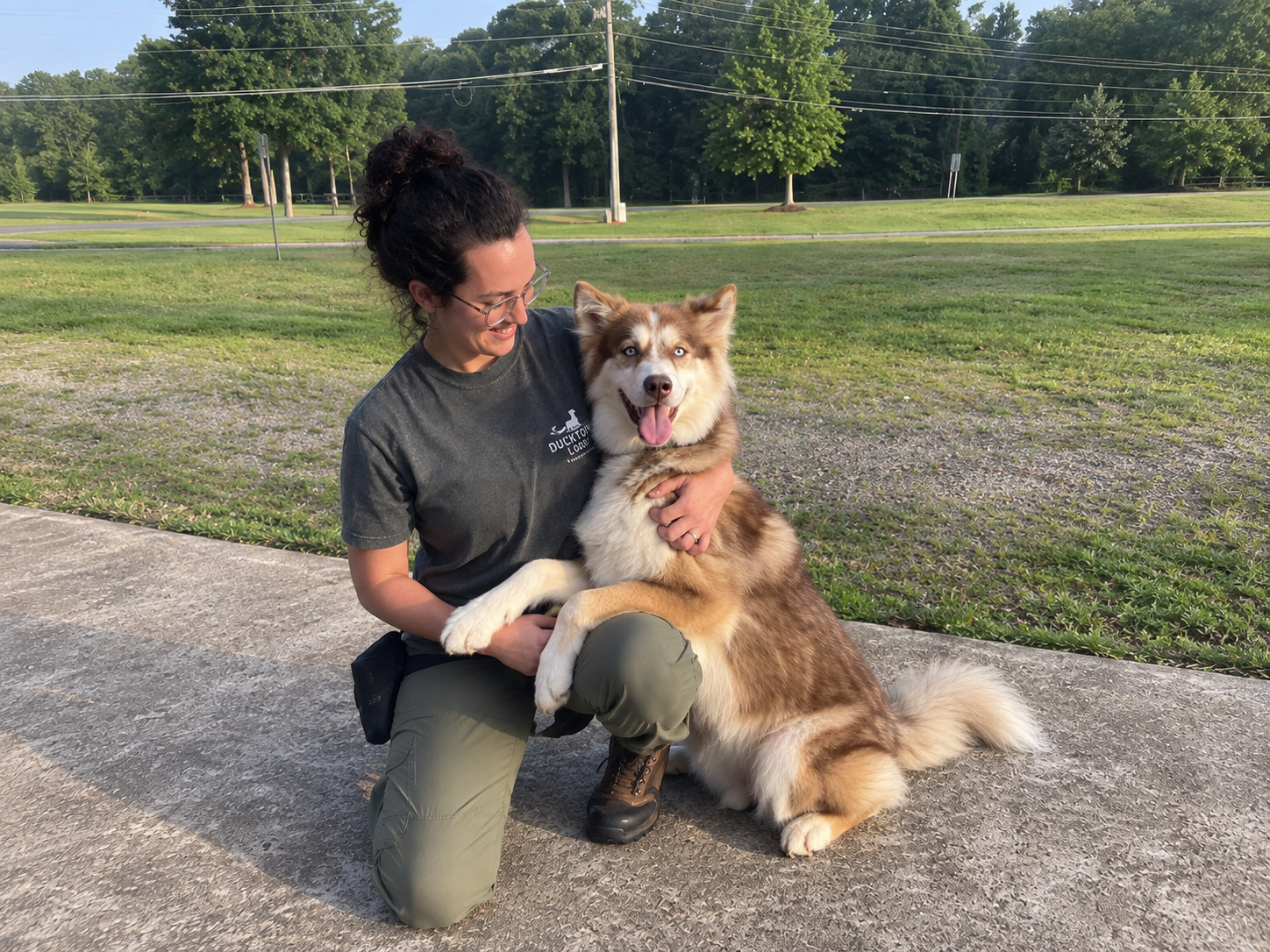
If you are looking for a dog trainer in Cumming GA, consider more than whether someone can teach sit, stay, or recall. You want to know who will actually work with your dog, how they train, how many dogs they work with at once, what happens when your dog struggles, and whether the training will make sense once your dog comes home.
Choosing a dog trainer in Cumming GA starts with finding the right fit for your dog. Look at the trainer’s methods, environment, communication, owner involvement, daily routine, and support after training. Ask how they adapt when a dog needs more time or a different approach before choosing a program.
Your Dog Should Not Have to Fit a Cookie Cutter Program
We chose to keep Ducktown Lodge small on purpose. We never wanted to become a high-volume facility where every dog moves through the same training program. We wanted enough time to know the dog in front of us. That is why we have one trainer, train only three dogs at a time, and accept a maximum of five training dogs each month.
There are good dog trainers with very different methods, personalities, and programs. The goal is not to find the trainer who makes the biggest promises. It is to understand how that person trains and whether their approach makes sense for your dog and your family.
In this guide, we will walk through the questions we think every dog owner should ask. We will talk about training methods, private lessons, group classes, board and train programs, owner involvement, what happens when your dog comes home, and how to recognize a program that actually fits your dog.
Choosing a Dog Trainer in Cumming GA Starts With the Right Fit
Finding a dog trainer in Cumming GA is not really about finding the trainer with the longest list of commands or the most impressive videos.
It is about finding someone whose approach makes sense for your dog and for the life you actually live together.
That matters because dogs are different.
One dog may be confident and ready to work anywhere. Another may need more time to understand what is being asked. A young puppy learning household manners has different needs than an adult dog whose owner wants better leash walking, recall, or everyday obedience.
There Is No One Right Trainer for Every Dog
We think this is one of the most important things dog owners should understand.
There are good trainers who work differently from one another. There are also different training environments.
You may find private lessons, group classes, day training, board-and-train programs, or a combination of several options around Cumming.
The question is not simply, “Who is the best dog trainer?”
A better question is, “Who is the right trainer for my dog?”
Look at the dog you actually have.
Think about temperament, age, confidence, energy level, previous training, and the behaviors you want help with.
Then think about yourself too.
How involved do you want to be? What methods are you comfortable continuing at home? What kind of support will you need after formal training ends?
A program can produce beautiful results and still not be the right program for every dog or every owner.
Start With What You Actually Want Help With
Before calling a dog trainer in Cumming GA, get clear about what you would like everyday life with your dog to look like.
You do not need to know training terminology.
Just describe the real problem or goal.
Maybe you want your dog to walk beside you instead of pulling you down the driveway.
Maybe you want to open the front door without a wrestling match.
Maybe recall is important because you want more freedom together.
Or maybe you have a puppy and simply want to start with good habits before frustrating ones settle in.
Your goals might include:
- Basic obedience: Sit, down, stay, place, recall, and other useful everyday skills.
- Better leash manners: Walking together without constant pulling or fighting the leash.
- More reliable recall: Helping your dog understand that coming when called matters even when something interesting is happening.
- Puppy training: Building communication, structure, confidence, and good habits early.
- Household manners: Creating calmer routines around doors, guests, meals, crates, and other everyday situations.
- More advanced concerns: Getting professional guidance when behavior is making normal life difficult for you or your dog.
A good trainer should listen to those goals before deciding what your dog needs.
That is also why we chose a low volume approach at Ducktown Lodge. We do not want to start with a cookie cutter program and then try to make the dog fit inside it.
We want enough time to watch the dog, understand what is happening, and work from there.
The goal of dog training should not just be a dog that performs well for the trainer. It should be clearer communication that you can take home and use in real life.
Understand the Different Dog Training Approaches
If you start researching dog training in Cumming GA, you are going to run into a lot of different terms.
Positive reinforcement. Balanced training. Corrections. Food training. Marker training. E collars.
It can get confusing quickly.
You do not need to become a dog trainer before choosing one. But you should understand what someone plans to do with your dog and why.
Positive Reinforcement Dog Training
Positive reinforcement uses something the dog values to teach and strengthen a behavior.
That might be food, praise, play, affection, or access to something the dog enjoys.
It is an important part of teaching a dog what you want.
Think about teaching place.
The dog goes to the bed. The trainer marks that correct choice and rewards it. With repetition, the dog begins to understand what is being asked.
But I would go one step further when talking with a trainer.
Ask what happens after the dog understands the command.
What happens when your dog knows exactly what sit means but decides the squirrel across the yard is much more interesting?
The answer will tell you more about how that trainer works.
What Is Balanced Dog Training?
For us, balanced dog training is pretty simple.
We teach the dog what we are asking. We reward them when they get it right. Once they understand, we can also hold them accountable when they choose not to do it.
That does not require yelling, intimidation, or turning training into a confrontation.
At Ducktown, the goal is clear communication.
We want the dog to understand what we are asking, recognize when they got it right, and understand the boundaries too.
Training Tools Matter, But How They Are Used Matters More
Depending on the trainer and the dog, training may involve food, a standard leash, slip lead, long line, prong collar, e collar, crate, place cot, toys, praise, or other tools.
Do not be embarrassed to ask about any of them.
If a trainer uses an e collar, for example, asking whether they use one is only the beginning.
Ask how they introduce it.
Ask what the dog learns first.
Ask how they decide what level is appropriate.
Ask what they watch for in the dog’s response.
Ask what happens if that particular dog is not responding well to the plan.
At Ducktown, an e-collar is introduced at low levels after foundational work has begun. It is one part of communication and training. It is not a substitute for teaching the dog.

A tool by itself does not tell you everything you need to know about a trainer.
How the trainer uses it, when they use it, and how well they read the dog tells you much more.
Ask Your Dog Trainer to Explain Their Methods Without Jargon
Here is a simple test when interviewing a dog trainer in Cumming GA.
Ask them to explain how they train.
Then listen.
You should not need a dictionary to understand the answer.
If you are confused, ask another question.
A trainer should be able to explain what they do with your dog in plain English.
You are trusting this person with your dog. You have every right to understand what that means.
What Should You Look for in a Dog Trainer in Cumming GA?
You can learn a lot about a trainer without knowing much about dog training yourself.
Watch the dog.
Seriously.
That is one of the first things I would tell anyone looking for a dog trainer in Cumming GA.
Is the dog able to think?
Does the dog understand what is being asked?
What happens when the dog gets confused?
Does the trainer slow down and help, or does everything immediately get bigger, louder, and more intense?
Dogs tell you quite a bit if you pay attention.
Watch the Dog, Not Just the Trainer
It is easy to watch a training video and think, “Wow, that dog is doing everything perfectly.”
But watch what happens between the commands.
Look at the dog’s body.
Watch what happens when the dog makes a mistake.
A dog does not have to look perfect every second to be learning.
In fact, learning can be a little messy.
We want to see a dog that is engaged and beginning to understand how to make good choices. We do not expect every dog to move at the same pace.
Yona Is a Good Example
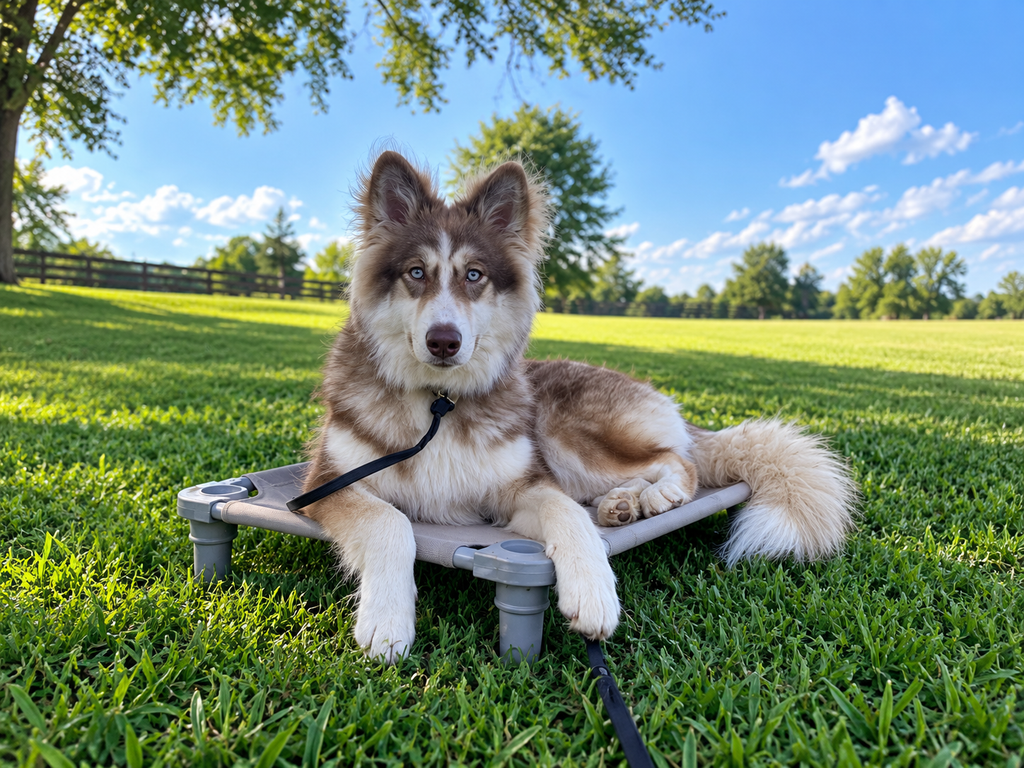
Yona came to Ducktown at only five months old.
She is a Native American Indian Dog, and her owner, Anson, is completely dedicated to her. He specifically wanted a more individual training experience.
Yona did not need someone to change her personality.
She was a young dog who needed help with impulse control.
Jumping on people was one of the things Anson wanted to improve. Sarah also worked with her on sit, down, place, drop, and leave it.
Then came the important part.
Yona needed to be able to do those things when there were distractions around her, not only when everything was quiet and easy.
When she went home, the difference showed up where it mattered.
She was holding her commands around distractions. Her drop and leave it were useful in real situations. Most noticeably, Anson reported that she had not jumped on a single person since coming home.
That is the kind of progress I care about.
Not a perfect thirty-second training clip.
Can you actually live differently with your dog when training is over?
Pay Attention to the Trainer’s Energy
Our facility is pretty low-key by design.
That is intentional.
Training does not have to look dramatic to be working.
When you watch a trainer, pay attention to what happens when a dog gets excited, distracted, confused, or frustrated.
Does the trainer stay clear?
Can they adjust?
Can they recognize when the dog needs another repetition and when doing ten more repetitions would accomplish absolutely nothing?
Calm does not mean nothing is happening.
Sometimes the quietest moments tell you the most.
Look for Individual Training, Not a Formula
A dog who is excited and impulsive may need something very different from an unsure dog.
Even two dogs working on the exact same command may need it taught differently.
That is one reason I would ask any trainer how many dogs they personally work with at one time.
There is not one magic number.
A larger training facility is not automatically bad, just like a small facility is not automatically good.
You simply want to understand what your dog’s day will actually look like.
Low Volume Dog Training Can Change the Experience
We chose to stay small on purpose.
When we started Ducktown Lodge, we had no interest in seeing how many dogs we could fit into a training program.
We wanted to know the dogs we were working with.
There is a difference.
We have one trainer. We train no more than three dogs at a time, and we cap training at five dogs per month.
Those numbers are not a marketing trick.
They are what allow us to train the way we want to train.
Why We Chose to Stay Small at Ducktown Lodge
When you only have a few training dogs, you have time to notice the little things.
Maybe a dog understands place perfectly inside but loses it as soon as something interesting happens outside.
Maybe another dog knows exactly what sit means but gets so excited when someone walks through the door that all that knowledge seems to disappear.
Or maybe you have a five month old puppy like Yona who is smart, willing, and learning fast, but still has five month old impulse control.
Those details tell us what to work on.
They also tell us when to slow down.
We do not want to train a dog just long enough to check a command off a list.
Sit. Done.
Down. Done.
Place. Done.
That is not particularly useful if the dog cannot do any of it once real life shows up.
With Yona, the progress that mattered was not simply that Sarah taught her commands.
It was that those commands started holding when there were distractions.
Her drop and leave it became useful.
Her impulse control improved.
When she went home, she stopped jumping on people.
That is real life.
More Dogs Does Not Automatically Mean Better Training
I want to be careful here because small is not the only way to do good dog training.
There are larger dog training programs in Cumming GA that do good work. We are friends with people in this business who run things differently than we do.
That is okay.
You are not looking for somebody who runs their business exactly like Ducktown.
You are looking for a setup that makes sense for your dog.
If you are considering a larger program, ask how it works.
Who is responsible for your dog?
How many dogs does that person train?
Does your dog work with one trainer or several?
What happens outside the formal training sessions?
How much individual time does your dog receive?
There may be very good answers to all of those questions.
Questions to Ask a Dog Trainer Before You Say Yes
You do not need to walk into a consultation knowing everything about dog training.
That is what the trainer is there for.
But you should ask questions.
Lots of them.
I actually like when an owner asks detailed questions because it tells me they are thinking about more than whether their dog can learn sit and stay.
They want to know who they are trusting with their dog.
Ask These Questions During Your Consultation
- Who will actually train my dog? If you meet one person but someone else will be doing most of the training, you should know that before you enroll.
- How many dogs do you train at one time? There is no perfect number. You are trying to understand how the program works and how much individual attention your dog receives.
- What methods do you use? Do not settle for a label. Ask them to explain what training actually looks like on an ordinary day.
- What tools might you use with my dog? Ask why the trainer uses them and how they are introduced.
- What happens if my dog does not understand? Dogs get confused. They have off days. They do not all learn on the same schedule. You want to know what the trainer does when things are not going according to plan.
- What does my dog’s day look like? This is a big one for board and train. Training is only part of the day. Ask about rest, outside time, supervision, feeding, play, and where your dog stays.
- How will I know how my dog is doing? You should understand how the trainer communicates during the program.
- What happens when my dog comes home? If the entire plan ends when you pull out of the driveway, I would want to know that ahead of time.
Pay Attention to How They Answer
You are not looking for one set of perfect answers.
You are looking for honesty.
If a trainer uses a tool you have questions about, ask.
If you do not understand something, ask them to explain it differently.
If you are considering board and train in Cumming GA, ask to see where your dog will sleep and spend their time.
And if something does not feel right to you, you are allowed to keep looking.
That does not necessarily mean the trainer is bad.
They just might not be your trainer.
We require a meet and greet at Ducktown before a dog’s first stay for exactly this reason.
Yes, we need to meet your dog.
But you also need to meet us.
See the facility. Talk with us. Ask the questions you have been worried might sound silly.
They are probably not silly.
This is your dog.
Should You Choose Private Lessons, Classes, or Board and Train?
There is no training format that is automatically better than the others.
I think sometimes people start searching for dog training in Cumming GA assuming they need a board and train because it sounds like the most complete option.
Other people immediately rule board and train out because they cannot imagine sending their dog away.
Neither reaction tells you what your dog actually needs.
Start there.
Private Dog Training
Private lessons give you a chance to learn while your dog learns.
That can be especially helpful when the biggest challenge is not teaching the dog a command.
It is figuring out what to do in the moment.
When should I correct this?
Am I asking too many times?
Why does she do this perfectly in the kitchen and act like she has never heard the word outside?
Those are normal questions.
Private training gives the trainer a chance to watch both ends of the leash.
Sometimes a small change in timing or communication makes a huge difference.
Group Dog Training Classes
Group classes give you something you cannot create in your living room.
Other dogs.
People.
Noise.
Movement.
Distractions.
For the right dog, that can be incredibly useful.
Group classes can also be a good choice for owners who want to be involved in every part of the training process.
The important thing is knowing whether your dog is ready to learn in that environment.
A dog who is so overwhelmed by everything happening around them that they cannot think may need a quieter starting point first.
That does not mean they can never work around distractions.
It just means you may need to build the foundation before asking for the harder version.
Board and Train
A board and train in Cumming GA can make sense when you want a trainer to have concentrated time with your dog.
But I would look much deeper than the length of the program.
Where is your dog staying?
Who is caring for them?
How many dogs are there?
How much individual training happens?
What does the rest of their day look like?
How are commands practiced around distractions?
And probably the biggest question of all, how does all of this transfer back to you?
Anson did not send Yona to us because he did not want to be involved.
It was actually the opposite.
He cared enough about her training to look for a more personal approach.
Sarah had concentrated time to work with Yona and build a foundation.
But eventually Yona had to go home.
Training has to make the trip home with the dog.
What to Look for in a Board and Train Program in Cumming GA
If you are thinking about board and train in Cumming GA, do not just ask what commands your dog will learn.
Ask what your dog’s life will look like while they are there.
That matters to me just as much as the training.
Your dog is not training every minute of the day.
They are also sleeping, eating, going outside, resting, playing, watching what is happening around them, and spending time with the people caring for them.
All of that is part of the experience.
Ask Where Your Dog Will Live
Go see it if you can.
I mean that.
A website can tell you a lot, but there is something different about standing in the place where your dog will sleep.
Ask where the dogs stay.
Ask how many are there.
Ask how often they go outside.
Ask whether they are supervised outside.
Ask how much rest they get.
Ask who feeds them, gives medications, cleans their space, and notices when something seems a little off.
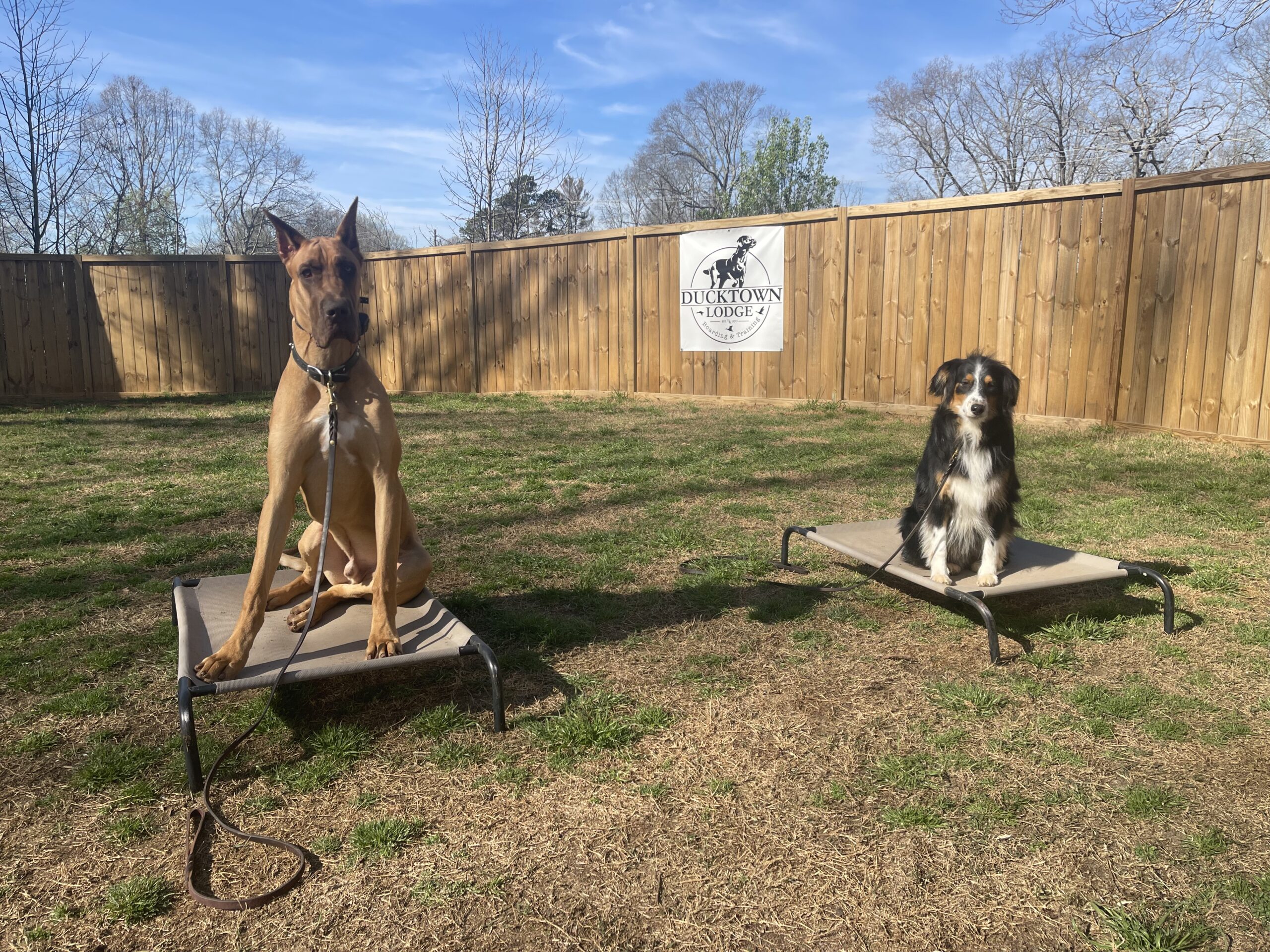
At Ducktown, our training dogs are also boarding dogs.
They are not treated like training projects that get put away when the lesson is finished.
They are in our care.
Our dogs stay in private suites and go outside throughout the day for supervised time. We intentionally do not run large communal playgroups.
That helps us keep the environment calmer and gives us more control over each dog’s day.
That setup is not going to be every owner’s preference.
That is exactly why you should ask.
Ask How Much Time Is Actually Spent Training
A two week board and train does not mean your dog should be drilling commands all day long.
I would not want that.
Dogs need time to process what they are learning.
They need breaks.
They need sleep.
They also need opportunities to use what they have learned without everything feeling like a formal training session.
Sometimes training is obvious.
Sarah may be working on place, recall, leash work, or another specific skill.
Sometimes training looks like waiting calmly at a doorway.
Sometimes it is walking without pulling.
Sometimes it is choosing not to jump when somebody approaches.
Sometimes it is simply learning to settle.
Those little moments matter because that is what life with your dog is actually made of.
Ask Whether Training Happens in the Real World
A dog doing a beautiful down in a quiet room is a good start.
Then somebody walks by.
Or another dog is nearby.
Or a door opens.
Or there is something on the ground that your dog absolutely believes belongs in their mouth.
Now we find out how well the training is starting to make sense.
This is where Yona’s drop and leave it became important.
Those are not commands we teach because they look impressive.
They are useful.
Anson can use them when Yona notices something she should not pick up or when he needs to redirect her attention.
The same is true of place.
Place is nice in a training video.
It is much nicer when you are trying to answer the door and your dog can actually stay there.
That is why our board and train includes working around distractions and taking training into everyday environments.
We want to know what happens when life gets less convenient.
Your Dog Is Only Half of the Training Equation
This is where I think people sometimes get the wrong idea about a board and train.
Your dog can do beautifully with Sarah.
They can learn sit, down, place, recall, leash manners, and all kinds of useful things.
Then they come home.
And now you are holding the leash.
That matters.
A Good Trainer Should Train the Owner Too
We do not want a dog who only listens to Sarah.
That would not help you very much.
Part of a good board and train program in Cumming GA should be showing the owner what the dog has learned and, just as importantly, teaching the owner how to continue it.
You need to know what your commands mean.
You need to understand the tools being used.
You need to know when to reward.
You need to know how to follow through when your dog looks at you and decides maybe this command is optional today.
Because that will happen.
Dogs are very good at figuring out whether the rules changed when they got home.
Ask What Your Handoff Will Look Like
If you are comparing dog trainers in Cumming GA, ask about this before you enroll.
Ask what happens when you pick your dog up.
Do you get time with the trainer?
Will you practice the commands yourself?
Will they show you how the training tools work?
What should you do the first night home?
What happens if something looks great at pickup but starts slipping two weeks later?
At Ducktown, our board and train includes a take home session because we want you working with your dog before you leave.
We go through the training, commands, tools, and how to continue what your dog has learned at home.
Training has to work without us standing there.
What Happens After Dog Training Matters Just as Much
Training does not end at pickup.
I wish it were that easy.
Your dog comes home to a different environment with different routines and, most importantly, a different person holding the leash.
There can be an adjustment.
That is normal.
Training Does Not End at Pickup
The part of Yona’s story I care about most is what happened after Anson took her home.
She was holding her sit, down, and place around distractions.
Drop and leave it became commands Anson could actually use.
Most noticeably, the jumping stopped.
She did not come home as some perfectly programmed dog.
She came home as Yona.
She just had better impulse control, more focus, and a clearer understanding of what was being asked of her.
Training did not make Yona less Yona.
That is important to us.
Ask About Support Before You Need It
Before choosing a dog trainer in Cumming GA, ask what happens when you have a question after training.
Can you call?
Can you text?
Can you come back for help?
What happens if something that looked great during training starts getting sloppy at home?
You should know the answer before you need it.
At Ducktown, questions do not magically stop when the training program ends.
Neither does our relationship with the owner.
How Can You Tell if a Training Program Fits Your Dog?
Look at the whole dog.
Not just the behavior you want changed.
Think about age, temperament, confidence, energy, previous training, home life, and how your dog handles new environments.
Then look at your goals.
Do you want better household manners?
More freedom?
Reliable obedience?
Better communication?
Help getting through the puppy stage without losing your mind?
Be honest about what you actually need.
Look at the Whole Dog
A trainer should be interested in more than the problem you wrote on the contact form.
What is your dog like at home?
What motivates them?
What makes them excited?
What makes them unsure?
What training have they already had?
How old are they?
What does a normal day look like?
Those details matter.
Your Dog Does Not Need to Fit Someone Else’s Program
This is a big one for us.
Training should have structure, but there should also be enough room to respond to the dog.
Yona was five months old.
That matters.
We were not working with a mature adult dog.
We were working with a puppy who was still learning how to control herself when the world got exciting.
The training had to make sense for where she was.
Your dog deserves the same consideration.
Green Flags When Choosing a Dog Trainer
There is no perfect checklist, but there are things I would feel good about seeing.
- Clear answers: The trainer can explain what they do without hiding behind jargon.
- Calm handling: Training does not need to be a big performance.
- Transparency about tools: You know what may be used and why.
- Realistic expectations: The trainer does not promise identical results for every dog.
- Individual attention: There is room to adjust when the dog needs something different.
- Owner education: The plan includes you.
- A plan for going home: Training does not suddenly end at pickup.
- Dogs that can think: Look for engagement and understanding, not simply perfect looking obedience.
Those things tell me much more than a flashy video ever could.
Red Flags Worth Paying Attention To
I would slow down if someone guarantees an outcome without really evaluating your dog.
I would ask more questions if the trainer is vague about methods or refuses to explain the tools they use.
I would want to know more if everything has to become loud or intense the moment a dog makes a mistake.
I would also want answers if there is little discussion about what happens after training.
For board and train, I absolutely want to know where the dog lives, who handles the dog, and what a normal day looks like.
None of this requires you to interrogate a trainer.
Just have a conversation.
A good trainer should be willing to have it with you.
Finding the Right Dog Trainer in Cumming GA Is About Trust
The best dog trainer in Cumming GA for you is not automatically the biggest, smallest, strictest, gentlest, most expensive, or most popular.
It is someone whose methods you understand.
Someone whose environment makes sense for your dog.
Someone you are comfortable asking questions.
And someone whose training you are willing and able to continue once your dog comes home.
Why Ducktown Lodge Chose a Different Kind of Training Environment
At Ducktown Lodge, we chose low volume because it lets us be personal.
One trainer.
Three training dogs at a time.
No more than five training dogs per month.
That gives Sarah time to know the dogs she is working with and time to notice when something needs to change.
Yona is exactly the kind of dog who reminds us why we like working this way.
She did not need to become a different dog.
She needed better impulse control, clearer expectations, practice around distractions, and a way for those lessons to continue once she was back home with Anson.
She is still Yona.
Just with more focus, better impulse control, and clearer communication between her and Anson.
That is a result that means something to us.
You Should Feel Comfortable Asking Questions
Ask questions.
Visit the facility.
Meet the trainer.
Understand the methods.
Ask what happens when things do not go according to plan.
And do not feel like you are being difficult because you want answers.
You are trusting someone with your dog.
You should feel good about that decision.
Looking for a Dog Trainer in Cumming GA?
If our low volume approach sounds like what you have been looking for, come meet us.
Bring your dog.
Bring your questions too.
We can talk about what is going on, what you want life with your dog to look like, and whether Ducktown is actually the right fit.
No pressure.
Start with a conversation, not a contract.
Ducktown Lodge
6140 Dahlonega Highway
Cumming, GA 30928
Phone: (770) 733 0836
Email: hello@ducktownlodge.com