Why Crate Training Goes Wrong
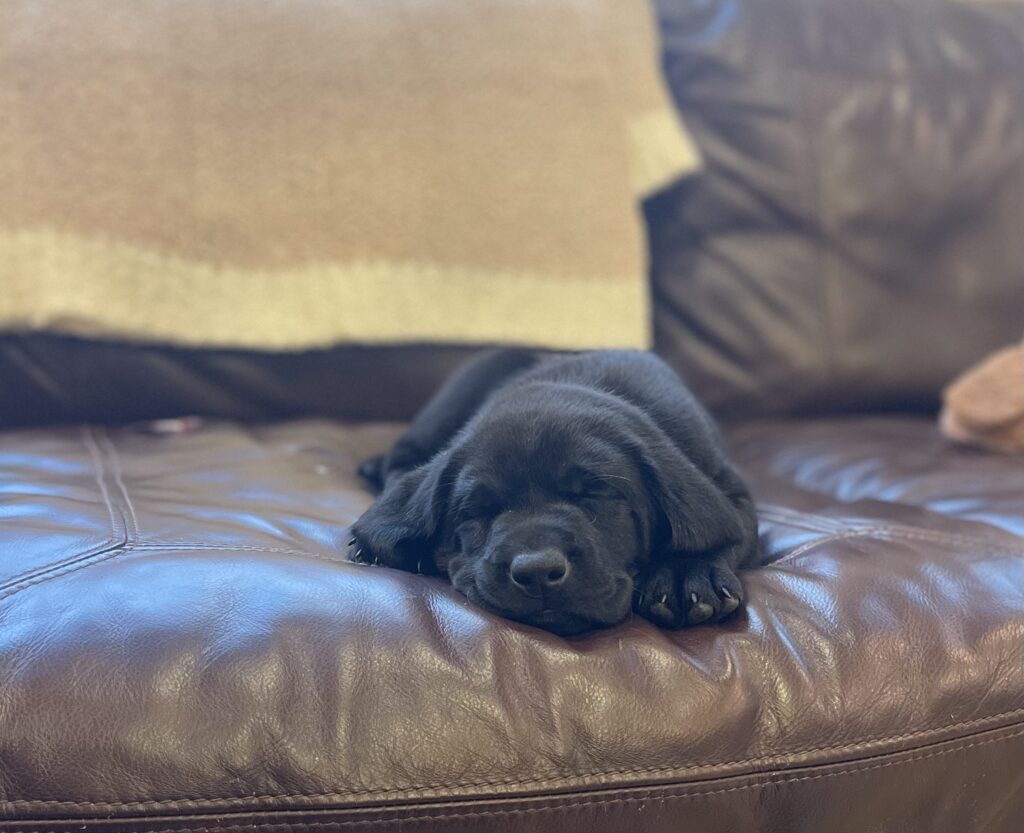
Crate training mistakes are common. How to help your puppy feel safe, not trapped. Yet many owners find themselves in the same situation. Their puppy cries, barks, scratches at the door, or refuses to go inside. They begin to wonder if their puppy simply hates the crate. In reality, the problem often isn’t the crate itself. More often, it’s that the puppy has learned the crate predicts something unpleasant instead of something wonderful.
Many puppies dislike the crate because they have developed a negative association with it. The solution is to create a new association by making the crate the best place in the world. With patience, high-value rewards, and small successes, your puppy can learn to see the crate as a place of comfort and security.
Jasper’s Story Shows Why Going Back Is Sometimes the Fastest Way Forward
When Jasper, a six-month-old Goldendoodle, came to us, his family was exhausted. Every trip to the crate turned into a battle. Like many caring owners, they believed he simply needed more time in the crate until he accepted it.
Instead, we took a step back.
We stopped worrying about how long he stayed inside and focused on one goal: making the crate the best place in the world. Every interaction with the crate became something Jasper looked forward to. We rebuilt his confidence one small win at a time, and before long, the crate became a place where he could truly relax instead of something he wanted to escape.
Why Puppies Hate the Crate
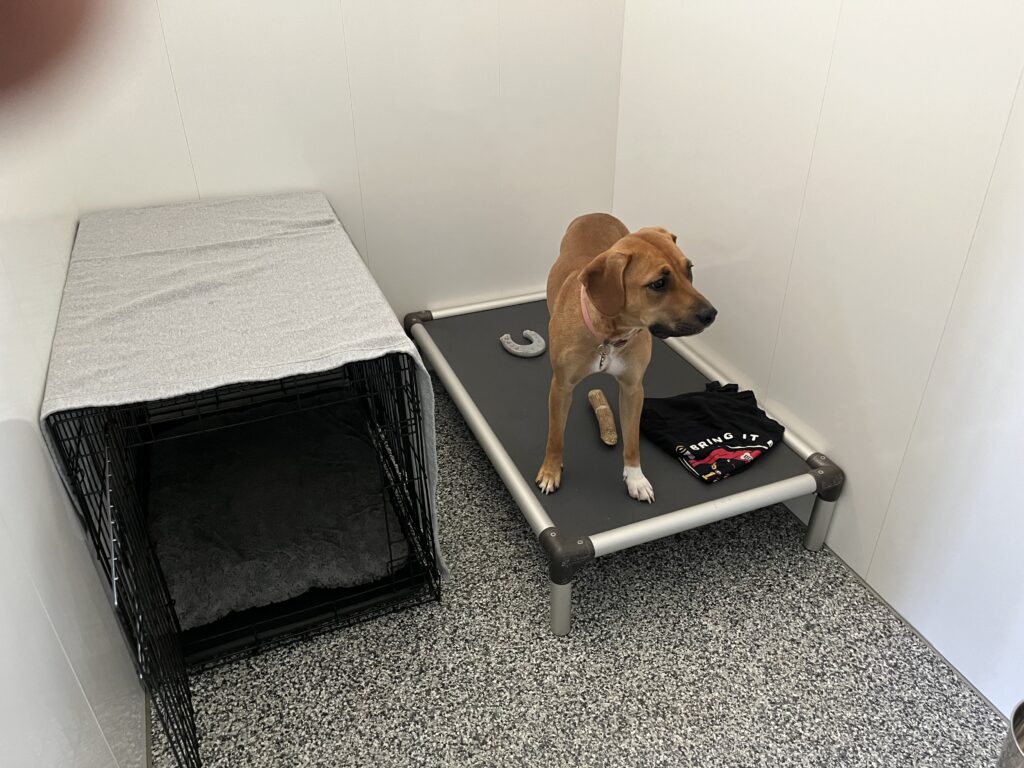
Crate Training Mistakes are common. Many owners assume a puppy cries, barks, or refuses to enter the crate because they do not like being confined. While that can happen, it is usually not the real issue. Most puppies are reacting to the way they feel about the crate. If every trip into the crate means being left alone, missing out on family activities, or feeling scared, it is no surprise they begin to avoid it.
The good news is that those feelings can change. Dogs learn through association. That means they can also learn that the crate predicts safety, comfort, and wonderful things. The goal is not to make your puppy tolerate the crate. The goal is to make them genuinely enjoy spending time there.
The Crate Is Not the Problem. The Association Is.
We recently received a call from the owner of Jasper, a six-month-old Goldendoodle. She was frustrated and worried because every crate session became a battle. Jasper barked, resisted going inside, and seemed determined to escape as quickly as possible.
Like many loving owners, she believed the answer was to keep working through it.
Instead, we did the opposite.
We backed up.
Rather than focusing on how long Jasper stayed in the crate, we focused on how he felt about it. Our priority was changing his emotional response. We wanted Jasper to think, This is the best place in the world.
That became our entire training plan.
Why We Backed Up Before Moving Forward
When a puppy develops a negative association with the crate, adding more time inside usually makes the problem worse. Imagine someone afraid of elevators. Keeping them inside longer rarely removes the fear. First, you have to help them feel safe. We follow AKC guidelines at https://www.akc.org/
The same principle applies to puppies.
For Jasper, every interaction with the crate became positive.
- High-value rewards. Every trip into the crate earned something he absolutely loved.
- Short sessions. We ended each session while Jasper was still relaxed and successful.
- No pressure. Jasper was encouraged to choose the crate instead of being forced inside.
- Calm repetition. We repeated these small successes throughout the day instead of expecting overnight results.
Little by little, Jasper’s confidence grew. His body relaxed. His hesitation disappeared. Eventually, he began walking into the crate on his own because he expected good things to happen there.
The crate should never feel like punishment. It should feel like their bedroom. A quiet place where they can rest, enjoy a special treat, and know that good things happen every time they walk through the door.
Five Crate Training Mistakes to Avoid
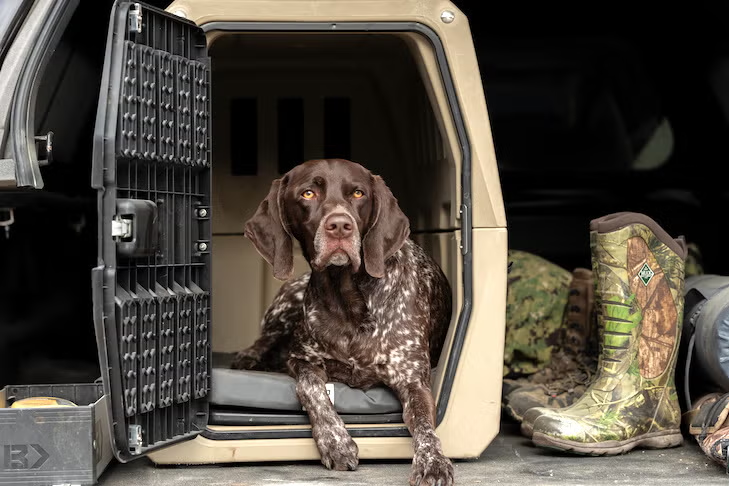
There is no shortage of crate training advice online. Some of it is helpful. Some of it can actually make the problem worse. If your puppy is struggling, chances are you are not failing. You may simply be making one or two common crate training mistakes that create fear instead of confidence.
Using the Crate Only When You Leave
If the only time your puppy goes into the crate is when everyone disappears, they quickly learn what the crate predicts.
Instead, let your puppy enjoy the crate while you are home. Toss treats inside during the day. Feed meals inside the crate. Let them nap there with the door open. The more good experiences they have, the more the crate becomes part of everyday life instead of a signal that they are about to be left behind.
Moving Too Fast
This was Jasper’s biggest challenge.
Many owners expect a puppy to stay in the crate for long periods before they are emotionally ready. Start with seconds instead of minutes. Celebrate each success. Build confidence before you build duration.
Forcing Your Puppy Into the Crate
Dragging or pushing a reluctant puppy into the crate teaches exactly the opposite lesson you want them to learn.
Instead, invite your puppy inside. Use treats. Feed meals in the crate. Hide special chews inside. Allow your puppy to discover that wonderful things happen when they choose to walk through the door.
Using the Crate as Punishment
The crate should never be where your puppy goes because they were naughty.
The crate should represent safety. It should be their bedroom. A place they choose to visit even when they are free to walk away.
Ignoring Your Puppy’s Emotional State
Every puppy learns differently.
Watch your puppy’s body language.
- Loose muscles show relaxation.
- Soft eyes show confidence.
- Relaxed breathing shows comfort.
- Choosing to return tells you positive associations are growing.
If your puppy is panicking, take that as information instead of failure.
Crate Training Tips That Actually Work
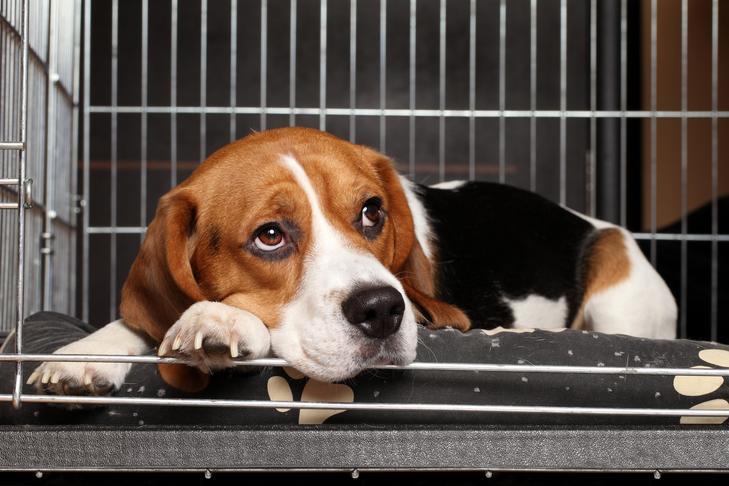
If you’re searching for crate training tips because your puppy hates the crate, you’re not alone. One of the biggest crate training mistakes is trying to solve fear by asking for more time in the crate.
Make the Crate the Best Place in the World
This became our motto with Jasper.
Every time he entered the crate, something wonderful happened. High value treats. Favorite chews. Meals. Calm praise. Time to relax.
When you’re learning how to crate train a puppy, remember that every experience teaches something. The goal is for your puppy to believe the crate is the safest and happiest place they can be.
Let Your Puppy Choose the Crate
One of the best puppy crate training tips is to let your puppy make the choice.
Instead of placing them inside, toss a treat into the crate and allow them to walk in on their own. Praise them calmly. Let them come back out if they choose.
Soon your puppy begins thinking, Walking into my crate is my idea.
Build Time Slowly
Watch your puppy instead of the clock.
- Start with seconds.
- Increase time gradually.
- Watch body language.
- Finish every session on a success.
Slow progress today often creates much faster progress tomorrow.
Keep the Crate Part of Everyday Life
Continue making the crate a place your puppy chooses.
Leave the door open.
Hide treats inside.
Feed meals there.
Offer special chew toys that are only available in the crate.
That is exactly what happened with Jasper. The puppy who once refused to enter his crate eventually walked inside on his own and settled down to relax.
Signs Your Puppy Is Starting to Love the Crate
One of the biggest questions owners ask is, “How do I know it’s working?”
The answer is not measured by how long your puppy stays inside. It is measured by how they feel about the crate.
Your Puppy Walks Into the Crate Willingly
When a puppy hates the crate, they avoid it.
As training progresses, they begin walking into the crate without hesitation.
Eventually, many puppies choose the crate on their own because they see it as their safe place.
Your Puppy’s Body Language Changes
Look for:
- Loose muscles
- Soft eyes
- Relaxed breathing
- Choosing to rest
These are signs your puppy feels safe.
Your Puppy Settles Faster
Don’t expect perfection overnight.
Instead, celebrate progress.
Maybe your puppy settles in three minutes today and one minute next week.
Those small improvements become lasting habits.
When Your Puppy Still Hates the Crate
Sometimes owners follow every crate training tip and their puppy still struggles.
That does not mean you’ve failed.
It simply means your puppy needs a different pace.
Slow Down Before You Speed Up
If your puppy begins barking, scratching, or refusing to enter the crate again, ask yourself:
- Did I move too fast?
- Did I stop making the crate rewarding?
- Am I asking for too much?
If so, simply back up.
Go back to the last successful step and rebuild confidence.
Know the Difference Between Stress and Panic
Watch for signs such as:
- Trying to escape hard enough to cause injury
- Continuous barking that gets worse
- Heavy panting or trembling
- Refusing treats in the crate
- Fear before approaching the crate
Those behaviors tell you your puppy is overwhelmed, not learning.
When Professional Help Makes a Difference
Sometimes an experienced trainer can see what owners cannot.
At Ducktown Lodge, we often meet puppies like Jasper. They aren’t stubborn. They simply need someone to help change the way they feel about the crate.
Your Puppy Can Learn to Love the Crate
If your puppy is struggling with crate training, don’t lose hope.
Jasper’s story is proof that sometimes the biggest breakthrough comes from taking a step back instead of pushing ahead.
When you focus on changing your puppy’s emotional association with the crate, everything begins to change. The barking becomes quieter. The hesitation fades. The crate transforms from something they fear into a place where they feel safe, comfortable, and secure.
Let’s Help Your Puppy Love the Crate
At Ducktown Lodge, we believe training should build trust, not tension.
Whether you’re working through crate training mistakes, raising a new puppy, or looking for a personalized training plan, we’re here to help.
Every puppy deserves to feel safe.
Every owner deserves peace of mind.
Let’s talk about your puppy. Reach out to Ducktown Lodge in Cumming, Georgia, and we’ll help you build confidence one small success at a time. Because when you make the crate the best place in the world, your puppy begins to believe it too.