Meet Snickers – A Ducktown Dog Training Graduate
Training rescue dogs works best when we slow things down and lead with calm. Not because dogs need less guidance, but because they need safety before they can learn. Slow does not mean permissive. Calm does not mean weak. When structure is offered with awareness and care, dogs grow without losing who they are.
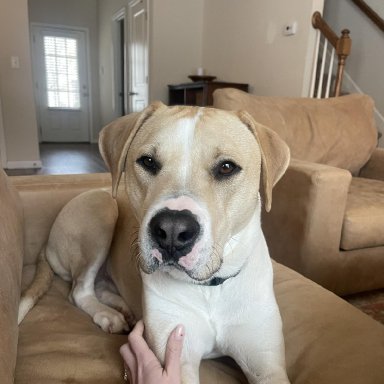
Snickers reminded us of that immediately. It was love at first sight when we met him. Big heart. Big presence. A dog already trying his best.
Every rescue dog deserves to feel safe first, and connected second. Trust has to come before technique. When training is built on calm structure, low pressure, and consistency, dogs learn without fear or shutdown. The bond stays intact. The progress lasts.
A Little Bit About Snickers
Snickers is a rescue dog with a big personality, a deep attachment to his people, and a nervous system that needed clarity more than correction. His story shows what is possible when training stays low-key, low-volume, and emotionally grounded.
Training Rescue Dogs Begins With Trust and Emotional Safety
Rescue dogs do not come into a home as blank slates. They come with experiences, learned coping strategies, and emotional patterns that made sense at some point in their life. Training that ignores this often creates compliance on the surface while stress builds underneath.
A different approach starts by slowing down.
Instead of asking, “How do we stop this behavior?” the better question is, “What does this dog need to feel safe enough to make a different choice?”
When dogs feel regulated, learning happens naturally. When they feel pressured, learning stops.
Meet Snickers, a rescue dog with a big heart and big feelings
Snickers was adopted through Wags & Wiggles Rescue by Olivia and her husband about a year ago. From the beginning, he brought joy, humor, and affection into their home. He is playful, funny, and deeply bonded to his people.
Adopting Snickers quickly became one of the most rewarding decisions they had made. Their bond grew strong, and something unexpected happened along the way. Their other dog came to life. Snickers’ presence added energy, connection, and warmth to the household.
Like many rescue dogs, though, love alone did not solve all the problems. And that is where honesty matters.
Olivia’s experience adopting through Wags & Wiggles Rescue
Olivia and her husband approached the rescue intentionally. They were not looking for just any dog. They were looking for the right fit. Through Wags & Wiggles Rescue, Snickers found his way into a home willing to listen, learn, and adjust.
The early days were full of discovery. Snickers showed his affectionate nature quickly, but he also showed signs that his nervous system was still figuring things out. Some situations felt big to him. Some transitions felt heavy.
This is a normal part of rescue.
Over time, Olivia noticed patterns. Snickers could be reactive on leash. New social situations challenged his confidence. Around his parents, he showed some guarding behaviors that were rooted more in attachment than aggression.
None of this changed how much they loved him. It simply showed them where he needed support.
Recognizing that need was not failure. It was responsible ownership.
What brought Snickers to Ducktown Lodge
Olivia and her husband were clear about what they were looking for. They wanted help with specific behaviors, but they did not want to break the bond they had worked so hard to build.
They were looking for guidance with:
- Leash reactivity made walks stressful instead of enjoyable
- Socialization that felt safe rather than overwhelming
- Confidence-building in new environments
- Guarding behaviors that came from a strong attachment
Just as important, they knew what they did not want.
They did not want harsh corrections.
They did not want a boot camp.
They did not want chaos or pressure.
They wanted calm clarity.
Training Rescue Dogs the Ducktown Way: Trust First
High-stimulation environments ask rescue dogs to cope before they are ready. Busy facilities, rotating handlers, and constant activity can push dogs into survival mode. Some shut down. Some act out. Very few truly learn.
Low-volume training changes that.
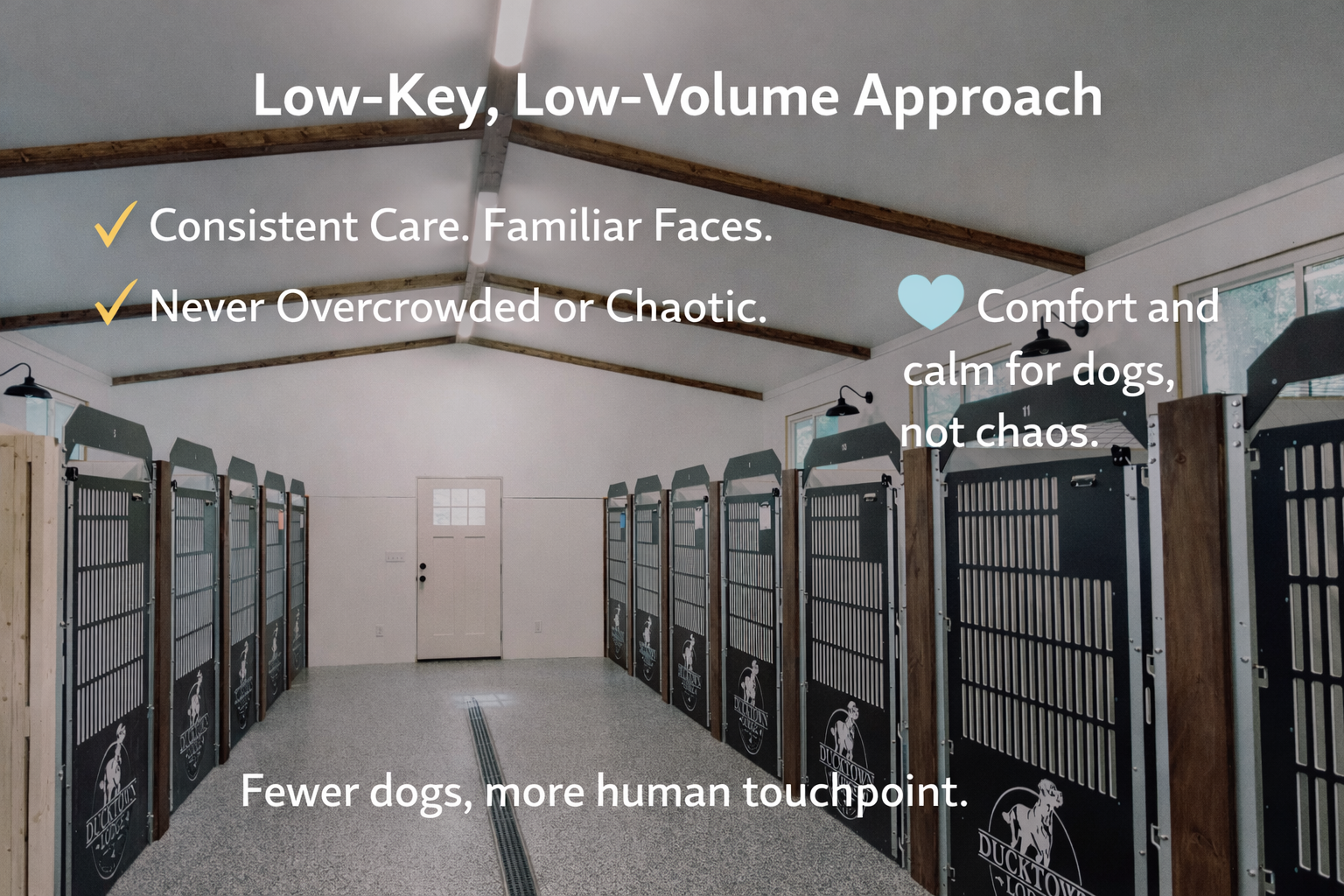
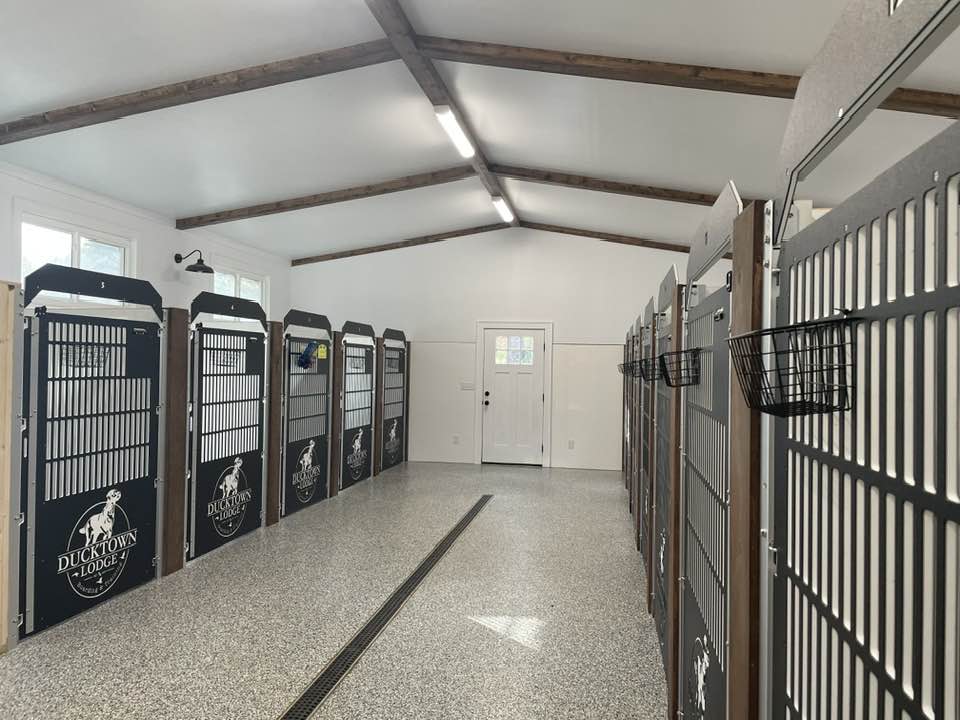
At Ducktown Lodge, fewer dogs mean fewer variables. Calm routines mean predictability. One consistent handler means trust has room to form.
When dogs are not busy managing stress, they can focus. When they feel safe, they can listen.
This is especially important when training rescue dogs who are still learning that the world is not something they have to guard against.
Bringing Snickers to the Lodge
When Snickers arrived at Ducktown Lodge, there was no rush. No pressure. No immediate correction.
The priority was letting him settle.
We watched how he moved through space. How he responded to the structure. What helped him relax and what made him tighten. Training did not start with commands. It started with observation.
As trust built, we layered in calm, clear guidance.
Leash work focused on communication, not confrontation. Social exposure happened at Snickers’ pace, not on a schedule. Confidence grew through consistency and predictability.
As Snickers began to feel more secure, guarding behaviors softened. Not because they were corrected away, but because he no longer felt he needed them.
Training Rescue Dogs With Calm Structure and Trust
Hearing it from Olivia
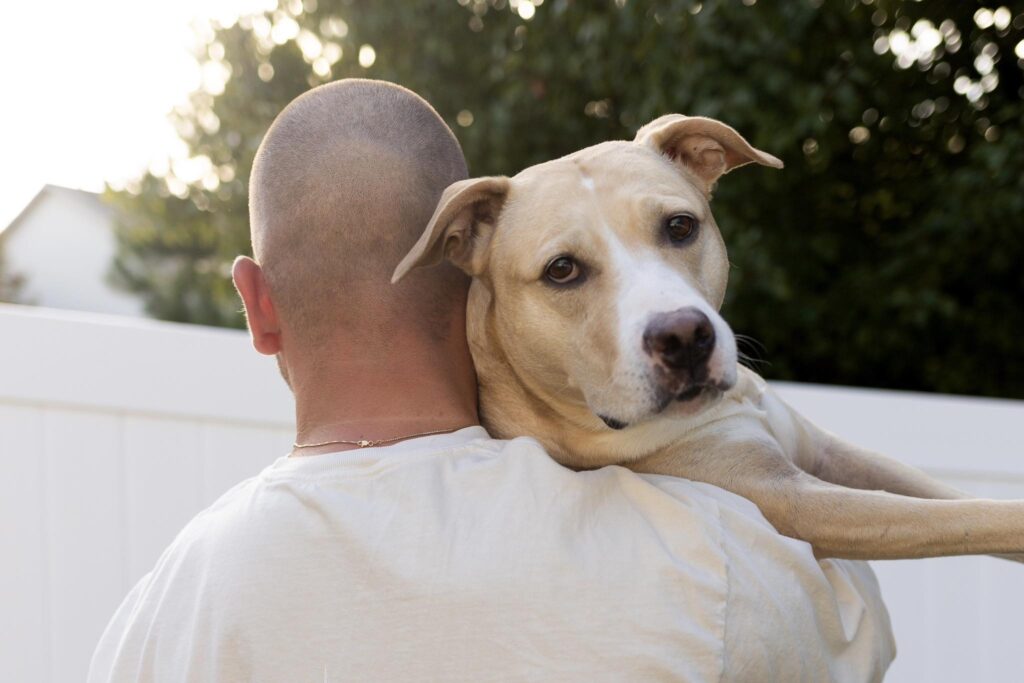
When Olivia talks about Snickers, the love comes through immediately. From the beginning, he wasn’t just a dog they brought home — he became part of the rhythm of their family.
“Adopting Snickers a year ago has been one of the most rewarding experiences for my husband and me. We were looking for the perfect second dog. Snickers has settled in nicely. His truly funny, affectionate, playful personality — and the deep bond he’s formed with our other dog — have really come to life..” Read her full review by clicking on this link.
“

“We had such a great experience with Ducktown. Our 2.5-year-old pit mix did the Board and Train program with Sara to work on leash manners and overall obedience.
Sara and Lucinda kept us in the loop the entire time with lots of pictures, videos, and updates, which we really appreciated. We’ve only had our dog back for a few days, but the change has already been huge. He was already a great dog, but this training really helped set him up for success when we’re out and about.
When we picked him up, Sara made sure we felt confident moving forward. She walked us through everything, gave us a really helpful take-home packet, and showed us how to properly reinforce all the hard work our pup put in over the two weeks.
We’re so thankful for the care and effort their staff put into our dog and would absolutely recommend them!”
What Snickers teaches us about training rescue dogs
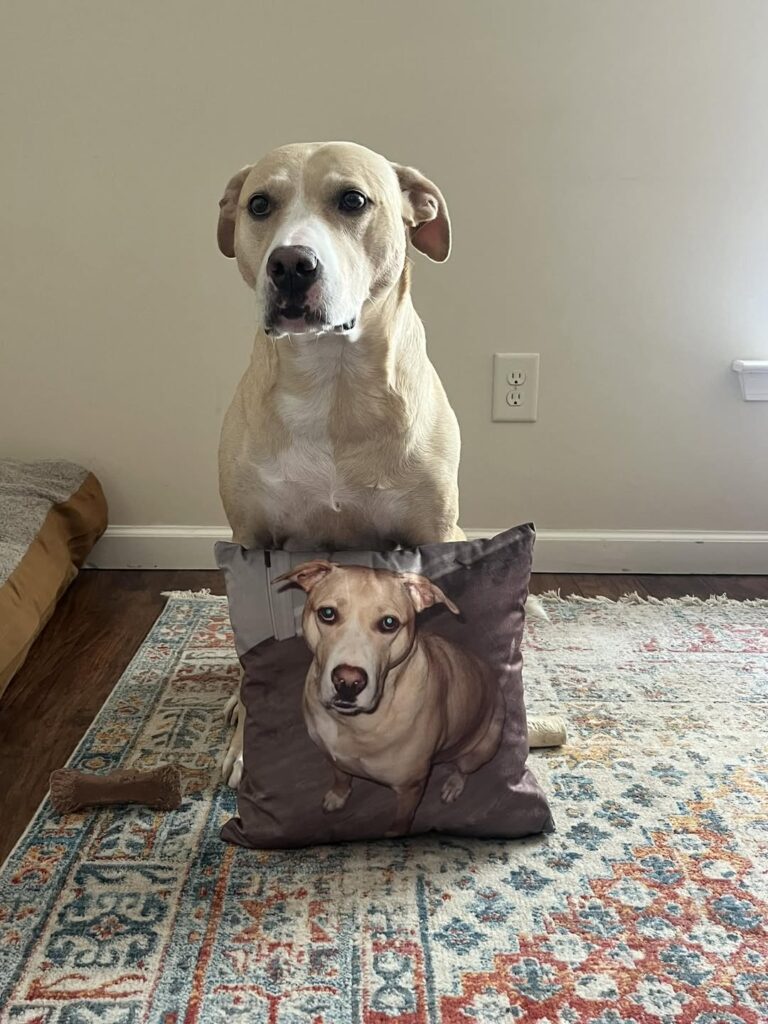
Snickers’ story is not unique. It is representative.
Training rescue dogs works best when we slow down. When we lead calmly. When we prioritize safety before skills.
Slow does not mean permissive. Calm does not mean weak. Structure delivered with emotional awareness is what allows dogs to grow without losing themselves.
Every rescue dog deserves to feel safe first.
Let’s start with trust, not pressure
If you are living with a rescue dog you love deeply but feel unsure how to support, you are not asking for too much. You are asking the right questions.
Training does not have to feel harsh or chaotic to work. It can be calm. It can be clear. It can protect the bond you have already built.
Start with a conversation. We will meet your dog where they are and help you move forward together. Call us at 770-733-0836 for your meet and greet!