Understanding Resource Guarding and Why It Happens
Resource guarding in dogs can show up fast and feel scary. One moment, your dog is chewing peacefully, the next, they stiffen, growl, or snap when someone gets close. This behavior often leaves owners feeling confused, worried, or afraid of making things worse. The truth is, resource guarding is not about dominance. It is about a dog trying to protect something they believe matters for their safety.
Resource guarding in dogs happens when a dog feels the need to protect food, toys, space, or people. Common signs include stiff posture, growling, snapping, or guarding behaviors. With calm, consistent training and clear boundaries, most dogs can learn to relax and feel safe around their resources.
Why Resource Guarding Is About Safety, Not Bad Behavior
Many owners are told to correct the behavior quickly or take items away to show control. That advice often backfires. When a dog guards food or toys, they are communicating discomfort or fear, not trying to challenge you. Understanding this difference is the first step toward stopping resource guarding without increasing anxiety or damaging trust.
Resource guarding in dogs happens when a dog tries to protect food, toys, space, or other valued items. Dogs may stiffen, growl, or snap when someone approaches. According to the American Kennel Club, the most effective way to stop resource guarding is through gradual training that helps dogs associate people approaching their resources with positive outcomes.
Resource guarding in dogs is a common behavior where a dog tries to protect food, toys, or other valued items from people or other animals. Signs may include stiff body posture, growling, or snapping when someone approaches.
According to guidance from the American Kennel Club, the most effective training approach is to gradually teach dogs that people approaching their food or toys leads to positive experiences, not loss or conflict.
Common Signs of Resource Guarding in Dogs
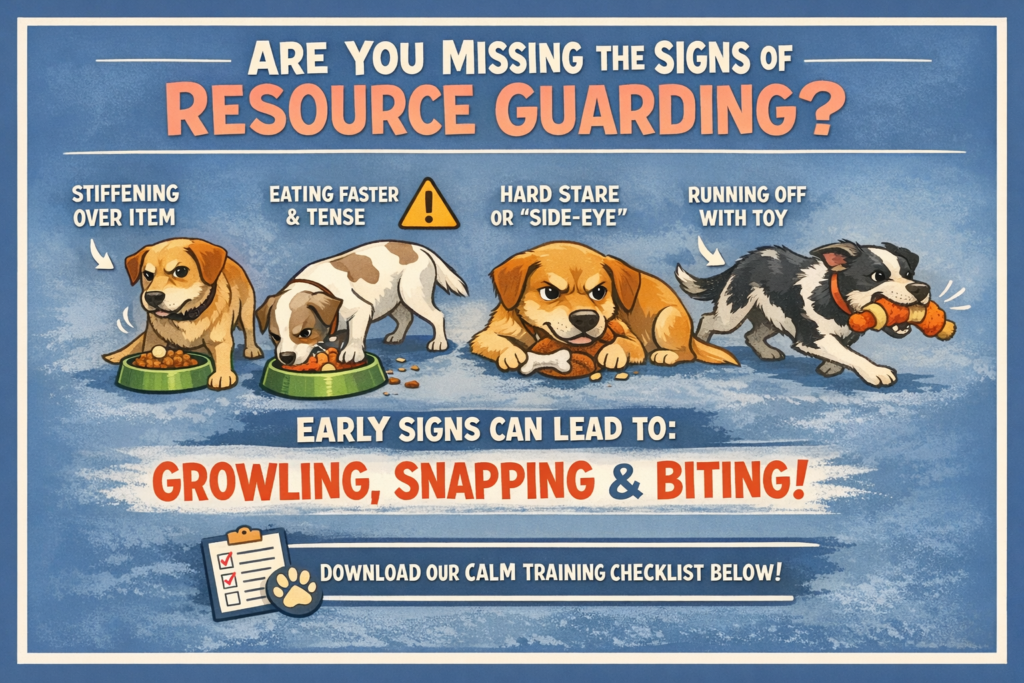
Resource guarding does not always start with growling or snapping. Most dogs give quiet warnings long before the behavior becomes serious. Recognizing these signals early can help prevent escalation.
Many owners overlook these signals because they are subtle or happen quickly. Paying attention to these early behaviors can make a major difference in training success.
Early Warning Signs You Might Be Missing
Dogs often communicate discomfort through body language first. These signals are easy to dismiss but they matter.
- Stiffening over food or toys
Your dog may freeze or lower their head when someone approaches. - Eating faster when people are nearby
This can signal anxiety about losing the resource. - Hard eye contact or side-eye
A quiet warning meant to create space. - Hovering over an item
Dogs may position their body to block access.
When these signals are ignored, dogs may escalate their response because their communication did not work.
More Obvious Guarding Behaviors
When early signals are missed, resource guarding may become more visible.
- Growling when someone approaches
- Snapping without contact
- Lunging or air biting
- Guarding resting spaces like couches or beds
At this point, many owners feel nervous or unsure how to respond. The instinct to correct the dog can be strong, but punishment often increases fear and strengthens guarding.
Why These Signs Matter
Resource guarding in dogs is communication. Each warning is a signal that the dog feels unsafe in that moment. Training should focus on helping the dog feel secure rather than suppressing their signals.
When dogs feel heard and safe, guarding behaviors often begin to soften.
Why Resource Guarding Happens (And What Makes It Worse)
Resource guarding usually comes from insecurity, not stubbornness. When a dog feels unsure about access to something valuable, their instinct is to protect it.
Many dogs that guard resources are actually thoughtful and sensitive. They learned that protecting something worked in the past. With the right training, that belief can change.
Common Reasons Dogs Guard Resources
Several factors can contribute to guarding behavior.
- Fear of losing something valuable
Dogs may worry that food, toys, or resting spots will disappear. - Past scarcity experiences
Dogs that competed for resources earlier in life may guard more strongly. - Inconsistent routines
When feeding times or household rules change often, dogs can become uncertain. - High-value items
Bones, chews, and favorite toys often trigger guarding. - Environmental stress
Changes in the household, new pets, or visitors can increase anxiety.
Understanding these triggers helps owners avoid accidentally reinforcing guarding behavior.
Things That Can Make Resource Guarding Worse
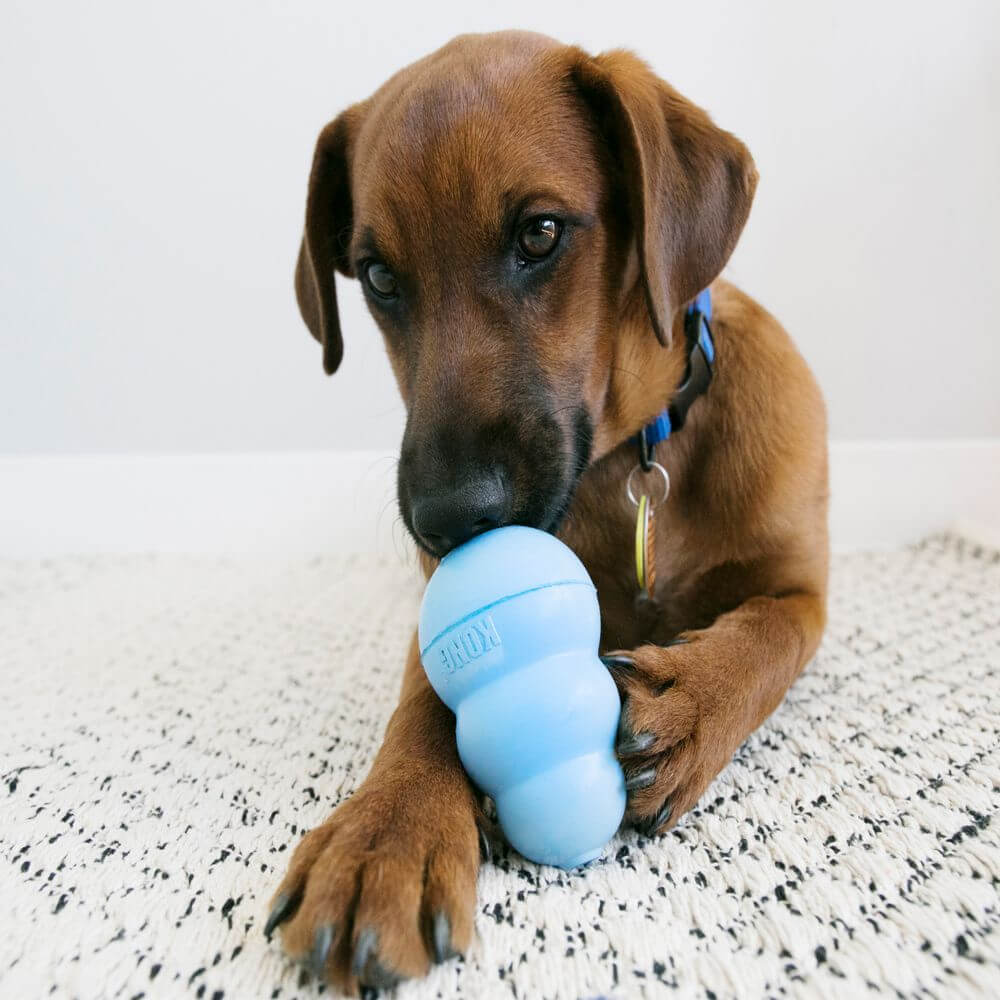
Some common reactions unintentionally strengthen guarding.
- Taking items away suddenly
This confirms the dog’s fear of losing resources. - Punishing growling
Dogs may stop warning and escalate directly to snapping. - Repeatedly testing the dog
Approaching again and again increases stress. - Crowding the dog during meals
Limited space can create pressure.
These situations teach the dog that they need to defend themselves.
What Dogs Actually Need Instead
Dogs stop guarding when they feel confident their resources are safe. Training should focus on predictability and positive associations rather than force.
When a dog learns that people approaching mean good things happen, their emotional response begins to change.
How to Stop Resource Guarding in Dogs (Step-by-Step Training)
Stopping resource guarding requires changing how a dog feels when someone approaches their food, toys, or space. Instead of expecting conflict, the dog learns to expect positive experiences.
This form of resource guarding dog training focuses on calm structure and trust.
Step 1: Create Predictable Routines
Dogs relax when life becomes predictable.
Start with simple structure:
- Feed meals in a quiet location
Choose a calm area without distractions. - Give dogs space during meals
Avoid hovering or interrupting. - Limit high-value items early on
Bones and special chews can increase tension.
Predictability lowers the dog’s need to defend resources.
Step 2: Change What Your Presence Means
Dogs often guard because they expect people to take things away. We want to reverse that idea.
Try this simple exercise:
- Walk past your dog while they eat.
- Toss a better treat into their bowl.
- Continue walking without reaching toward the food.
Over time, the dog learns that people approaching food actually make things better.
This exercise helps with food aggression in dogs and other forms of resource guarding.
Step 3: Practice Trade Games
Trading builds trust and reduces tension.
Here is a simple approach:
- Offer your dog a toy or chew.
- Approach with a high-value treat.
- Say “drop it” and offer the reward.
- When the dog releases the item, give the treat.
If possible, return the toy after the trade. This shows the dog that cooperation does not mean permanent loss.
Step 4: Teach Leave It and Drop It
These cues give dogs a clear way to cooperate.
- Leave It teaches dogs to ignore an item.
- Drop It helps dogs release something safely.
Practice these commands during calm training sessions before applying them to high-value items.
Step 5: Manage the Environment
Management helps prevent setbacks while training progresses.
Helpful strategies include:
- Feeding dogs separately in multi-dog homes
- Avoiding crowded feeding areas
- Temporarily removing high-value chews
- Supervising toy time
Management allows your dog to succeed while learning new habits.
Step 6: Know When to Get Professional Help
Some resource-guarding cases require professional guidance, especially if snapping or biting occurs.
A trainer experienced in resource guarding dog training can help create a plan that matches your dog’s temperament and history.
Early help often prevents the problem from growing.
What Progress Looks Like
Progress usually happens gradually. Owners often notice small improvements first.
- Dogs relax during meals
- Less tension when people walk nearby
- Calm trade exchanges
- Faster recovery when interrupted
Over time, dogs learn they do not need to defend their resources.
A Key Rule When Training Resource Guarding
When working to stop resource guarding in dogs, timing matters more than most people realize. One important principle from professional trainers is that the perceived threat to the resource must come before the reward.
In practical terms, the event that might normally trigger guarding, such as a person approaching the bowl or touching the bowl, should happen first. Only then should the dog receive something positive.
As explained in training guidance from the Lynchburg Humane Society, the sequence matters:
“The event (the ‘threat’ to the resource) must come before the delivery of the counter-conditioning treat. For example, in a food bowl exercise, the approach, bowl touch, or bowl removal must precede the addition of bonuses to the dish.”
If the treat appears before the approach, the dog may simply focus on the food rather than changing their emotional response to someone being near the resource.
Teaching Dogs That People Near Resources Are Safe
Ideally, this training begins early, before resource guarding behavior develops. Puppies can learn quickly that people approaching their toys or food means something good is coming.
A simple way to teach this is through trading games.
Start with something your dog values moderately, like a toy. Say a cue such as “Give” and offer a higher-value treat in exchange. When the dog releases the item, reward them immediately.
Over time you can slowly increase the value of the items used in training. The goal is for the dog to learn that letting go of resources leads to better outcomes, not loss.
This type of calm, predictable training helps prevent problems like food aggression in dogs and builds trust between dogs and their owners.
A Simple Checklist to Help You Start Today
If your dog guards food, toys, or space, having clear steps can make training easier. Many owners feel overwhelmed by conflicting advice, but the process becomes simpler when you focus on calm, predictable routines.
Our Resource Guarding Calm Training Checklist walks you through the key steps that help dogs feel safer around their resources.
The checklist includes:
- How to set up stress-free feeding routines
- Early warning signs to watch for
- Simple reward exercises that reduce guarding
- Trade and reward techniques that build trust
- When it is time to seek professional training help
When You’re Ready for Extra Support
Working through resource guarding in dogs can feel stressful, especially when you worry about making a mistake. You are not alone in that feeling.
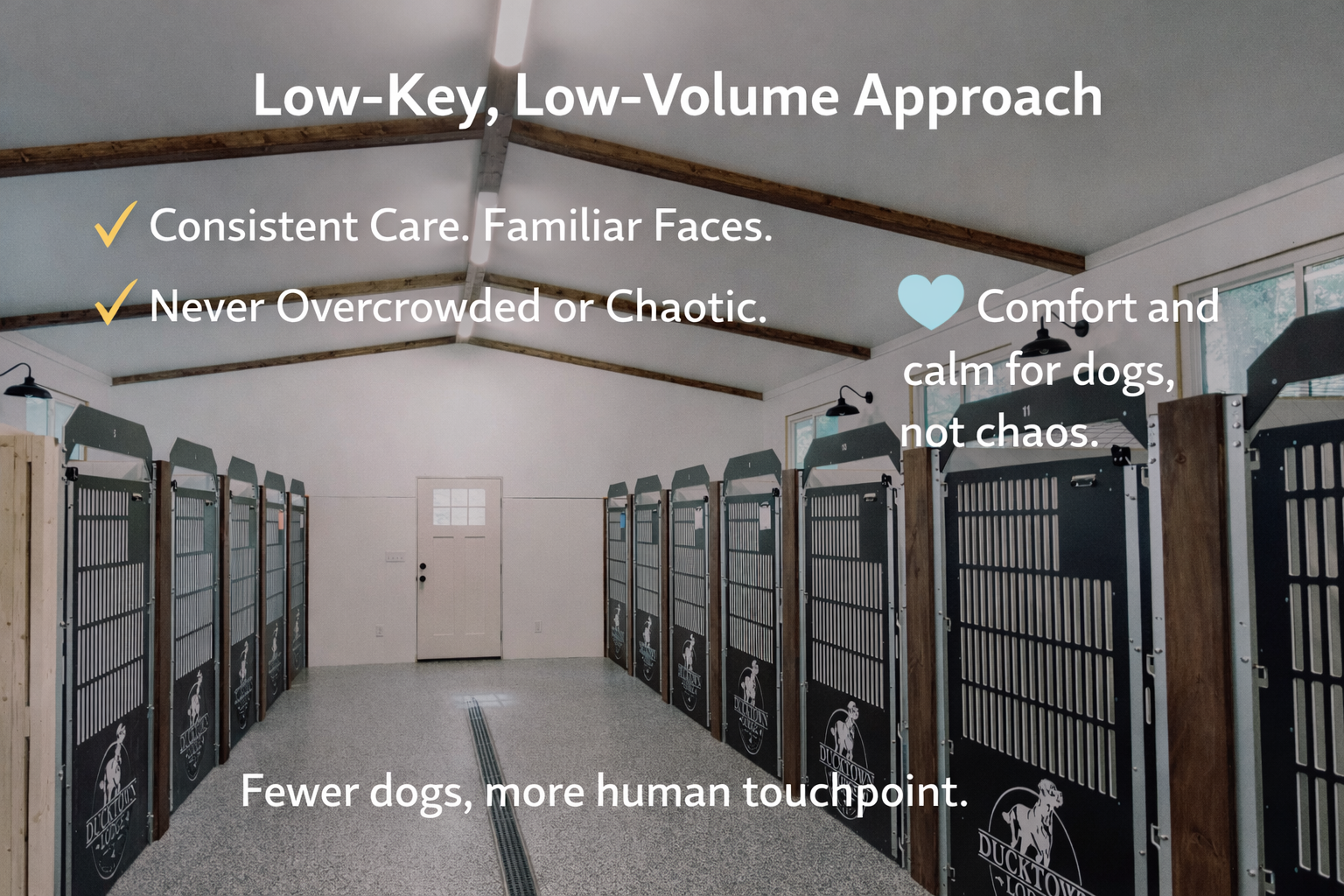
At Ducktown Lodge, we focus on calm, relationship-based dog training that helps both dogs and owners feel more confident. Some dogs simply need clearer structure and guidance in a safe environment to reset their habits.
If you want help building those foundations, reach out when you are ready. We are always happy to talk through your dog’s situation and help you decide what next steps make sense.
Let’s talk about your dog.
Ducktown Lodge
6140 Dahlonega Highway
Cumming, GA 30928
📞 (770) 733-0836
✉ hello@ducktownlodge.com