A puppy grooming checklist helps take the guesswork out of preparing your puppy for baths, brushing, nail trims, and professional grooming. When grooming routines are introduced early and calmly, puppies learn that handling and care are safe, predictable parts of life. At Ducktown Lodge, we use a puppy grooming checklist to guide owners step by step, so grooming builds confidence instead of stress and sets dogs up for lifelong success.
At Ducktown Lodge, we help many families prepare puppies for grooming success. This puppy grooming checklist is designed to guide you step by step, so grooming feels predictable and stress-free for both you and your dog.
Why a Puppy Grooming Checklist Matters
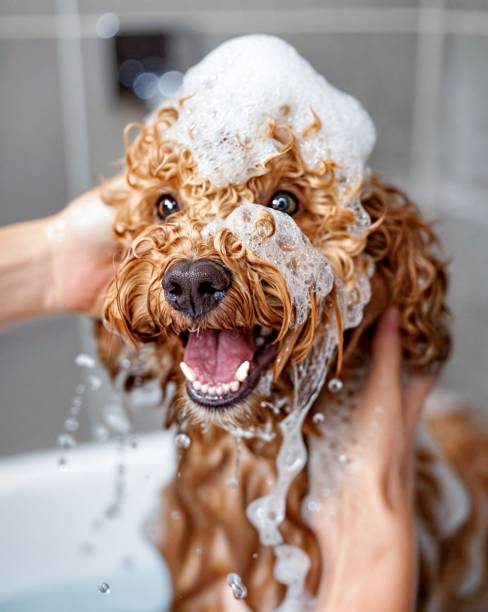
Many grooming struggles start because puppies were introduced too late or too fast. Puppies who learn early that grooming routines are safe tend to tolerate nail trims, baths, and haircuts with far less stress.
A consistent puppy grooming checklist helps:
- Reduce fear and anxiety around handling
- Prevent grooming-related behavior issues
- Support professional groomers and veterinarians
- Build confidence and trust in your puppy
This checklist is not about perfection. It is about preparation.
Puppy Grooming Checklist: What to Start at Home
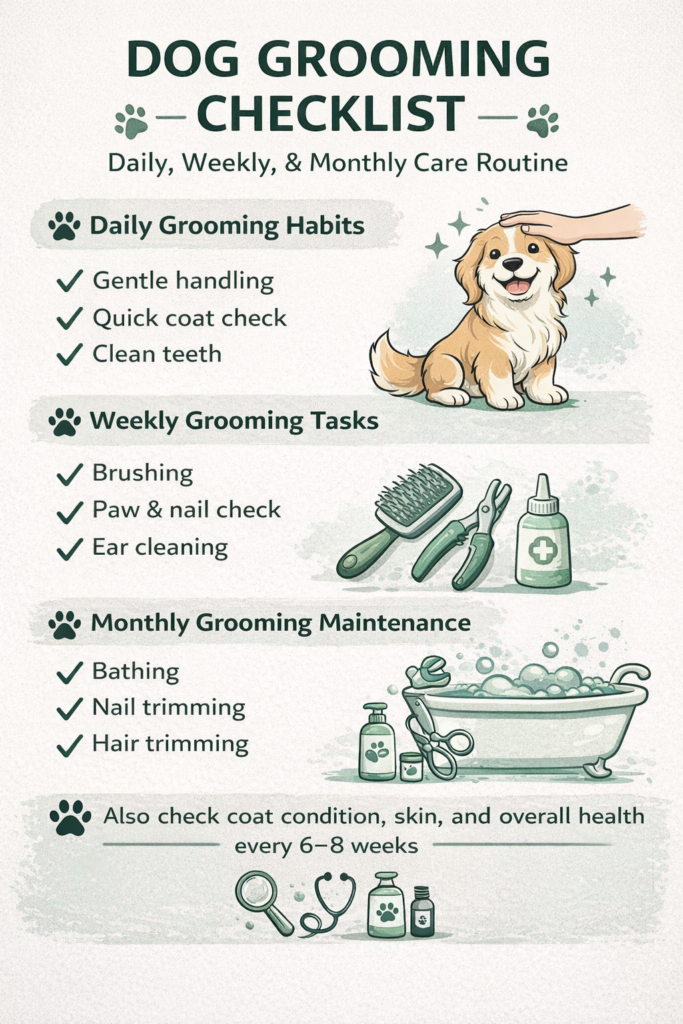
Daily Handling Foundations
Before tools ever come out, puppies need to feel comfortable being touched.
Practice daily:
- Gently touching paws
- Lifting ears and touching around the face
- Light pressure on legs and tail
- Calm full-body handling
Keep sessions short and relaxed. This is about familiarity, not restraint.
Brushing and Coat Care
Early brushing teaches puppies that grooming tools are not scary.
Include:
- Short brushing sessions a few times per week
- Praise for standing or sitting calmly
- Stopping before the puppy becomes restless
For doodle and longer-coated breeds, early brushing helps prevent matting later on.
Nail Handling Before Nail Trimming
You do not need to trim nails immediately, but puppies should learn that nail handling is normal.
Practice:
- Holding each paw
- Gently pressing nails
- Pairing handling with treats
This makes future nail trims easier and safer.
Puppy Grooming Checklist: Introducing the Bathtub Calmly
Bath time is often where fear starts if it is rushed. Puppies should be introduced to the bathtub before water is ever involved.
How to Introduce a Puppy to the Bathtub Without Water
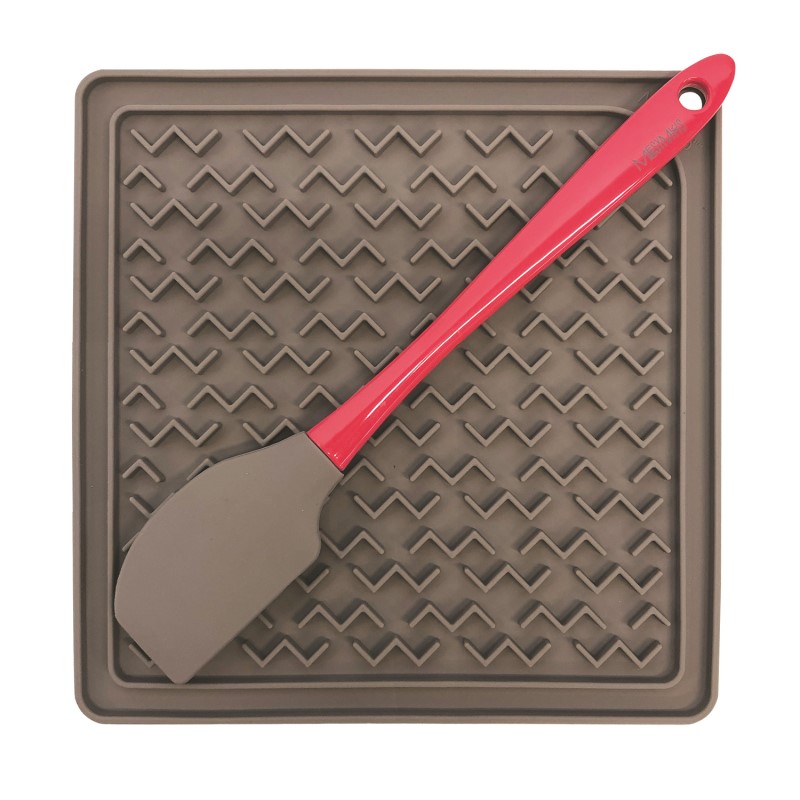
Using a lick mat is one of the easiest ways to create a positive association.
Setup
- Use an empty, dry bathtub with a non-slip surface
- Attach a suction-cup lick mat to the wall or bottom
- Spread a high-value, lickable treat on the mat
Encourage entry
- Allow your puppy to step into the tub willingly
- Help gently if needed
- Use calm verbal praise
Build a positive association
- Let your puppy finish the entire treat in the tub
- No water, no rushing, no pressure
Repeat
- Practice over several days
- Only introduce small amounts of warm water once your puppy is calm and confident
This step alone can prevent a lifetime of bath-time stress.
Puppy Grooming Checklist: First Trip to the Groomer
When Should a Puppy Go to the Groomer for the First Time
Most puppies are ready for their first professional grooming visit after completing their 16-week immunizations.
The first visit should be a puppy grooming appointment, not a full haircut. We do offer a taxi service for all of our doggie guests.
A puppy grooming visit usually includes:
- Bath
- Nail trim
- Light face and eye trim
- Sanitary trim
This visit is about exposure and experience, not style.
Puppy Grooming Checklist for Goldendoodles and Doodles
Goldendoodles and other doodle breeds require regular grooming throughout their lives. Starting early is essential.
When to Schedule the First Full Haircut
The adult coat usually begins coming in around 5–6 months of age. Many groomers recommend waiting until this transition begins before doing a full haircut.
In the meantime:
- Schedule puppy clips as needed
- Brush regularly at home
- Do not allow matting to develop
Early grooming prevents painful coat issues later.
Puppy Grooming Checklist: Ongoing Home Care
Even with professional grooming, home care matters.
Your ongoing puppy grooming checklist should include:
- Regular brushing
- Ear cleaning checks
- Tooth brushing introduction
- Nail maintenance
- Skin and coat checks
Short, calm sessions work better than long, overwhelming ones.
Puppy Grooming Checklist for Older or Nervous Dogs
Some puppies or dogs need extra support, especially if grooming was not introduced early.
When Dogs Miss Early Grooming Exposure
At Ducktown Lodge, we also work with older dogs who did not have early grooming exposure or positive handling experiences as puppies. In some cases, years of stress around grooming, handling, or confinement can lead to significant anxiety.
This is not a failure on the dog’s part. It’s often the result of missed early experiences, rushed grooming, or repeated overwhelming situations.
For some dogs, anxiety becomes so intense that grooming or handling is no longer manageable without additional support. In these cases, veterinary-guided medication may be necessary to help the dog feel safe enough to tolerate grooming or care. While medication can feel like a disadvantage, in certain situations, it is a compassionate and responsible tool that allows dogs to receive the care they need without fear.
Our goal is always the same. Reduce stress, protect the dog’s emotional well-being, and move at a pace that respects what the dog can handle.
Helpful strategies include:
- Gradual desensitization to tools
- High-value treats during handling
- Short, frequent grooming sessions
- Calm, confident handling
- Safety tools when appropriate
For dogs with significant anxiety, working with a veterinarian on calming strategies may be part of responsible care.
How Training Supports Puppy Grooming Success
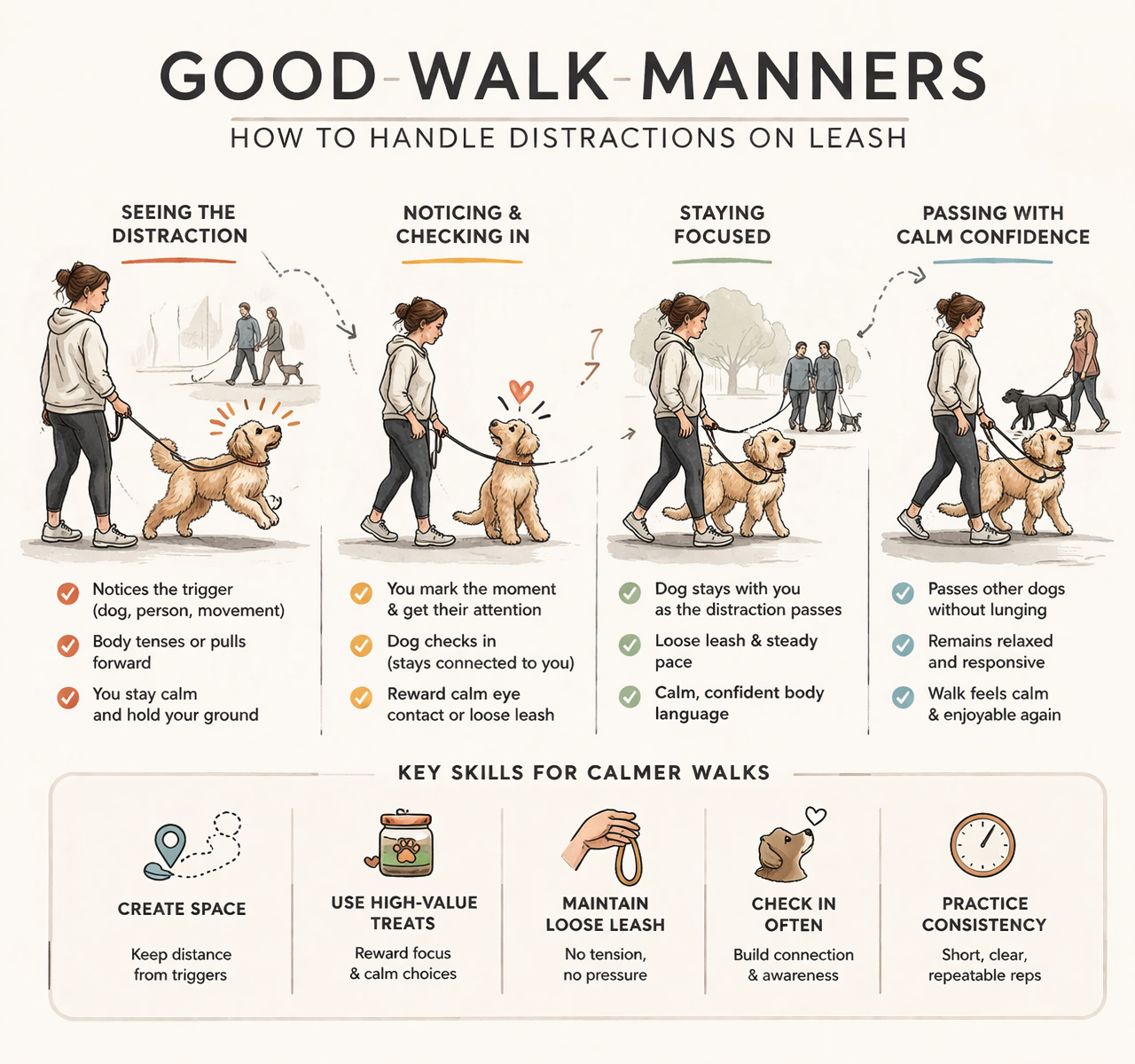
Training and grooming are closely connected. Puppies who understand how to pause, reset, and follow gentle guidance handle grooming more easily.
Teaching basic skills such as:
- Standing still
- Settling on a mat
- Accepting gentle restraint
directly supports grooming success.
We’re proud to partner with Mandy’s Pet Spa in Dawsonville, where many of our dogs continue their grooming journey in a calm, professional environment that values patience, trust, and thoughtful handling. Their approach aligns closely with how we prepare dogs at Ducktown Lodge.

The Big Picture: Calm Grooming Starts Early
Puppy grooming does not have to be stressful. With early handling, thoughtful preparation, and a consistent puppy grooming checklist, most dogs learn that grooming is just part of life.
At Ducktown Lodge, we believe calm grooming starts with education, patience, and starting young. When puppies are prepared early, grooming becomes routine instead of overwhelming.
Veterinary Care and Medical Guidance for Growing Puppies
Healthy puppies learn better, adapt faster, and handle grooming and training with more ease. Proper veterinary guidance plays a critical role in supporting puppies during their most important developmental stages.
Veterinary Care and Medical Guidance for Growing Puppies
Healthy puppies learn better, adapt faster, and handle grooming and training with more ease. Proper veterinary guidance plays an essential role in supporting puppies during their most important developmental stages.
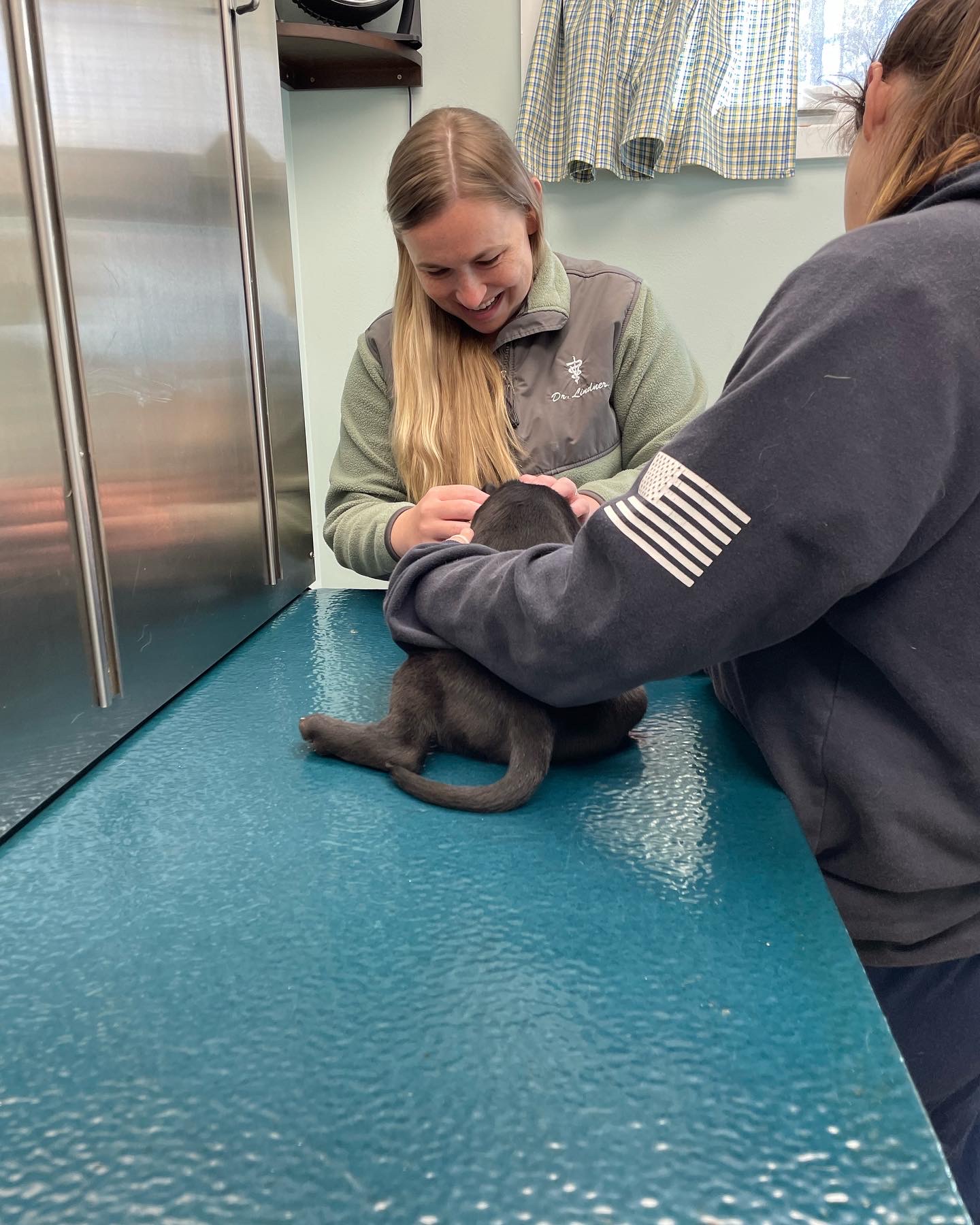
At Ducktown Lodge, we work closely with Dawsonville Animal Hospital, where Dr. Kelly Knott provides trusted medical guidance and compassionate care. Her support helps ensure puppies are physically healthy and appropriately supported as they grow, allowing training, handling, and grooming experiences to be introduced at the right pace and with confidence..
Ready to Support Your Puppy’s Grooming Journey
If you are raising a puppy and want guidance on grooming preparation, training, or early handling, Ducktown Lodge is here to help. Start with a conversation. We will meet you where you are and help you move forward with clarity and confidence. Call us for boarding and training in Cumming, GA. 770-733-0836