Dog training with distractions should never mean overwhelming a dog and hoping they learn to cope. At Ducktown Lodge, we have trained many dogs through structured programs, and what we want most for them is a successful transition back into real life. That means a slow, intentional integration into real-world environments — not immediate immersion into chaos.
Group dog training classes, when designed correctly, can be the bridge between one-on-one training and everyday life. When designed poorly, they can undo progress. The difference comes down to how distractions are introduced and whether learning is prioritized over endurance.
Structured dog training with distractions works when the environment supports the dog’s nervous system. Safe distraction allows dogs to process information, build focus, and stay emotionally regulated instead of reacting under pressure.
Why “Distraction Training” Is Often Misunderstood
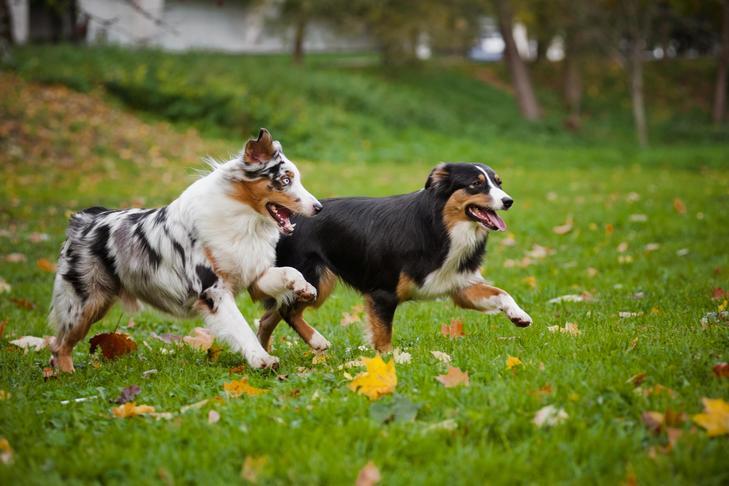
Many owners search for dog training around other dogs, believing that the busiest class must be the most effective. More dogs, more movement, more noise — it looks realistic. But realism without structure often creates confusion, not clarity.
Distraction training is meant to teach dogs how to stay present in stimulating environments. What it often becomes instead is uncontrolled exposure. Dogs are asked to perform skills they technically know while surrounded by pressure they are not prepared to manage.
When this happens, owners are left asking why their dog “knows it at home” but falls apart in class. The problem isn’t the dog. It’s the setup.
What most people picture when they hear “train around distractions.”
In many group dog training classes, distraction training looks like:
- Dogs positioned too close together
- Constant movement with no purpose
- Little space to recover or reset
- Trainers observing instead of intervening
In these environments, dogs aren’t practicing focus. They’re practicing coping. And coping is not the same as learning.
Matching Rewards to Distraction Levels
Training around distractions means competing with the environment — and the environment often has a head start. Smells, movement, other dogs, and novelty can be incredibly rewarding to a dog. If what’s happening around them is more interesting than what you’re offering, they’ll choose the environment every time.
That doesn’t mean your dog is stubborn. It means the reward doesn’t match the difficulty of the moment.
Effective dog training with distractions requires adjusting rewards as the environment becomes more challenging. A quiet space might only require simple reinforcement. A busy environment requires something better — something that makes engagement worth the effort.
If a dog is choosing to sniff the ground, watch another dog, or scan the room instead of responding, that information matters. It tells us the environment is currently more rewarding than the handler. Good training doesn’t fight that reality — it works with it.
Better rewards create better choices
Dogs repeat behaviors that feel rewarding. When distractions increase, the value of the reward has to increase as well.
That can look like:
- Higher-value food instead of everyday kibble
- Interactive rewards like play or tug
- Timely reinforcement that happens before the dog checks out
When the handler consistently becomes the most rewarding option in the room, dogs start choosing engagement over distraction — not because they’re forced to, but because it pays off.
Adjusting Distractions Instead of Repeating Cues
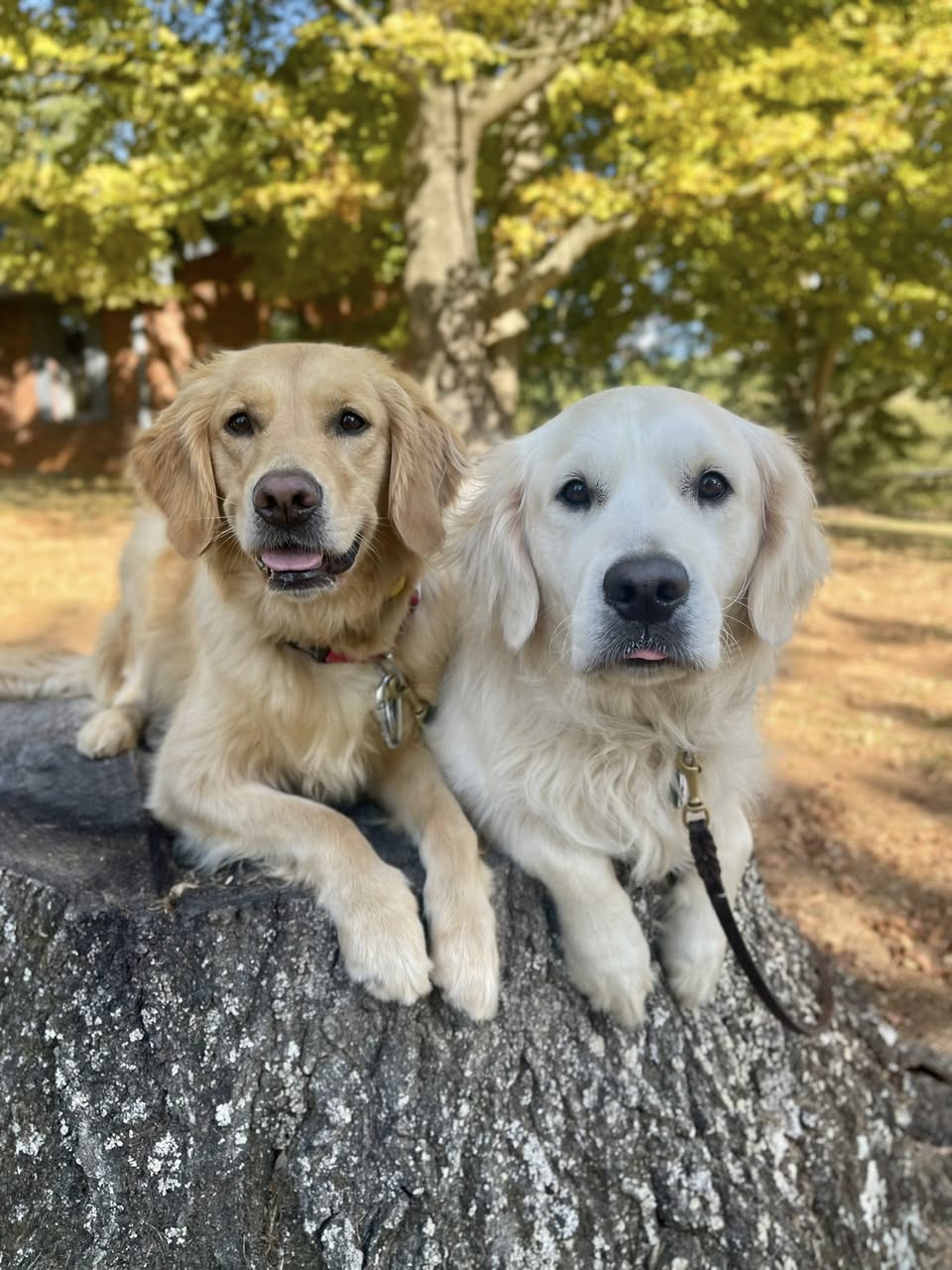
When training around distractions, success depends less on how many times you ask and more on whether the environment supports the dog’s ability to respond. If your dog can’t do the behavior you’re asking for, the answer isn’t to repeat the cue. It’s to lower the level of distraction.
Repeating cues teaches dogs that the first ask doesn’t matter. Over time, that erodes clarity and slows progress. Clear training means asking once — and then adjusting the setup so the dog can get it right.
That adjustment might mean:
- Increasing distance from the distraction
- Reducing movement in the environment
- Simplifying the picture before trying again
When the environment changes, the dog’s ability to succeed changes with it.
One clear ask builds understanding
Dogs learn fastest when expectations are consistent. Asking once, then helping the dog succeed, keeps communication clean and predictable. Instead of escalating pressure, we bring the difficulty back to a level the dog can handle.
This is especially important in dog training with distractions, where too much stimulation can make even well-known behaviors temporarily unavailable. Lowering the distraction protects the behavior and reinforces understanding.
Practicing for real life moments
The goal of distraction training isn’t perfection in class — it’s reliability in everyday situations.
A common example is the doorbell. We want a dog to stay in position while the doorbell rings and the door opens. That doesn’t start with full intensity. It starts with a controlled version the dog can succeed with, then builds gradually.
By adjusting distractions instead of repeating cues, dogs learn how to hold behavior as the environment changes — not because they’re forced to, but because the setup makes success possible.
This approach builds confidence, clarity, and follow-through — the same qualities dogs need to navigate real life calmly.
Why the Right Training Treats Matter More Than You Think

When training in real-world environments, rewards need to do two things at once: keep your dog engaged and keep the session moving. That’s why the size and type of treat matters just as much as the value.
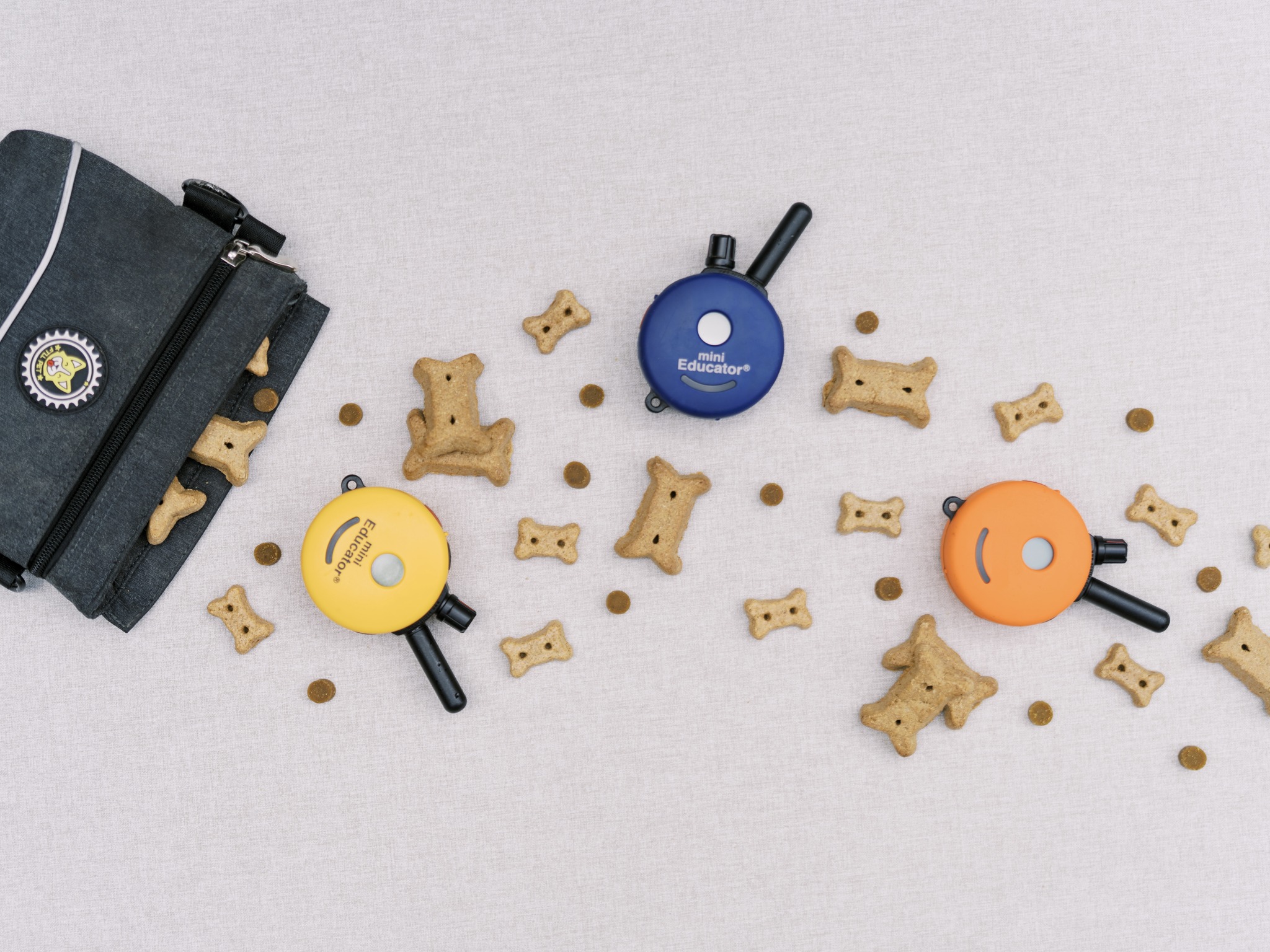
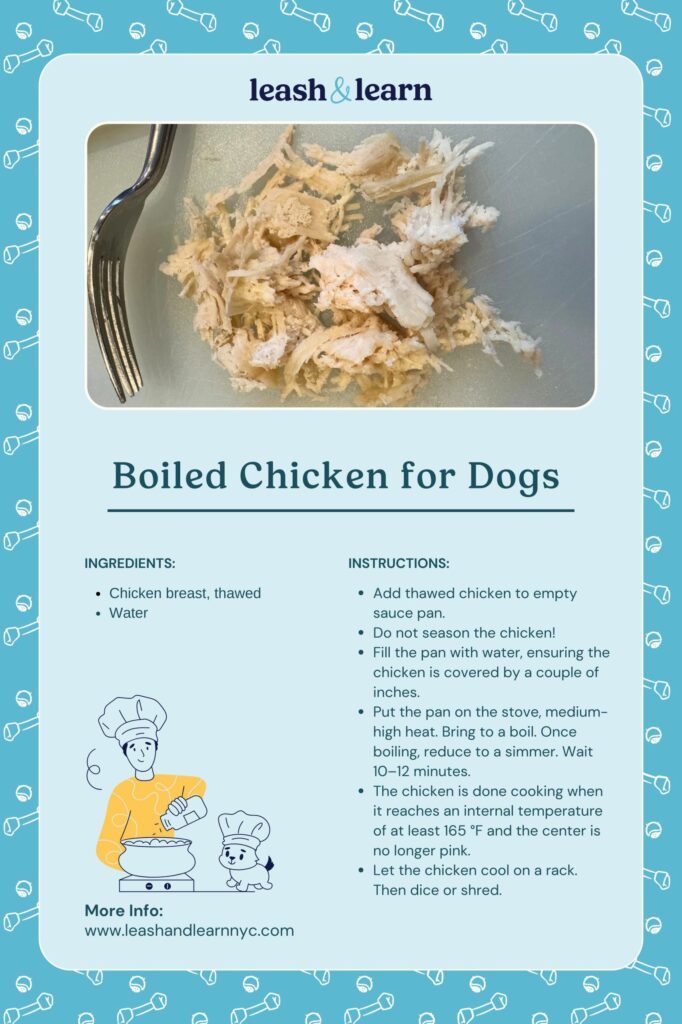
Small dog treats are key to effective training — even for large dogs. In most cases, a pea-sized piece is more than enough to reinforce behavior without slowing momentum. For small dogs, rewards should be even smaller. Oversized treats may seem generous, but they interrupt flow and can cause dogs to disengage while chewing or sniffing for crumbs.
Many commercial dog treats are far too large for training. The best option is either choosing naturally small treats or cutting larger ones into tiny pieces before your session begins. This allows you to reward frequently without overfeeding or breaking focus.
High-value treats that support distraction training
When distractions increase, food rewards need to be motivating without becoming cumbersome. Freeze-dried, single-ingredient treats work especially well because they’re:
- Easy to break into tiny pieces
- Highly appealing without being messy
- Fast for dogs to eat and return to work
For example, something like freeze-dried beef liver training treats can be broken into multiple rewards while still holding strong value in distracting environments. 👉
Using small, high-value rewards allows dogs to stay engaged without losing rhythm — which is especially important in structured group classes where timing matters.
Reward size protects focus and follow-through
Training is most effective when reinforcement happens quickly and consistently. When treats are too large, sessions slow down. When they’re appropriately sized, dogs stay present and responsive.
This matters even more in dog training with distractions, where engagement can slip quickly if reinforcement isn’t timely. Small, high-value treats help handlers reinforce good choices in the moment, making it easier for dogs to choose focus over the environment.
The right rewards don’t distract from training — they support it.
Training grounded in proven standards
At Ducktown Lodge, our training approach is built on thoughtful structure, clear communication, and best practices that support both learning and emotional stability. As an AKC breeder committed to responsible standards, we follow American Kennel Club guidelines that emphasize humane training, appropriate reinforcement, and long-term success — not quick fixes.
Dog Training Environments That Are Safe
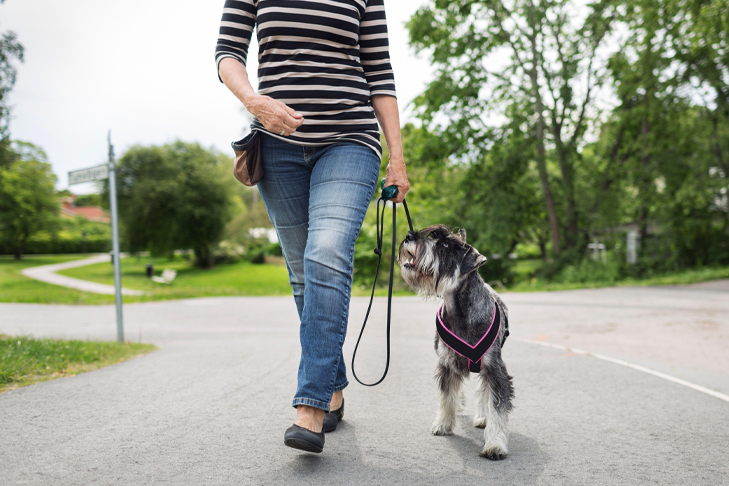
Chaos doesn’t always look dramatic. Sometimes it looks like a room full of dogs “getting through it.” But to a dog, chaos means unpredictability.
Chaos happens when:
- The proximity between dogs is unmanaged
- Movement is constant and uncontrolled
- Expectations change moment to moment
- Dogs are left to self-regulate under pressure
From the dog’s perspective, there is no clear path to success. The nervous system stays activated, which pushes the brain into reaction mode.
Why does chaos create emotional reactions instead of learning
When dogs feel pressured, they don’t process information — they react. This is when owners see:
- Fixation on other dogs
- Barking or lunging
- Ignoring cues they normally understand
- Dogs shutting down or mentally checking out
These behaviors aren’t failures. They’re signs that the environment is asking too much, too fast.
Allowing dogs to “work it out” in this state doesn’t build confidence. It releases stress.
What Safe Distraction Really Means in Dog Training

Safe distraction dog training is intentional by design. Nothing is accidental. Exposure is planned, pressure is layered slowly, and dogs are guided through the experience instead of left to manage it alone.
Safe distraction allows dogs to notice the environment without being consumed by it.
The three pillars of safe distraction training
Space control
Distance gives dogs room to think. Proper spacing prevents fixation and supports emotional regulation.
Movement control
Movement has purpose. Stillness is used intentionally. Dogs learn that motion doesn’t mean chaos.
Engagement control
Dogs are given clear jobs. Engagement keeps the environment from becoming the most rewarding thing in the room.
When these elements are in place, dogs can process information instead of reacting emotionally.
Learning vs Endurance in Group Dog Training Classes
Many classes rely on endurance. Dogs are expected to tolerate stimulation until they “settle.” Success is measured by survival, not skill.
Learning-based group dog training looks different.
- Pressure is adjusted when a dog struggles
- Space is added instead of withheld
- Exercises change to support focus
- Trainers stay actively involved
In these environments, dogs aren’t pushed through stress. They’re taught how to work through it.
Owners can feel the difference. Learning-based classes feel calmer, clearer, and more supportive — even when distractions are present.
Why Ducktown’s Group Dog Training Is Different
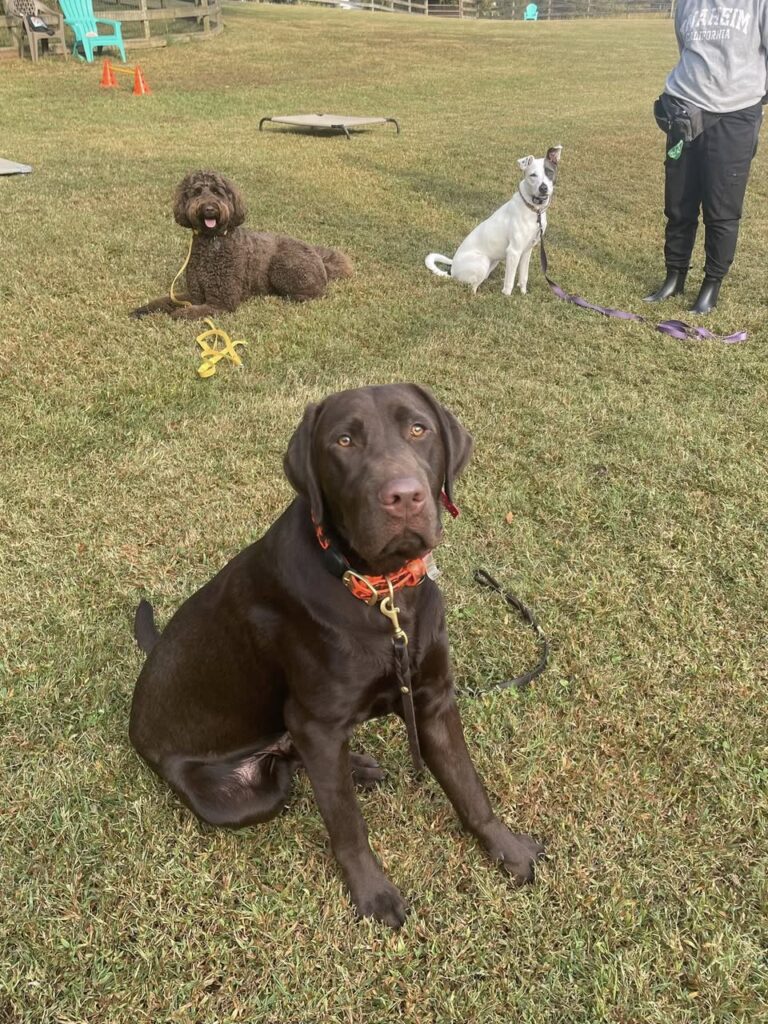
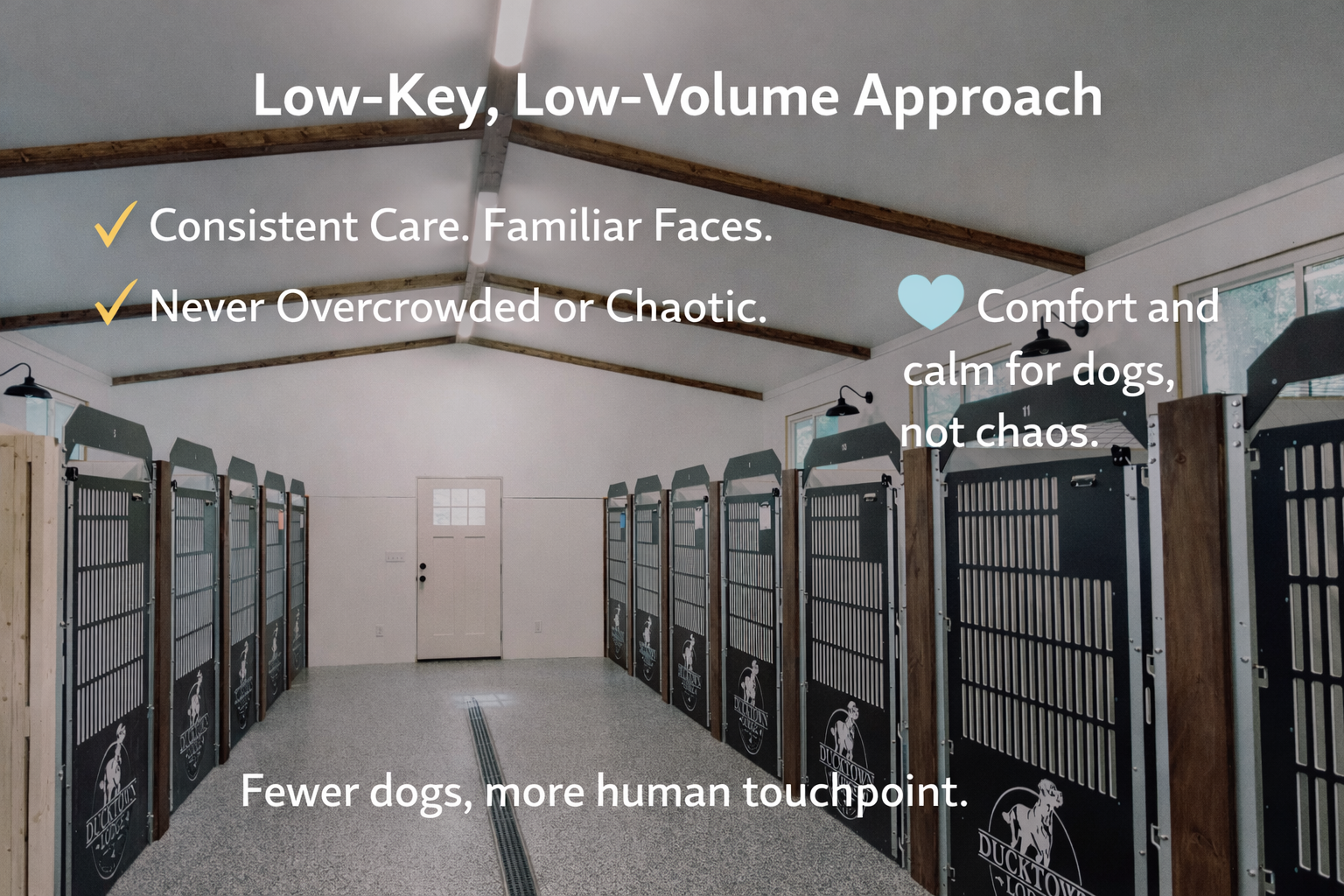
Ducktown’s group dog training classes in Cumming, GA are intentionally low volume. There are never too many dogs in the room, because learning requires space and individual attention.
Every dog enters group class with a one-on-one training foundation already in place. Group class is not where dogs are expected to figure things out for the first time. It’s where they practice known skills in a carefully structured environment.
Low-volume group dog training by design
Smaller classes allow for:
- Real-time adjustments for each dog
- Early intervention before stress escalates
- Trainers guiding instead of crowd-managing
- Dogs feeling seen, not managed
Dogs are not allowed to rehearse unwanted behavior
Fixation, stress signals, and disengagement are addressed early. Distance is adjusted. Focus is redirected. Setups change when needed.
This prevents unwanted behaviors from becoming habits and protects the training dogs have already worked hard to build.
How Dogs Learn to Work Around Other Dogs
With structured group dog training, dogs learn neutrality — not suppression. They learn they can notice other dogs without reacting.
Progress often looks subtle:
- A dog glances at another dog, then looks back to their handler
- Faster recovery from excitement
- Softer body language
- Improved focus in real-world environments
These are signs of true learning.
Dogs leave class mentally satisfied, not overwhelmed. Owners leave feeling supported instead of stressed.
Group Classes After Board and Train: Why Follow-Through Matters
Group classes after board and train graduation are one of the most important — and often overlooked — parts of long-term success. Board-and-train is not the finish line. It’s the foundation that everything else is built on.
The dogs who thrive most after training are not the ones who “move on” the fastest. They are the ones whose families stay engaged and follow through with structure, practice, and support.
Group dog training as aftercare, not an add-on
After board and train, dogs are clear. They understand expectations. They know how to engage, respond, and regulate themselves. What they need next is guided practice in real-world environments — not sudden exposure to chaos.
Structured group dog training after board and train provides that bridge.
In low-volume group classes, dogs are able to:
- Practice training around other dogs in a controlled setting
- Reinforce focus and neutrality without pressure
- Generalize skills beyond the training environment
- Strengthen communication with their handler
This type of follow-through protects the training instead of testing it.
The most successful board-and-train students follow through
The common thread among the most successful dogs is not temperament or age — it’s follow-through.
Preparation, consistency, and follow-through are what protect the training and help dogs thrive long term.
That means:
- Preparing dogs for new environments instead of rushing exposure
- Staying consistent with expectations across settings
- Following through with structured practice and support
Group classes give owners a clear, supportive way to do exactly that.
Ongoing communication supports lasting results
At Ducktown, aftercare is part of the process — not something handed off at pickup. We stay in communication so owners don’t feel like they’re guessing or second-guessing themselves.
Our group classes are supported by:
- Clear take-home plans
- Ongoing trainer communication
- Guidance that adapts as your dog grows
We focus on aftercare so you feel confident moving forward, not overwhelmed.
You don’t just leave with a trained dog. You leave with a plan — and the support to carry it out.
Ready for Group Dog Training Without Chaos?
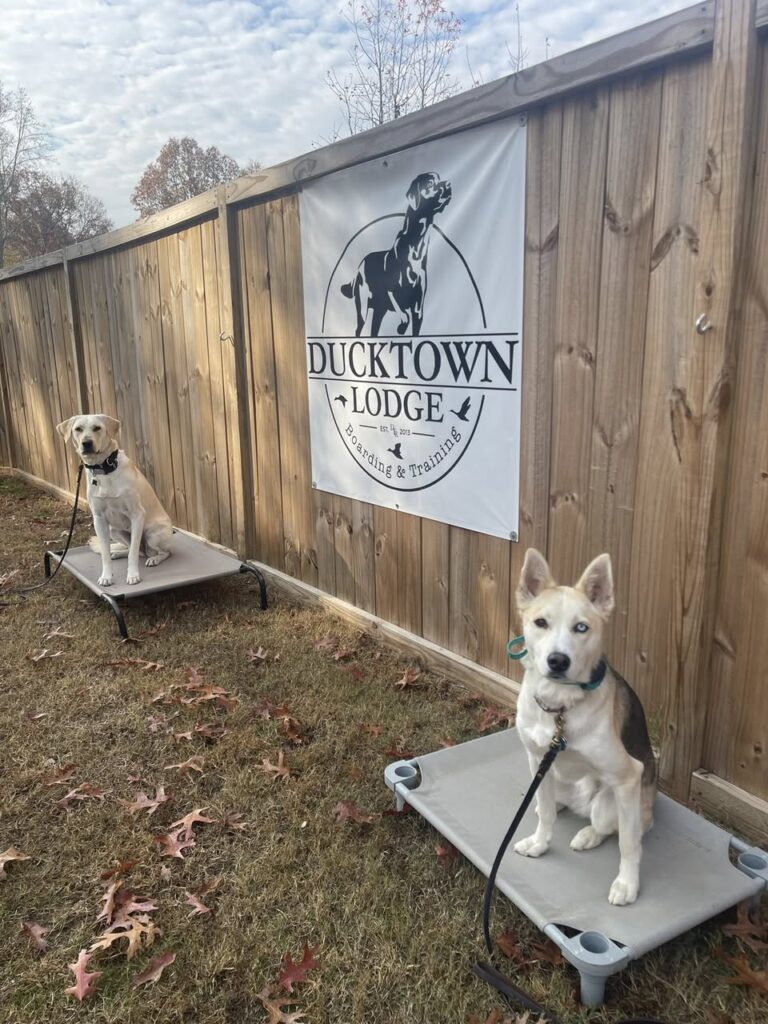
If you’ve been searching for:
- dog training with distractions that actually works
- structured group dog training near me
- group dog classes without chaos
- dog training around other dogs that feels calm and supportive
You don’t have to settle for crowded, overwhelming classes.
At Ducktown Lodge, we believe real progress comes from clarity, not pressure. Our low-volume group classes and one-on-one foundations are designed to help dogs thrive — not just survive.
Start with a conversation.
Tell us about your dog. Ask your questions. We’ll help you decide what makes sense next.
Ducktown Lodge
Cumming, GA
📞 (770) 733-0836
✉️ hello@ducktownlodge.com
You don’t have to rush. We’ll be here when you’re ready.