Why Basic Obedience Is About More Than Good Behavior
Basic obedience training for dogs is not about creating a robot. It is about building a shared language. When your dog understands what you are asking, daily life feels smoother. Mornings feel calmer. Walks feel easier. Your home feels more settled.
Basic obedience training for dogs builds clear communication and safer behavior. Focus on sit, down, come, stay, and leash skills. Keep sessions short, stay consistent, and reward effort. Clear structure reduces stress, improves recall, and builds trust between you and your dog.
What This Post Will Help You Do
We are going to walk through the core skills every dog should know, how to teach them without tension, and when it makes sense to get extra support, like a board-and-train dog training session. If you want a calmer dog and more confidence in your own leadership, this is for you.
What Basic Obedience Training for Dogs Really Means
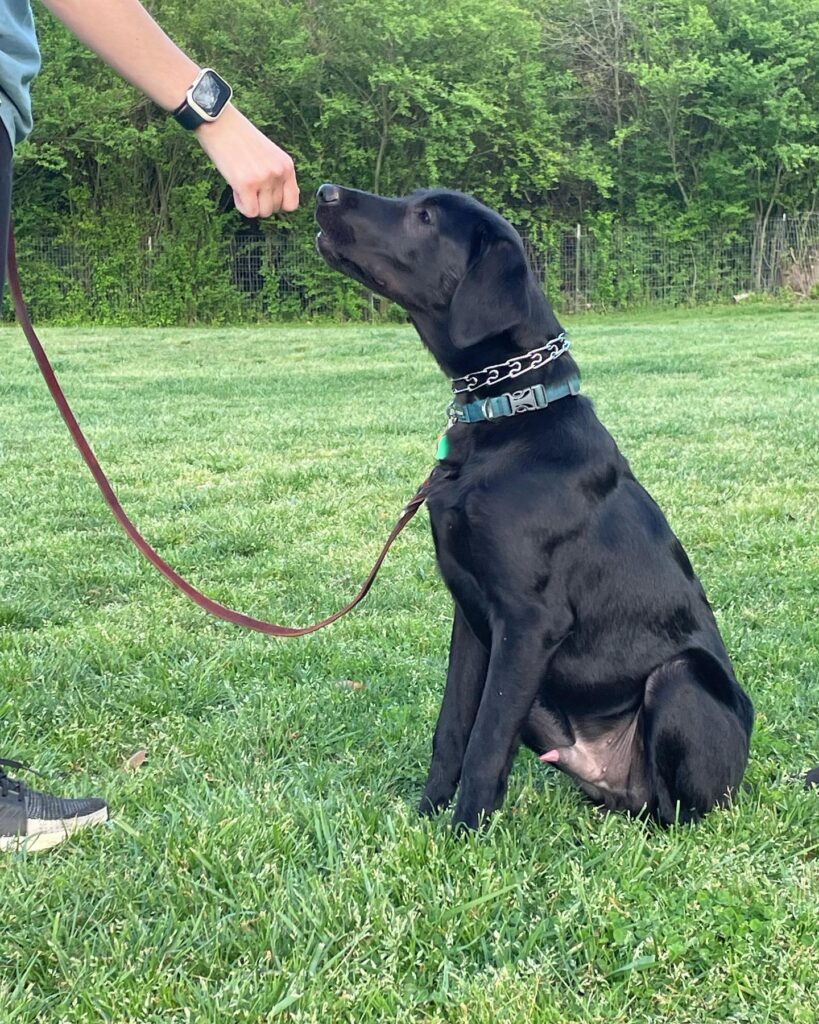
Basic obedience training for dogs is not about dominance or control. It is about clarity. When your dog knows what “sit” means every single time, life gets easier. When “come” actually works, safety increases. When leash pressure has meaning, walks stop feeling like a tug of war.
Dog obedience training should create structure without stress. It should make your dog feel more secure, not more confused.
Obedience Is Communication, Not Control
Dogs are not trying to be difficult. They are trying to figure out what works. If jumping works, they jump. If pulling works, they pull. If ignoring recall works, they ignore it.
Basic obedience training gives them a better option.
Clear cues.
Clear follow-through.
Clear rewards.
When expectations are predictable, dogs relax. And when dogs relax, behavior improves naturally.
Why Foundational Dog Obedience Training Matters at Any Age
It is never too early. And it is never too late.
- Puppies need direction early. Structure builds confidence.
- Adult dogs can reset. Inconsistent habits can be reshaped.
- Older dogs benefit from clarity. Calm routines reduce anxiety.
Basic obedience training for dogs is not a phase. It is a foundation. Whether your dog is six months or six years old, structure creates steadiness.
The Emotional Shift Owners Notice
Most people expect training to change the dog. What surprises them is how much it changes them.
You stop repeating yourself.
You stop negotiating.
You stop feeling embarrassed on walks.
Instead, you start feeling capable.
That confidence changes the tone of your entire home.
Core Skills in Basic Obedience Training for Dogs That Change Daily Life
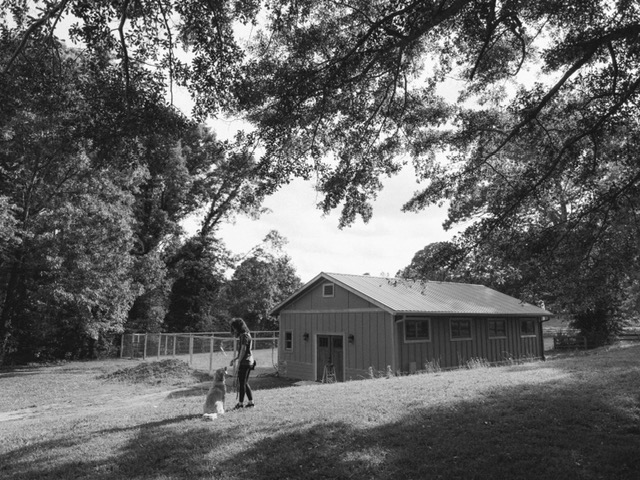
Dog obedience training is not about collecting commands. It is about installing anchors. These are the skills that steady your dog when life gets busy, loud, or distracting.
When basic obedience training for dogs is done well, these skills do more than impress people. They protect your dog. They lower stress. They create rhythm inside your home.
Let’s break them down.
Sit and Down as Foundations of Impulse Control
Sitting down is not a party trick. They are reset buttons.
When your dog can sit before meals, before going outside, or before greeting someone, you are teaching patience. When your dog can lie down and stay there calmly, you are teaching regulation.
Common mistakes owners make:
- Repeating the cue over and over
- Physically pushing the dog into position
- Rewarding sometimes but not consistently
Clear cue. One time. Follow through calmly. Reward the right choice.
That is where confidence begins.
Come When Called and Why Recall Is Safety
Recall is not optional. It is protection.
A reliable “come” keeps your dog safe near roads, wildlife, or open spaces. But recall does not start in chaos. It starts in quiet environments.
Build it slowly:
- Start indoors with minimal distractions
- Reward heavily when your dog comes
- Increase distractions gradually
- Never punish your dog for coming late
Basic obedience training for dogs should build recall in layers. Reliability grows through repetition, not pressure.
Loose Leash Walking Without the Daily Battle
If your dog pulls, it is not stubbornness. It is clarity. The leash has never meant anything other than what it is.
Dog obedience training teaches position and engagement.
Instead of dragging your dog back, teach them where the reward lives. Beside you. Checking in. Walking with intention.
When leash walking improves, something else happens too. Your stress drops. Walks become connection instead of correction.
Place and Stay for Structure Inside the Home
Place is one of the most underrated tools in basic obedience training for dogs.
It gives your dog a job during:
- Door knocks
- Visitors entering
- Meal prep
- Family gatherings
But duration must grow gradually. Seconds become minutes. Minutes become calm confidence.
Routine supports emotional stability and better decision-making in dogs
Dogs should know when they are done working. Dogs thrive on routine. Predictable feeding times, walks, rest periods, and training sessions help lower anxiety and improve behavior. When the daily structure stays consistent, obedience becomes easier because your dog knows what to expect. The Atlanta Humane Society highlights how routine supports emotional stability and better decision-making in dogs. Structure is not restrictive.
What These Skills Actually Give You at Home
When dog obedience training is done right, life shifts in very practical ways:
- Calmer mornings. No chaos at the door. No jumping during coffee.
- Safer outings. Recall works. Leash pressure makes sense.
- Less yelling. You stop repeating yourself.
- More connection. Your dog looks to you instead of ignoring you.
Basic obedience training for dogs is not about perfection. It is about peace of mind.
And that peace changes everything.
How to Approach Dog Obedience Training the Right Way

Basic obedience training for dogs should feel steady. Not intense. Not dramatic. Just clear.
When people search for dog training near me, they often feel overwhelmed. So many methods. So many promises. What actually matters is this: does the training create clarity without stress?
The right approach builds a structure that feels safe.
Short Sessions Build Better Results
Dogs learn best in short, focused bursts.
Five to ten minutes.
One or two skills at a time.
End on success.
Long sessions create fatigue. Fatigue creates mistakes. Mistakes create frustration.
Basic obedience training for dogs works best when your dog stays engaged and confident.
Consistency Beats Intensity Every Time
You do not need to be louder. You need to be clearer.
That means:
- Same word every time
- Same expectation every time
- Same follow-through every time
If cues change, dogs hesitate. When cues stay consistent, dogs relax.
Dog obedience training is less about force and more about predictability. Consistency is what makes dog obedience training stick. Dogs do not generalize well, which means a command has to mean the same thing every time, in every setting. If the rules change based on mood, location, or who is holding the leash, progress slows down. As the American Kennel Club explains in its guide on consistency in dog training, predictable expectations help dogs learn faster and feel more secure. Clear patterns build confident behavior.
Clear Communication Builds Confidence
Good training pairs reward with accountability. When your dog makes the right choice, they are reinforced. When they make the wrong one, they are calmly redirected.
That balance removes confusion.
In structured programs like board and train dog training, this communication is practiced daily in real situations. Dogs learn not just what to do, but how to respond under distraction.
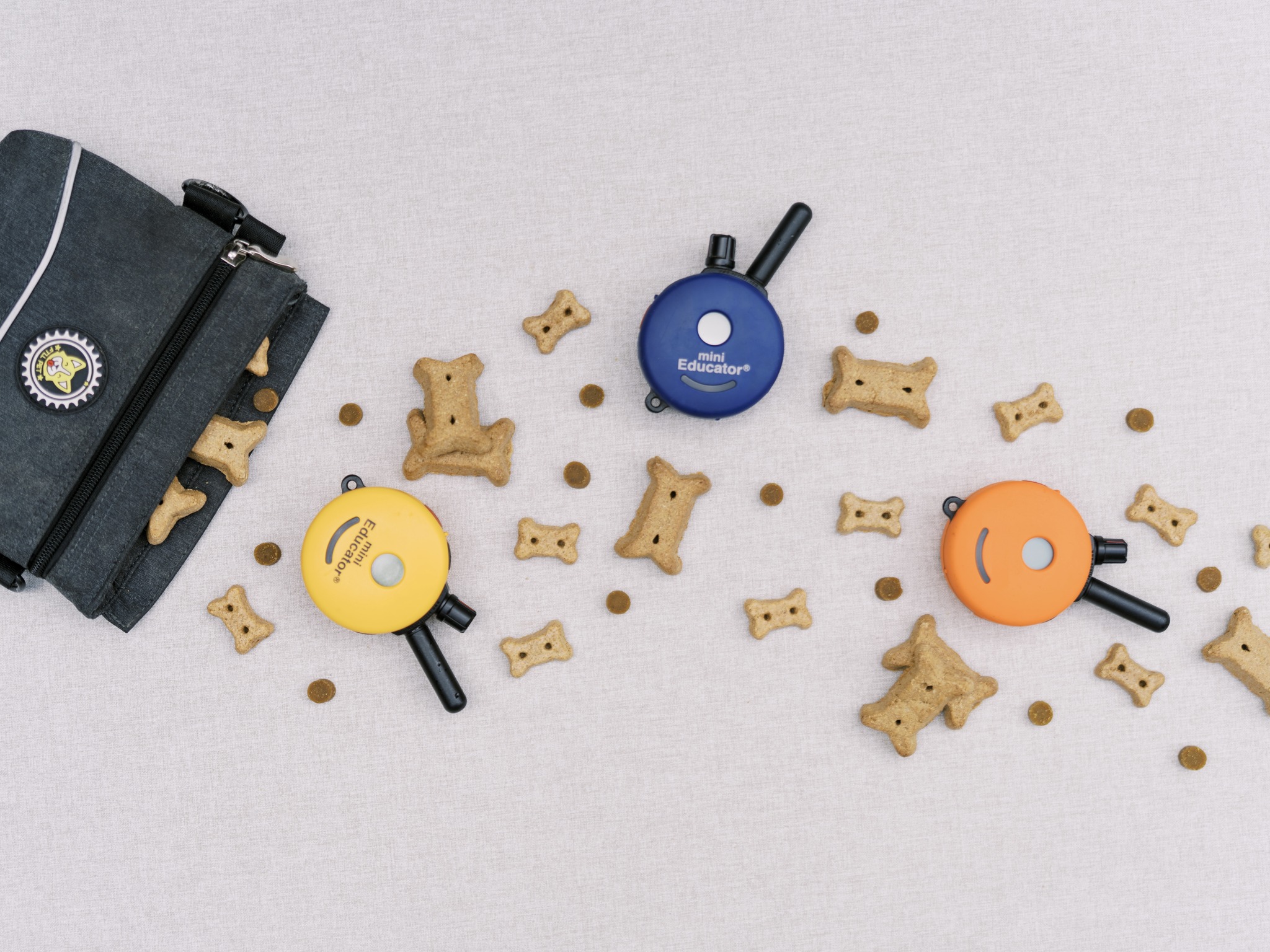
The tools are never the point. Clarity is the point.
When your dog understands the rules of the game, stress drops. Behavior improves because the path forward is obvious.
What Good Dog Obedience Training Should Feel Like
When basic obedience training for dogs is working, it feels:
- Clear. Your dog knows what earns a reward.
- Calm. No yelling. No chaos.
- Repeatable. Progress builds day by day.
- Supportive. You feel guided, not judged.
Training should make your life easier. Not heavier.
When clarity improves, confidence follows.
When Basic Obedience Training for Dogs Is Not Enough
Basic obedience training for dogs creates a strong foundation. But sometimes the foundation alone is not enough.
Some dogs need more repetition. More structure. More accountability. Not because they are bad. Not because you failed. But because real life is distracting.
If dog obedience training feels inconsistent despite your effort, it may be time to look at more immersive support.
Signs Your Dog Needs More Structure
- Pulling continues despite practice.
- Recall is unreliable.
- Overstimulation in public.
- You feel frustrated.
These are not failures. They are signals that clarity needs strengthening.
How Board and Train Dog Training Helps
Board and train dog training works because of immersion.
Instead of practicing once a day, your dog practices all day. Structure becomes routine. Expectations stay consistent. Distractions are introduced gradually and intentionally.
This is not about boot camp intensity. It is about daily consistency.
Off-Leash Dog Training and Responsibility
Off-leash dog training is not about showing off. It is about safety and trust.
Freedom without structure is risky.
Freedom with clarity is powerful.
When off-leash training is done properly, your dog chooses connection.
Who Board and Train Dog Training Is Best For
- Busy families.
- Dogs who need a reset.
- Owners who want coaching.
Seeking support is not a weakness. It is a responsibility.
How to Choose the Right Dog Training Near Me
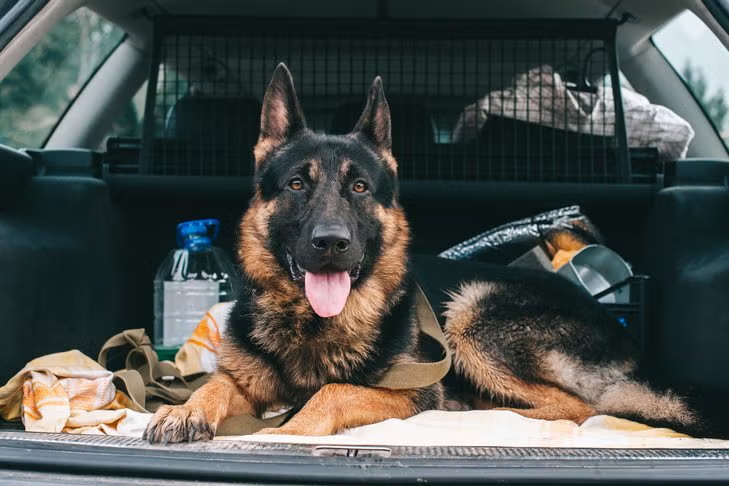
When you search for dog training near me, you will see bold promises. Fast results. Big guarantees.
Training is not about marketing. It is about method and environment.
Ask direct questions. Look for consistency. Choose calm over flashy.
Environment matters. Repetition matters. Relationship matters.
Building a Dog Who Understands You Through Basic Obedience Training
Basic obedience training for dogs is about understanding.
Small sessions add up.
Clear expectations compound.
Consistency creates confidence.
Life feels calmer. Walks feel smoother. Off-leash moments feel safer.
You are not managing chaos. You are communicating.
That rhythm builds trust.
You Do Not Need a Perfect Dog. You Need Clear Support.
If you are looking for relief, not perfection, you are in the right place.
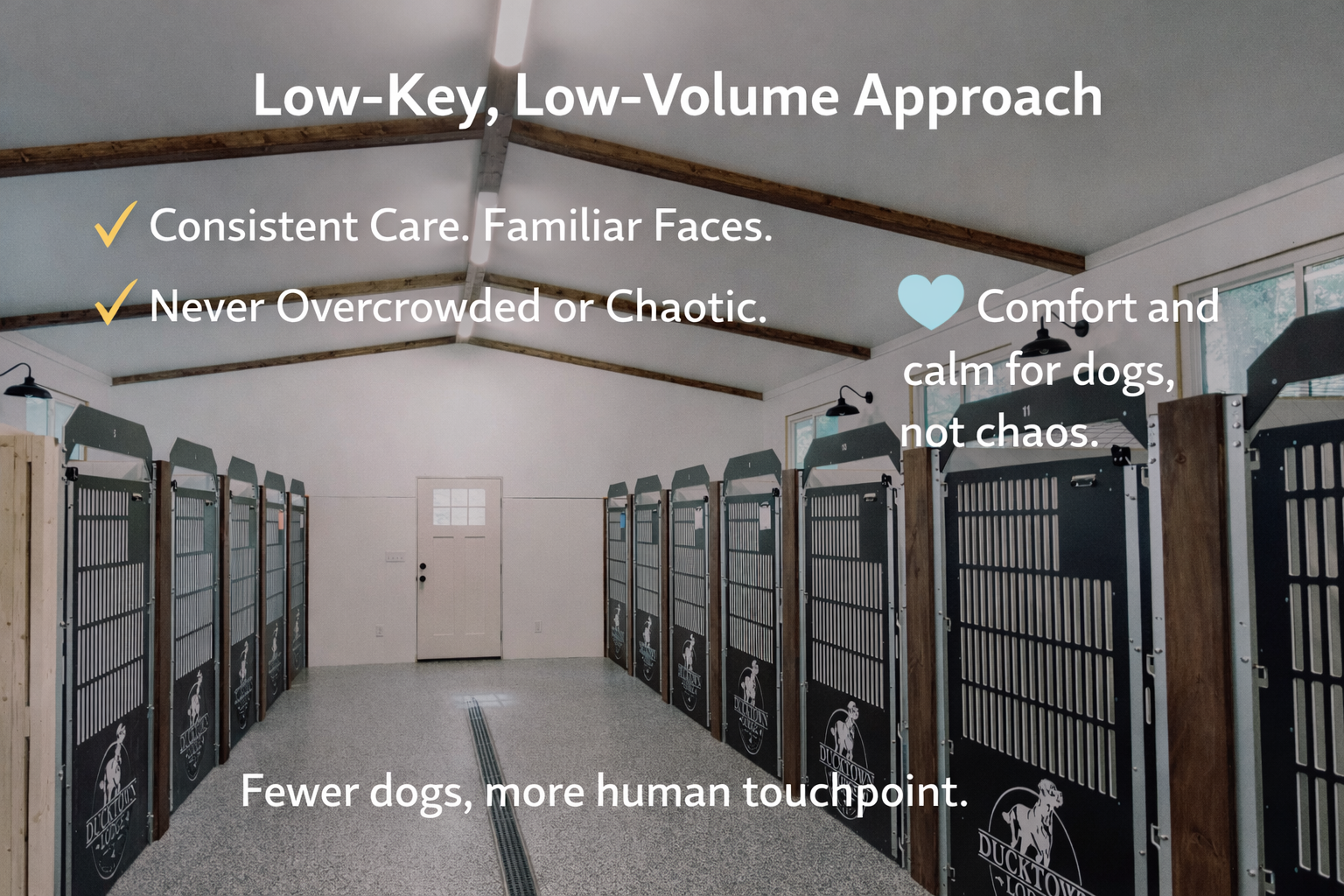
At Ducktown Lodge, dog obedience training and board and train dog training are built around clarity and relationship. Fewer dogs. More presence. Real follow-through.
Calm. Clear. Connected.
Let’s talk about your dog.