Have you noticed how your dog listens well in one setting?
Yet they forget what they’ve learned when the kids run through the house.
That distraction can appear even during dog training at home.
There’s a reason for that.
At Ducktown Lodge, we often remind families that we are either training or untraining. Every interaction with your dog is an opportunity to reinforce good habits or unintentionally encourage unwanted ones. This is an essential part of dog training at home.
But here’s something that often gets overlooked: your dog’s environment plays a huge role in their behavior.
A busy household, excited children, visitors coming through the door, or even a familiar room where old habits have developed can influence how your dog responds.
The good news? You don’t have to turn your entire home into a training facility to make progress.
Why Your Dog’s Environment Matters in Training
Dogs are constantly learning from their surroundings.
A dog who responds beautifully to Place in a quiet training room may struggle with that same command when the doorbell rings or children are playing nearby.
That doesn’t necessarily mean your dog is being stubborn or has forgotten their training.
Dogs don’t automatically understand that a command applies equally in every environment. We have to help them make those connections through repetition, consistency, and gradually increasing distractions. The American Kennel Club explains the importance of duration, distance, and distractions in dog training. These factors help explain why a dog may perform beautifully in a quiet room but struggle when the environment becomes more exciting.
This is one reason we incorporate real-world distractions into our training at Ducktown Lodge. We want dogs to learn how to respond not just in a controlled setting, but in everyday situations.
We’re Either Training or Untraining
I use this expression often because it’s something I believe every dog owner should understand.
Whether you realize it or not, your dog is learning from your daily interactions.
Think about a dog who jumps on guests. If jumping sometimes earns attention and other times earns a correction, the dog receives mixed messages.
Or consider a dog who has learned to wait politely at the door. If family members occasionally allow the dog to rush outside without permission, that boundary becomes less predictable.
Consistency doesn’t mean constantly correcting your dog. It means being clear about what you expect.
Small moments throughout the day can make a big difference.
Creating Structure Without Taking Away the Fun
Here’s something I often suggest to families, particularly those with young children or energetic dogs.
Choose one or two main living areas where you consistently practice and reinforce obedience.
Maybe it’s your family room and kitchen.
These become spaces where you regularly reinforce commands such as Place, Sit, Down, and Stay.
Now, what about playtime?
I think it’s perfectly fine to designate a playroom or another appropriate area where your dog can enjoy a more relaxed atmosphere.
You might even call it your “all bets are off” play area!
Of course, that doesn’t mean inappropriate behavior is acceptable. Basic manners and safety still apply, especially around children.
But there’s a difference between structured obedience and allowing your dog the freedom to play, explore, and enjoy family life.
Dogs need both.
The goal isn’t to create a rigid household. It’s to establish clear expectations that your dog can understand.
Teaching Your Dog When It’s Time to Work and When It’s Time to Play
One of my favorite commands to teach is Free.
It’s a simple release word that tells your dog they’ve completed a command and are free to move around.
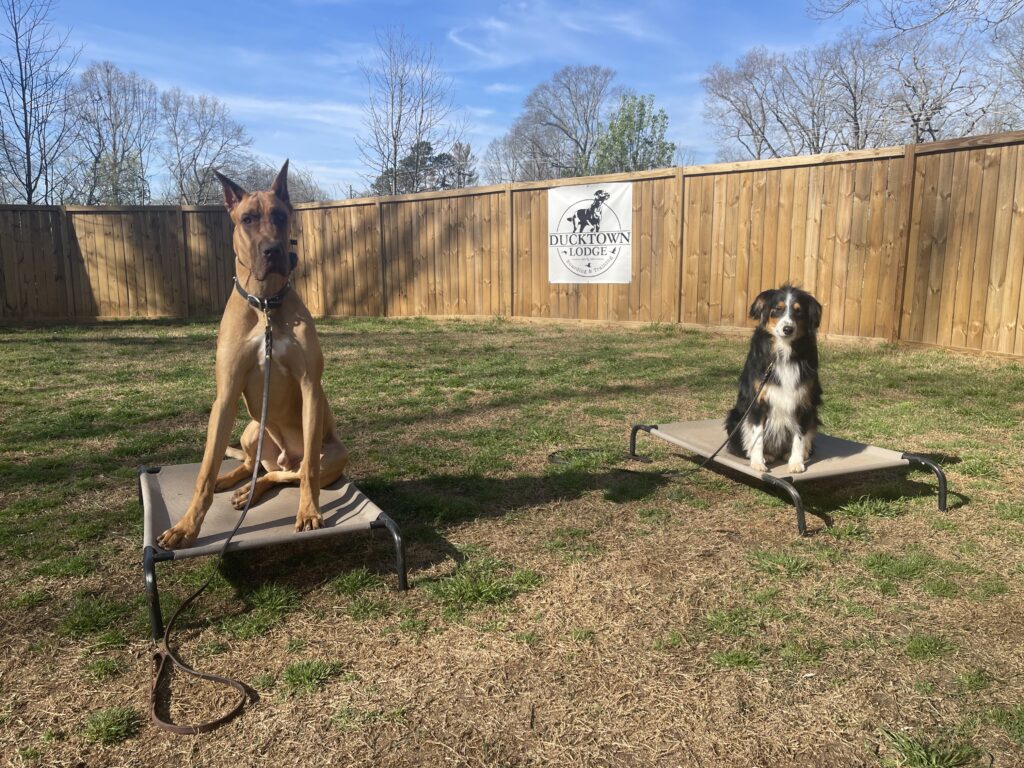
For example, your dog may be relaxing on their raised training bed while the family enjoys dinner.
When you’re ready to release them, you say Free.
This little word creates clarity.
It helps your dog understand that a command has a beginning and an end, rather than deciding independently when they’re finished.
For families with children, I also encourage teaching the kids what Free means.
If the dog is practicing Place, children should respect that space and avoid interrupting. An adult should decide when the dog is released.
It’s a wonderful opportunity to teach children that good relationships with dogs involve respecting boundaries on both sides.
Everyday Routines Are Training Opportunities
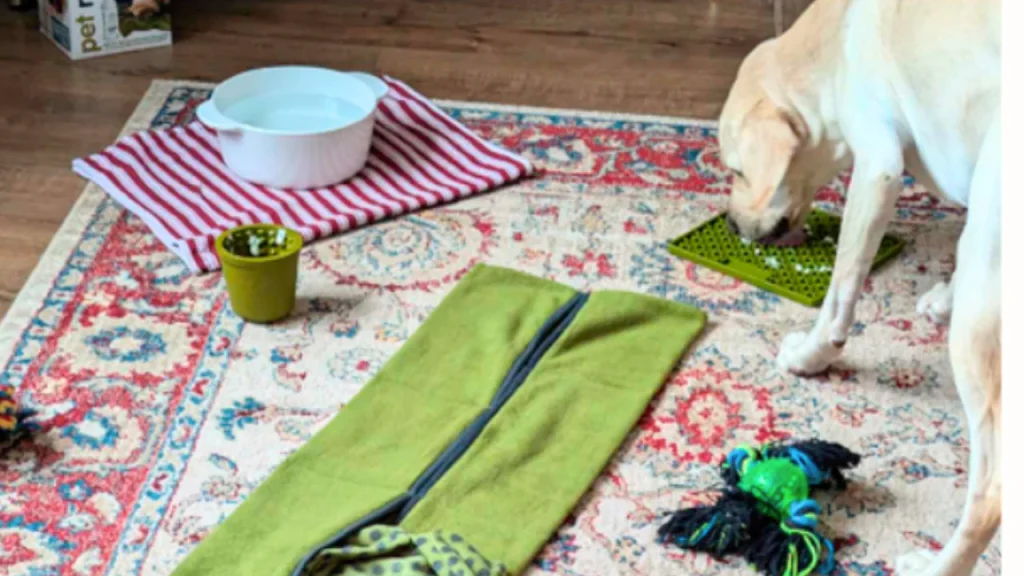
You don’t need to schedule an hour of obedience practice every day to reinforce good habits.
Some of the most valuable training happens during ordinary household activities.
Before going outside, ask your dog to Sit and wait.
When you attach the leash, take the opportunity to practice Heel rather than allowing your dog to pull toward the door.
When you’re cooking dinner or welcoming visitors, use Place to encourage calm behavior.
If your dog becomes distracted during a walk, practice a few familiar commands to help regain their attention.
These small exercises help your dog understand that obedience isn’t something that happens only during a formal training session.
It’s part of everyday life.
If your dog has been trained with an e-collar, use it only as demonstrated by your trainer, with appropriate timing and low-pressure communication. The goal is understanding and reliable responses to familiar commands, not dependence on the equipment.
What About Board & Train Graduates?
This is where environmental factors become especially important.
A dog may graduate from a Board & Train program with a solid understanding of obedience, but returning home introduces different distractions, routines, and expectations.
The training foundation is there. Now the family has to help the dog apply those skills in their own environment.
That’s why we place so much importance on owner participation, follow-up lessons, and ongoing obedience classes at Ducktown Lodge.
If you’re preparing to bring your dog home, our article on preparing for homecoming after Board & Train offers additional guidance.
And if you’re noticing old behaviors returning, we’ve also discussed why dog training regression happens and how to work through those challenges.
Our Favorite Dog Training Tools for Home
Good training doesn’t require a lot of expensive equipment. A few reliable tools, used consistently, can make everyday obedience much easier for both you and your dog.
Raised Training Bed – Practicing the Place Command
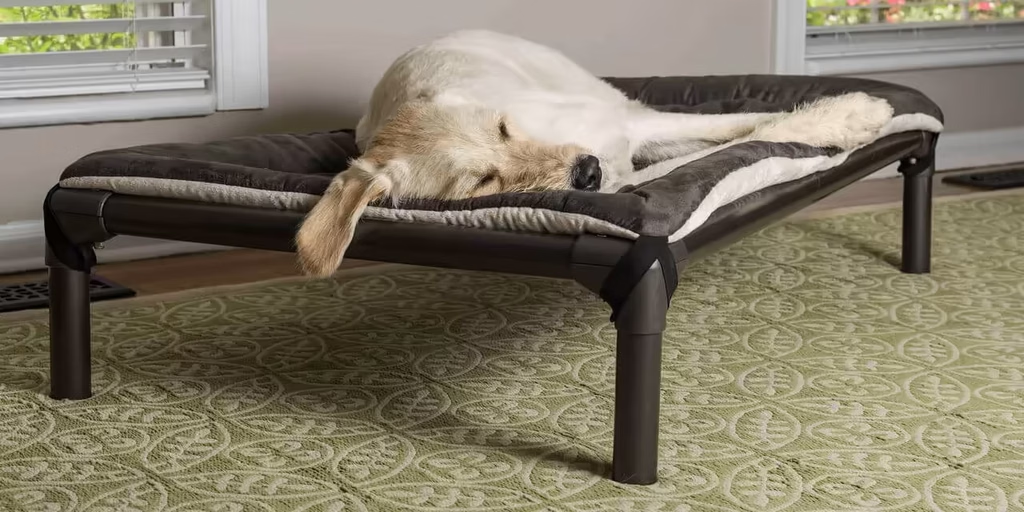
One of our favorite tools is a raised training bed. It gives your dog a clearly defined space to practice Place, settle during family activities, and learn to relax while everyday life happens around them.
We recommend Kuranda Aluminum Dog Beds for their durable construction and easy-to-clean design. A raised bed can be especially helpful in busy households where dogs need a designated place to settle.
A Good-Quality Leather Leash
A comfortable, well-made leather leash is another essential. We prefer a traditional six-foot leash for practicing Heel, reinforcing leash manners, and maintaining clear communication during everyday walks.
Treat Pouch – Keep Rewards Handy
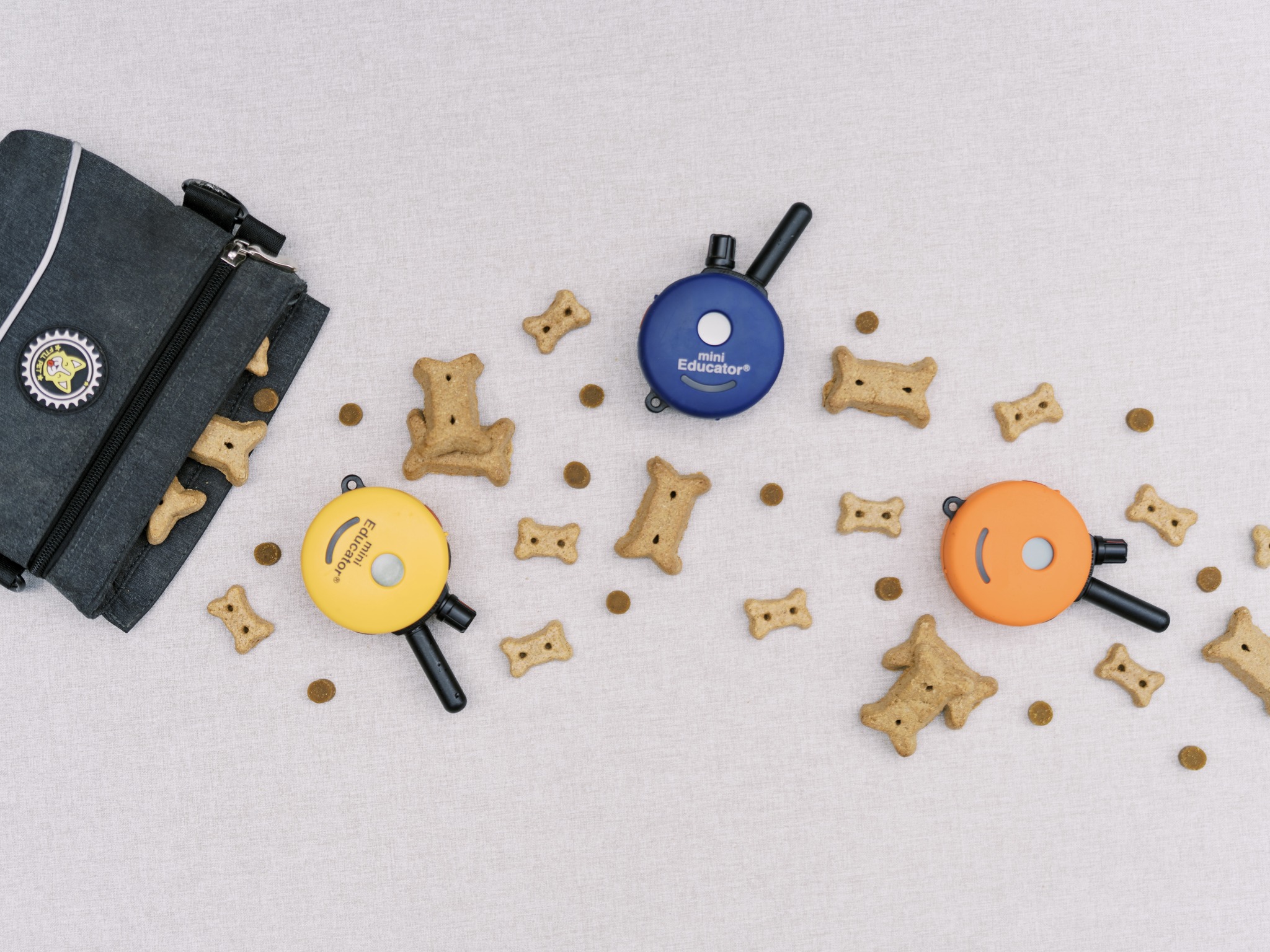
A simple treat pouch makes it easy to reward good choices throughout the day. Whether you’re reinforcing Sit at the door or practicing Place while preparing dinner, having rewards nearby helps you recognize and encourage the behavior you want.
Remember, the tools themselves don’t train your dog. It’s how consistently you use them that makes the difference.
Need Help Bringing Structure Into Your Home?
At Ducktown Lodge, we believe successful dog training should work in your everyday life, not just during a training session.
Our personalized Board & Train programs focus on clear communication, practical obedience, and helping families understand how to maintain their dog’s training at home.
We also offer ongoing obedience classes and follow-up support because we know that learning doesn’t stop at graduation.
Ready to build better communication with your dog?
Explore Our Dog Training Programs or contact Ducktown Lodge to learn how we can help.
Ducktown Lodge | Cumming, Georgia
Balanced Training. Real Life Results.