Why Bringing Home a Dog Takes More Patience Than People Expect
Bringing home a new dog feels exciting at first. You buy the bed. Pick out the leash. Maybe even rearrange part of the house. But the part most people are not prepared for is how much your environment shapes your dog’s ability to settle, feel safe, and trust you.
At Ducktown Lodge, we get many calls from families asking how to prepare their home for a new puppy or rescue dog. Most people are not looking for perfection. They just want to do things the right way from the start and avoid creating stress without realizing it.
Through our dog breeding program and years of hands on work with dogs, we focus heavily on proper environmental exposure. We use many of these same techniques when helping owners transition a new dog into their home because we have seen firsthand how much it changes the outcome for both the dog and the family.
A successful transition starts with calm structure, slow introductions, and giving your new dog time to feel safe before overwhelming them with people, places, and constant activity.
Why Slowing Down Matters More Than People Think
Many owners assume they should immediately expose their new dog to as many people, places, and experiences as possible. In reality, too much too fast often creates stress instead of confidence.
Dogs need time to settle before they can fully process the world around them.
At Ducktown Lodge, we encourage families to think about the transition the same way you would help someone settle into a completely new environment. You would not overwhelm them with constant visitors, noise, and pressure on day one. Dogs need that same patience.
The first few weeks should feel calm, predictable, and steady.
Less Is More When Bringing Home a New Dog
One of the biggest mistakes people make with a new dog is doing too much too fast. Friends want to visit. Family members want to meet the dog. Everyone gets excited. But for many dogs, that level of activity can feel overwhelming before they have even learned how to relax inside the home.
At Ducktown Lodge, we encourage owners to slow the entire process down. Less stimulation often creates a much smoother adjustment period.
For at least the first two weeks, and sometimes longer depending on the dog, avoid inviting friends and family over. Your dog is still learning your home, your routines, your expectations, and where they fit within all of it. Constant introductions can create confusion, stress, and overstimulation before trust has had time to build.
A quieter start helps dogs:
- Feel emotionally safe faster
- Settle into routines more naturally
- Build trust with their immediate family first
- Avoid becoming overstimulated or anxious
- Learn how to fully relax inside the home
Many dogs simply need time to observe life before being expected to participate in everything.
Your Home Environment Shapes the Entire Transition
A new dog does not yet understand your rhythm. They do not know where to settle, when to relax, or what is expected of them. That is why structure matters so much during the early days.
Simple changes inside the home can make a huge difference.
Create a Quiet Resting Space
Every dog needs a safe place where they can decompress without constant activity around them. This could be a crate, a quiet room, or a tucked away corner with their bed and blanket.
Keep Routines Predictable
Consistent feeding times, potty breaks, walks, and rest periods help dogs settle much faster because life begins to feel predictable.
Watch Stimulation Levels
Constant excitement can actually prevent dogs from learning how to regulate emotionally. Calm energy inside the home creates calm behavior over time.
Observe Before Correcting
Many behaviors during transition are stress based, not disobedience. Slow down and pay attention to what your dog is communicating before rushing to correct them.
At Ducktown Lodge, we use these same principles every day inside our facility. Our calm environment, private suites, structured routines, and low volume approach were intentionally designed to reduce unnecessary stress and overstimulation for dogs.
Proper Environmental Exposure Builds Confidence Slowly
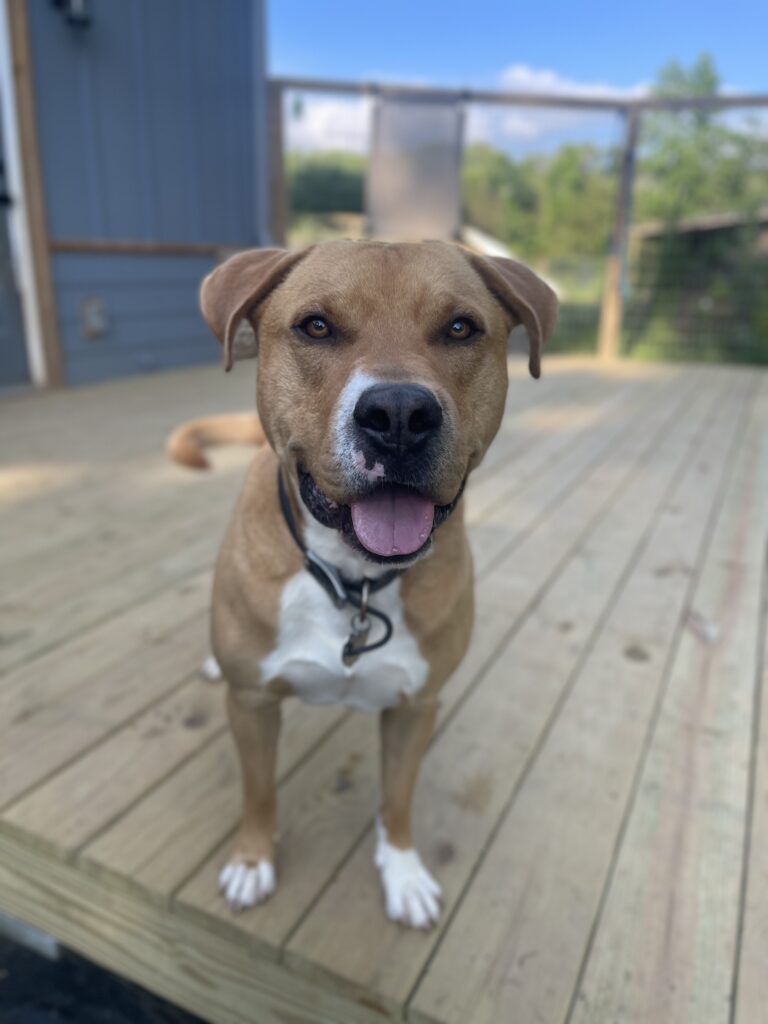
Environmental exposure is important, but it should never feel chaotic.
The First Few Days After Bringing Home a New Dog Matter Most
At Ducktown Lodge, we encourage owners to slow everything down after bringing home a new dog. The first few days should feel calm, structured, and predictable. As proud AKC breeders, we trust many of the AKC’s recommendations because we’ve seen firsthand how much proper environmental exposure and steady routines help dogs settle successfully into a new home.
During the first few days:
- Keep car rides calm and secure with a crate or safety harness
- Feed the same food on the same schedule at first
- Immediately show your dog where to potty and reward success calmly
- Limit freedom inside the home while your dog learns the environment
- Introduce household members slowly and quietly
- Avoid visitors for at least the first two weeks
- Keep routines consistent so your dog knows what to expect
- Separate new dogs from other household pets at first and introduce slowly
- Focus on calm behavior, rest, and positive experiences instead of overstimulation
One of the biggest mistakes people make after bringing home a new dog is expecting too much too quickly. Most dogs do not need nonstop excitement. They need time to feel safe.
Redefining Success After Bringing Home a New Dog
One of the hardest parts of bringing home a new dog is adjusting your own expectations. Most people picture the ideal transition in their head long before the dog ever walks through the door. Then reality shows up with accidents, nerves, barking, pacing, sleepless nights, or a dog who simply needs more time than expected.
That does not mean you are failing.
Success after bringing home a new dog is not about creating a perfectly behaved dog overnight. Real dogs are messy sometimes. They get overwhelmed. They need reassurance. They have personalities, preferences, fears, and comfort zones just like people do.
At Ducktown Lodge, we encourage owners to stop measuring success by perfection and start measuring it by trust.
Success is not:
- A dog who performs flawlessly immediately
- A dog who never reacts to anything
- A dog who adjusts instantly without stress
- A dog who fits perfectly into every environment
Success after bringing home a new dog can look much smaller and much more meaningful.
It can look like:
- Your dog finally taking a nap peacefully in the living room
- A nervous dog choosing to sit beside you voluntarily
- Five calm minutes alone without anxiety
- A dog slowly learning that your home feels safe
That is real progress.
Some dogs may never enjoy crowded dog parks. Some may always feel safer sleeping close to you during storms or fireworks. Some need slower introductions, quieter routines, or more structure than others. That does not make them broken. It makes them individuals.
The goal after bringing home a new dog is not to force them into a perfect mold. The goal is to build a life together where both of you feel understood, supported, and connected.
And honestly, asking for guidance early can make that process much smoother.
At Ducktown Lodge, we always tell owners that reaching out for support early is far better than waiting until frustration builds. Sometimes a small adjustment, a calmer routine, or a little professional guidance can completely change the direction of the relationship before stress starts taking over.
Most dogs do not need perfection. They need patience, consistency, and people willing to meet them where they are.The Emotional Side of Bringing Home a Dog
The transition can feel emotional for owners too.
Many people quietly wonder if they are doing something wrong because their new dog seems nervous, restless, or unsure at first. Others feel guilty setting boundaries or limiting visitors.
That is completely normal.
At Ducktown Lodge, we often remind owners that trust is built through consistency, not intensity. Dogs settle when they know what to expect from you. Calm leadership matters far more than constant entertainment.
Sometimes the most loving thing you can do for a new dog is simply slow everything down.
A Better Start Creates a Stronger Relationship
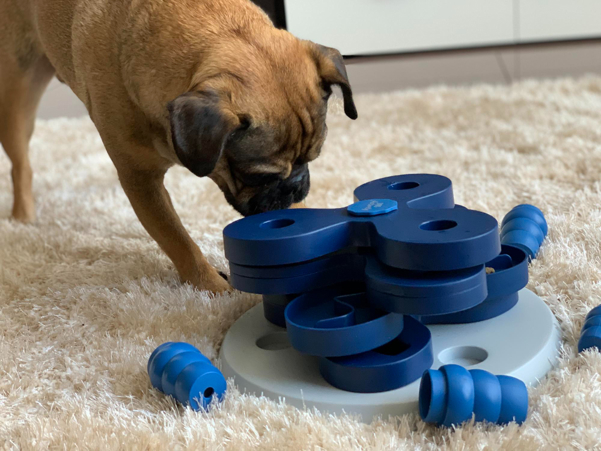
A healthy adjustment period usually looks quieter than most people expect.
It often looks like:
- More rest than excitement
- More routine than freedom
- More observation than correction
- More calm than constant stimulation
Over time, dogs begin showing their true personality because they finally feel safe enough to relax.
ringing home a new dog takes patience, calm routines, and realistic expectations. Learn how to help your dog adjust safely, build trust slowly, and feel truly at home from the start.That is where confidence starts.
Let’s Talk About Your Dog
At Ducktown Lodge, we believe dogs thrive when they feel emotionally safe, understood, and guided with consistency. Whether we are helping families prepare for a new puppy, supporting owners through training, or caring for dogs during boarding stays, our focus stays the same: helping dogs feel grounded instead of overwhelmed.
if you are preparing to bring home a new dog and want guidance that feels calm, practical, and supportive, we are always happy to help.
Reach out when you are ready. We will be here.