Why Treats Matter More Than You Think
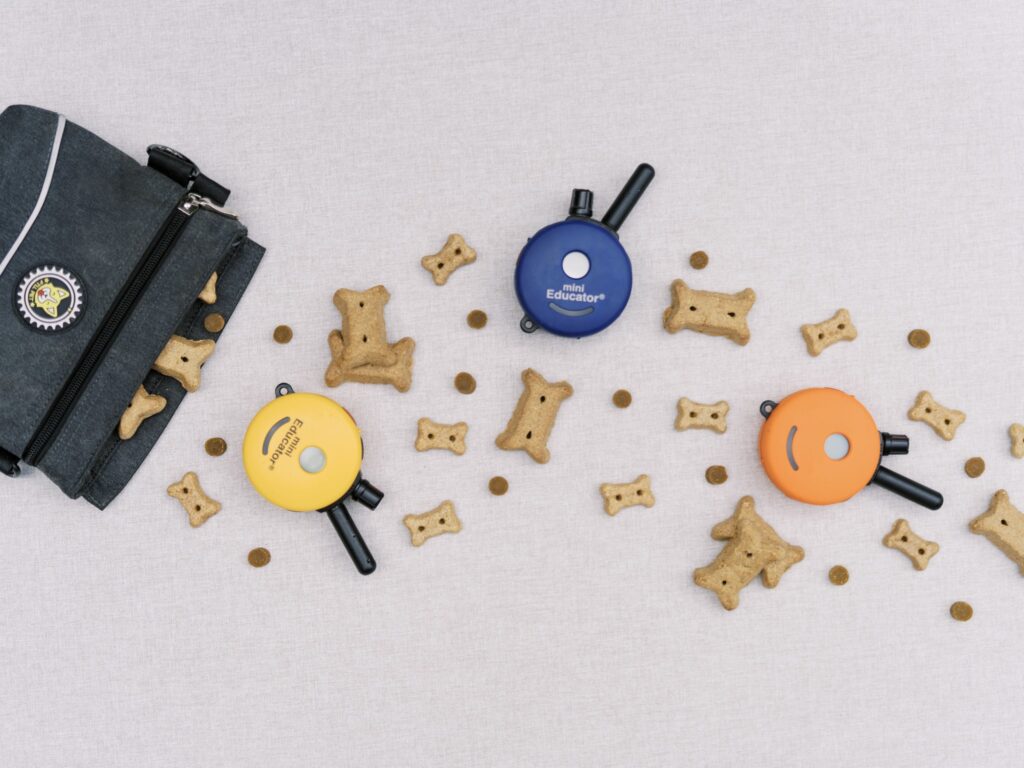
Dog training treats can be helpful, but only if they’re used with intention. Most people think treats are what make training work. In reality, they’re just one piece of the picture. What your dog really responds to is clarity, timing, and consistency.
Dog training treats work best when used immediately after a desired behavior, in small, high-value portions, and paired with clear communication. Over time, they should be reduced and replaced with a consistent structure and praise.
What This Guide Will Help You Do
If you’ve ever wondered whether you’re using treats the right way, you’re not alone. This guide walks you through choosing the best dog training treats, using them effectively, and avoiding habits that are hard to undo later.
Why Dog Training Treats Work in the First Place
Before choosing the best dog training treats, it helps to understand how they actually work. Most people assume dog training treats are what teach behavior. But in reality, dog training treats are just one part of the process.
What really shapes your dog’s behavior is the relationship, the clarity, and the consistency you bring into each interaction.
Dog training treats can help you get your dog’s attention. They can create early momentum. But they are not what makes training last.
How Dog Training Treats Fit Into How Dogs Learn
When people search for how to use dog training treats, they’re usually thinking about rewards. And yes, rewards matter—but timing and communication matter more.
Dogs learn through patterns. They notice what happens after they make a choice.
Here’s what actually makes dog training treats effective:
- Clear communication: Your dog needs to understand what you’re asking before the treat matters
- Immediate timing: Dog training treats must come right after the behavior, not seconds later
- Consistency: The same action should lead to the same response every time
When these are in place, dog training treats support the learning process. Without them, even the best dog training treatswon’t create real understanding.
What Dog Training Treats Actually Do (And Don’t Do)
Dog training treats are helpful, but they’re often misunderstood.
They can:
- Help your dog stay engaged
- Make early training easier
- Increase motivation in new environments
But dog training treats do not:
- Build trust on their own
- Create calm, reliable behavior
- Replace structure or consistency
A dog that only responds when you have dog training treats in your hand isn’t fully trained—they’re just following the food.
That’s why knowing how to use dog training treats matters more than just choosing the best dog training treats.
Real training looks different.
It’s a dog that responds even when dog training treats aren’t visible.
It’s a dog that understands expectations, not just rewards.
It’s a dog that feels steady because the communication is clear.
Dog training treats can help you get there. But the relationship is what makes it stick.
What Makes the Best Dog Training Treats
Choosing the best dog training treats isn’t about finding something fancy. It’s about finding something that supports focus, keeps momentum, and fits naturally into how your dog learns.
The right dog training treats make it easier for your dog to stay engaged without becoming distracted or dependent.
A Note on Dog Training Treats and Early Development
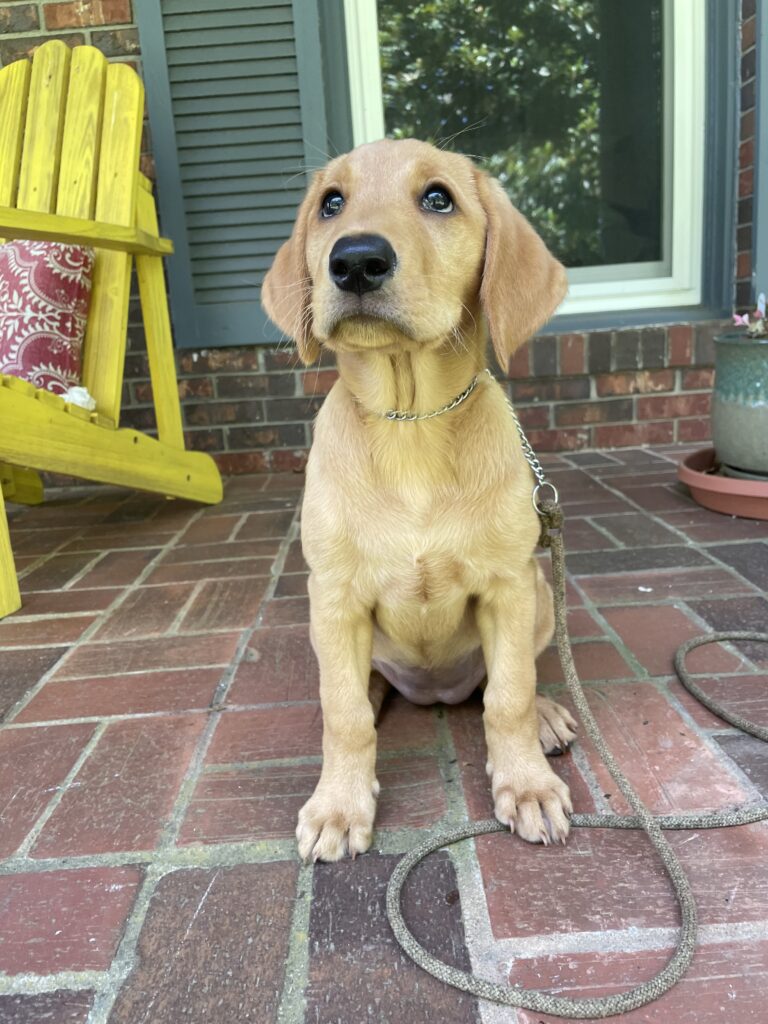
Organizations like the AKC often highlight how dog training treats can support early learning by reinforcing desired behavior and building clear associations. That’s true—but it’s only part of the picture.
When raising our dogs, we follow a similar foundation, using dog training treats to introduce behaviors and create positive early experiences. But we don’t stop there.
From the beginning, we focus just as much on structure, timing, and relationship. Because while treats can help a dog learn, it’s consistency and clear communication that help that learning stick.
A Simple Go-To for Dog Training Treats
When it comes to finding dog training treats that actually work in real-life training, we tend to keep things simple. One of our go-to spots locally is Hollywood Feed. They carry options like Bocce’s Bakery training bites that are small, soft, and easy to use in the moment.
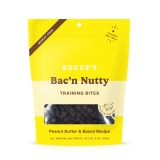
What matters most isn’t the brand—it’s that the treats are easy to break up, quick for your dog to eat, and motivating enough to keep them engaged without losing focus.
That’s the difference between treats that help training… and treats that get in the way.
Size, Texture, and Value Matter More Than Brand
When people look for the best dog training treats, they often focus on ingredients or packaging. What matters more is how the treat functions during training.
Here’s what to look for:
- Small size: Dog training treats should be bite-sized so your dog can eat them quickly and stay focused
- Soft texture: Soft dog training treats are easier to chew and don’t interrupt the flow of training
- Easy to handle: You should be able to deliver the treat quickly without fumbling
If a treat takes too long to eat, you lose the moment. And in training, the moment is everything.
High-Value vs Everyday Dog Training Treats
Not all dog training treats are equal in your dog’s eyes.
- High-value dog training treats: Used for new skills, distractions, or more challenging situations
- Everyday dog training treats: Used for simple behaviors your dog already understands
Match the reward to the moment instead of relying on the same treat every time.
Healthy Dog Training Treat Options
The best dog training treats don’t have to come from a bag.
- Store-bought dog training treats
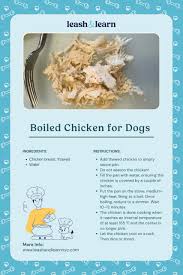
- Cooked chicken or turkey
- Cheese in small amounts
Keep portions small and adjust meals if needed.
The Real Goal of Using the Best Dog Training Treats
The goal isn’t the treat. The goal is communication.
The best dog training treats help your dog stay present without becoming dependent.
How to Use Dog Training Treats the Right Way
Knowing how to choose the best dog training treats is one thing. Knowing how to use dog training treats is what actually changes behavior.
Timing Is Everything with Dog Training Treats
- Reward immediately
- Mark the behavior first
- Stay consistent
Pairing Dog Training Treats with Clear Communication
- Give the command once
- Wait for the behavior
- Mark and reward
Using Dog Training Treats Without Creating Bribery
- Keep treats out of sight
- Reward after, not before
- Mix in praise and calm interaction
Building Structure Alongside Dog Training Treats
Dog training treats should support structure—not replace it.
Common Mistakes Dog Owners Make with Dog Training Treats
Overusing Dog Training Treats
- Only listening when treats are visible
- Ignoring commands without food
Using Dog Training Treats That Disrupt Training
- Too big
- Too hard
- Too slow to deliver
Not Progressing Beyond Treats
- Stalled progress
- Dependency
Ignoring Emotional State
A stressed dog won’t learn well—no matter how good the treat is.
How to Fade Dog Training Treats Without Losing Progress
Moving to Occasional Rewards
- Start spacing out treats
- Mix in praise
Replacing Treats
- Praise
- Movement
- Routine
What to Expect
Some hesitation is normal. Stay consistent.
Looking for the Best Dog Training Treats in Cumming, GA?
If you want help choosing the best dog training treats locally, we put together a simple guide based on what actually works in real training—not just what looks good on the shelf.
A More Balanced Approach to Dog Training Treats
Dog training treats are a tool—not the strategy.
Focus on Structure
- Clear expectations
- Consistency
- Calm guidance
What Dogs Actually Need
- Stability
- Communication
- Predictability
Who This Approach Works Best For
- Owners who feel stuck
- Puppies learning early habits
- Dogs needing structure
- Owners wanting a calmer approach
Ready to Feel More Confident Using Dog Training Treats?
If you’ve been second-guessing how to use dog training treats, you’re not doing it wrong—you just haven’t been shown a way that actually fits real life.
When you understand how to use the best dog training treats in a way that supports your dog—not controls them—you’ll notice the shift:
- Your dog listens without needing treats
- Training feels calmer
- You feel more confident
You don’t need more tricks. You need clarity.
Let’s talk about your dog.
Start with a conversation, not a contract.