Why the Place Command for Dogs Is One of the Most Valuable Training Tools
If you were to ask us what our favorite command is when training dogs, we would probably say the place command for dogs has the biggest bang for its buck. All commands have certain benefits, but the place command for dogs stands out because it helps in so many everyday situations. It helps dogs learn impulse control, develop calm behavior, and understand exactly what is expected of them in busy environments.
The place command for dogs teaches a dog to go to a designated spot, like a bed or mat, and remain there until released. This powerful dog training command improves impulse control, reduces anxiety, prevents jumping or door rushing, and helps dogs learn how to relax even when life around them is busy.
Why the Place Command Makes Everyday Life Easier
The place command for dogs works because it gives your dog a clear job. Instead of guessing how to behave when the doorbell rings or guests arrive, your dog learns exactly where to go and how to settle.
This simple command becomes a powerful tool in dog obedience training because it teaches patience, emotional regulation, and focus. When practiced consistently, dog place command training can transform everyday moments like meals, visitors, and busy evenings into calmer routines.
Let’s talk about what the place command for dogs has to offer and how to follow through so your dog truly understands it.
A Simple Skill That Creates Structure
The place command works because it gives dogs something clear to do. Instead of guessing how to behave, they learn exactly where they should be and what calm behavior looks like. In the sections ahead, we will explore why this command is so powerful, how it helps dogs feel more settled, and how you can begin teaching it in your own home.
Why the Place Command Matters in Dog Training
What the Place Command Actually Means
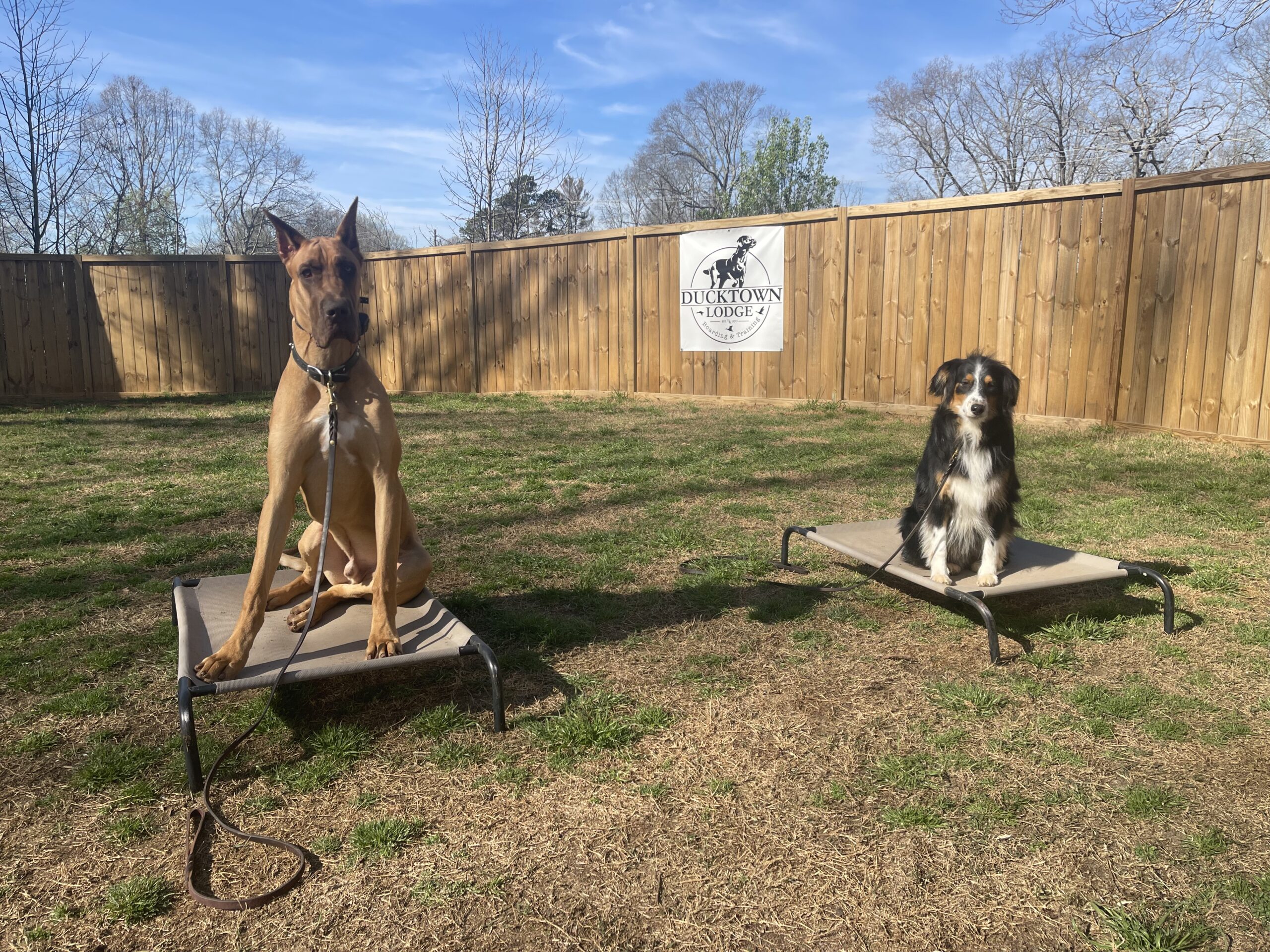
The place command for dogs asks a dog to go to a specific spot and remain there until released. That spot might be a raised cot, dog bed, mat, or rug. The key is that the space is clearly defined and consistent.
This command is different from simple obedience cues like sit or down. Those behaviors are short and momentary. The place command focuses on duration and calm behavior, even while activity continues around the dog.
Instead of reacting to every sound, movement, or visitor, the dog learns there is a specific place where relaxation is expected.
Why Dogs Thrive With Clear Jobs
Dogs naturally look for structure in their environment. When expectations are unclear, many dogs fill the gap with excitement, anxiety, or impulsive behavior.
That is when owners see things like:
- Jumping on guests
- Barking at the doorbell
- Racing toward the front door
- Begging during meals
- Pacing around the house
Dog place command training changes that dynamic.
Giving a dog a job provides clarity. When the doorbell rings, the dog knows where to go. When dinner is served, the dog understands what calm behavior looks like. When activity increases in the house, the dog has a predictable way to settle.
Clear expectations reduce confusion and help dogs feel more secure.
Why the Place Command Works Better Than Constant Correction
Many dog owners spend their time correcting unwanted behavior after it begins.
They say things like:
- No jumping
- Get down
- Stop begging
- Move away from the door
The place command flips that pattern.
Instead of constantly correcting behavior, you give the dog direction first. A dog on place cannot rush the door. A dog on place cannot crowd guests. A dog on place cannot hover around the dinner table.
Over time the dog learns something powerful. Calm behavior earns freedom. Chaos does not.
That shift is why the place command becomes one of the most valuable tools in dog obedience training commands.
What the Place Command Teaches Your Dog
Impulse Control and Patience
One of the biggest benefits of the place command for dogs is improved impulse control. Many behavior problems are not about disobedience. They are about excitement and poor self-regulation.
Dogs want to move toward whatever grabs their attention. The doorbell rings, and they rush to the door. A guest walks in, and they jump to greet them. Food appears, and they hover around the table.
Place interrupts that cycle.
When a dog learns to stay on a designated spot, they begin practicing patience. They learn that calm behavior is expected even when exciting things are happening around them.
Over time this builds a new habit. Instead of reacting instantly, the dog pauses, settles, and waits for guidance.
“The place command is one of the most useful dog training skills — teaching a dog to stay on a designated spot until given permission to move.”
Emotional Regulation and Confidence
Many dogs struggle because the environment around them feels overwhelming. Movement, visitors, noise, and daily activity can push their excitement higher and higher.
Dog place command training helps dogs regulate that energy.
A consistent spot becomes a safe location where the dog knows how to behave. The expectation is simple. Go to the place. Settle down. Relax until released.
Predictable structure often lowers anxiety because the dog no longer has to guess what to do.
Dogs that practice place regularly often become:
- More relaxed in busy environments
- Less reactive to movement or noise
- More confident around visitors
- Better able to settle on their own
Clarity builds confidence.
Focus and Body Awareness
Another overlooked benefit of the place command is the mental engagement it requires.
Holding position is not passive. The dog must stay aware of their body and resist the urge to move toward distractions.
This exercise strengthens focus and communication between dog and owner.
Dogs begin learning that listening carefully leads to freedom and reward. This is why a place often becomes a foundation for stronger obedience across many commands.
Real Life Situations Where the Place Command Becomes Powerful

When Guests Arrive at the Door
Visitors are one of the biggest triggers for excitement in dogs. The doorbell rings. The door opens. Voices and movement fill the entryway.
Many dogs respond by jumping, barking, or crowding the doorway.
The place command for dogs gives your dog a clear job in that moment.
Instead of rushing the door, the dog goes to their designated spot and stays there. This prevents jumping, reduces chaos at the entrance, and helps the dog settle while guests come inside.
During Family Meals
Dinner time can easily turn into begging, pacing, or hovering under the table.
Place provides a simple solution.
When meals begin, the dog goes to their mat or bed and remains there until released. The dog still feels included in the environment but learns that food time does not mean crowding the table.
Over time the dog relaxes during meals instead of constantly trying to participate.
Busy Evenings Around the House
Even normal activity in the home can raise a dog’s energy level.
Kids running around. Cleaning. Cooking. Deliveries at the door.
The place command becomes a reset button.
When the environment becomes busy, the dog has a clear place to settle. Instead of pacing through every room or inserting themselves into the activity, they can relax in a predictable spot.
New Environments or Travel
Dog place command training becomes even more valuable outside the home.
Dogs often feel uncertain in unfamiliar environments, such as:
- Visiting friends or family
- Outdoor restaurants
- Hotel rooms or vacation homes
- Veterinary offices
- Training classes
A portable mat can instantly create a familiar routine. When the dog hears the place command, they understand exactly what is expected, even in a new location.
This consistency helps dogs settle faster and reduces anxiety.
How to Teach the Place Command to Your Dog
Start With a Clear, Defined Spot
The first step in dog place command training is choosing the right location.
Good options include:
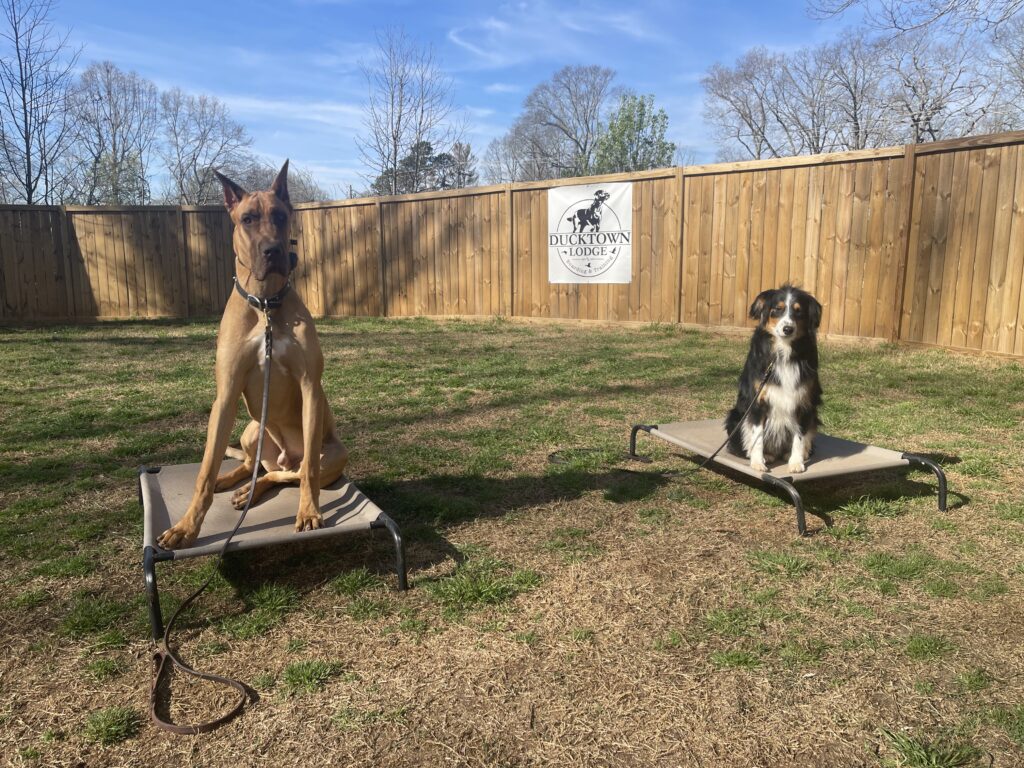
- A raised dog cot
- A dog bed
- A training mat
- A small rug or blanket
Raised cots often help because the edges create a physical boundary that makes the space easier for the dog to understand.
Introduce the Command
Begin the training with your dog on a leash.
Follow these steps:
- Walk your dog toward the mat
- Say the command “place”
- Guide them onto the spot if needed
- Reward the dog when all four paws are on the place
At the beginning, the goal is simple. The dog learns that stepping onto the place leads to a reward.
Build Duration, Distance, and Distractions
Once your dog understands the command, you begin building the three D’s of training.
- Duration: Increase how long the dog stays in place
- Distance: Move farther away from the dog
- Distractions: Add real-life activity
Start with a few seconds. Slowly build toward several minutes of calm behavior.
Stay Consistent and Calm
Consistency is what makes the place command reliable.
If your dog steps off the mat before being released, calmly guide them back. Avoid frustration or repeating the command many times.
Use a clear release word, such as “free” or “break” so the dog understands when the exercise is finished.
Over time, the dog learns the full pattern. Go to the place. Stay calm. Wait for the release.
Why the Place Command Is More Than Just Another Obedience Command
A Tool for a More Peaceful Home
The place command for dogs changes the energy of the household.
Instead of correcting behavior over and over, you give your dog a clear expectation before problems start.
This simple command helps prevent:
- Jumping on guests
- Begging during meals
- Door rushing
- Overexcitement in busy environments
Structure brings calm to both dogs and owners.
A Skill That Builds Long-Term Behavior
Training is not just about one command. It is about shaping habits.
The place command helps dogs learn to:
- Choose calm behavior
- Listen before reacting
- Settle during activity
- Practice patience and impulse control
Many dogs eventually choose their place on their own when they want to relax.
The Foundation for Stronger Communication
Every command strengthens communication between dog and owner.
Place teaches dogs that listening leads to clear outcomes. It builds trust and confidence.
Once dogs understand how to settle and focus, other skills like leash walking, recall, and polite greetings often improve as well.
A Calmer Dog Starts With Clear Guidance
If life with your dog sometimes feels chaotic, the solution is rarely more correction. Most dogs simply need clarity.
The place command for dogs gives your dog a job, teaches them how to relax, and brings structure to everyday life.
At Ducktown Lodge in Cumming, Georgia, training is built around clarity, calm routines, and real relationships with dogs and their people.
If you are looking for help with dog training, dog obedience training, or board and train programs, start with a conversation about your dog.