High-energy dogs are often misunderstood. They’re labeled as “too much,” “wild,” or “out of control,” when in reality, many of them are simply overstimulated dogs who have never been taught how to come back down.
We see this every day.
An overstimulated dog isn’t lacking exercise or attention. More often, they’re lacking regulation. Their nervous system stays switched on, and no amount of activity seems to help them settle.
This post is about why that happens, how it shows up—especially in overly friendly dogs—and what actually helps high-energy dogs find balance.
Raising High-Energy Dogs: Our Experience With Overstimulated Dogs
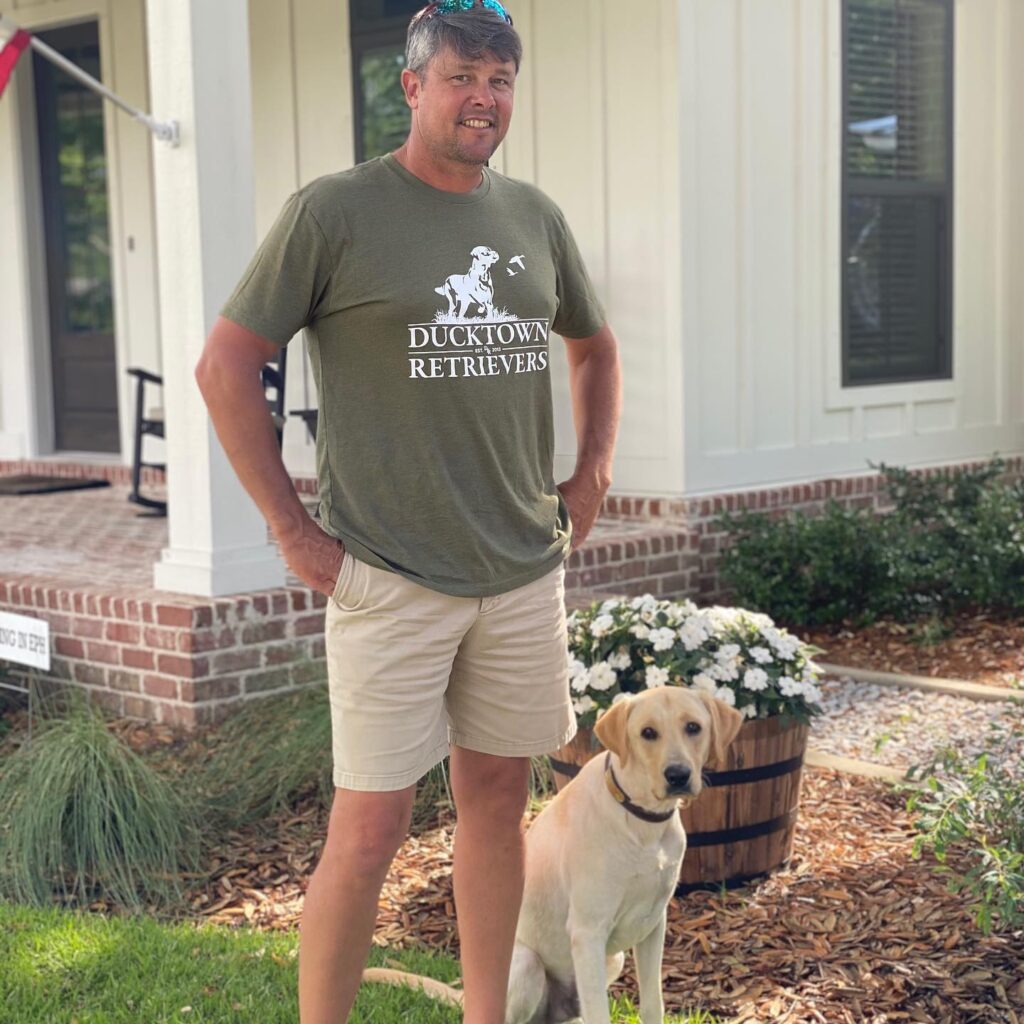
High-energy dogs have been part of our lives long before Ducktown Lodge existed.
Between Sara and me, we’ve raised hundreds of high-energy, high-drive dogs, many from working lines bred for stamina, focus, and intensity. Our line comes from a proven Field Champion, selected for high performance in the field. These dogs were built to work hard, stay engaged, and think fast.
Living with dogs like this teaches you something quickly.
Energy isn’t the problem.
Regulation is.
We watched dogs who were exercised constantly but couldn’t settle. Dogs who were friendly but overwhelming. Dogs who were smart, capable, and well-intentioned, yet always on edge. Over time, it became clear that adding more activity wasn’t helping. In many cases, it was making things worse.
That realization became the foundation for everything we do.
Why We Built a Boutique Facility for High-Energy Dogs

Sara and I didn’t build Ducktown Lodge to look like every other boarding or training facility.
High-energy dogs don’t thrive in chaos. Constant noise, rotating caregivers, crowded group play, and unpredictable routines keep their nervous systems in a constant state of arousal.
So we did the opposite.
Ducktown Lodge is a boutique, low-volume facility designed specifically for dogs who need structure, consistency, and emotional space. Fewer dogs. Predictable routines. Calm transitions. The same people every day.
This environment allows high-energy dogs to do something many have never learned how to do:
Settle without shutting down.
Overstimulation vs. Drive: Understanding High-Energy Dogs
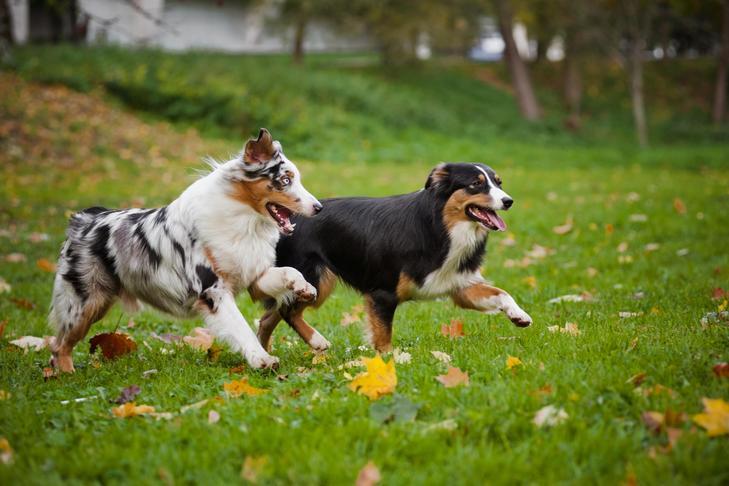
Drive and overstimulation are not the same thing.
Drive is focus.
Drive is purpose.
Drive is engagement with intention.
Overstimulation is what happens when that drive never gets a chance to turn off.
Many high-energy dogs live in a constant state of anticipation. Every sound, movement, or opportunity becomes something to react to. They go from zero to sixty and stay there.
That doesn’t mean they’re difficult dogs.
It means their nervous system hasn’t learned flexibility.
Dog Overstimulation Signs We See Every Day
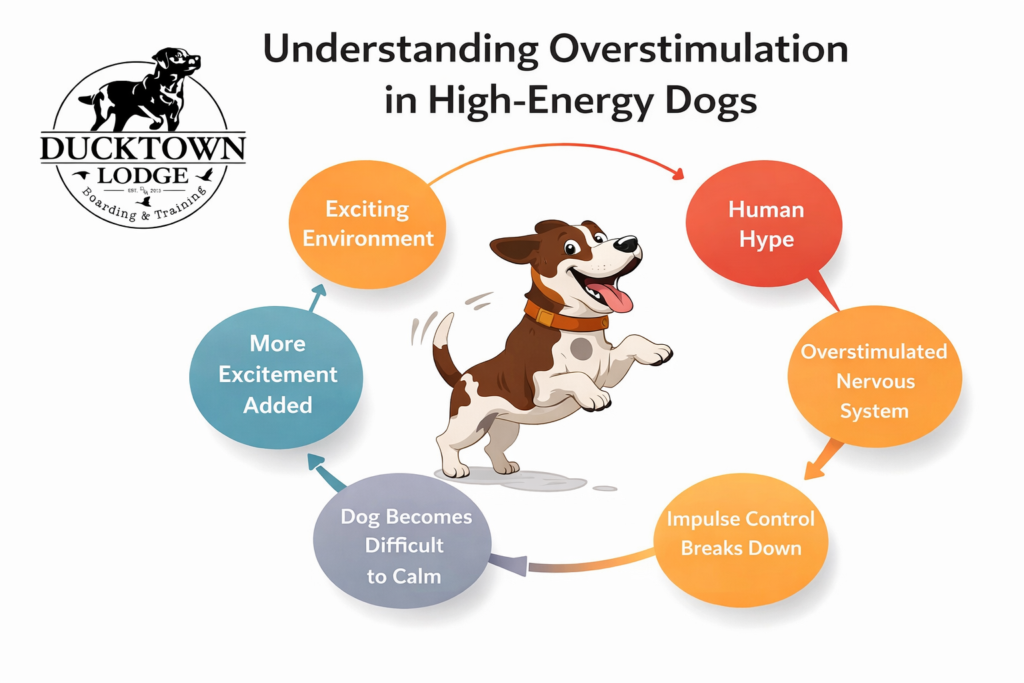
Overstimulated dogs don’t always look stressed. Often, they look busy.
Common dog overstimulation signs include:
- Difficulty settling, even after activity
- Pulling, pacing, or constant movement
- Poor impulse control
- Trouble disengaging from dogs, people, or objects
- Reacting quickly and intensely to small changes
These dogs are often described as “happy” or “just excited,” but internally, their systems are overloaded.
Overly Friendly Dogs and Overstimulation
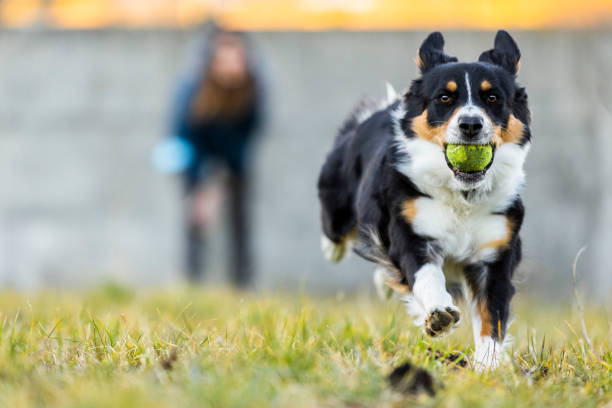
Some of the most misunderstood overstimulated dogs are overly friendly dogs.
These dogs want to greet everyone. They pull toward people and dogs. They rush into space quickly, with too much contact and no pause. The intention is friendly. The impact often isn’t.
On leash, tension pulls the dog forward into what can look like a confrontational posture. Other dogs respond to that pressure, not the friendliness behind it.
The biggest issue isn’t social interest.
It’s that overstimulated dogs aren’t listening.
Dog communication relies on subtle signals. When those signals are ignored, other dogs escalate. Over time, dogs who are repeatedly overwhelmed stop offering polite “no thank you” cues and go straight to defense.
This is how friendly dogs get into trouble.
How Overstimulated Dogs Become Reactive Over Time
Overstimulation builds quietly.
A dog who lives in a constant state of arousal has a shrinking tolerance for stress. Their reactions get faster. Their thinking gets shorter. Eventually, they start reacting first—not because they’re aggressive, but because their system expects things to go wrong.
This is how overstimulated dogs become reactive over time.
Not overnight.
Not because of one bad interaction.
But because calm was never part of the equation.
Preventing Overstimulation in High-Energy Dogs at Home
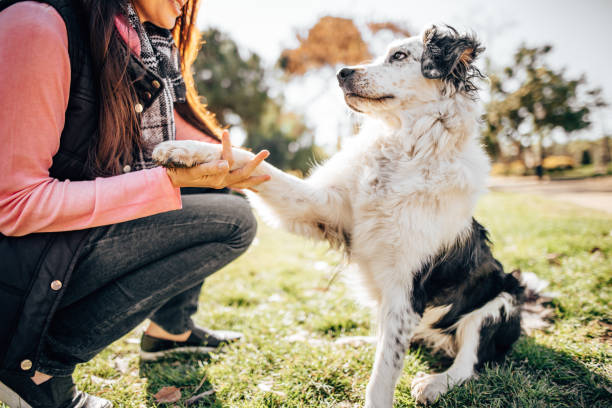
For a deeper look at practical, everyday ways to help calm a high-energy dog, the Whole Dog Journal offers a helpful overview on supporting regulation without adding more stimulation. Click on this link “Whole Dog Journal”
One of the biggest contributors to overstimulation is human behavior.
To help a high-energy dog greet calmly, ignore all excited behaviors:
- No touching
- No talking
- No eye contact
Any attention during excitement reinforces it.
Wait for calm.
The moment your dog offers calmer behavior—four paws on the floor, a pause, a sit—that’s when you reward with a treat or quiet praise—calm needs to work better than chaos.
How Human Attention Contributes to an Overstimulated Dog
Humans are expressive. We talk fast, move quickly, and get excited when guests arrive. For an overstimulated dog, that attention acts like gasoline.
Instead:
- Ask guests to ignore the dog at first
- Use high-value treats to redirect
- Teach clear alternatives like sit or go to mat
Giving a dog a predictable job helps them regulate instead of react.
Calming High-Drive Dogs Through Structure and Consistency
Calming high-drive dogs isn’t about suppressing who they are. It’s about teaching their nervous system flexibility.
At Ducktown Lodge, we focus on:
- Clear beginnings and endings to activity
- Time to recover after excitement
- Structure that supports calm
- Consistency that builds trust
High-energy dogs don’t lose their drive when this happens.
They gain control over it.
Support for Overstimulated Dogs at Ducktown Lodge
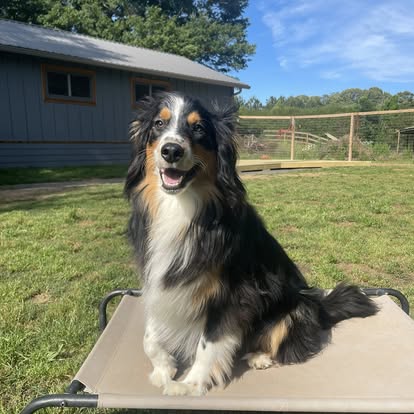
Living with an overstimulated dog can be exhausting, especially when you’re doing everything you’ve been told to do and still feeling stuck.
At Ducktown Lodge, we work with high-energy, high-drive dogs every day. Our boutique facility and approach were built specifically for dogs who need structure, consistency, and calm guidance—not chaos or hype.
If this sounds familiar, start with a conversation.
No pressure. No assumptions. Just an honest discussion about your dog.
Let’s talk about your dog.
Reach out when you’re ready—we’ll be here.
Ducktown Lodge
6140 Dahlonega Highway
Cumming, GA 30928
(770) 733-0836
hello@ducktownlodge.com