Puppy Series – Part Two
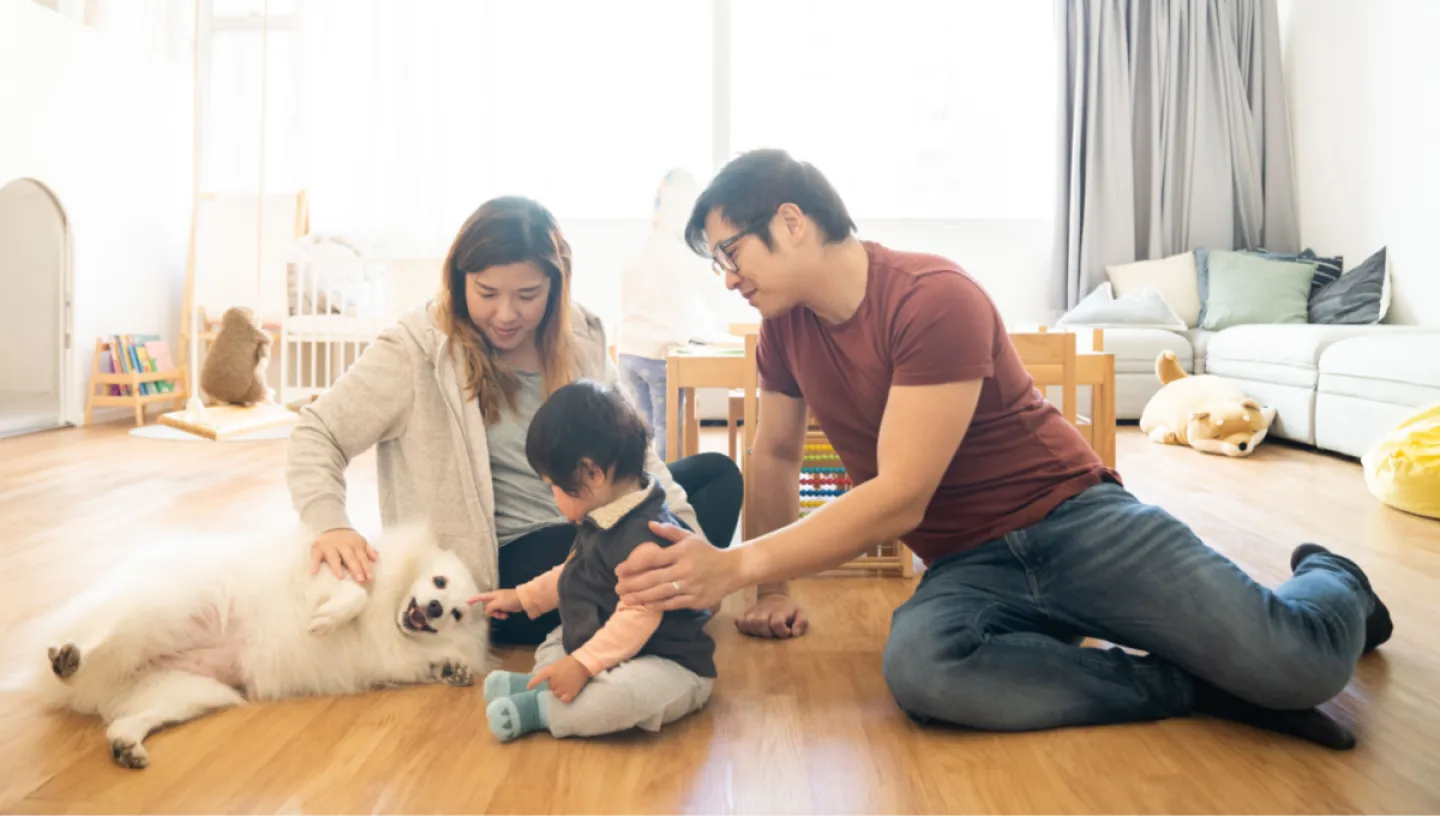
At Ducktown Dog Training, we specialize in early puppy development and work with many families raising puppies alongside young children. As longtime AKC Labrador breeders, we’ve seen firsthand how the right foundation can shape not just a dog’s behavior, but the entire household dynamic.
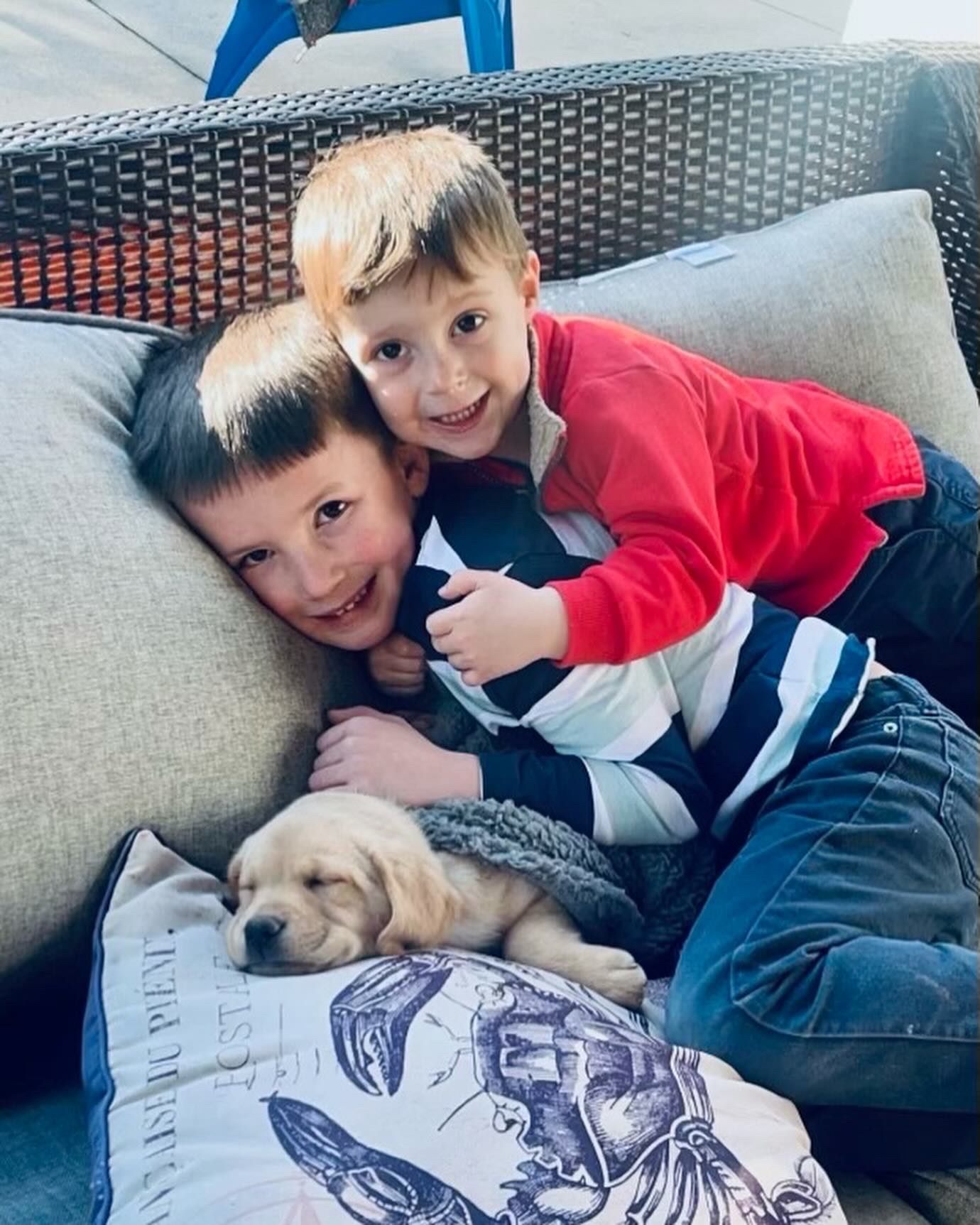
Bringing a new puppy home when you have young kids is exciting. It’s also a big adjustment. Puppies and children have a lot in common. They both need structure, supervision, patience, and guidance. When those needs are met thoughtfully, families can avoid unnecessary stress and set everyone up for long-term success.
This is Part Two of our puppy series, and here we’re focusing on one core goal: helping young kids and new puppies grow together safely, calmly, and with trust.
Why Raising Young Kids With a New Puppy Requires Intention
Practical guidance for raising young kids with a new puppy in a calm, safe home. Puppies are not blank slates. Kids aren’t either. When you put the two together without guidance, misunderstandings happen quickly.
Young children move fast, make loud noises, and don’t yet understand boundaries. Puppies are still learning how the world works. Without structure, puppies can become overwhelmed or overstimulated, and kids can unintentionally cross lines that make a dog uncomfortable.
The solution is not perfection. It’s clarity.
Families who do best with a new puppy focus less on constant interaction and more on creating predictable routines, clear boundaries, and positive associations from the start.
How to Raise Young Kids and a New Puppy Without Chaos
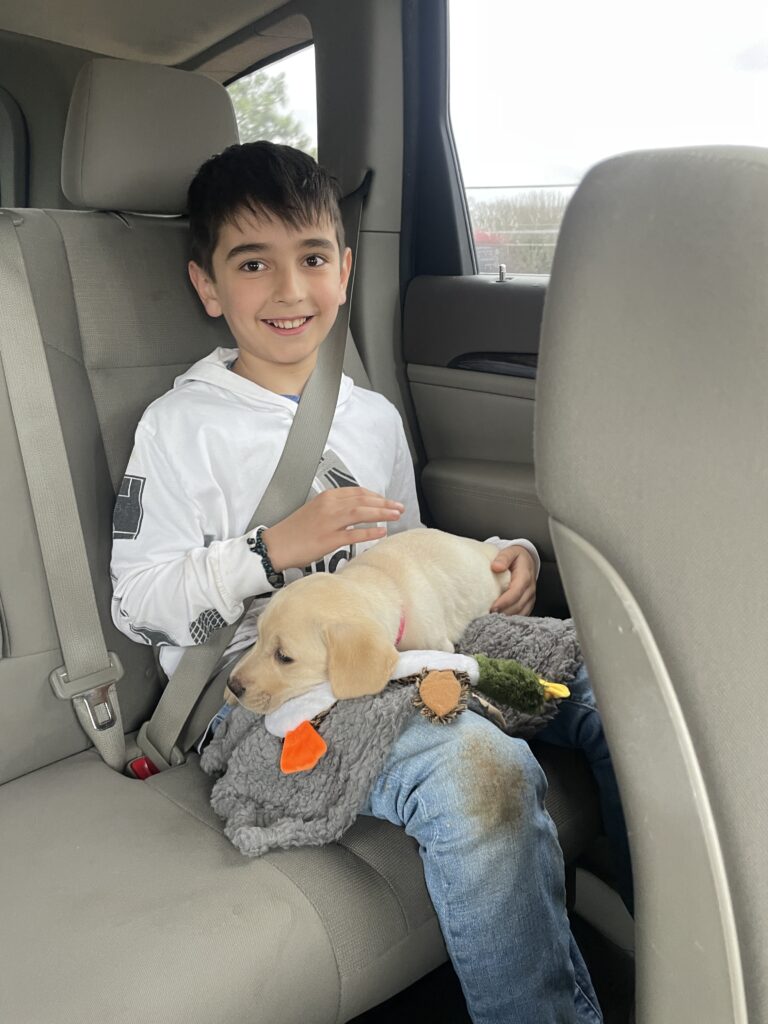
Practical guidance for raising young kids with a new puppy in a calm, safe home. Trust is not something puppies and kids figure out on their own. Adults set the tone.
Children should be taught how to interact with a puppy in ways that feel safe and respectful. This includes:
Learning puppy body language
Puppies communicate constantly through movement and posture. A wiggly puppy can still be overstimulated. A puppy that freezes or pulls away is asking for space. Narrating what you see helps kids learn awareness early.
Inviting interaction, not forcing it
We encourage a simple habit. Invite the puppy over. Gently pet. Then pause. This gives the puppy a choice to stay or walk away. Choice builds confidence and prevents fear.
Protecting the puppy’s space
Puppies need downtime. Kids should never climb on, corner, or crowd a puppy, especially when resting or chewing. Respect now prevents issues later.
When puppies learn that kids are predictable and safe, trust grows naturally.
Managing Play Safely With a New Puppy and Young Kids
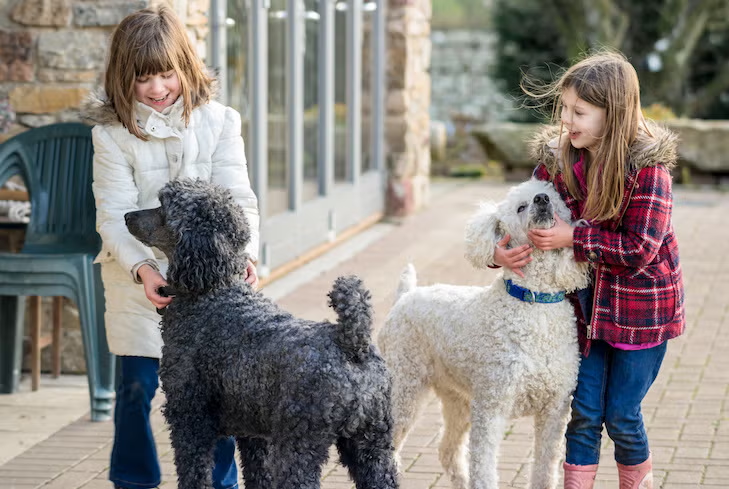
Safe play doesn’t mean constant play.
Puppies tire quickly, even if they look energetic. Structured, short interactions are better than long, chaotic ones.
Simple activities work best:
- Rolling a ball instead of throwing it overhand
- Tossing treats on the floor rather than hand-feeding
- Letting the puppy lick peanut butter from a spoon held by an adult
These interactions create positive associations without overwhelming the puppy.
When you can’t supervise closely, separation is smart. Baby gates, pens, and crates are tools, not failures. They protect both your puppy and your child while everyone is still learning.
Involving Kids in Puppy Training the Right Way
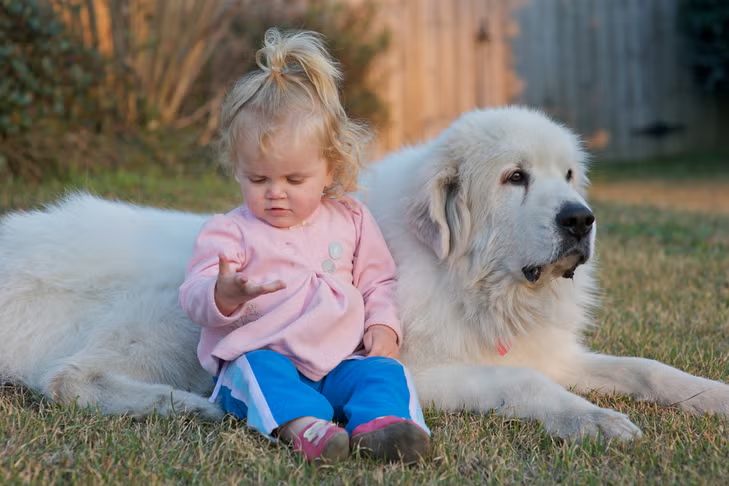
Practical guidance for raising young kids with a new puppy in a calm, safe home. Early puppy training is about communication, not control. When done correctly, it helps kids and puppies understand each other.
At Ducktown, we recommend parents establish training foundations first. Once a puppy understands a skill, kids can be involved with guidance.
Great kid-friendly training activities include:
- Asking for a sit before giving a treat
- Helping scatter food for scent games
- Practicing calm greetings
Training doesn’t need to be complicated. It just needs to be consistent and clear. These shared moments help puppies associate kids with structure and good outcomes, not chaos.
When a Puppy Seems Uncomfortable Around Kids
Early puppy development tips for families raising young kids and a new puppy. Not every puppy adjusts at the same pace. Some need more time and support.
Signs of stress can include avoiding kids, excessive nipping, freezing, or hiding. These signals matter.
If the behavior is occasional or situational, early guidance can often redirect things quickly. If stress is constant, it’s important to slow things down and reassess routines, supervision, and expectations.
A puppy that feels overwhelmed doesn’t need punishment. They need clarity, protection, and space to grow.
Raising Young Kids With a New Puppy Starts With Training the Puppy First

When raising young kids with a new puppy, one of the most common mistakes families make is involving children in training too early. While raising young kids with a new puppy should absolutely include teaching kids how to interact with and support training, that involvement works best after a foundation is in place.
Raising young kids with a new puppy means managing distractions thoughtfully. Puppies are naturally drawn to movement, noise, and excitement. When raising young kids with a new puppy, your child is often the most stimulating thing in the room, which makes it difficult for a puppy to focus on learning cues or understanding expectations.
That’s why, when raising young kids with a new puppy, we recommend that adults begin the training process first.
Spend the first few days raising young kids with a new puppy by focusing on adult-led training sessions. This allows your puppy to clearly associate words, behaviors, and rewards without competing stimulation. This early clarity is essential when raising young kids with a new puppy and lays the groundwork for long-term success.
Once your puppy has a basic understanding of cues, raising young kids with a new puppy becomes easier and calmer.
At that point, children can be introduced into training in a way that supports—not disrupts—the process. Raising young kids with a new puppy works best when children are taught how to use the same cues, reward the same behaviors, and follow the same structure the puppy already understands.
Your puppy does not need to be fully trained before the kids participate. But when raising young kids with a new puppy, your puppy does need a clear foundation. That foundation reduces confusion, limits frustration, and helps everyone feel more confident.
Raising young kids with a new puppy is not about rushing involvement. It’s about building structure first so involvement becomes positive, predictable, and safe.
You Don’t Have to Figure This Out Alone
Raising young kids with a new puppy can feel overwhelming at times. You’re balancing safety, structure, emotions, and expectations — often all at once. If it feels like a lot, that doesn’t mean you’re doing it wrong. It just means you’re doing something important.
At Ducktown Dog Training, we help families navigate early puppy development in real homes with real kids. We focus on clarity, calm routines, and training that actually fits family life — not rigid rules or unrealistic expectations.
You don’t have to guess your way through this stage. You don’t have to wait until something goes wrong to ask for help.
Start with a conversation.
Email us anytime at hello@ducktownlodge.com and tell us a little about your puppy, your kids, and what support would feel most helpful right now.
We’ll meet you where you are — and help you build something that feels steady, safe, and sustainable for everyone in your home.
Start with a conversation.
Email us anytime at hello@ducktownlodge.com and tell us a little about your puppy, your kids, and what support would feel most helpful right now.
We’ll meet you where you are — and help you build something that feels steady, safe, and sustainable for everyone in your home.