From Graduation to Real Life at Home
Consistency in Dog Training: The First 30 Days After Board and Train
Consistency in dog training matters most when a board-and-train graduate walks back through their own front door. Your dog may come home with stronger obedience, calmer behavior, and a clear understanding of expectations—but those new habits still need support.
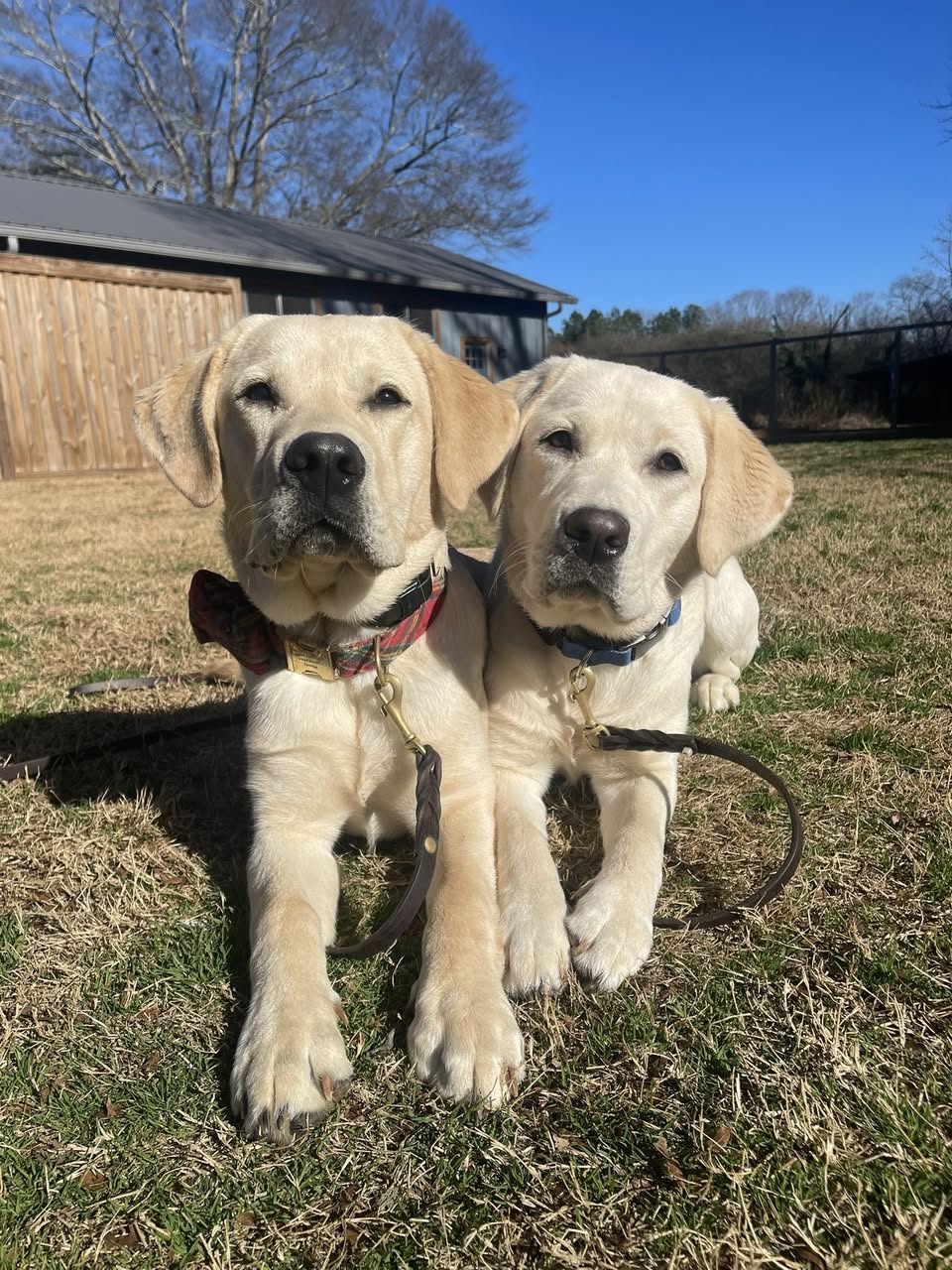
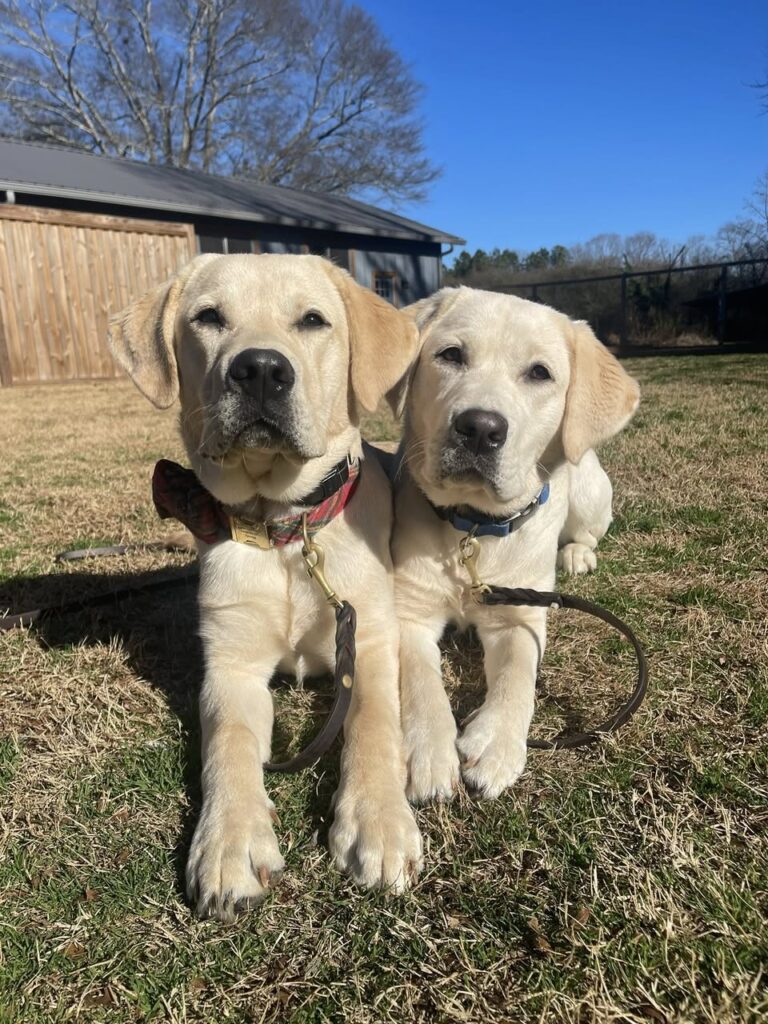
At Ducktown Lodge, we recently sent five board-and-train graduates home to their families. Every dog left with solid skills and greater confidence. However, what happens during the first 30 days at home determines whether that progress becomes part of everyday life.
Life after board and train does not require perfection. It requires clear communication, predictable routines, and steady follow-through from everyone in the household.
Why Consistency in Dog Training Matters After Graduation
A board-and-train program gives your dog a structured environment in which to learn. Meals, training sessions, outdoor time, rest, and play happen according to a predictable routine.
Then graduation day arrives.
Your dog returns to a home filled with familiar people, exciting smells, old habits, visitors, children, other pets, and everyday distractions. Even a well-trained dog may initially feel unsure about whether the expectations learned during training still apply at home.
Dogs do not necessarily come home trying to test their owners. They come home looking for information.
Are the rules still the same?
Do I still wait calmly at the door?
Am I expected to stay on place when visitors arrive?
Does “come” mean the same thing here?
When the answers remain consistent, dogs relax. When the answers change from person to person or day to day, dogs begin guessing. That uncertainty is where old habits can return.
Consistency in dog training gives your dog the reassurance that the structure learned during training still exists at home.
Life After Board and Train: What to Expect During the First Week
The first week after board and train should feel calm and intentional. This is not the time to immediately test your dog in every difficult situation.
Your dog needs time to reconnect with the family while learning that the same expectations now apply at home.
During the first week:
- Follow the feeding, crate, walking, and rest routines recommended by your trainer.
- Practice obedience in short, successful sessions.
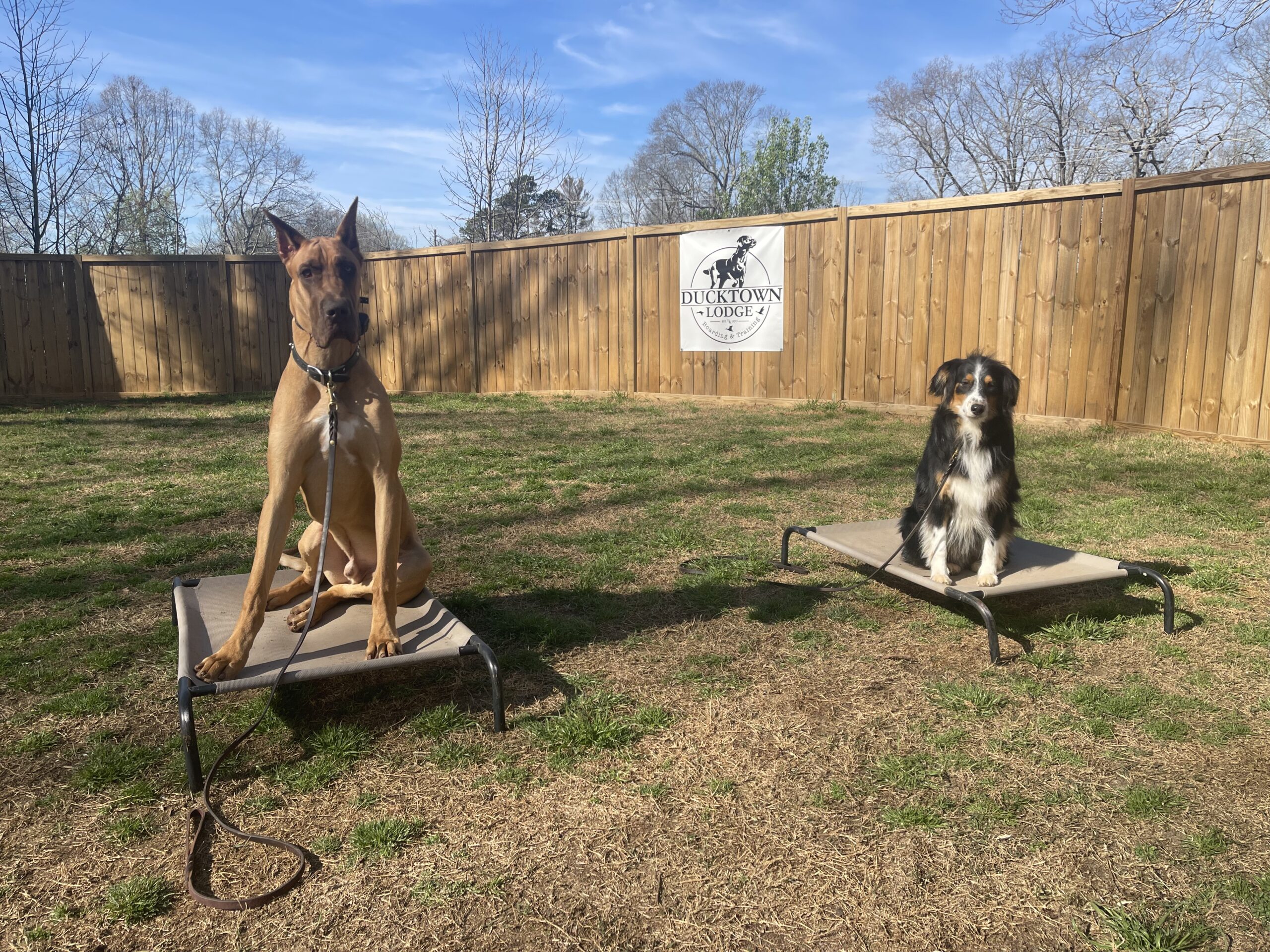
- Use your dog’s place command during ordinary household activities.
- Keep greetings calm, especially around children and visitors.
- Avoid offering too much freedom too quickly.
- Make sure everyone uses the same commands and expectations.
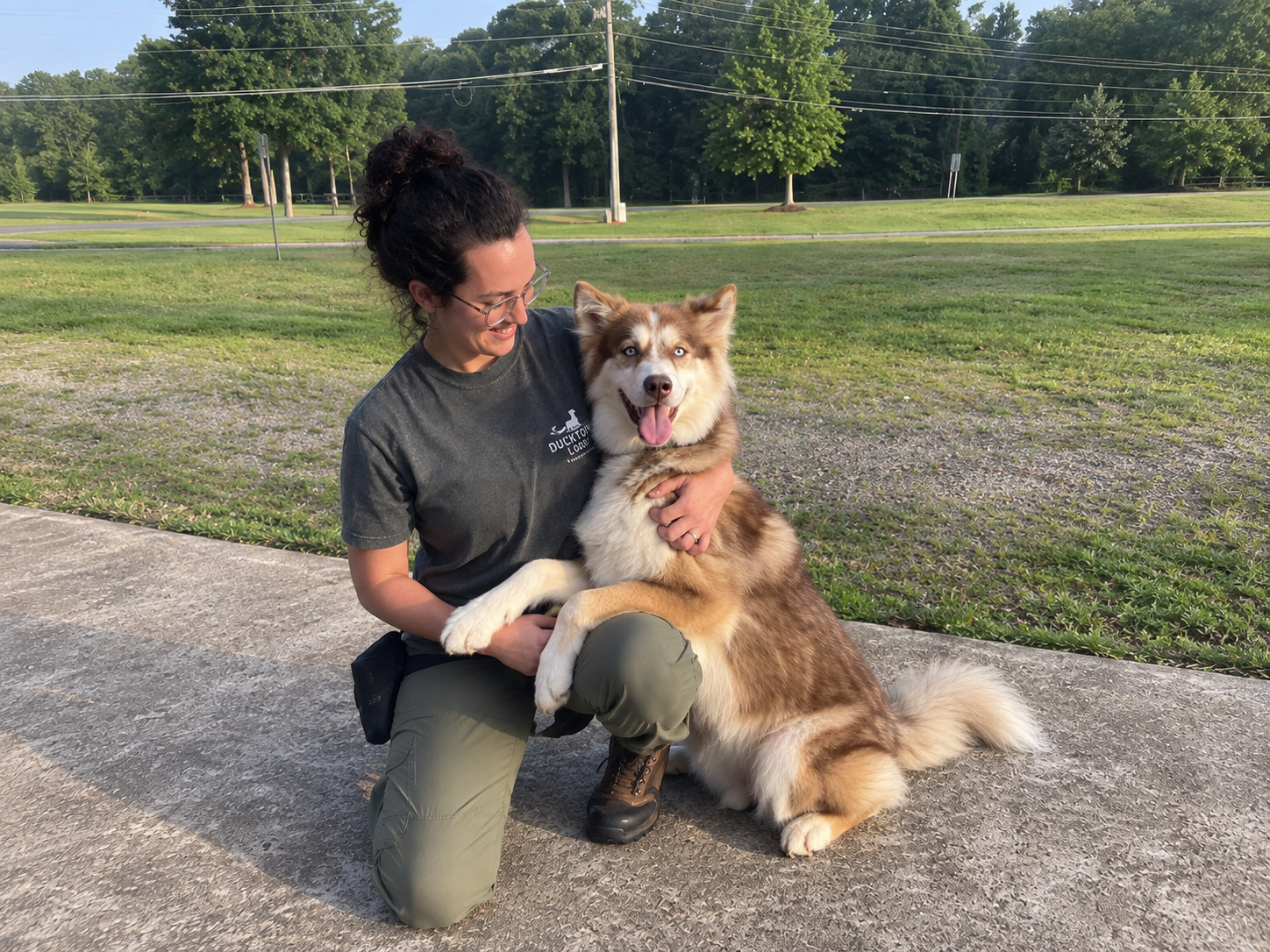
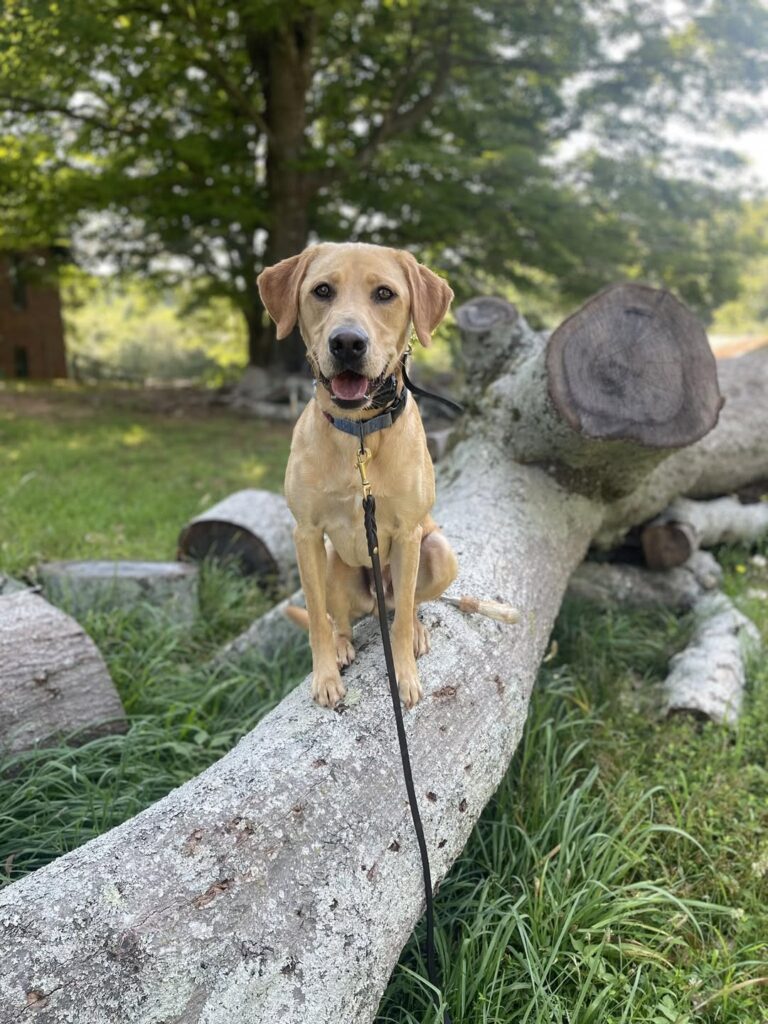
Paddington, one of our graduates, practiced his place command as soon as he returned home. His family did not wait for a difficult moment to use it. They made it part of the daily routine while the house was calm.
That matters because dogs learn through repetition. Practicing a skill before you urgently need it makes the behavior more reliable when excitement or distractions arise.
The First 30 Days: A Simple Consistency Plan
Week One: Rebuild the Routine at Home
Your first goal is not to see how much freedom your dog can handle. Your goal is to help the dog understand how their new skills fit into home life.
Keep the routine simple and predictable. Practice basic commands such as sit, down, place, heel, and come. Reward calm decisions and provide clear guidance when your dog becomes confused.
Short, successful practice is more valuable than one long, frustrating training session.
Week Two: Add Everyday Distractions
Once your dog is responding reliably in a quiet environment, begin adding normal household distractions.
Practice place while preparing dinner. Work on leash manners in the driveway. Ask for calm behavior when family members enter the room. Use obedience during real life instead of treating training as something that happens only during a formal session.
This is where consistency in dog training begins turning learned commands into reliable habits.
Week Three: Practice in New Environments
Dogs do not automatically understand that a command applies everywhere. A dog that heels beautifully at Ducktown Lodge may need help understanding how to heel through your neighborhood or outside a busy store.
Start visiting different locations, but choose environments your dog can handle successfully. Gradually increase distractions rather than jumping directly into the most difficult setting.
Your dog should be challenged without becoming overwhelmed.
Week Four: Evaluate Progress Without Dropping Structure
By the fourth week, many families feel more comfortable and begin relaxing the rules. This is often when small problems quietly return.
Your dog may be doing wonderfully, but that does not mean the structure is no longer needed. It means the structure is working.
At the end of the first 30 days, ask:
- Is my dog responding the first time I give a command?
- Are all family members following the same rules?
- Am I using obedience during everyday activities?
- Have I given freedom gradually?
- Do I need help with a particular situation?
Dog training consistency does not mean following a rigid schedule forever. It means maintaining clear expectations as your dog earns more freedom.
Common Mistakes That Can Undo Board-and-Train Progress
Most regression is not caused by a stubborn dog or a failed training program. It usually develops through small inconsistencies that create a new pattern.
Repeating Commands
If “place” is repeated five times before follow-through occurs, your dog may learn that the first four commands do not matter. Give the command clearly, then calmly help your dog complete it using the techniques demonstrated during the take-home lesson.
Giving Freedom Too Quickly
Many owners are excited to see what their graduate can do. However, immediate access to the entire house, unlimited play, or complete freedom around distractions can make expectations unclear.
Freedom should grow as your dog demonstrates responsibility.
Allowing Different Rules for Different People
One person allows jumping while another corrects it. One family member expects the dog to hold place while another releases the dog without a command. These mixed messages make success harder.
Before your dog comes home, decide what the household rules will be and ask everyone to follow them.
Waiting for a Problem Before Practicing
Do not wait until guests arrive to practice place. Do not wait until your dog spots a squirrel to work on recall. Build reliability during calm moments first.
Preparation makes difficult situations easier.
Consistency Builds Trust, Not Just Obedience
Consistency in dog training is not about being harsh, controlling, or perfect. It is about making life easier for your dog to understand.
Predictable routines and calmly enforced boundaries reduce the need for your dog to guess. Over time, that clarity builds confidence and trust.
Dogs begin to understand:
- What behavior is expected
- How to make good choices
- When they can relax
- Who will provide calm guidance
- How to succeed in different situations
That is why successful training is about more than commands. A reliable sit, heel, place, or recall can make daily life safer, but the deeper result is a dog that feels secure and connected to the people providing direction.
How Ducktown Lodge Supports Life After Board and Train
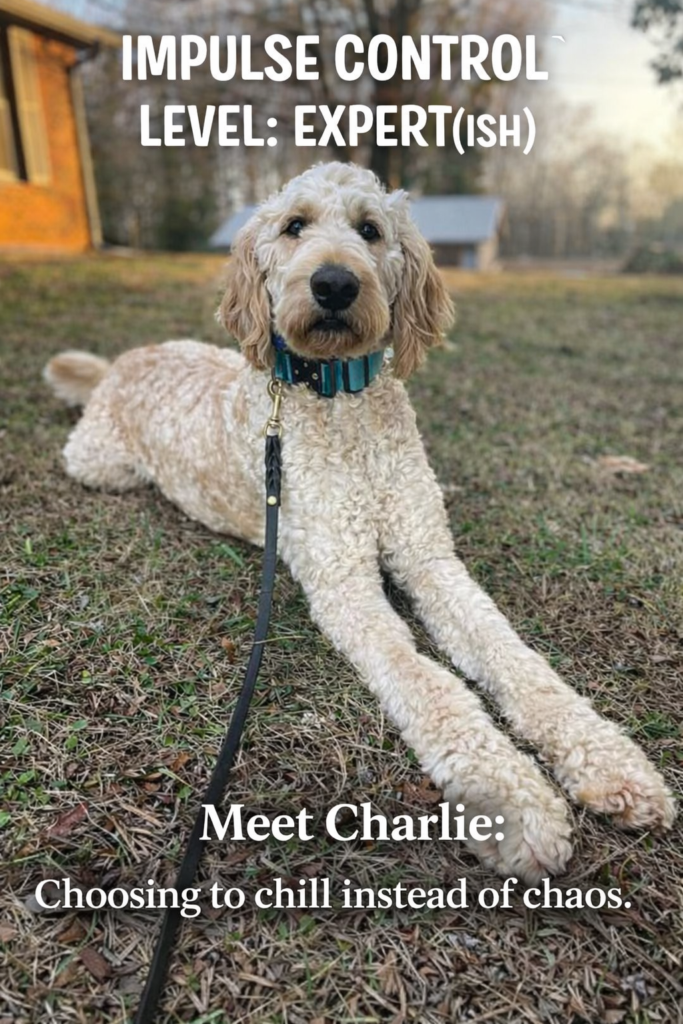
Our responsibility does not end when a dog graduates.
Before every dog goes home, we teach the family how to use the commands, equipment, routines, and boundaries the dog learned during training. We also discuss what the first days and weeks may look like once real life resumes.
Questions after graduation do not mean you have failed. They mean you are actively protecting your dog’s progress.
Our low-volume board-and-train program allows us to learn each dog’s individual habits and help owners understand what their particular dog needs. We provide a detailed take-home lesson and continued support because owner follow-through is an essential part of lasting success.
Protect the Progress Your Dog Has Made
The first 30 days after board and train are not about performing every command perfectly. They are about creating a steady bridge between the structure of training and everyday family life.
Keep the routine clear. Practice in short sessions. Add distractions gradually. Give freedom as it is earned. Most importantly, stay consistent even when life gets busy.
Your dog has already done important work. Your follow-through helps that work become a lasting way of life.
If you are looking for personalized dog training in Cumming, GA, or you need help maintaining your dog’s progress after graduation, contact Ducktown Lodge. We are happy to talk through your dog’s needs and help you choose the right next step.
Ducktown Lodge
6140 Dahlonega Highway
Cumming, GA
(770) 733-0836
hello@ducktownlodge.com