How to stop puppy biting is one of the most common questions we get—often from overwhelmed new puppy owners calling us after a rough day of nipping, sore hands, and second-guessing themselves. Those early weeks can feel intense, painful, and confusing, even when you’re doing everything right.
At Ducktown Lodge, we’ve raised and worked with hundreds of puppies over the years, guiding many first-time owners through this exact stage. What we’ve learned is simple but reassuring: puppy biting is a normal part of development, and with the right structure and understanding, puppies grow into emotionally balanced, well-adjusted dogs.
Puppy biting is a normal part of development. Puppies bite to explore, soothe sore gums, communicate boundaries, and manage big emotions they don’t yet know how to regulate. The goal isn’t to eliminate biting overnight. The goal is to guide it, reduce how often it’s directed at people, and teach your puppy what is appropriate to put their mouth on.
When you understand why puppy biting happens, puppy training becomes calmer, clearer, and far more effective.
Why Puppy Biting Is So Common
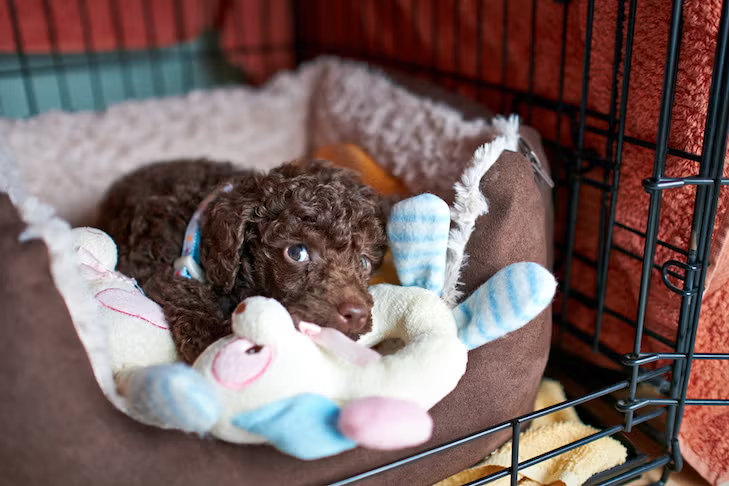
Puppies experience the world through their mouths. Long before impulse control or emotional regulation develops, biting is how they learn about pressure, texture, and interaction. This doesn’t mean your puppy is aggressive, dominant, or “bad.” It means they’re immature and learning.
This is where nature and nurture work together. Puppies are born wired to bite, chew, and mouth. What they learn next depends on their environment, structure, and guidance.
What Puppy Biting Is Communicating
Puppy biting is information. It’s a signal that something is happening internally, even if it looks chaotic on the outside. Most biting falls into a few common categories.
Overtired Puppies
An overtired puppy often looks wild instead of sleepy. When exhaustion sets in, impulse control disappears, and biting escalates. Many puppy biting issues improve dramatically when naps are protected and predictable. Sleep is not optional. For most puppies, 18–20 hours of rest per day is normal and necessary.
Overstimulation and Excitement
Young puppies don’t know how to regulate big emotions. When excitement builds too high, inhibition drops and teeth come out. Fast play, loud voices, and constant activity can push puppies past their ability to cope.
The earlier you help your puppy pause and settle, the easier it is for them to learn self-control.
Frustration
Biting can also be a response to frustration. Handling, grooming, restraint, or rules that feel confusing may cause puppies to use their mouths to express “this is too much.”
Breaking challenges into small, manageable steps and rewarding calm cooperation helps puppies learn coping skills instead of reaching for their teeth.
Human Habits That Invite Biting
Sometimes we unintentionally encourage biting. Sitting on the floor with an excited puppy, moving hands quickly, or using high-pitched voices can trigger natural chase and grab instincts.
Puppies aren’t being defiant. They’re responding exactly as designed.
Asking for Space
Some puppies bite when they’ve had enough handling. This is often their way of saying “I need a break.” Teaching puppies that they can opt in or out of interaction without using teeth builds trust and emotional safety early in puppy training.
Because They’re Puppies
Even with perfect structure, puppies will still bite sometimes. Chewing and mouthing are developmental. Management matters more than perfection during this phase.
What “Stopping” Puppy Biting Really Means
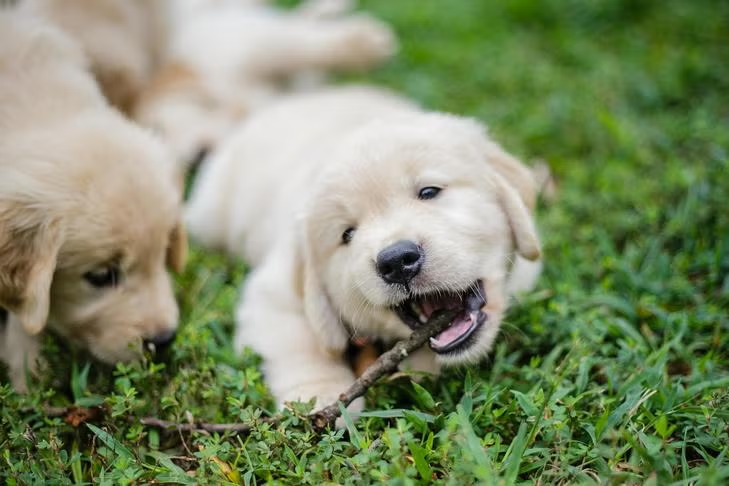
Stopping puppy biting doesn’t mean zero bites immediately. Progress looks like:
- Softer mouths
- Fewer bites per day
- Faster recovery when overstimulated
- Choosing toys instead of skin
The real puppy training goal is redirection and regulation, not suppression.
8 Solutions for Puppy Biting That Actually Work
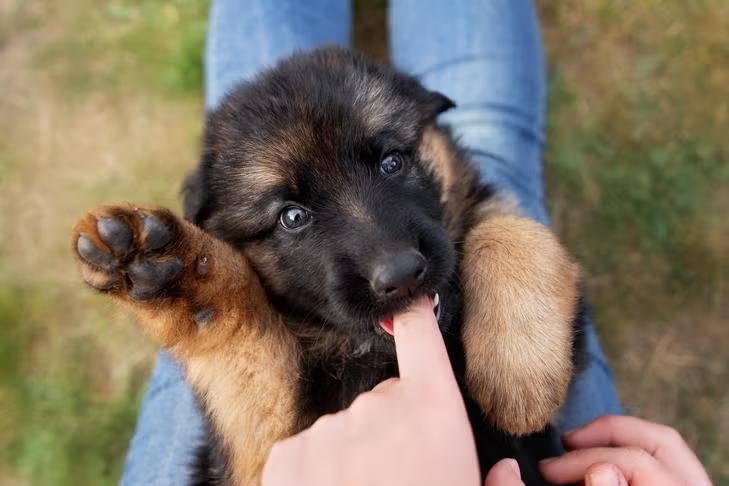
1. Redirect to Appropriate Chews
When your puppy bites, calmly offer something better. Frozen rubber toys, textured chews, and puppy-safe bones give relief for teething and satisfy the urge to gnaw.
Redirection works best when toys are always within reach.
2. Teach Bite Inhibition
Puppies must learn how much pressure is acceptable. If a bite is too hard, briefly end the interaction. A simple “ouch” followed by removing attention teaches your puppy that hard bites make the fun stop.
This is not punishment. It’s feedback.
3. Provide Variety in Chewing Outlets
Different textures meet different needs. Rotate chews so your puppy doesn’t get bored and look for stimulation elsewhere—like your hands or clothing.
4. Protect Sleep
Many puppy biting problems are really sleep problems. Scheduled naps throughout the day prevent overtired meltdowns and evening chaos.
Sleep supports learning more than any correction ever will.
5. Meet Physical and Mental Needs
Appropriate exercise, short training games, sniffing activities, and puzzle toys help burn energy in healthy ways. Mental work often tires puppies more effectively than physical play alone.
6. Avoid Rough or Hand-Based Play
Hands are not toys. Wrestling and hand-biting games teach puppies habits that are hard to undo. Keep play focused on toys so your puppy learns clear boundaries early.
7. Healthy Socialization
Supervised play with other stable puppies or dogs teaches bite pressure and social cues faster than humans can. This is a critical part of early puppy training when done safely.
8. Consistency Matters
Every time a biting ends interaction, learning happens. Inconsistency is what keeps biting alive. Everyone in the household should respond the same way.
Our Go-To Puppy Biting Chews at Ducktown
One of the simplest ways to reduce puppy biting is to make sure puppies always have something appropriate to put their teeth on. Over the years, we’ve raised and worked with hundreds of puppies at Ducktown Retrievers and Ducktown Lodge, and a few chew options consistently stand out for early puppy training.
These are the types of chews we reach for when puppies are teething, overstimulated, or looking for an outlet for that natural need to gnaw.
Our Puppy Chew Shortlist
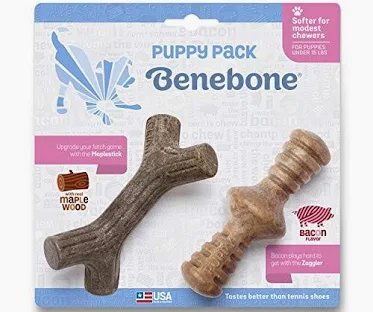
Benebone Puppy Chews
These are a staple for us during the teething phase. They’re designed specifically for puppy teeth, durable without being too hard, and easy for young puppies to hold and engage with independently. We especially like options that offer texture or a dental shape, which gives puppies something interesting to focus on when their mouths are uncomfortable.
We are a Hollywood Feed Shopper and highly recommend them.
Frozen Rubber Toys (Stuffable)
Stuffable rubber toys that can be frozen are incredibly helpful for soothing sore gums and encouraging calm chewing. These are often our first choice when a puppy is getting extra mouthy from discomfort or fatigue.
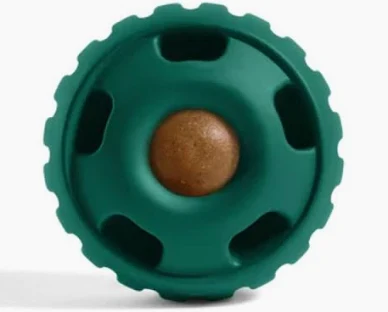
Soft but Durable Textured Chews
Chews with ridges, grooves, or mixed textures give puppies sensory feedback that helps satisfy the urge to bite without targeting hands, sleeves, or furniture.
Why the Right Chews Matter in Puppy Training
Chewing isn’t something puppies grow out of—it’s something they learn to manage. When puppies have consistent access to safe, engaging chews, it becomes much easier to redirect puppy biting behavior and reinforce good habits early on.
The goal of early puppy training isn’t to stop chewing. It’s to teach puppies where chewing belongs.
Puppy Training Ground Rules That Prevent Bigger Problems
Avoid teasing your puppy with fingers, toes, or hands to start play. This teaches them that human skin is part of the game.
Play is important and builds a strong bond. The goal is gentle, structured play—not no play at all.
If your puppy mouths your hands or feet, avoid jerking away quickly. Fast movement encourages chasing and grabbing. Instead, go still, make your hands boring, and calmly remove attention.
Physical punishment does not teach bite inhibition. Slapping, hitting, scruff shaking, or harsh corrections often cause puppies to bite harder, play more aggressively, or become fearful. Fear interferes with learning and can create long-term behavior issues.
Early puppy training should build trust, clarity, and confidence—not confusion.
When to Ask for Help
If puppy biting is not improving with structure, rest, and consistency—or if frustration is replacing learning—it’s okay to seek support. Early guidance can prevent habits from becoming harder to change later.
Puppy training isn’t about perfection. It’s about giving puppies a clear, calm head start.
A Final Word for Puppy Owners
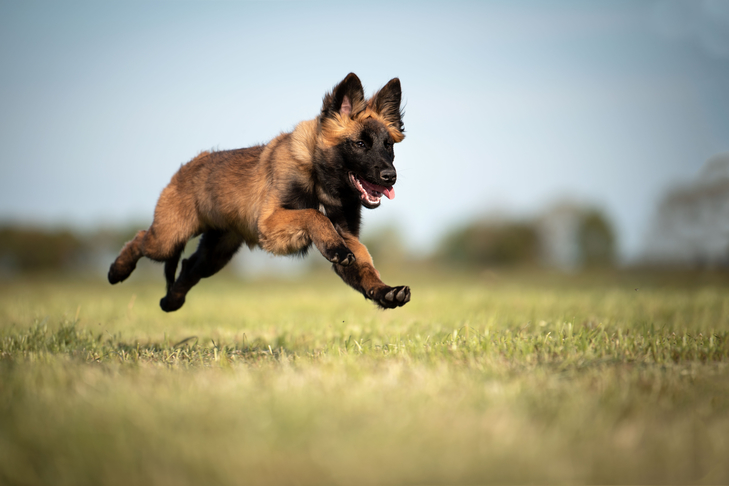
This phase passes. With patience, structure, and realistic expectations, biting fades as puppies learn regulation and self control. Progress is gradual, but it’s real. As your puppy grows, it’s helpful to remember that chewing doesn’t disappear just because teething ends. Even adult dogs have a natural need to chew. Continuing to offer appropriate chew toys and safe edibles gives them an outlet for that instinct while also supporting dental health and overall enrichment. Chewing is a lifelong behavior—it becomes easier to manage when it’s guided well from the start.
This stage can feel long when you’re in it, but it truly is temporary. With patience, structure, and realistic expectations, your puppy will move through the nipping and chewing phase and come out the other side more regulated and settled. One day, the sharp teeth and shredded sleeves will be memories you laugh about, not problems you’re managing daily.
If you’d like a deeper look at the physical aspects of teething and nipping, the American Kennel Club offers a helpful overview that may be reassuring. Following AKC Guidelines is essential.
You’re doing important work right now. Guiding a puppy through these early stages lays the foundation for a well-adjusted adult dog—and that effort pays off for years to come.
You’re not asking for too much. You’re simply raising a puppy who’s still learning how to exist in the world.
If you need support along the way, start with a conversation. Calm guidance now creates a steadier dog for life. Call Today for tips and help regarding your puppy’s needs 770-733-0836.