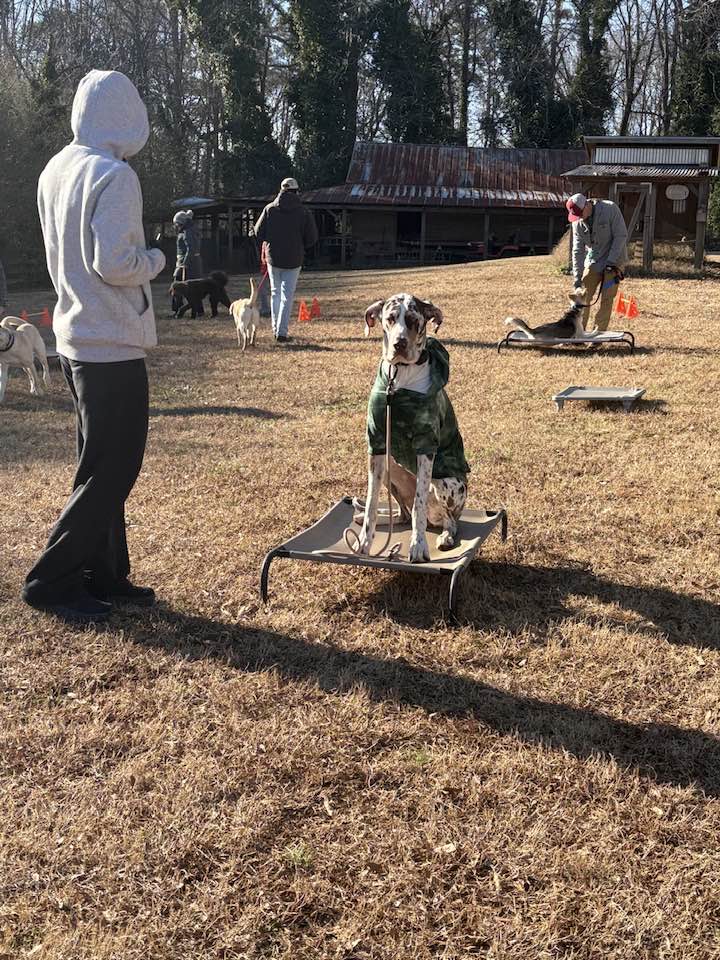
Why Training a Shy Dog Requires a Different Approach
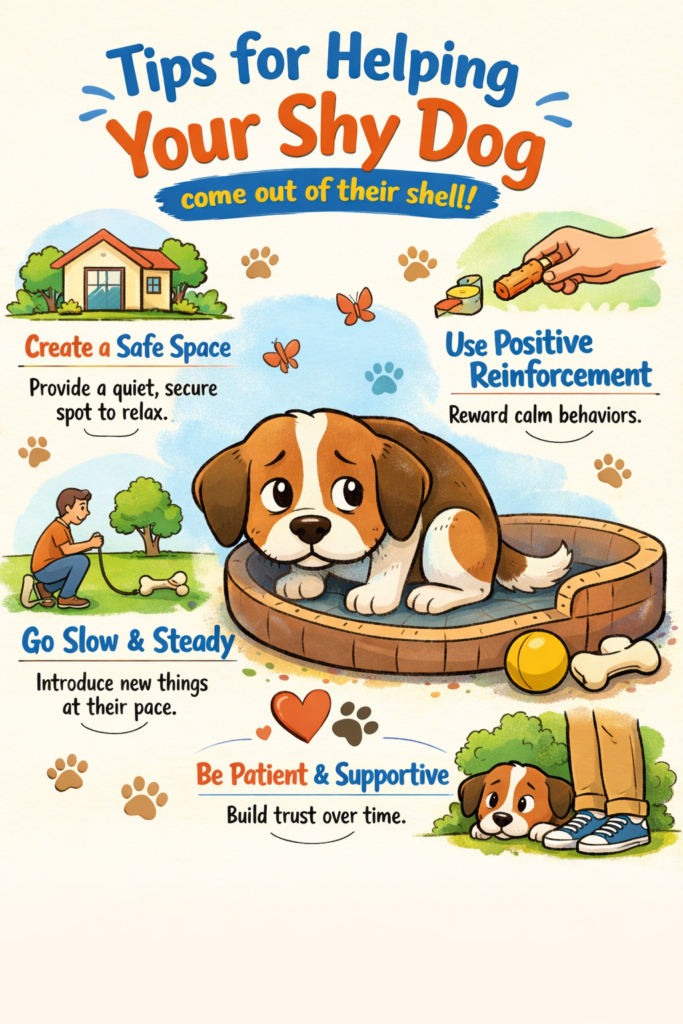
Training a shy dog is not about pushing confidence or forcing exposure. It is about helping a dog feel safe enough to engage with the world at their own pace. Shy dogs are often sensitive, observant, and easily overwhelmed by noise, pressure, or unpredictable environments.
When a dog hesitates, pauses, or shuts down, they are not being stubborn. They are communicating discomfort. Effective training starts by listening to that message instead of trying to override it.
For shy dogs, confidence grows through calm structure, consistency, and trust. Not chaos. Not pressure. And definitely not rushing.
Shy does not mean incapable
A shy dog is not a broken dog. Many shy dogs are thoughtful and deeply bonded once they feel secure. What they need is clarity and patience, not correction.
Common signs you may be training a shy dog include:
- Hesitation at thresholds or transitions
- Quiet observation instead of immediate interaction
- Slower responses in unfamiliar places
- Relaxation only once routines feel predictable
These dogs are not refusing to learn. They are assessing whether it feels safe to do so.
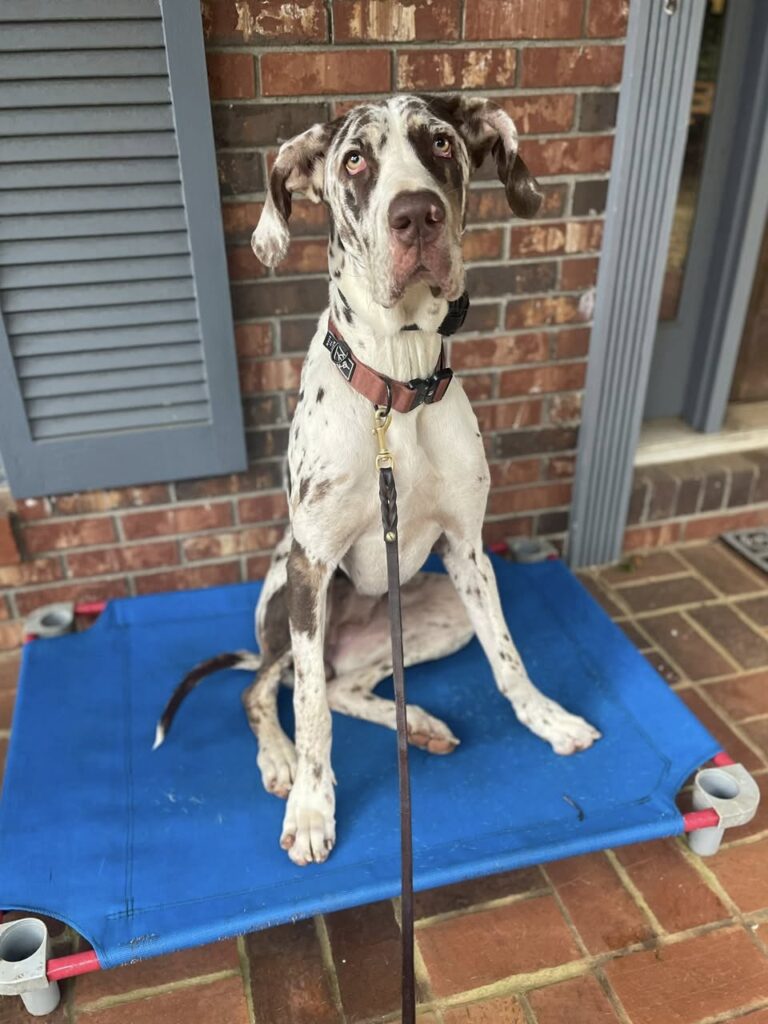
Meet Rinley, The Great Dane
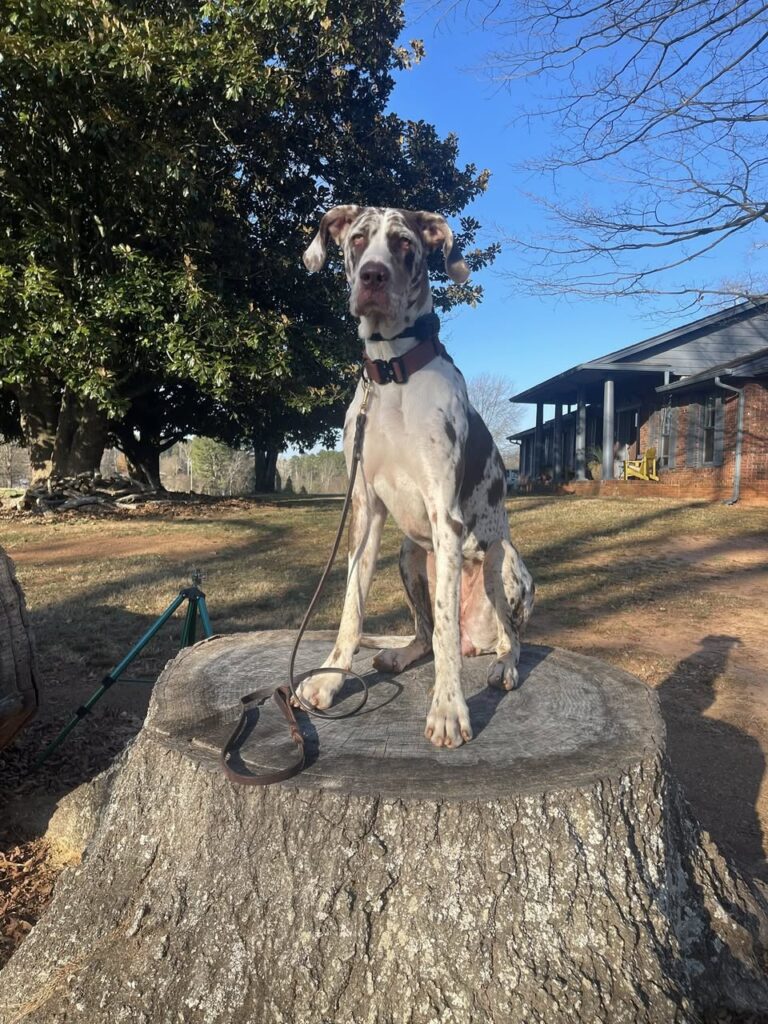
One of the biggest mistakes people make when training a shy dog is assuming more exposure will build confidence. For many sensitive dogs, too much stimulation too fast does the opposite.
Renley showed us this clearly from the very beginning.
Renley’s first day at the lodge
When we first met Renley, she would not walk through the double door threshold at the lodge. There was no panic and no resistance. She simply stopped. That pause mattered.
Instead of forcing her forward, we changed the environment. We brought her in through the backyard gate, a quieter and more open transition. With that one adjustment, Renley came inside calmly.
Nothing about her changed. The environment did.
This is a core principle when training a shy dog. If a dog is stuck, the answer is often to adjust the picture rather than apply pressure.
RENLEY’S REVIEW “Here’s what Renley’s family shared after her board & train stay with us.”
Training a Shy Dog Through Consistency and Low Volume
Once Renley was inside, the focus was not on fixing her confidence. It was on creating predictability.
Same space.
Same routines.
Same people.
Low volume.
Low key.
Shy dogs struggle in environments with rotating staff, crowded schedules, and constant noise. Their nervous systems stay on high alert, which makes learning nearly impossible.
At the lodge, Renley began to settle because she did not have to brace for constant change. Consistency gave her room to relax.
When training a shy dog, trust is built through familiarity. When dogs know what to expect, they can finally stop scanning for threats and start engaging.
When training a shy dog, especially one that feels unsure around new people, structure and predictability matter. The American Kennel Club explains that dogs who fear strangers benefit most from gradual exposure paired with clear guidance, rather than being forced into interactions before they’re ready. Building skills in a controlled setting helps dogs feel more confident navigating the world around them.
This is where a well-run obedience class can make a real difference. In our obedience classes, shy dogs learn foundational cues in a calm, low-pressure environment. The focus is not on performance. It’s on helping dogs feel safe responding to direction, even when new people or mild distractions are present. Over time, that structure helps reduce uncertainty and builds confidence that carries into everyday life.
Training a Shy Dog Starts With Safety, Not Exposure
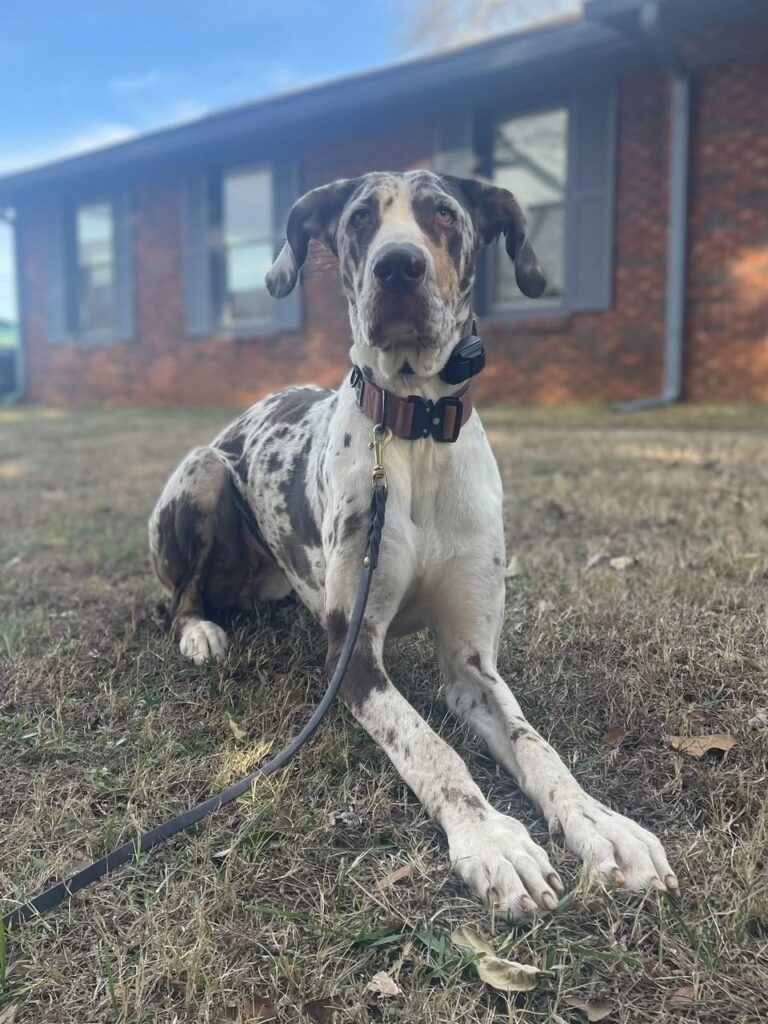
Renley is a Great Dane who came to us with low confidence. She was not reactive or disruptive. She was cautious, sensitive, and unsure in new situations.
Large, quiet dogs like Renley are often misunderstood. People expect big dogs to be confident and social. When they are not, hesitation is labeled as a problem.
Renley was not failing. She was communicating.
By respecting her pace and creating a calm environment, we allowed her to settle instead of asking her to perform.
Confidence does not always look bold. When training a shy dog, progress is often quiet and subtle.
Small changes that meant real progress
As Renley adjusted to the low-volume rhythm of the lodge, her behavior began to change naturally.
Signs of confidence building in Renley included:
- Moving through the lodge without hesitation
- Relaxed body language in familiar spaces
- Comfort with daily routines
- Willingness to engage even when distractions were present
These moments matter. For shy dogs, calm engagement is success.
From low confidence to high distraction exposure
By the time Renley graduated, she was handling higher distraction exposure with ease. Because her foundation was built in a quiet, predictable environment, she was able to take on more without becoming overwhelmed.
The lodge no longer felt like something to survive. It felt safe.
That is what effective training of a shy dog looks like. The dog does not change who they are. They become steadier within it.
Practical Tips for Training a Shy Dog at Home
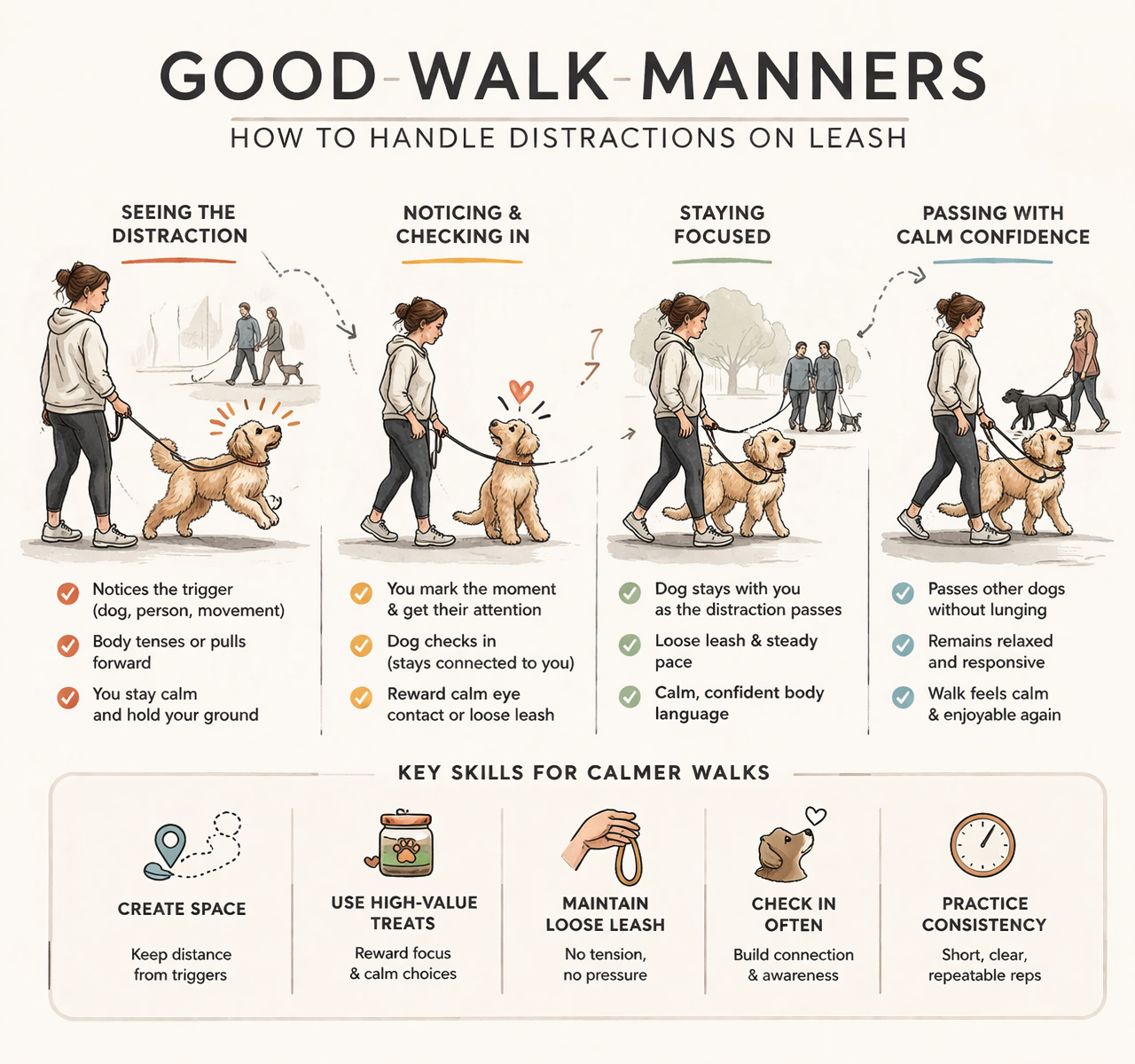
Renley’s progress reflects what behavior professionals consistently emphasize. Training a shy dog works best when it focuses on management, gradual exposure, and positive reinforcement.
Manage the environment first
Before asking your dog to learn anything new, look at what may already feel overwhelming. Busy entryways, loud sidewalks, narrow thresholds, or unpredictable routines can drain confidence quickly.
Renley showed us this immediately. Changing her entry point changed everything.
Build predictability before pushing progress
Shy dogs gain confidence when they know what comes next. Familiar people, steady routines, and clear expectations lower stress and allow learning to happen.
Confidence grows when dogs do not have to stay on guard.
Introduce new experiences slowly
When training a shy dog, new situations should be introduced at a level below overwhelm—distance and pacing matter.
For Renley, starting in calm environments made it possible for her to succeed later in higher distraction settings.
Let confidence look quiet
A confident, shy dog may never be outgoing. Calm movement, relaxed posture, and willingness to engage are meaningful wins.
Renley did not become louder. She became steadier.
Many behavior experts agree that shy dogs need patience, not pressure. According to guidance shared by Modern Dog Magazine, confidence grows when dogs are allowed to observe new situations at their own pace, paired with positive experiences rather than forced interaction. This kind of gradual, supportive exposure helps shy dogs feel safer and more willing to engage over time.
(Source: Modern Dog Magazine – Tips to Help Shy Dogs Come Out of Their Shell)
Why Low-Volume Environments Matter When Training a Shy Dog
Not every dog struggles in busy settings. Some do. Dogs like Renley often need fewer variables, not more stimulation.
Low-volume environments remove constant pressure and give sensitive dogs space to settle. When confidence is built in calm surroundings, it carries into louder environments later.
If your dog seems overwhelmed in traditional training or boarding settings, it may not be a training issue at all. It may be an environmental issue.
You Are Not Asking for Too Much
If training a shy dog feels overwhelming, you are not alone. Many owners quietly worry that their dog will never feel comfortable or confident.
Wanting your dog to feel safe is reasonable. Wanting support without pressure is reasonable. Choosing calm over chaos is reasonable.
Training a shy dog is not about forcing bravery. It is about meeting them where they are and building confidence step by step.
If you ever want to talk through what your dog is showing you, we are always here for a conversation. No rush. No pressure. Just clarity, consistency, and care.