How White Noise Reduces Separation Anxiety in Dogs When Home Alone
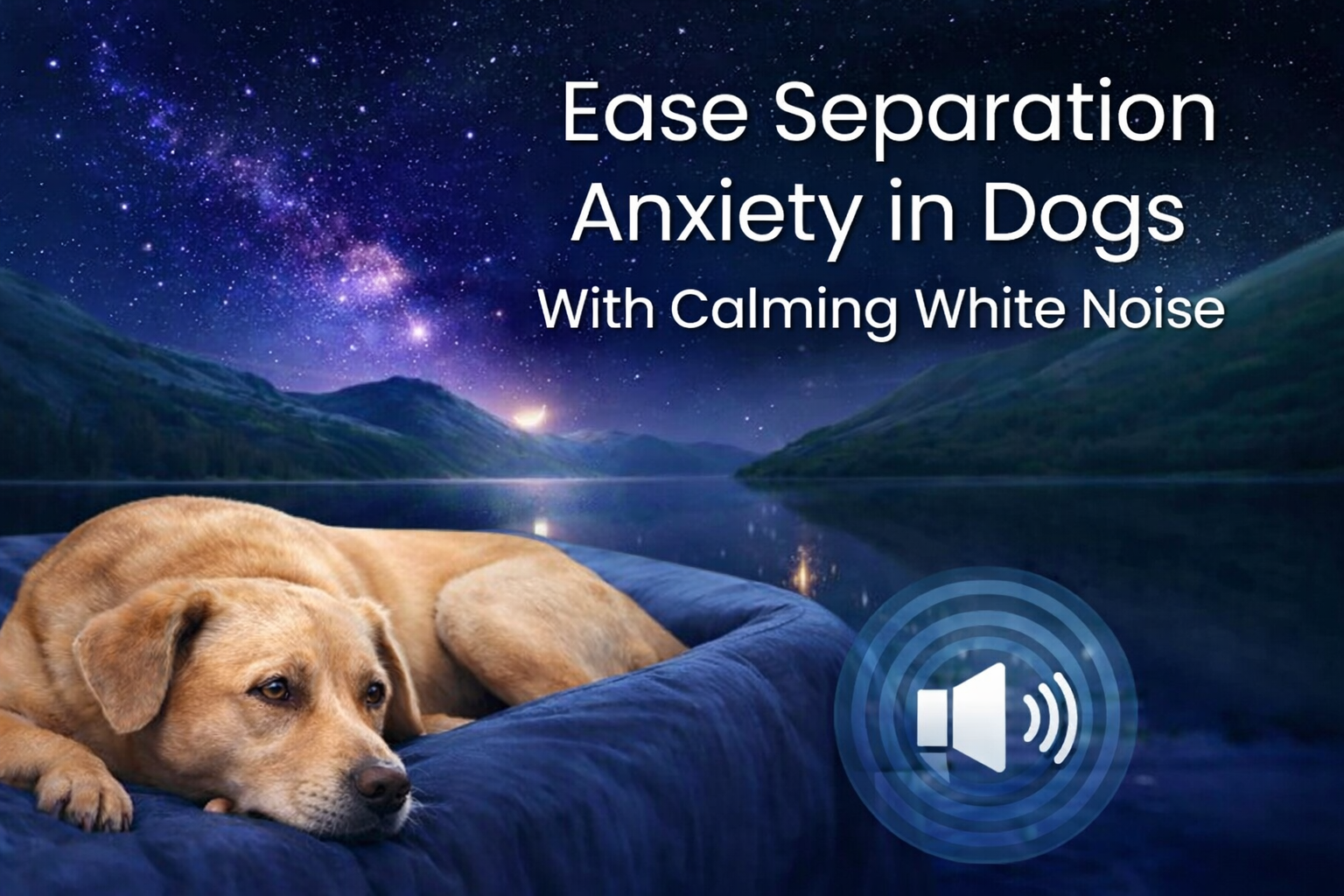
Separation anxiety in dogs is one of the most common reasons owners feel stressed about leaving home. It often shows up as barking, pacing, destructive behavior, or a dog that simply cannot settle once the door closes. In many cases, the issue is not being alone. It is the sudden loss of routine, sound, and predictability that makes a dog feel unsafe.
Separation anxiety in dogs can be reduced by creating a calm, predictable environment that limits sudden triggers and supports the nervous system. Tools like white noise help by masking outside sounds and replacing them with steady, consistent noise that allows anxious dogs to relax and rest when home alone.
Why the environment matters more than any single tool
How We Use White Noise to Support Our Guests at Ducktown Lodge
At Ducktown Lodge, we don’t reach for tools to change dogs. We use them to support dogs while they settle into a space that’s already designed to feel safe. White noise is one of those tools. Not because it fixes anxiety, but because it can make the world feel quieter and more predictable for dogs who are already working hard to regulate themselves.
Many of our guests are sensitive to sound. That doesn’t mean something is wrong with them. Dogs hear more than we do, and they process those sounds differently. A truck passing in the distance, another dog barking far away, a door closing on the property, or even nighttime noises can interrupt rest and keep a dog’s nervous system on alert. For dogs who are away from home, those interruptions can add up quickly.
We use white noise to soften the edges of the environment. The goal is not silence. The goal is consistency.
Why the environment matters more than any single tool
White noise works best when it is part of a calm, structured environment. It is not meant to drown out fear or replace training. Instead, it supports dogs by reducing unnecessary triggers so their nervous system can settle. In the rest of this post, we will break down how white noise helps, when it works best, and how to use it thoughtfully with anxious dogs.
Creating a calm, predictable environment is one of the most effective ways to reduce separation anxiety in dogs without adding pressure or confusion.
A Tool That Works Best When the Dog Feels Safe
White noise works best when it’s used in a calm, predictable environment. It doesn’t fix anxiety on its own, but it can reduce unnecessary triggers so dogs can rest instead of staying on alert. If you’d like to learn more about how white noise can support dogs at home, the American Kennel Club offers a helpful overview on white noise machines for dogs that’s worth a read
When paired with quiet spaces, steady routines, and consistent care, white noise becomes a simple support that helps some dogs settle more fully. The goal is not silence. It’s helping dogs feel safe enough to relax.
How White Noise Helps Reduce Separation Anxiety in Dogs
When a dog struggles with separation anxiety, it is rarely about stubbornness or misbehavior. It is a nervous system issue. The moment the house goes quiet or unfamiliar sounds cut through the silence, their body goes into alert mode. White noise helps by changing the sound landscape so the environment feels steadier and less threatening.
Dogs do not need silence to relax. They need predictability.
Separation Anxiety in Dogs and How White Noise Helps
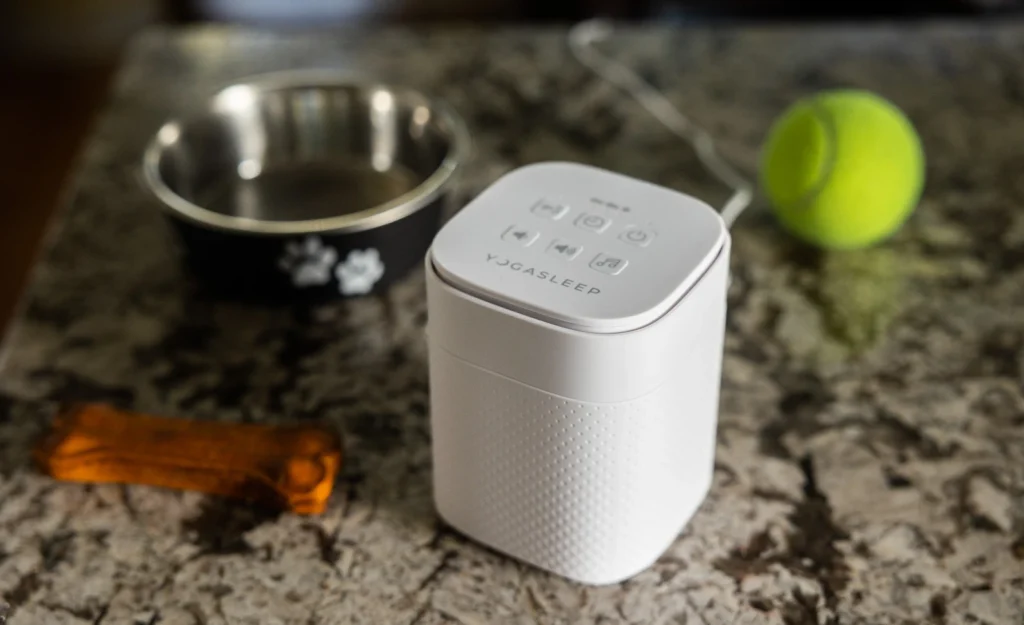
Dogs hear far more than we do. Sounds that barely register for humans can feel sharp and intrusive to them. White noise creates a gentle sound barrier that reduces how clearly those noises come through.
How masking helps anxious dogs
- Traffic and neighborhood noise
Cars, trucks, and distant sirens can keep dogs on edge. White noise softens these sounds so they fade into the background. - Other dogs barking
Barking often triggers barking. Masking those sounds can prevent that reactive spiral from starting. - Doorbells and delivery drivers
Sudden, high-pitched noises are especially activating. A steady sound reduces the contrast that causes startle responses.
When those triggers lose their edge, many dogs stop scanning the environment and start settling instead.
Why Separation Anxiety in Dogs Is Triggered by Sound and Sudden Change
For dogs with separation anxiety, silence can feel loud. The shift from a busy house to a quiet one can increase panic and uncertainty. White noise helps bridge that gap.
Why does this matter during alone time
- It keeps the environment from feeling empty or abrupt
- It provides consistency when routines change
- It reduces stress behaviors that stem from anticipation and panic
White noise is especially helpful when paired with a predictable departure routine so the dog does not associate quiet with being abandoned.
Supporting Calm During Storms and Fireworks
Thunder and fireworks are some of the most common anxiety triggers for dogs. The unpredictability is what makes them frightening.
How white noise helps in these moments
- It masks sudden booms and sharp cracks
- It provides a steady auditory anchor
- It reduces the intensity of sound spikes that trigger fear
While it will not eliminate fear entirely, it can lower the overall stress level so dogs recover more quickly.
Promoting Better Rest and Sleep
An anxious dog that does not rest well will struggle to regulate during the day. Sleep is foundational.
Benefits of white noise for rest
- Helps dogs fall asleep faster
- Reduces frequent wake-ups caused by outside noise
- Encourages deeper, more consistent rest
Better sleep often leads to calmer behavior, improved focus, and a dog that feels more balanced overall.
Using White Noise to Help Dogs With Separation Anxiety Settle Faster
White noise is most effective when it supports a calm routine rather than replacing one. The goal is not to keep a dog distracted. The goal is to help their nervous system settle enough to rest and feel safe.
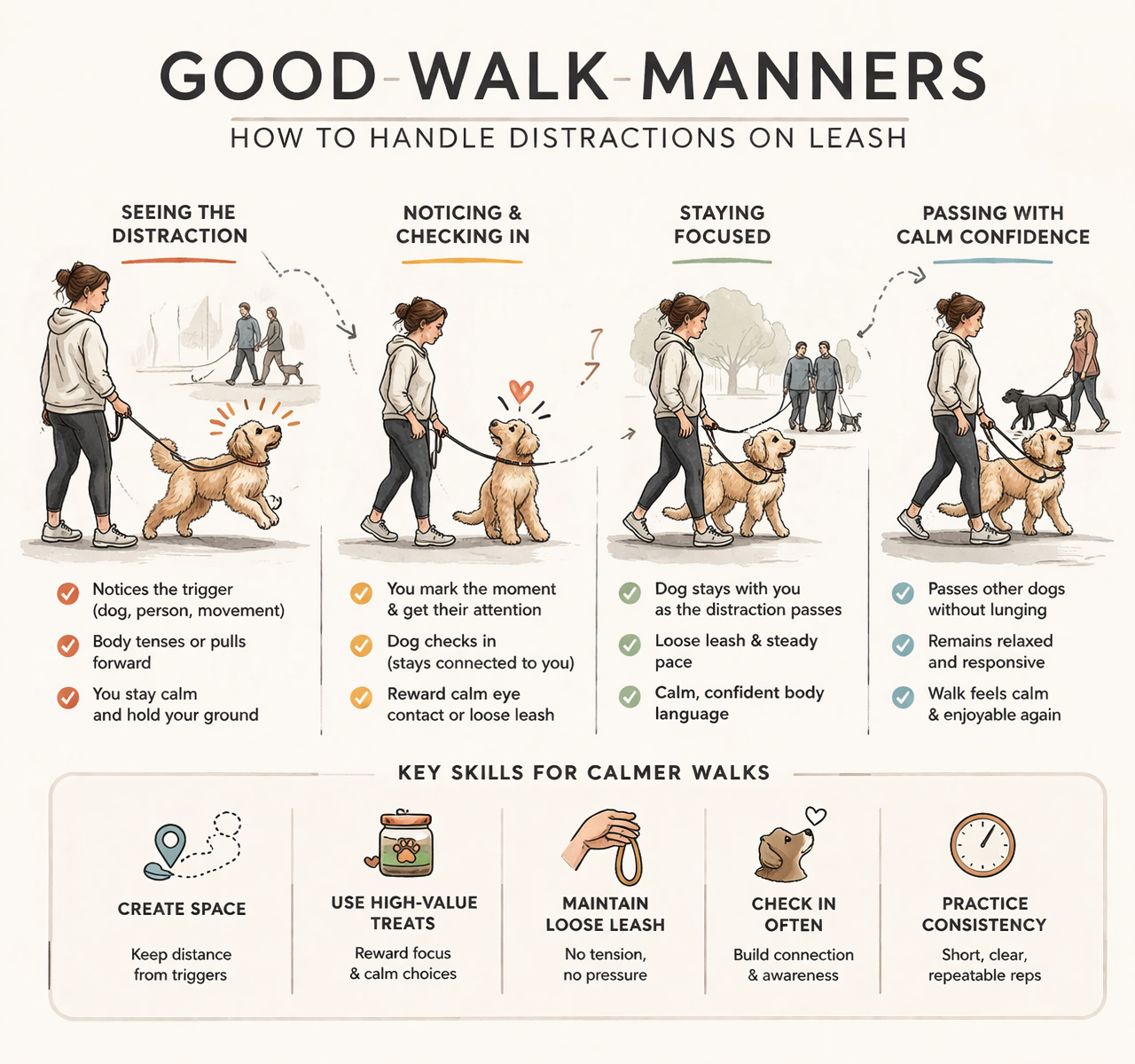
How you introduce it matters.
Start Low and Keep It Neutral
Dogs hear more sharply than humans, so volume matters more than people expect.
Best practices for sound choice and volume
- Keep the volume low enough that you can speak normally in the room
- Avoid sudden changes in volume throughout the day
- Choose neutral sounds like steady white noise, a fan, rainfall, or ocean waves
- Avoid music or voices, which can be stimulating or confusing
The sound should fade into the environment, not dominate it.
Pair White Noise With Predictable Routines
White noise works best when it supports structure. Dogs with separation anxiety need clear patterns so their body knows what to expect.
Helpful routines to pair with white noise
- Turn it on before you leave, not after
- Use it consistently during rest periods
- Pair it with calm activities like crate time or settling on a bed
- Keep departures and arrivals low-key
Consistency teaches the dog that quiet moments are safe, not something to fear.
Avoid Using White Noise to Mask Bigger Problems
White noise is a support tool. It is not meant to cover up distress signals.
Signs your dog may need more support
- Persistent pacing or panting
- Destructive behavior that continues
- Vocalizing that escalates instead of settling
- Refusal to eat or rest when alone
If anxiety remains high, the solution usually involves environment, structure, training, or professional guidance. Tools work best when they support the bigger picture.
How White Noise Helps With Separation Anxiety in Dogs at Home
The most important feedback comes from the dog.
Signs white noise is helping
- Softer body language
- Faster settling after you leave
- Longer periods of rest or sleep
- Reduced reactivity to outside sounds
If tension increases, adjust the volume, change the sound, or stop using it altogether. The right tool should make things feel easier, not harder.
How a Low-Stress Environment Makes Tools Like White Noise More Effective
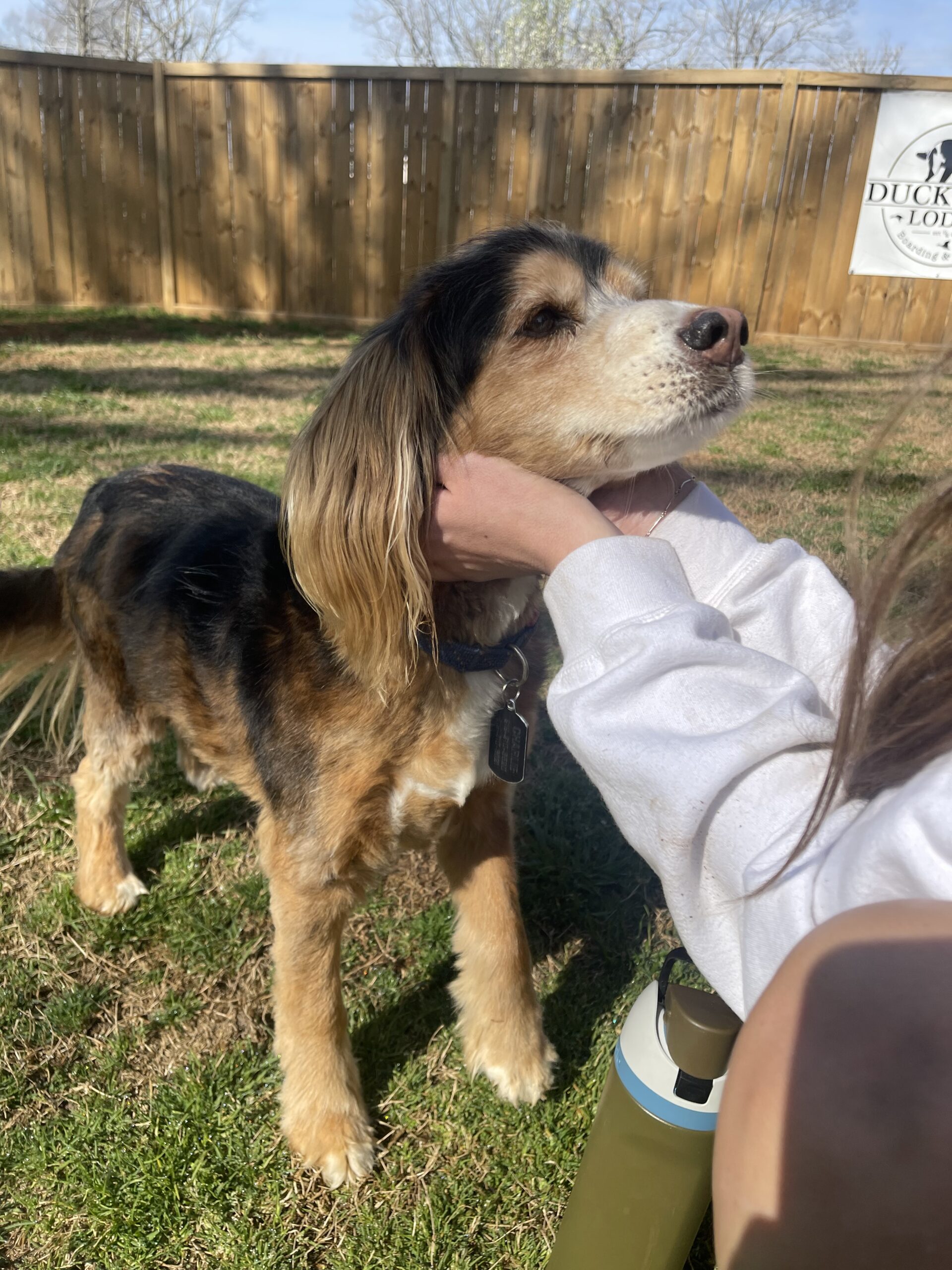
At Ducktown Lodge, we don’t start with tools. We start with the environment. White noise only works when a dog already feels reasonably safe in their surroundings. That is why our care model is intentionally quiet, low volume, and predictable.
An anxious dog cannot settle in chaos.
Fewer Dogs Means Less Noise and Less Pressure
High-volume environments create constant stimulation. Doors opening. Dogs barking. People moving in and out. For anxious dogs, that level of activity keeps their nervous system switched on.
Our low-volume model reduces background stress before white noise is ever introduced.
Why this matters
- Fewer dogs means fewer unpredictable sounds
- Quiet transitions reduce startle responses
- Private spaces allow dogs to decompress
- Calm surroundings make steady sounds feel reassuring
White noise works best when it blends into an already calm environment.
Consistency Builds Safety
Anxiety often comes from not knowing what will happen next. Consistency removes that question.
Dogs experience the same routines, the same care style, and the same people each day. That predictability lowers baseline stress levels, making supportive tools like white noise more effective.
Tools Are Used With Intention, Not as a Shortcut
White noise is never used to suppress behavior or ignore distress. It is used to support dogs who are already learning how to settle.
If a tool does not help a dog feel calmer, clearer, or more at ease, it is not the right tool for that dog.
The Goal Is Not Silence. It Is Safety.
Anxiety is not solved by making the world disappear. It eases when a dog feels safe enough to stop bracing.
White noise is one small way to reduce unnecessary stressors so a dog can rest instead of staying on alert. Used thoughtfully, it supports calm, emotional safety, and trust built over time.
You Don’t Have to Keep Worrying About Your Dog When You Leave
If leaving your dog home alone fills you with guilt or stress, you are not being dramatic. You are paying attention. Dogs with anxiety do not need to be pushed through it or ignored until they adjust. They need an environment that helps them feel safe enough to settle.
When the space is calm, routines are predictable, and tools like white noise are used thoughtfully, many dogs begin to rest instead of panic. Owners notice fewer anxious behaviors, better sleep, and a dog that feels steadier overall.
At Ducktown Lodge, this is how we approach care every day. Fewer dogs. Quieter spaces. Consistent people. Supportive tools used with intention.
When separation anxiety in dogs is supported with calm routines and thoughtful tools, many dogs begin to rest instead of panicking.
If you are ready to talk through what support could look like for your dog, start with a conversation. We will meet you where you are.
Call 770-733-0836 for a meet and greet appointment.