A Strong Start Creates a Steady Dog

Puppy socialization is one of the most important parts of raising a confident dog. Puppy socialization is one of the most important parts of raising a confident dog. It shapes how puppies respond to the world, handle new people and sounds, and navigate daily life. When early socialization for puppies is done well, it builds confidence rather than fear and creates emotional safety that lasts into adulthood. We are proud to be AKC breeders, and we follow AKC training guidelines closely to ensure every puppy begins life with the structure, exposure, and emotional grounding they need to thrive.
Early puppy socialization teaches a young dog how to feel calm and curious in new situations. Gentle handling, soft exposure to new textures, everyday household sounds, and short structured outings help a puppy understand that the world is safe. These small steps build long-term stability.
What You Can Expect Next
This blog explains what real puppy socialization means, why it must start early, and how Ducktown Retrievers uses a calm, structured approach from birth to build steady, confident dogs. You will learn how breeders, owners, and trainers all work together to create a foundation your puppy can rely on for life.
What Puppy Socialization Really Means

Puppy socialization is often misunderstood. Many people assume dog socialization means taking puppies to busy places, introducing them to every dog they see, or enrolling them in puppy classes right away. Those things can help later, but they do not define real socialization. True puppy socialization is slow, calm, and intentional. It focuses on emotional safety first.
When puppies learn in peaceful environments, they absorb new information without fear. They begin to trust the world. They discover that people are kind, new places are manageable, and small challenges can be solved. This becomes the emotional blueprint for their life.
Why this early work matters
A well-socialized puppy becomes a dog that can enter a new environment without panicking. They can think instead of reacting. They can follow training with clarity because their nervous system is stable. Good socialization teaches a puppy how to process the world, not just how to behave in it.
Puppy Socialization and the Critical Window Before Puppies Go Home
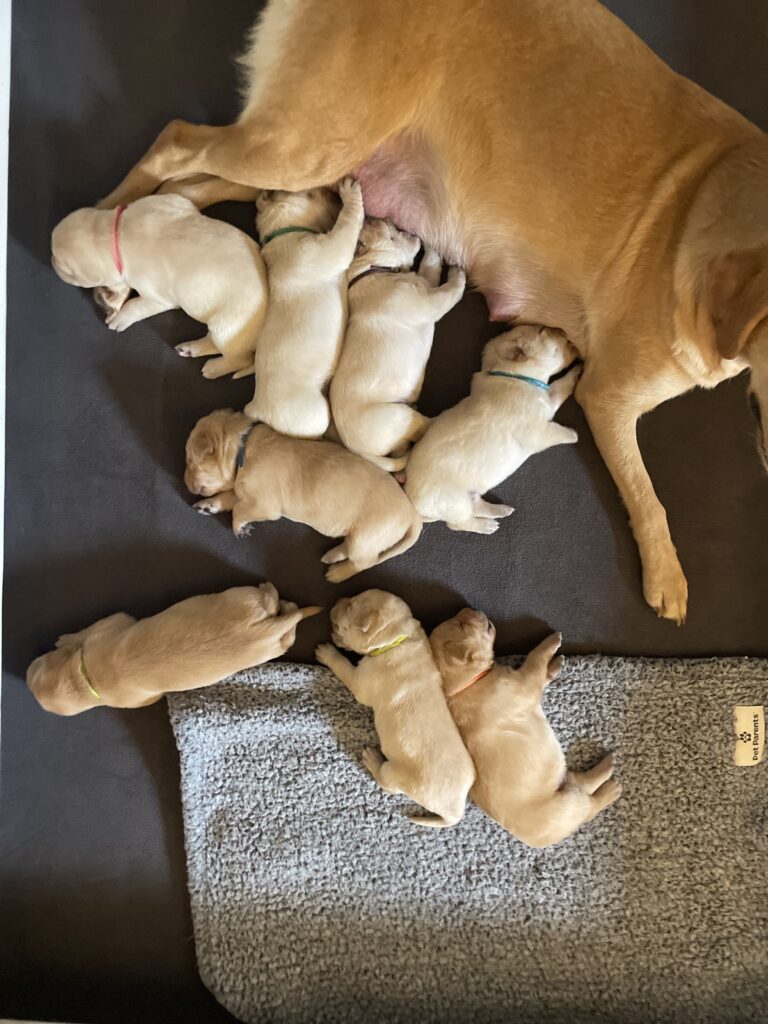
The most important socialization window begins at about three weeks old. This is when puppies start to hear, see, and interact with their world in meaningful ways. Research shows that the period between 3 and 12 weeks shapes a dog’s long-term confidence more than any other stage of life. We are a puppy culture breeder and follow all puppy culture guidelines when raising our puppies.
Many owners assume puppy socialization begins once the puppy arrives at their new home. But the truth is that the foundation is already forming long before that moment. Breeders shape a puppy’s earliest experiences through the environment they provide and the way they introduce new sensations.
What early development studies show
Studies highlighted by the AKC show that early exposure helps create stable, adaptable adult dogs. Puppies benefit from:
- Gentle human handling
- Soft environmental sounds
- New textures and objects
- Short sessions of sensory challenges
- Predictable routines
These experiences help puppies build resilience, which reduces fear later in life.
Why Wait for Puppy Classes?
Most puppy classes begin after vaccines are complete. By then, the most influential socialization window is already coming to a close. Puppy classes are helpful, but they are not a substitute for early, breeder-led exposure that happens in the first critical weeks.
How Ducktown Dog Training Leads Early Puppy Socialization From Birth
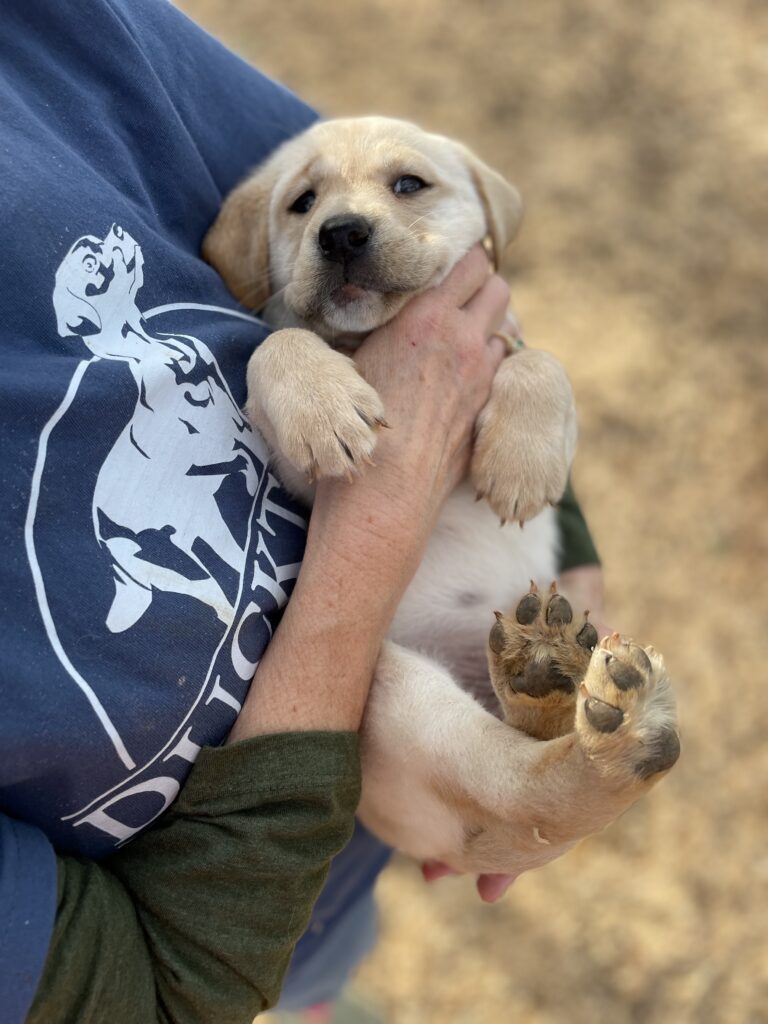
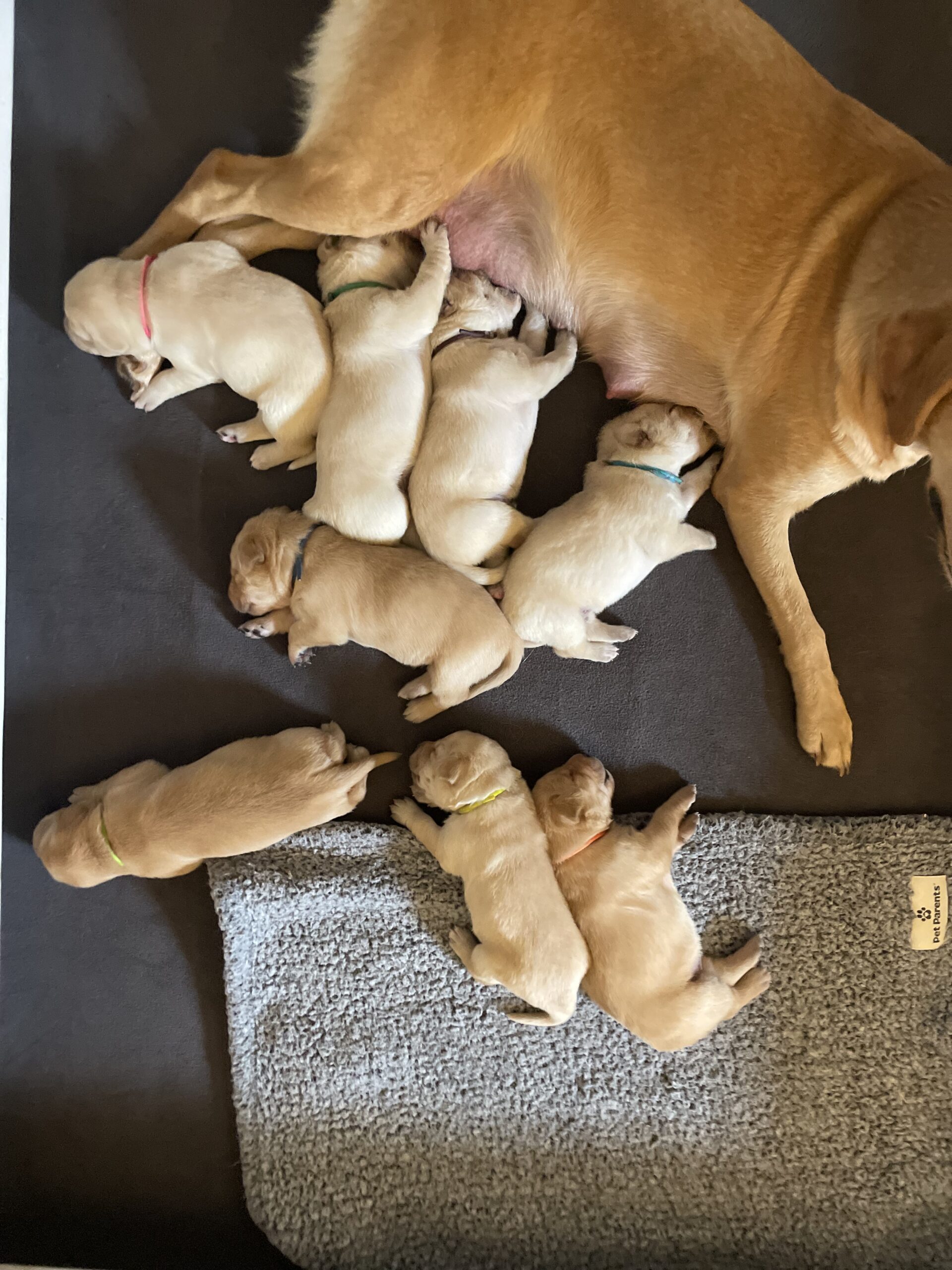
At Ducktown Retrievers, puppy socialization begins the day our puppies are born. We raise puppies in a calm, structured environment that helps them feel safe at every stage of development. Because we are a low-volume breeder, every puppy receives individual attention and thoughtful exposure.
Our goal is to build confidence without pressure. Nothing is rushed. Nothing is forced. Puppies learn at their own pace, guided by a predictable routine and steady human presence.
Using Puppy Culture to guide socialization
Puppy Culture aligns beautifully with the emotional philosophy at Ducktown Lodge. This proven, science-backed system supports puppies during every developmental milestone.
We use:
- Early Neurological Stimulation to build adaptability
- Safe environmental enrichment to spark curiosity
- Manding to encourage calm, polite communication
- Problem-solving games to build confidence
- Resource-guarding prevention to develop trust
Puppies raised this way learn that the world is steady and predictable. That makes future training easier and daily life calmer.
Why the emotional environment matters
Puppies do not thrive in loud, chaotic spaces. They grow emotionally steady when their environment is quiet, clean, and consistent. At Ducktown Retrievers, puppies see the same caregivers every day. They rest well. They explore with curiosity. They learn that people are reliable and the world is safe.
Daily Puppy Socialization Practices That Build Calm, Confident Dogs

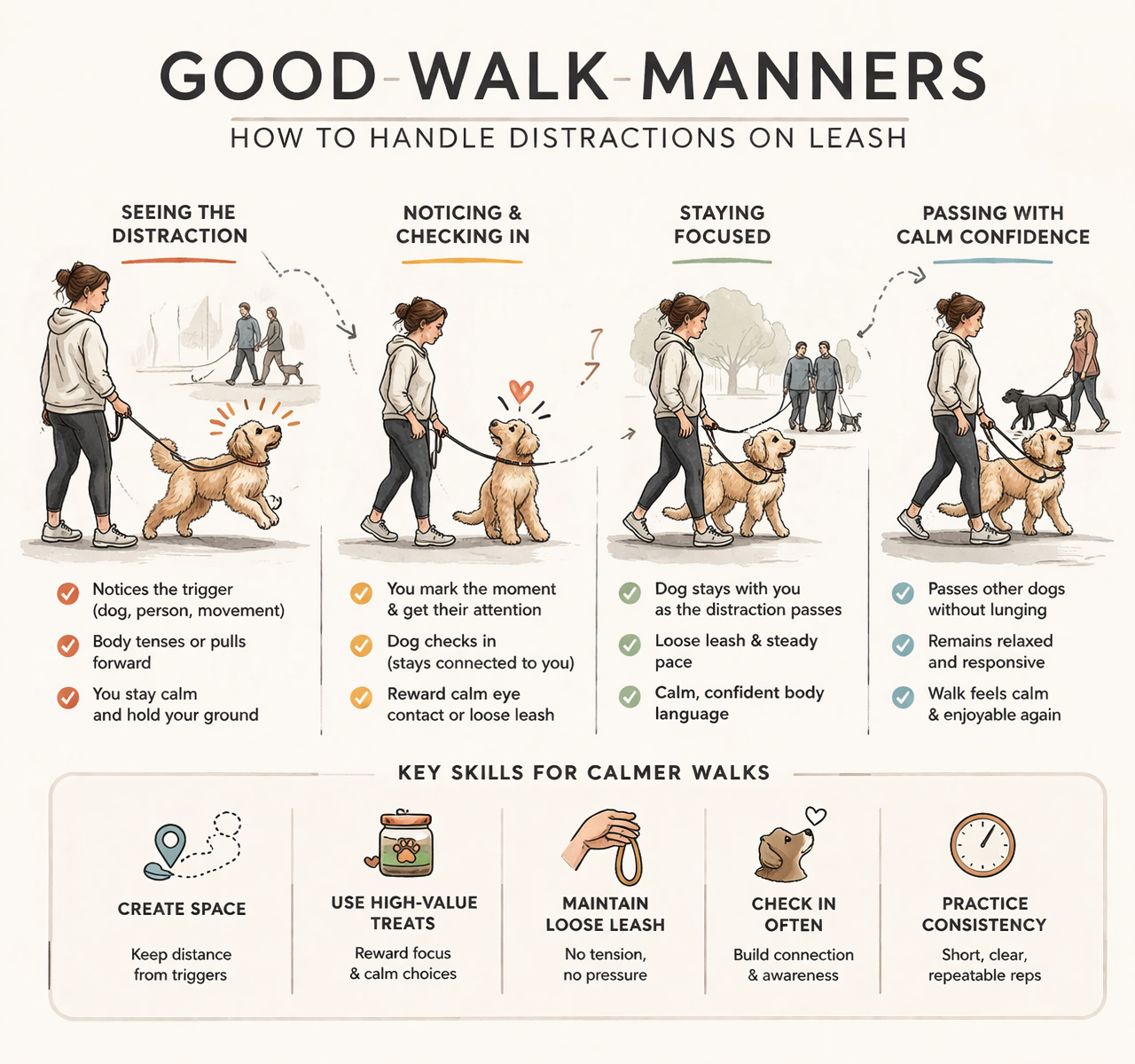
Good puppy socialization does not require big outings or overwhelming excitement. It is built through small, meaningful experiences that shape how a puppy thinks and feels. Daily practice helps puppies understand the world one gentle step at a time.
Exposure without overwhelm
Puppies learn best when the stimulation is small and controlled:
- Calm household sounds like vacuum noise or TV
- Walking on new surfaces such as grass, tile, mats, or gravel
- Meeting calm, gentle humans who move slowly
- Exploring mild challenges like tunnels or wobble boards
These experiences teach pups to process novelty without fear.
Introducing real-world experience the right way
Exposure should be slow and short:
- Keep outings brief
- Let puppies retreat if unsure
- Praise relaxed behavior
- Follow activity with rest
This approach builds calm confidence, not frantic excitement.
Early training woven into socialization
Training supports socialization when done gently:
- Sit teaches grounding
- Place provides clarity
- Impulse control builds emotional stability
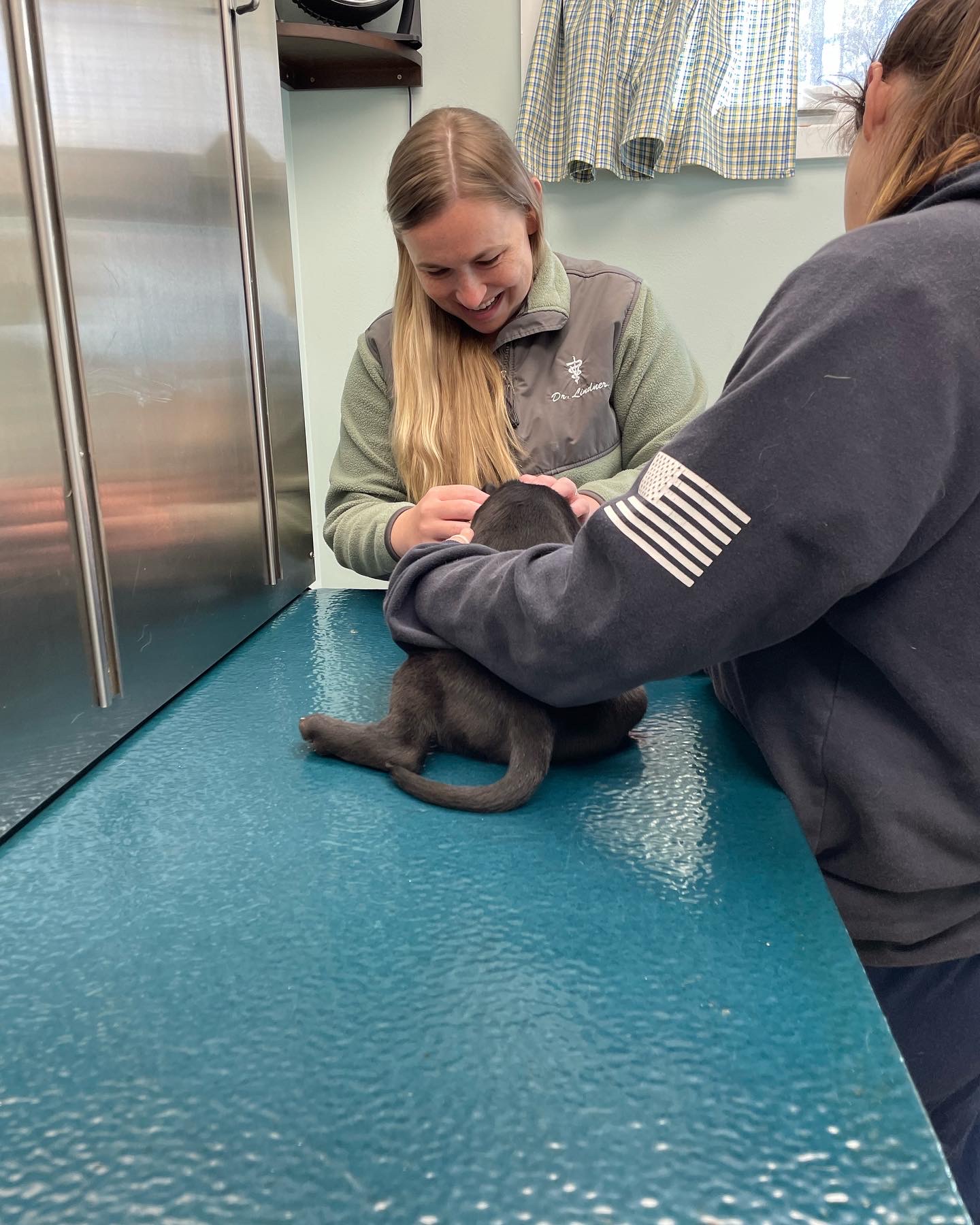
- Handling practice prepares puppies for vets and groomers
These skills help puppies stay settled as new experiences arise.
How Owners Continue Puppy Socialization at Home
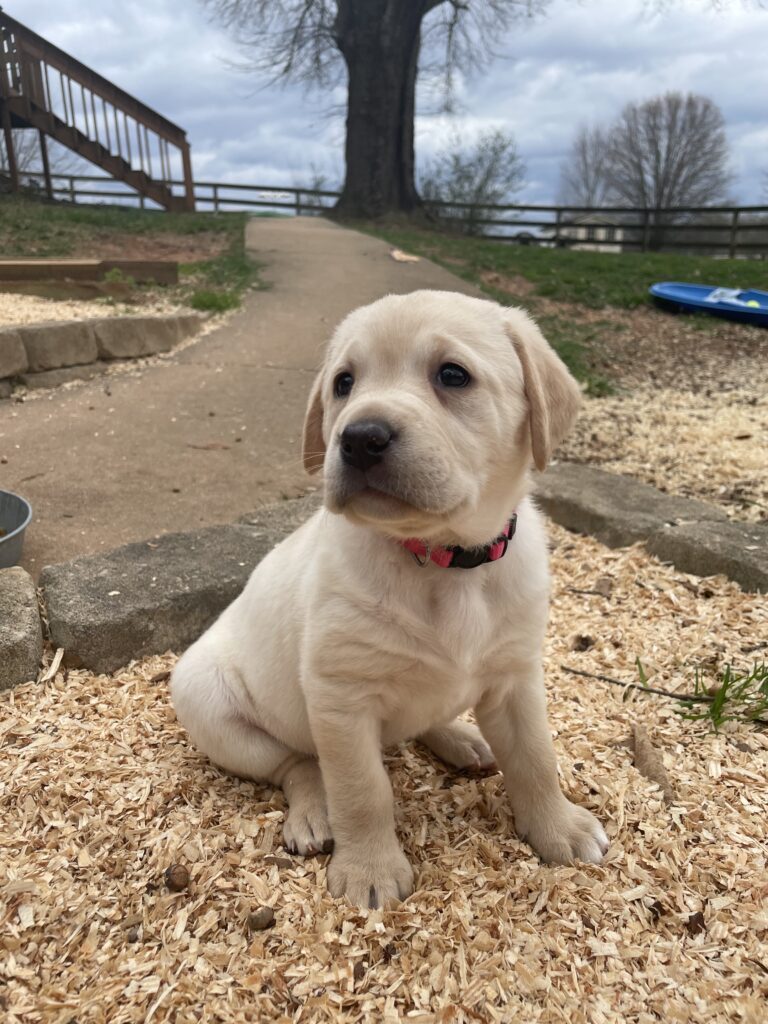
Once a puppy goes home, owners guide the next stage of development. You do not need perfection to raise a well-socialized dog. What your puppy needs is patience, presence, and simple, structured experiences that feel safe.
How to continue early socialization for puppies
- Provide short, calm outings
- Watch body language
- Keep experiences positive
- Reinforce relaxed behavior
These habits support emotional growth.
What not to do in dog socialization
Avoid overwhelming situations:
- No dog parks
- No forced greetings
- No crowded places
- No intense stimulation
Puppy socialization should never feel chaotic.
Setting your puppy up for long-term success
- Use confidence-building games
- Keep routines predictable
- Teach grounding skills
- Allow rest after stimulation
A well-regulated puppy becomes a confident adult.
Why Puppy Socialization Makes Training Easier Later On

Training becomes simpler when a puppy already feels safe in the world. Puppies who experience calm, structured socialization can focus and learn with ease. Their brain are ready to absorb new skills instead of managing fear.
The emotional advantage in training
Socialized puppies:
- Recover quickly when startled
- Listen with more clarity
- Bond faster with their handler
- Handle distractions better
This emotional safety turns training into connection instead of stress.
How Ducktown builds a bridge from socialization to training
Because our puppies start life with steady routines and safe exposure, they transition into structured training naturally. They are already familiar with handling, new environments, and gentle guidance.
Long-term benefits of early socialization
Dogs raised with strong socialization foundations grow into:
- Confident adults
- Calm thinkers
- Dogs that adapt easily to change
- Pets who enjoy connection instead of fear
This is the long-lasting value of early puppy socialization.
Puppy Socialization Takeaways for Raising a Steady Dog

- Early experiences shape emotional stability
- Socialization must begin before puppies go home
- Calm exposure builds confidence
- Overexposure creates fear
- Good socialization blends structure and safety
- Owners continue what breeders begin
- Socialized puppies learn faster and stay calmer
Raising a confident dog starts with early, intentional socialization. It is the foundation for training, behavior, and emotional well-being.
Ready to Begin Your Puppy Socialization Journey? We Can Help.
Raising a puppy should not feel overwhelming. You want to do it right. You want your puppy to feel safe, calm, and confident as they grow. That is exactly what early puppy socialization is designed to support.
At Ducktown Lodge and Ducktown Retrievers, we guide puppies from birth with structured routines, clear exposure, and emotional grounding. And we support owners with the same steady, compassionate approach.
If you want a partner who understands how meaningful these early weeks are, we can help with early puppy socialization. Call today at 770-733-0836 or email me at hellow@ducktownlodge.com