
How to raise a confident dog without rushing or overwhelming them
Why Puppy Socialization Matters So Much

Congratulations on bringing a new puppy into your life. This stage is exciting, exhausting, and incredibly important. If your goal is to have a happy, well behaved adult dog who can comfortably go places with you for years to come, early socialization is the single most important thing you can do.
Socialization is the process of introducing your puppy to the world in a way that helps them feel confident and unafraid of the people, places, sounds, and situations they will encounter throughout their life. The most critical socialization window happens early. It begins as soon as your puppy comes home and is most influential before 12 weeks of age. By around five months, that window is already closing.
This does not mean you need to rush or overwhelm your puppy. It means timing matters, and how you do it matters even more.
The Atlanta Humane Society offers a helpful overview of proper puppy socialization.
Puppy Socialization Is Time Sensitive
Socialization works best when it is calm, positive, and repeatable. Creating gentle, positive experiences during puppyhood is far easier than trying to undo fear or reactivity in an adult dog.
As highlighted in guidance on a hunting puppy’s first year, early experiences shape everything. Thoughtful exposure builds confidence and instinct, while rushed training can create habits that last far longer than intended.
Every new experience should be paired with something your puppy loves, usually small treats. Think of it as making deposits in a confidence bank. The more positive deposits you make, the steadier your puppy becomes.
If your puppy seems frightened and will not take treats, that is important information. It means the situation is too intense. Take a step back. Increase distance. Lower the volume. Remove them temporarily if needed. The goal is not to push through fear. The goal is to stay under your puppy’s stress threshold so learning can happen.
A calm puppy is a learning puppy.
Why Puppy Socialization Matters in the First Few Months
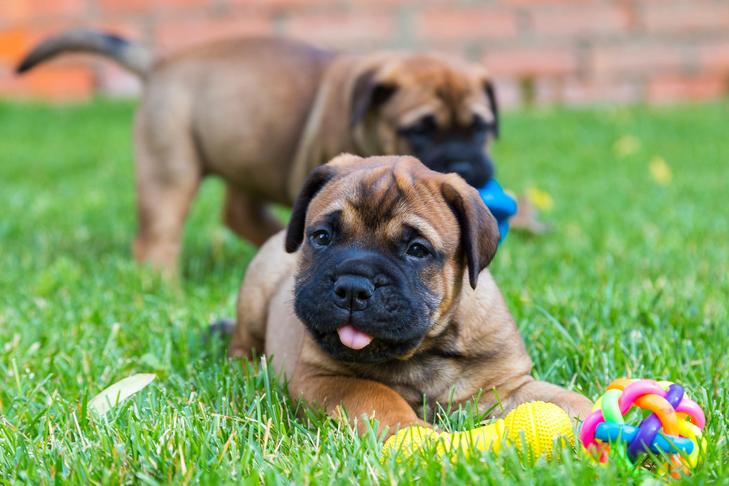
Many people think socialization just means meeting other dogs. In reality, it is much broader than that.
People and Everyday Life
Puppies should be exposed to people of different ages, sizes, voices, and appearances. This does not mean forced interaction. Watching calmly from a distance counts.
Examples include:
- Adults and children
- People wearing hats or sunglasses
- Delivery drivers
- Visitors entering and leaving your home
- Calm strangers on walks
Let your puppy observe. Curiosity is enough.
Sounds That Will Be Part of Their World
Life is noisy, but sound exposure should start gently.
Helpful early exposures include:
- Doorbells and knocking
- Household appliances
- Traffic was heard from a distance
- Other dogs barking
- Thunder or fireworks played quietly
Pair sounds with treats or calm praise. Avoid big reactions of your own.
Places and Surfaces
New environments help puppies learn flexibility.
Expose your puppy to:
- Grass, gravel, and concrete
- Wood and tile floors
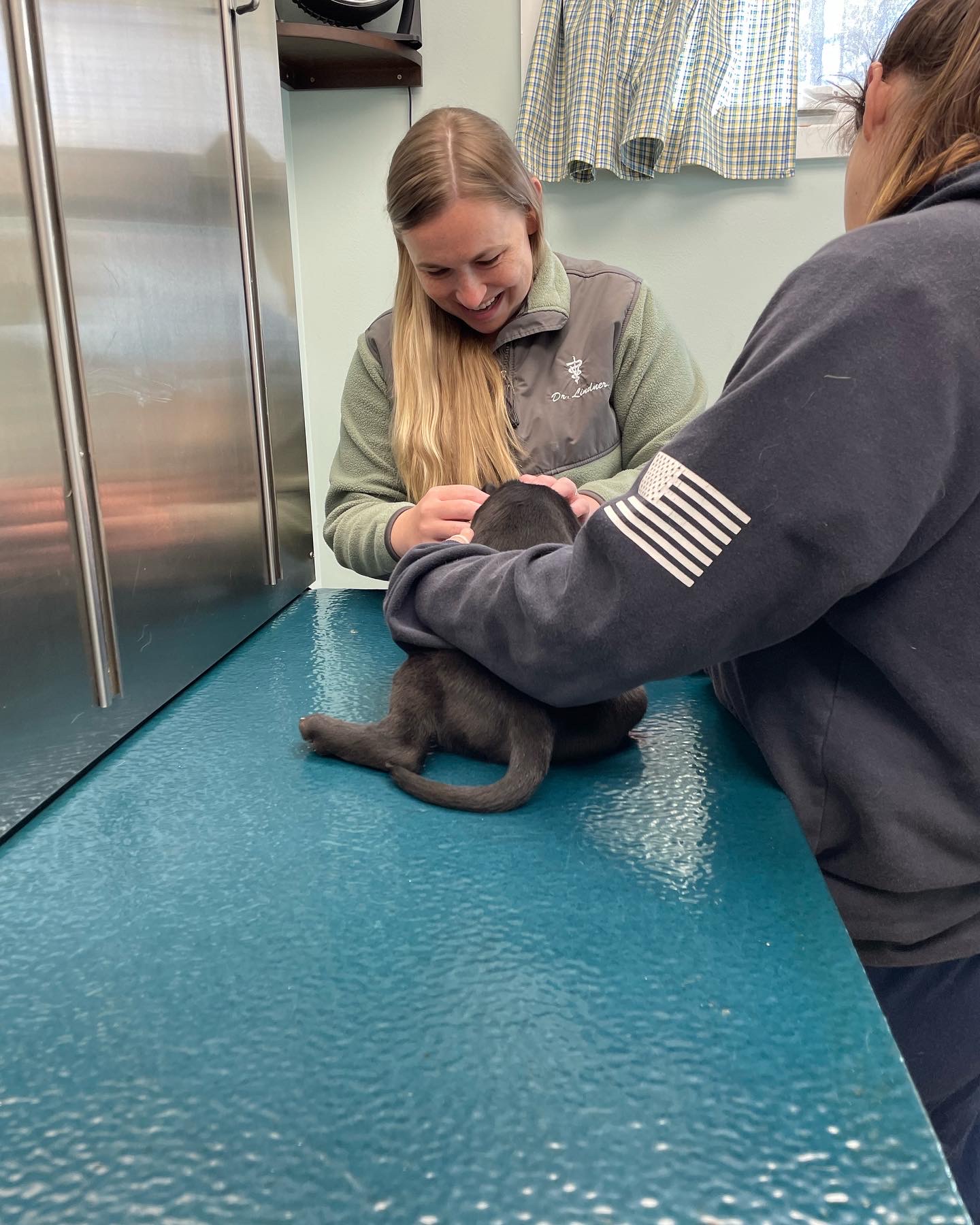
- Vet offices without an exam
- Parking lots or sidewalks
- Outdoor markets from your arms or a stroller
Holding your puppy and visiting a busy area is a great way to get multiple exposures without overwhelming them.
Puppy Socialization in Cumming, Georgia
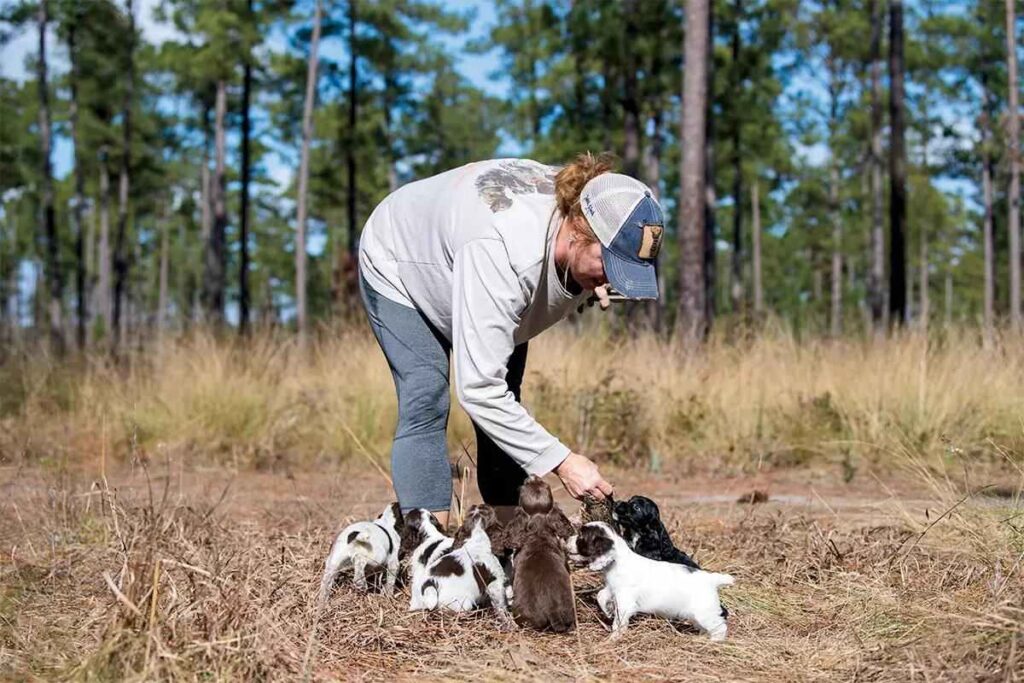
Puppies raised in Cumming and across North Georgia experience a mix of quiet residential areas, busy highways, rural spaces, and growing community activity. Thoughtful socialization helps puppies adjust to all of it without becoming overwhelmed.
Common local exposures include:
- Neighborhood traffic and delivery vehicles
- Vet clinics and grooming facilities in North Georgia
- Outdoor patios, parks, and walking trails
- Seasonal sounds like storms, lawn equipment, and fireworks
The goal is not to expose your puppy to everything at once, but to help them feel steady in the places they are most likely to spend their life.
Generalization Is Where Confidence Comes From
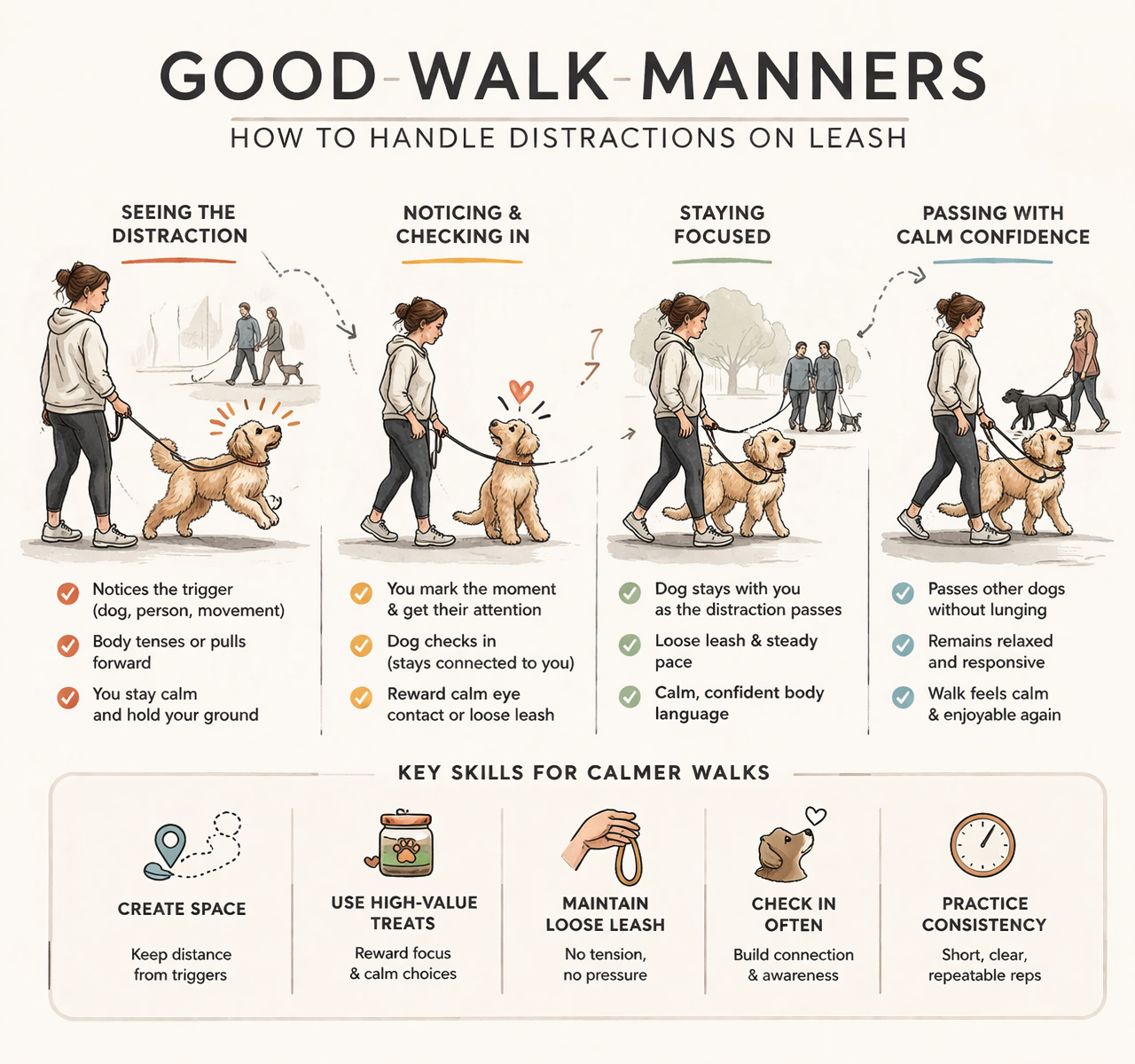
Socialization is not one and done. Puppies need to see the same types of things in different places and contexts.
A dog who is comfortable with one park may not automatically feel comfortable at another. Generalization teaches them that new does not equal dangerous.
This is why ongoing exposure matters even after the earliest weeks.
What Socialization Is Not
It is just as important to know what not to do.
Socialization is not:
- Forcing greetings
- Flooding your puppy with stimulation
- Dog parks
- Letting fear “work itself out.”
- Chaos disguised as enrichment
More is not better. Better is better.
Signs You Are Doing It Right
You are on the right track if you notice:
- Faster recovery after new experiences
- Curiosity replacing hesitation
- Loose body language
- Willingness to eat treats
- Gradual confidence growth over time
Progress often looks quiet. That is a good thing.
A Final Word for New Puppy Owners
Early socialization sets the tone for your dog’s entire life. When done thoughtfully, it creates dogs who feel safe in the world, adapt more easily, and recover faster when things feel unfamiliar.
You do not need to do everything. You just need to start early, stay calm, and listen to your puppy.
If you want help layering structure, confidence-building, or early training into your puppy’s routine, start with a conversation. There is no pressure and no judgment. Just support, clarity, and steady guidance.
Your puppy does not need perfection.
They need consistency, safety, and time.
Let’s Talk About Setting Your Puppy Up Right
As dog breeders and dog trainers, we specialize in proper environmental exposure during the most important developmental stages of a dog’s life. We understand how much early experiences matter, and how easily things can go sideways when exposure is rushed or unmanaged.
While we do enjoy working with puppies in training, we are intentional about timing. We do not accept puppies into training until they are fully vaccinated, for their safety and for the safety of every dog in our care. Vaccinations are verified through our veterinary partner, Dawsonville Animal Hospital.
If you’re raising a puppy and want guidance on how to introduce the world in a way that builds confidence, clarity, and long-term stability, let’s start with a conversation. Whether your puppy is ready for training now or later, thoughtful exposure today makes everything easier down the road.
You don’t have to guess your way through it. We’re here to help when you’re ready. If you’re raising a puppy in Cumming or North Georgia and want guidance on socialization, structure, or early training, it’s okay to ask questions early. A thoughtful start now can make the next ten years much easier for both of you. Call us today at 770-733-0836