Why Puppy Potty Training Starts Sooner Than You Think
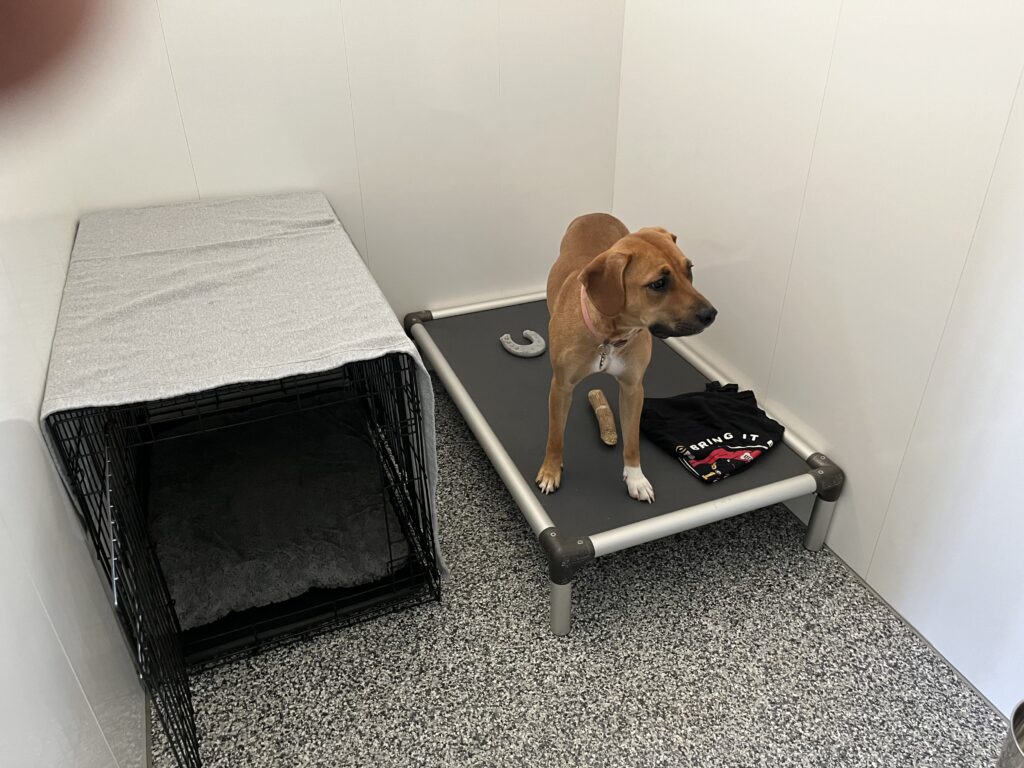
Puppy potty training starts the moment your puppy comes home. Not when they are older. Not when training begins. The habits built in the first few weeks shape how confidently your puppy learns later. Clear structure early reduces stress, speeds learning, and makes future training feel familiar instead of overwhelming. We use the crate for all of our puppies so we can stay current on crate training and help our puppies not regress.
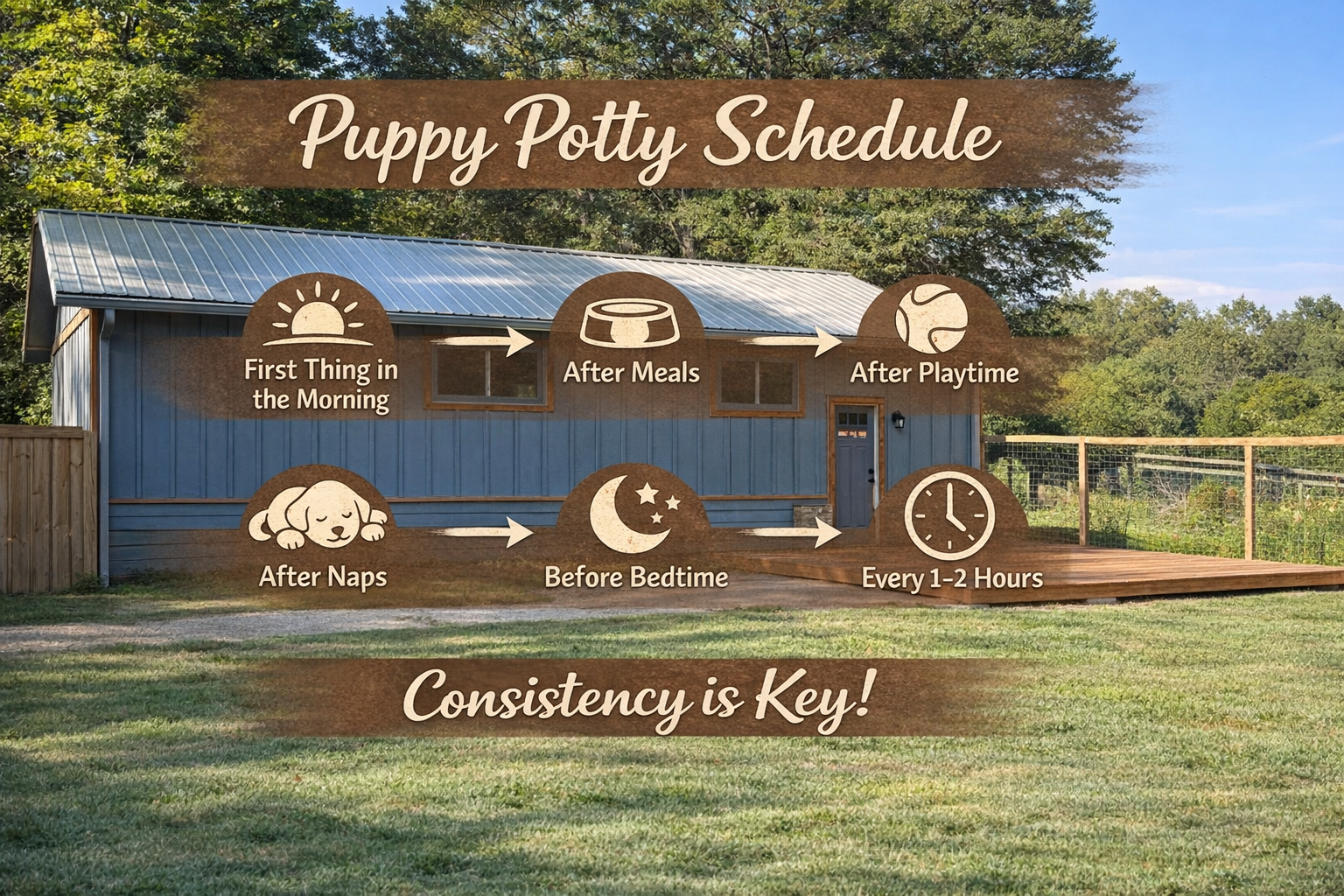
Puppy potty training works best when puppies follow a clear daily schedule. Regular potty breaks after sleep, meals, and play teach where to go, reduce accidents, and build confidence. Consistency before board and train makes learning faster and transitions calmer for puppies and owners each morning.
Setting the Foundation Before Board and Train
Everything that follows in training depends on this first layer of clarity. When puppies understand the rhythm of their day, they relax. They stop guessing. That calm carries into crate training, leash work, and eventually board and train. The sections below break down the essentials, the role of a schedule, and how early support makes the transition into training smoother for both you and your puppy.
Why Potty Training Starts Before Board and Train
Many puppy owners assume potty training is something that will be fully handled during board and train. In reality, the strongest results come when puppy potty training begins at home, long before your puppy ever steps into a training program. Those early weeks are not a waiting period. They are the foundation.
Puppies are learning patterns constantly. When there is no structure, they still learn, just not the habits you want. Starting potty training early gives your puppy clarity about expectations and helps them feel more settled as they grow.
Early Habits Shape Long-Term Success
Puppy potty training is not just about where your puppy goes to the bathroom. It teaches awareness, timing, and communication. Puppies who learn early routines develop better impulse control and adjust more quickly to new environments later.
When puppies arrive for board and train with basic potty structure already in place, they adjust faster, experience less stress during transitions, and learn obedience and crate skills more smoothly.
Why Waiting Creates Unnecessary Stress
When potty training is delayed, puppies often struggle during transitions. New places, new routines, and new expectations can feel overwhelming all at once. That stress shows up as accidents, confusion, and slower learning.
By starting puppy potty training early, you give your puppy one familiar anchor when everything else changes. Early structure does not rush your puppy. It supports them.
What AKC Breeders Know About Puppy Potty Training
Responsible AKC breeders do not wait until puppies go home to think about potty training. Long before new owners arrive, the structure is already being introduced. Puppies are exposed to routines, timing, and gentle patterns that help them begin understanding how their bodies work.
This early exposure does not create perfectly potty-trained puppies. What it creates is awareness.
The American Kennel Club outlines a realistic puppy potty training timeline that reinforces why schedules, supervision, and patience matter during the first few months of learning. Their guidance closely mirrors what we see every day working hands-on with puppies.
Learn more from the AKC’s puppy potty training timeline.
Why Early Structure Matters So Much
AKC breeders understand that puppies learn through repetition, not correction. Predictable routines help regulate bladder and bowel habits and reduce stress-based accidents.
Early structure supports faster understanding of potty expectations, reduced anxiety in new environments, and smoother transitions when routines change.
Consistency Over Perfection
Potty training is not about getting it right every time. It is about showing puppies the same picture over and over again. Consistency builds confidence. Missed signals and accidents are normal. What matters is returning to the routine instead of reacting emotionally.
Environment Teaches More Than Words
Puppies learn where to potty based on how the environment is set up. Structure at home matters before board and train because it helps puppies settle faster and focus on learning instead of guessing.
The Schedule Is the Secret Most Puppy Owners Miss
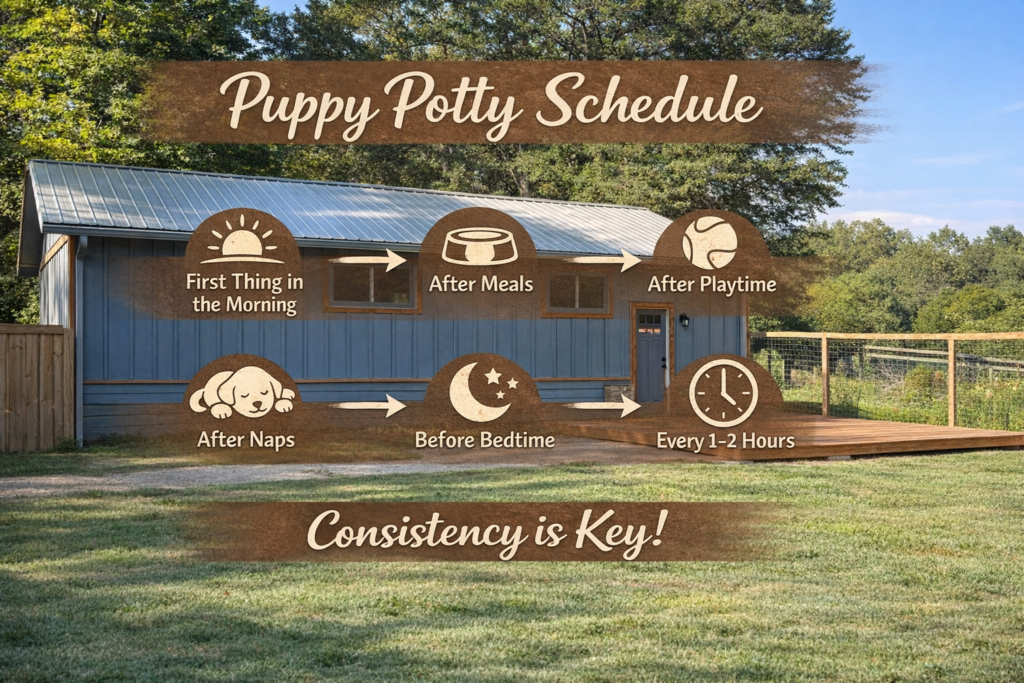
Most puppy potty training struggles come from a lack of predictability. Puppies learn fastest when the day follows a clear, repeatable rhythm. A schedule removes confusion and turns accidents into habits.
Why Too Much Freedom Too Early Backfires
Giving a puppy free access to the house before they understand timing leads to mixed signals. A schedule limits pressure and builds confidence.
How a Schedule Builds Confidence and Control
Predictable potty breaks help puppies learn to hold it appropriately. Their bodies regulate around the routine, creating fewer accidents and calmer behavior.
What Inconsistency Teaches Instead
Changing potty timing daily prevents reliable habits. A schedule is not restrictive. It is supportive.
Introduction to Potty Training Your Puppy
Puppy potty training is one of the first real conversations you have with your dog. It is not about control. It is about communication. Potty training is also one of the fastest ways to build trust.
Potty Training Is Natural to Dogs
Dogs are wired to keep their living space clean. Problems start when puppies are given too much freedom too soon. Good potty training works with a dog’s instincts.
Why Potty Training Feels Hard for Owners
Potty training becomes difficult when expectations are unclear. Most struggles come from inconsistent schedules, too much space, missed signals, and emotional reactions.
Potty Training Sets the Tone for All Future Training
Calm guidance builds confidence. Chaos builds confusion. This is why potty training support before board and train matters.
The 5 Biggest Potty Training Mistakes
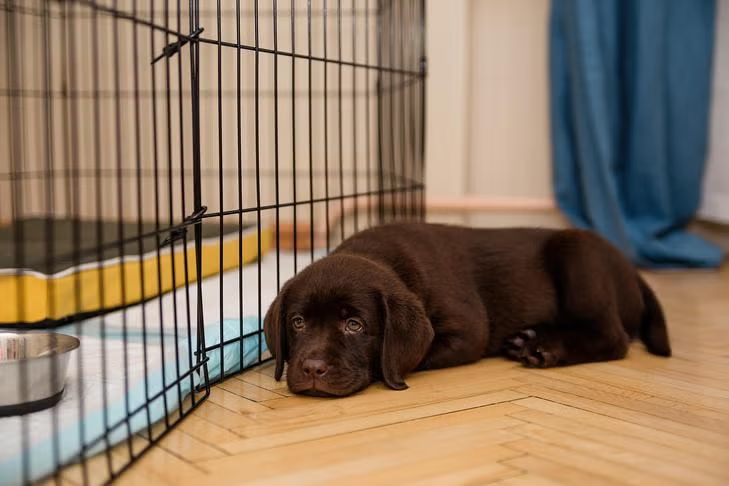
Mistake One: Too Much Freedom Too Soon
Freedom must be earned. Puppies not actively supervised should be confined.
Mistake Two: No Clear Potty Schedule
Inconsistent timing teaches inconsistent habits.
Mistake Three: Missing the Puppy’s Signals
Sniffing, circling, and wandering are cues. Missing them teaches that indoor potty is acceptable.
Mistake Four: Emotional Reactions to Accidents
Yelling teaches puppies to hide, not learn.
Mistake Five: Inconsistent Confinement
Boundaries must be clear to protect instincts.
Potty Training Is Natural to Dogs
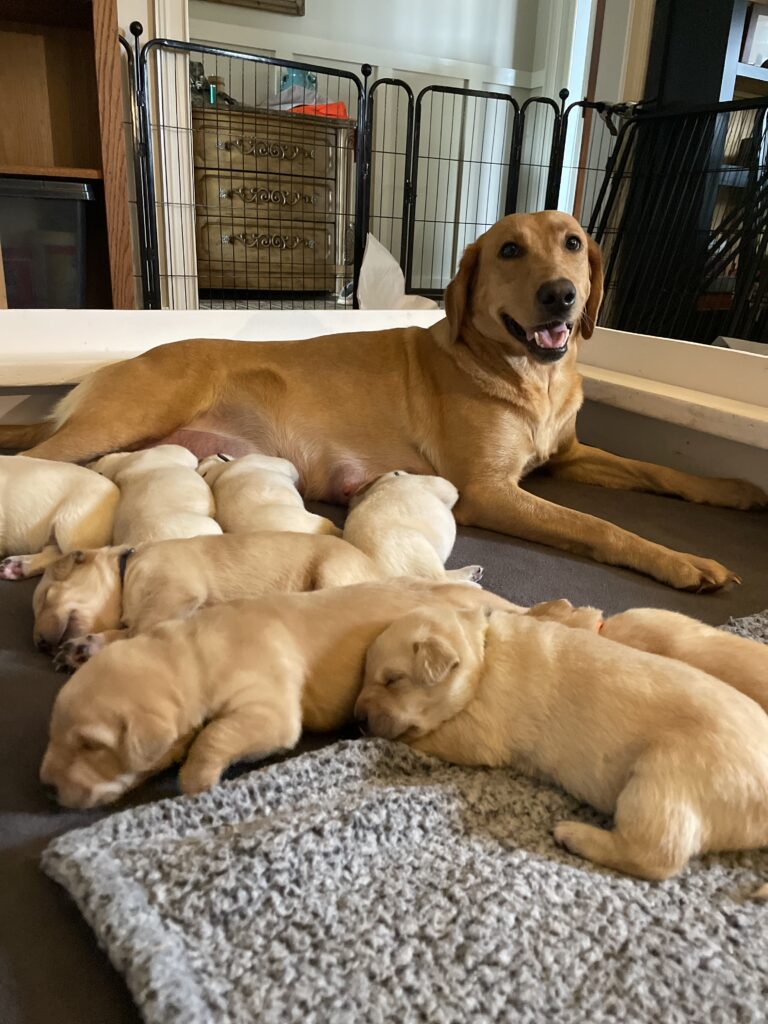
Dogs want a clean resting area. Crates and confinement support this instinct. Confusion happens when puppies have access to large spaces too early.
Working with instinct instead of against it creates faster learning and calmer puppies.
So, Why Is Potty Training a Puppy So Hard?
Potty training is hard when human habits are inconsistent. Timing is the missing link. Simpler systems work better.
Structure before board and train creates familiarity instead of overwhelm.
Combining Potty and Confinement Training
Potty training and confinement work together. Crate training can bring structure and calm to your dog’s life, but it has to start with trust.
Confinement is the key – freedom is earned through consistency. Puppies comfortable with confinement transition better into training environments.
Potty Training Keys
Supervision matters more than correction. Timing beats age. Calm consistency builds confidence. The environment does the teaching.
Five Simple Steps to Potty Training Success
Control the space. Follow a schedule. Go outside with your puppy. Reward immediately. Adjust instead of getting frustrated.
Confinement Is the Only Way
Confinement protects learning. It builds confidence, not dependence. Puppies comfortable with confinement settle faster during board and train.
What You Will Need to Successfully Potty Train Your Puppy
You need a properly sized crate or confinement area, a consistent schedule, leash access for potty breaks, calm praise, patience, and follow-through.
Every new puppy owner wants a clean home and a confident dog. Whether you call it housebreaking, house training, or potty training, we help by giving you a clear timeline to follow and steady support so you’re not figuring it out alone.
Why Support Before Board and Train Matters
At Ducktown Lodge, we offer unlimited support to new puppy owners because early habits shape training success. When puppies arrive familiar with structure, training becomes a continuation, not a reset.
You do not need to do this perfectly. You just need the right foundation.
Start with a conversation. We will help you build it. Call today at 770-733-0836