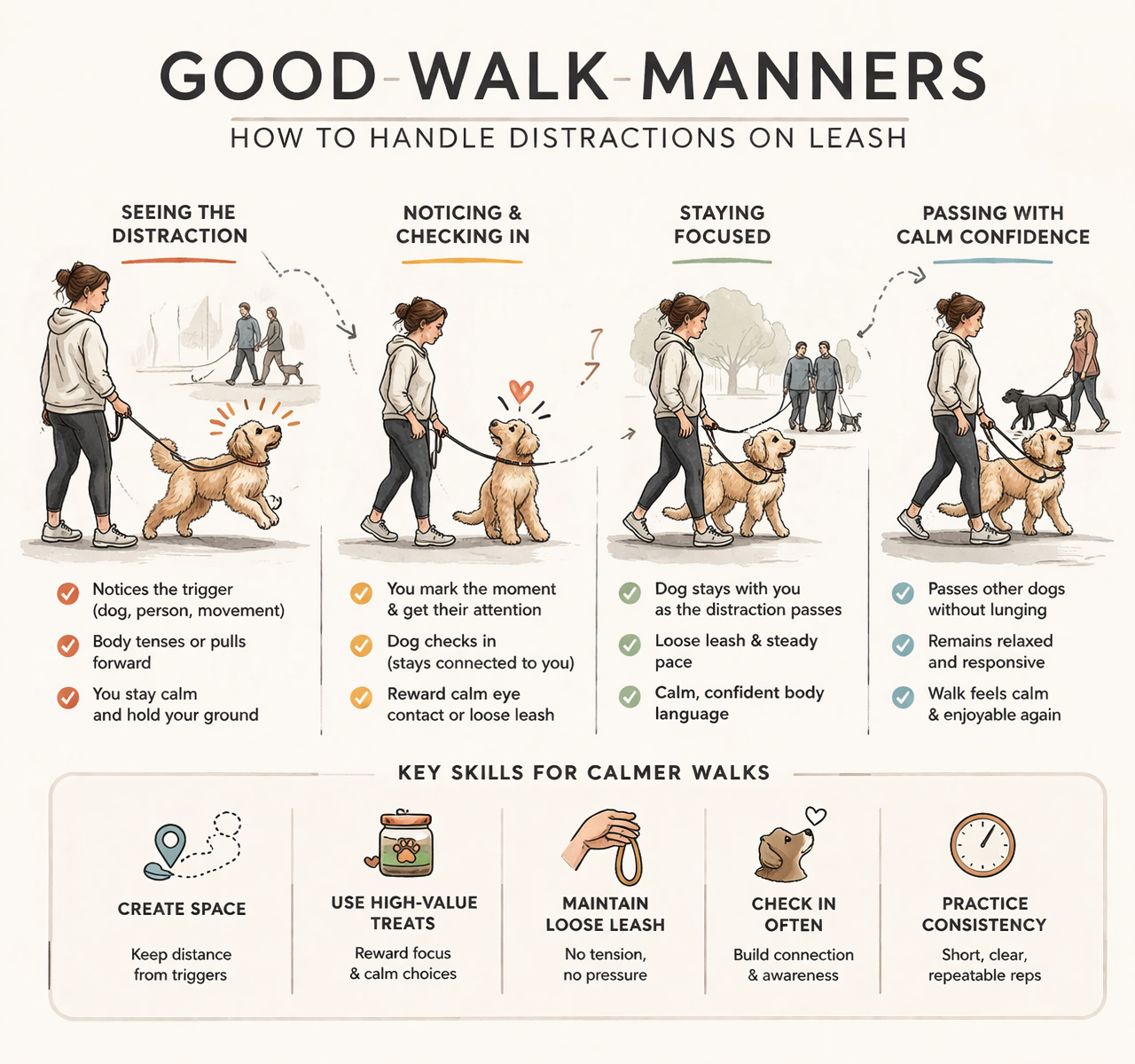
Why calm leash walking changes everything
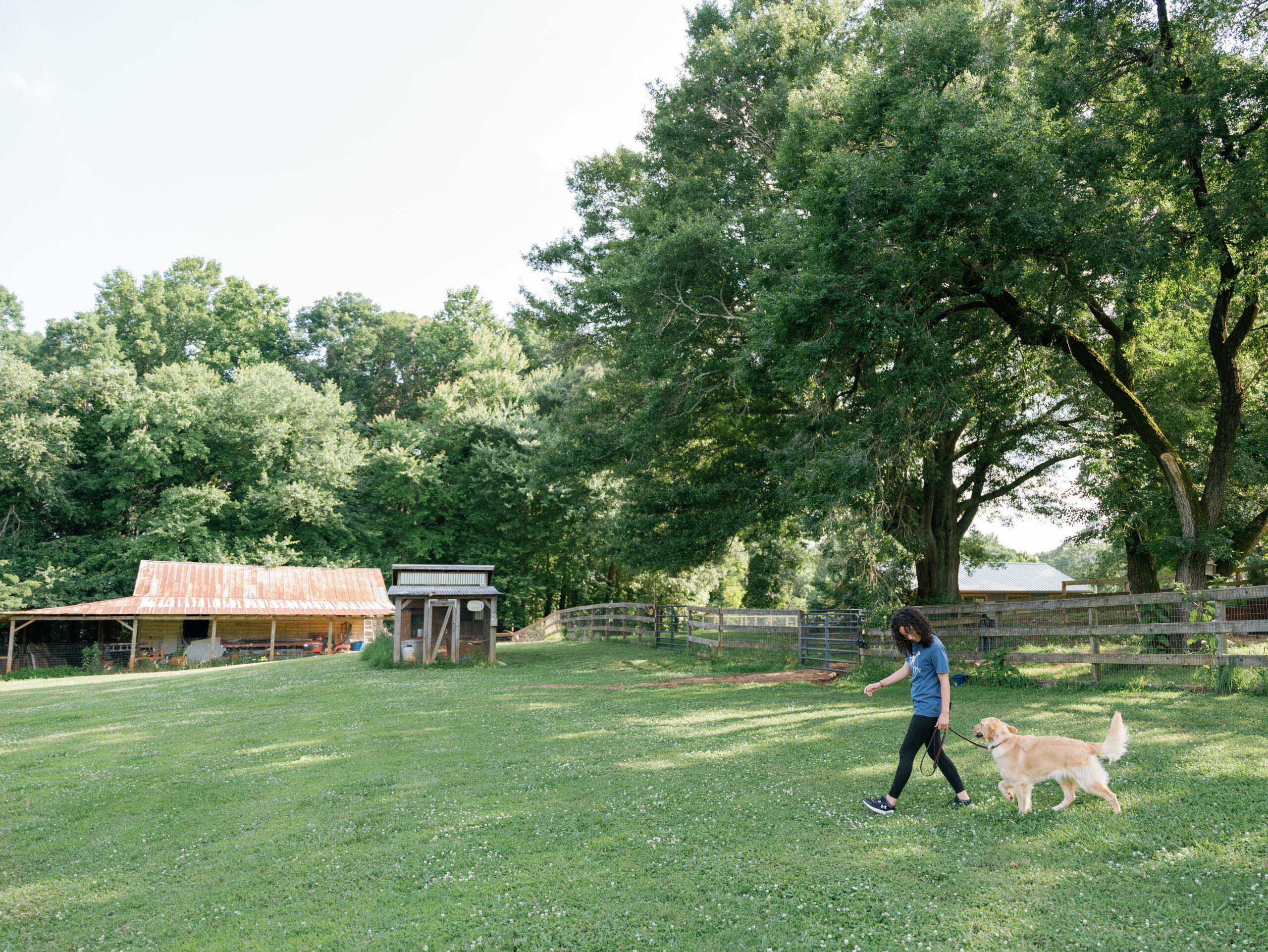
Leash training affects more than your walks. It shapes how your dog handles the world. A dog that can walk on a loose leash is calmer, safer, and easier to live with. Walks stop feeling like a fight and start feeling like shared time together.
Loose leash walking keeps walks calm and safe. It teaches dogs to move with you instead of pulling ahead. Start in low distraction spaces, reward slack in the leash, stop when it tightens, and build slowly. Consistency, not strength, creates a walk that feels easy for both of you each day at home up
What this post will help you do
If walks feel stressful or exhausting, you are not alone. Pulling is one of the most common challenges dog owners face. In the sections below, we will break down why dogs pull, what loose leash walking really means, and how to teach it in a way that actually sticks. This is about progress, not perfection, and building calm that lasts beyond the end of the leash.
Why Leash Training Matters More Than Most Dog Owners Realize
Leash training is often treated like a minor skill. Something you deal with on walks and forget about the rest of the day. But how your dog behaves on a leash usually reflects how they handle pressure, transitions, and guidance everywhere else. When the leash is calm, the dog often is too.
This is not about control or perfection. It is about clarity. A loose leash gives your dog information without tension and helps them move through the world with less stress.
Leash pressure and emotional regulation
When a dog pulls, their body stays heightened. Muscles tighten. Breathing changes. The nervous system stays alert instead of relaxed. Over time, that constant pressure teaches the dog that walks are something to brace for, not enjoy.
A relaxed leash does the opposite.
- Less physical tension leads to less emotional tension
- Calm movement helps dogs think
- You become a steady reference point
Loose leash walking as a safety skill
Loose leash walking is not just about politeness. It is a real safety skill, especially in everyday environments like neighborhoods, driveways, and parking lots. Reliability matters more than position.
Why leash struggles do not mean you have failed
Most dogs pull because pulling works. Without clear guidance, dogs repeat what is rewarding. Loose leash walking is a taught skill, not a personality trait.
Loose Leash Walking vs. Heel: Understanding the Difference
.A heel is structured and precise. Most families benefit from mastering loose leash walking first, then layering heel work when structure is needed.
Why Dogs Pull on the Leash (And What Leash Pulling Is Really Telling You)
Dogs pull due to excitement, lack of clarity, or emotional discomfort. Equipment alone does not solve leash pulling. Understanding the root cause does.
7 Practical Training Steps for Loose Leash Walking That Works
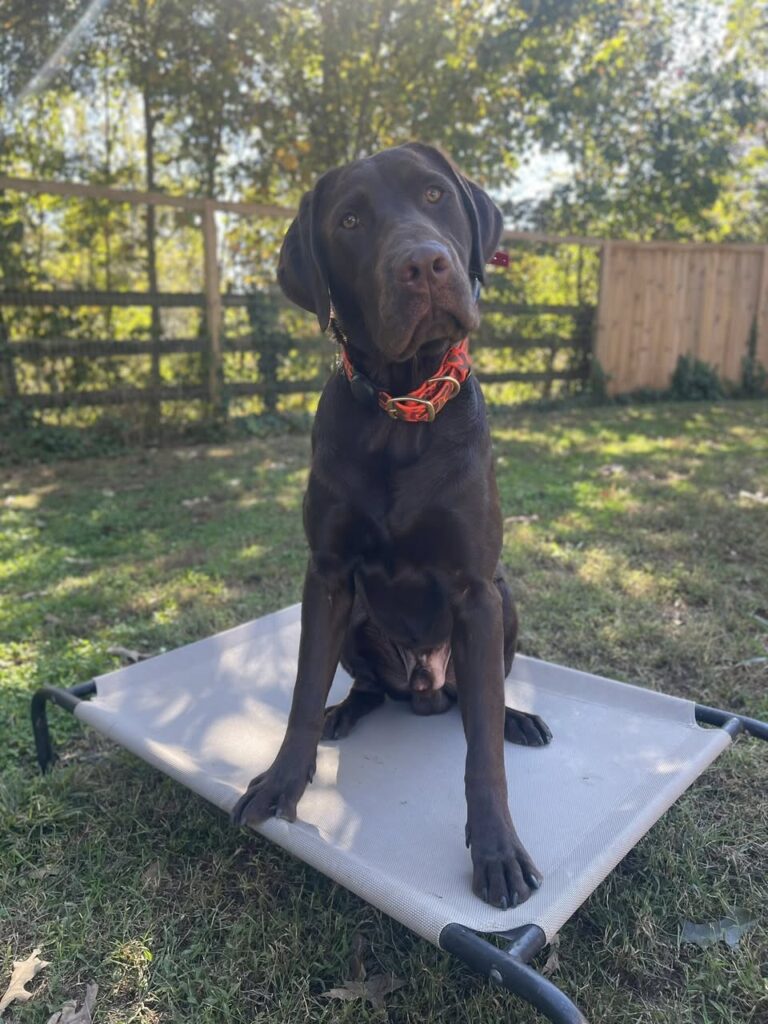
Loose leash walking does not come from equipment that manages pulling for the dog. It comes from teaching the dog how to move with you. These steps focus on clarity, communication, and skills that translate directly to off-leash reliability later.
Gear Up With Purpose
Start with equipment that supports clear communication.
- Use a 4 to 6-foot fixed leash
- Choose a well-fitted flat collar, slip lead, or training collar as appropriate
- Avoid front-clip harnesses, which redirect the body without teaching understanding
- Avoid retractable leashes, which remove consistency and reward pulling
The goal is not to control the dog’s body, but to teach the dog how to manage it.
Get Positioned Before You Move
Position creates expectation.
- Decide which side you want your dog to walk on
- Hold treats in the hand closest to your dog
- Hold the leash in the opposite hand and allow slack
Before you step forward, your dog should already understand where success lives.
Reward Presence, Not Pulling
Loose leash walking is built one moment at a time.
- Take one step forward
- Stop
- Reward your dog with a treat when they stay in position with a loose leash
This teaches your dog that staying near you is what brings reinforcement, not forging ahead.
Build Gradually and Add a Cue
Once your dog understands position, add movement slowly.
- Increase steps a few at a time
- Reward often for maintaining slack in the leash
- Add a simple cue like “let’s go” once movement is consistent
Do not rush distance. Calm repetition builds reliability.
Address Leash Pulling Without Emotion
Pulling is feedback, not defiance.
- If the leash tightens, stop moving or calmly change direction
- Wait for your dog to release pressure and return to you
- Reward immediately when the leash goes slack
This teaches a clear rule: pulling never works, but connection always does.
Increase Distractions With Intention
Dogs do not automatically generalize leash skills.
Practice in stages:
- Inside the house
- Yard or driveway
- Quiet sidewalks
- Busier environments
If pulling returns, the environment is too challenging right now. Reduce difficulty and rebuild.
Use Engagement to Build Cooperation
Loose leash walking improves fastest when your dog enjoys working with you.
- Reward check-ins and eye contact
- Use brief training games during walks
- Keep sessions calm and upbeat
Start where your dog can succeed. Teach what a loose leash feels like. Stop movement instead of correcting. Keep sessions short and intentional.
Step by Step: Teaching Loose Leash Walking That Lasts
Build a connection. Respond to pulling the same way every time. Add distance before difficulty. Introduce distractions gradually. Practice where life happens.
Leash Training Mistakes That Slow Progress
Skipping steps, relying on tools, training while frustrated, and inconsistent responses keep leash pulling stuck.
What Reliable Loose Leash Walking Looks Like in Real Life
Calm neighborhood walks. Easier public outings. Fewer reactions. More enjoyment on both ends of the leash.
When to Get Extra Support With Leash Training in Cumming, GA
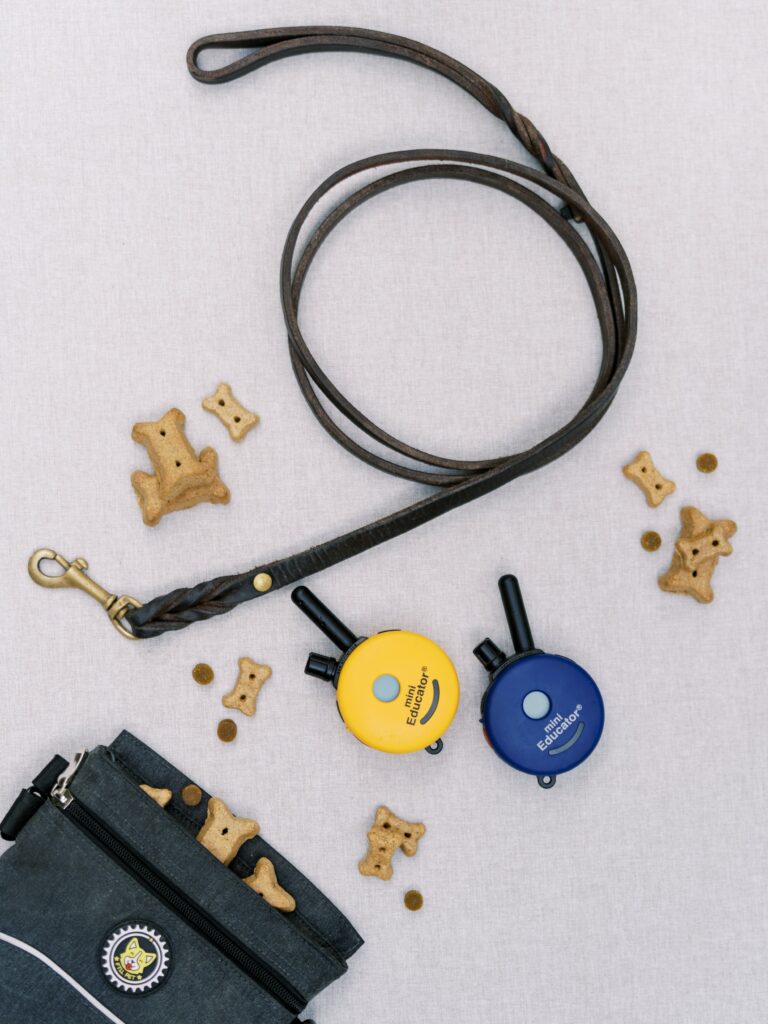
Persistent pulling, reactivity, and emotional overwhelm signal the need for structured support. Environment and guidance matter.
Why Loose Leash Training Is About More Than Walking
Loose leash work builds trust, regulation, and the foundation for reliable off-leash freedom.
From Loose Leash to Off-Leash Freedom That Actually Holds Up
Loose leash walking is not the end goal. It is the foundation.
At Ducktown Lodge, leash training prepares dogs for off-leash reliability using modern e-collar communication. The e-collar is a clarity tool, not a shortcut to correction. It enables dogs to make good choices at a distance, even when faced with real distractions.
Life after proper training looks like:
- Walks without tension
- Dogs that check in without restraint
- Off-leash reliability that works outside fences
- Confidence for you and clarity for your dog
Off-leash freedom starts on leash. When you are ready, we start with a conversation. Call us today at 770-733-0836