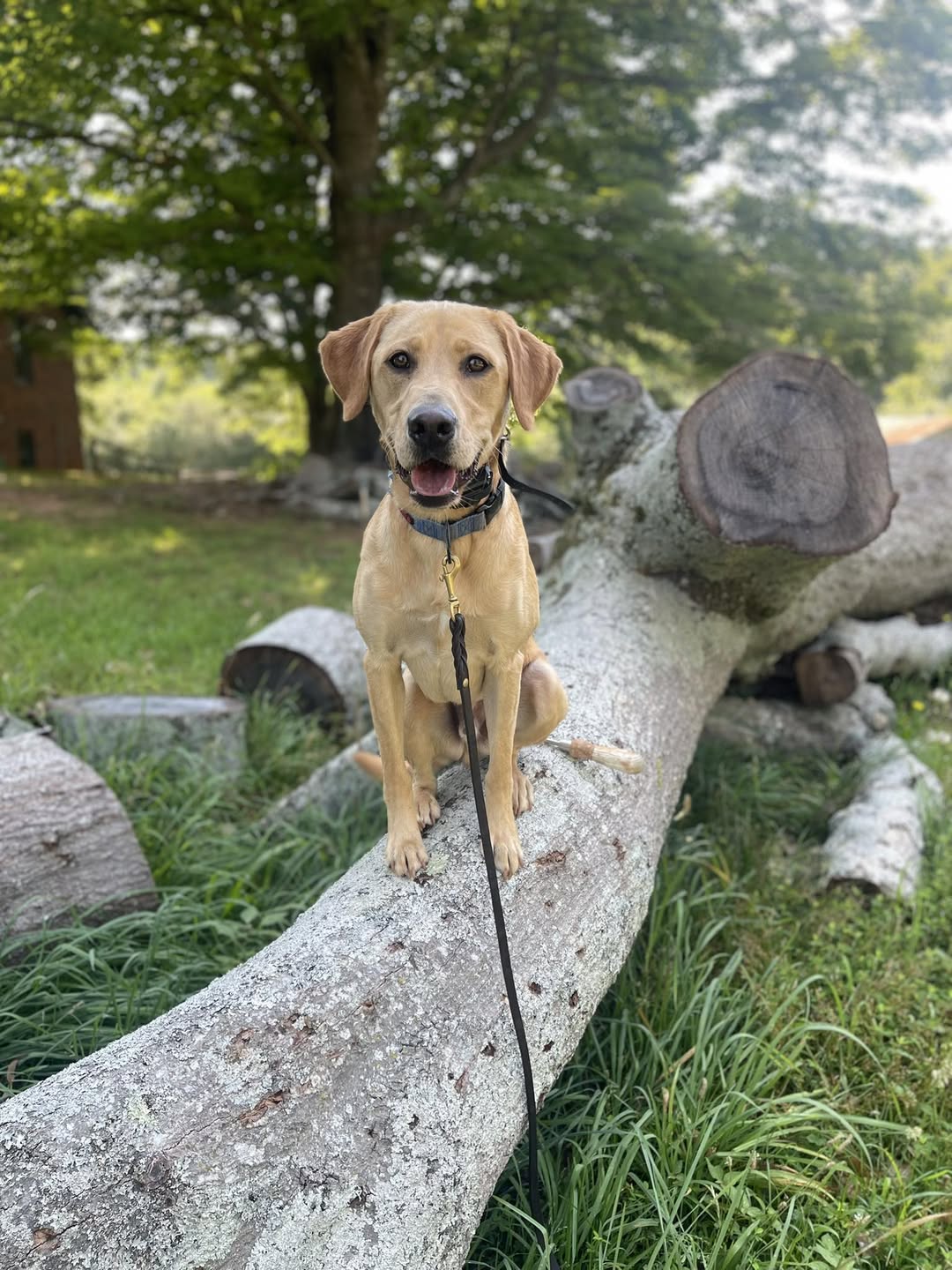
Impulse Control Training for Dogs: Charlie’s Journey From Chaos to Calm
Written by : Lucinda York
Why Impulse Control Matters for High-Energy Dogs.
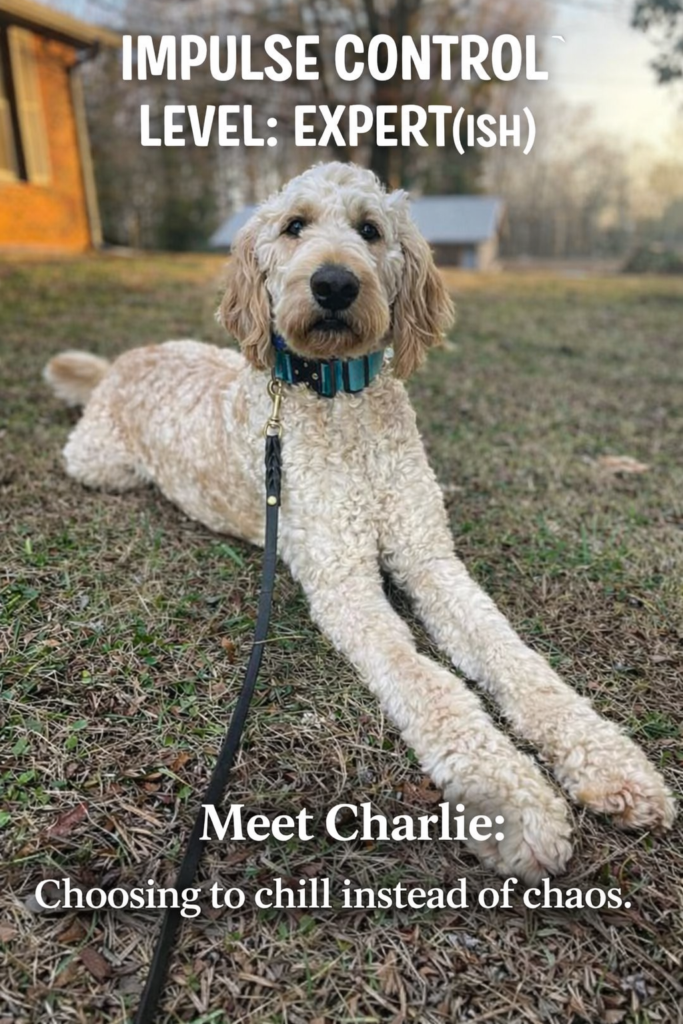
“Charlie came to us for board and train because his energy moved faster than his ability to regulate it.”
Impulse control training for dogs is often the missing piece for high-energy dogs who feel chaotic, reactive, or hard to manage. Without impulse control, dogs move before they think, grabbing, lunging, pulling, and reacting on instinct alone. Charlie is a very happy, affectionate dog. He wants to be close. He wants to engage. He leads with enthusiasm and connection. But when he arrived, he had no real understanding of personal boundaries.
At Ducktown Lodge, impulse control training for dogs starts with structure, not correction. Charlie practiced waiting before acting in small, repeatable moments throughout the day. Sitting before moving. Pausing before play. Checking in instead of charging ahead. Over time, those pauses became habits. And those habits changed everything.
Meeting Charlie: A Good Dog Learning Self-Regulation
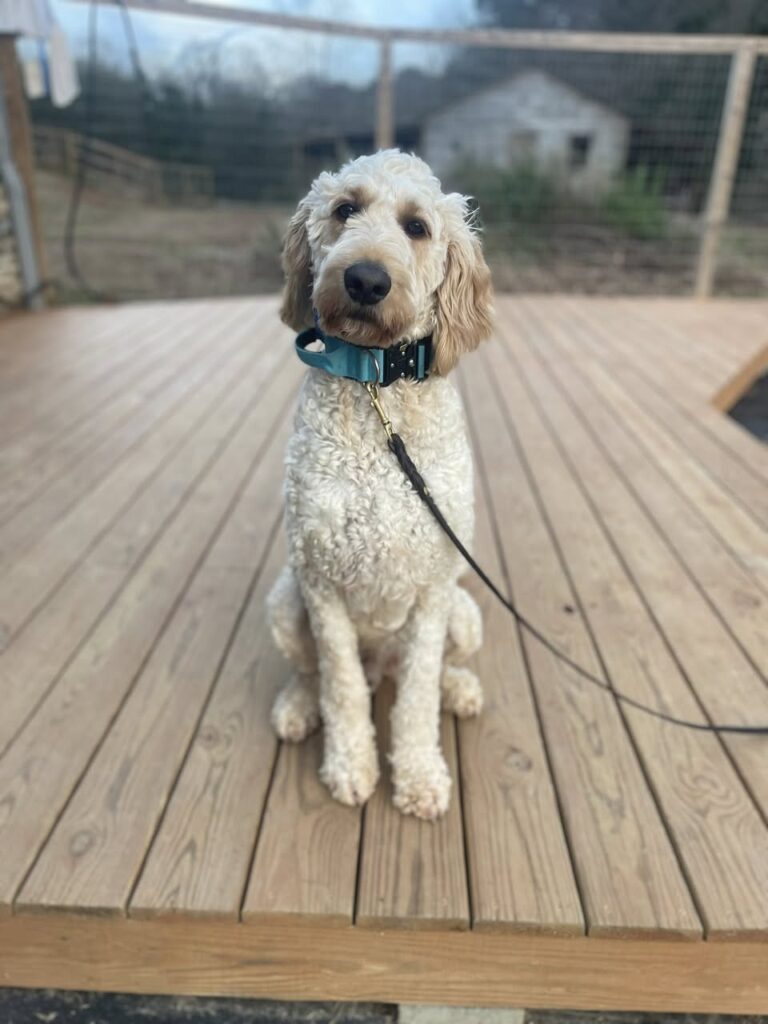
Charlie is the sweetest guy, and he was very eager to learn. He was social and always ready to engage, but once excitement showed up, listening disappeared. He was not stubborn or defiant. He was overwhelmed.
This is common with dogs who lack impulse control. Without clear boundaries and consistent follow-through, energy spills over into behaviors that feel chaotic. Charlie didn’t need to be slowed down by force. He needed help learning how to slow himself down.
Why Impulse Control Training Matters for High-Energy Dogs
Impulse control is not suppression. It is not about shutting a dog down or taking away their personality. It is about teaching a dog how to pause long enough to make a better decision.
Dogs act on immediate desires. Movement. Sound. Food. Play. Training reshapes how they process those moments, replacing instant reactions with thoughtful responses. When a dog learns impulse control, listening becomes possible. Calm becomes accessible.
This is the foundation of dog impulse control training. Not control. Clarity.
Creating Calm Before Leash Manners and Impulse Control
Before asking Charlie for precision, especially on the leash, we focused on calm. Charlie came in pulling hard and reacting to the movement around him. Walks felt rushed. His body stayed tight. His brain stayed busy. That told us everything we needed to know. His nervous system was leading, not his decision-making.
His days followed a predictable rhythm. Outside time. Training. Rest. Engagement. Pause. That consistency mattered more than any single exercise. Predictability lowered his arousal. When dogs know what comes next, they stop trying to manage everything themselves.
As the rhythm settled in, Charlie changed. He began settling faster between activities. His movements softened. On leash, he stopped scanning the environment for the next thing to react to. Once calm showed up, leash manners started to make sense. Pulling decreased. Reactivity softened. Listening lasted longer.
Only then did obedience begin to hold.
This aligns with what Whole Dog Journalpoints out about impulse control. It only becomes a concern when a dog’s natural reactions start disrupting daily life or relationships. Charlie’s leash pulling and reactivity were not personality flaws. There were signs that his impulses were running ahead of his ability to pause.
By addressing calm first, we gave Charlie the space to learn impulse control in motion. That is what allowed leash training to stick, not force, not pressure, but clarity.
Building Impulse Control Through Basic Obedience
Basic obedience is where impulse control is built, not tested.
Leave It & Impulse Control The “leave it” cue teaches a dog to disengage from temptation and look to you instead. Start by rewarding the moment your dog pauses or backs off—impulse control is built in that split second of choice. Over time, “leave it” becomes less about avoiding an object and more about trusting that better rewards come from self-control.
AKC Leave-It Command Impulse Control Training
Basic obedience is where impulse control is built, not tested.
Sit, Down, and Place as Impulse Control Skills
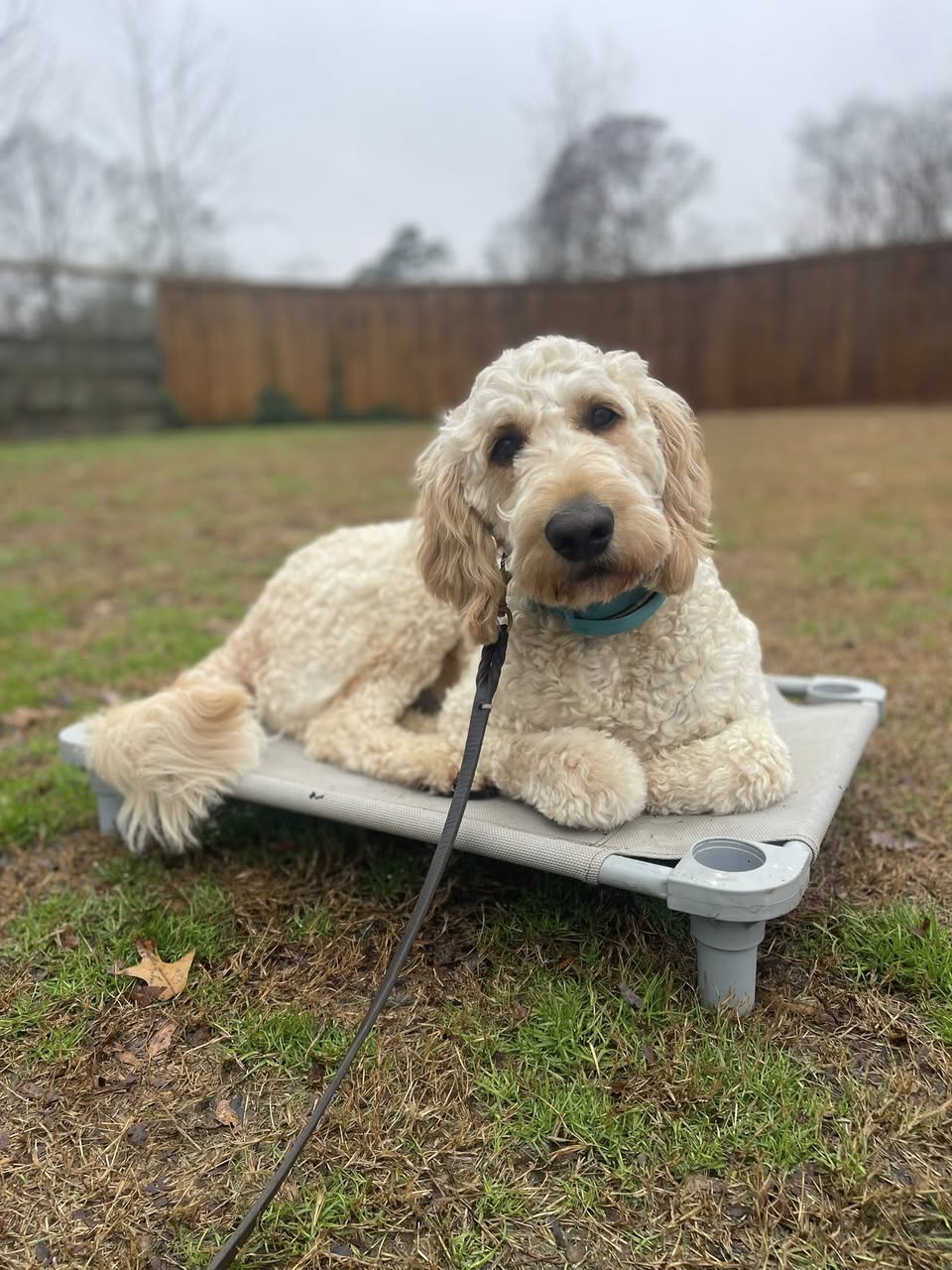
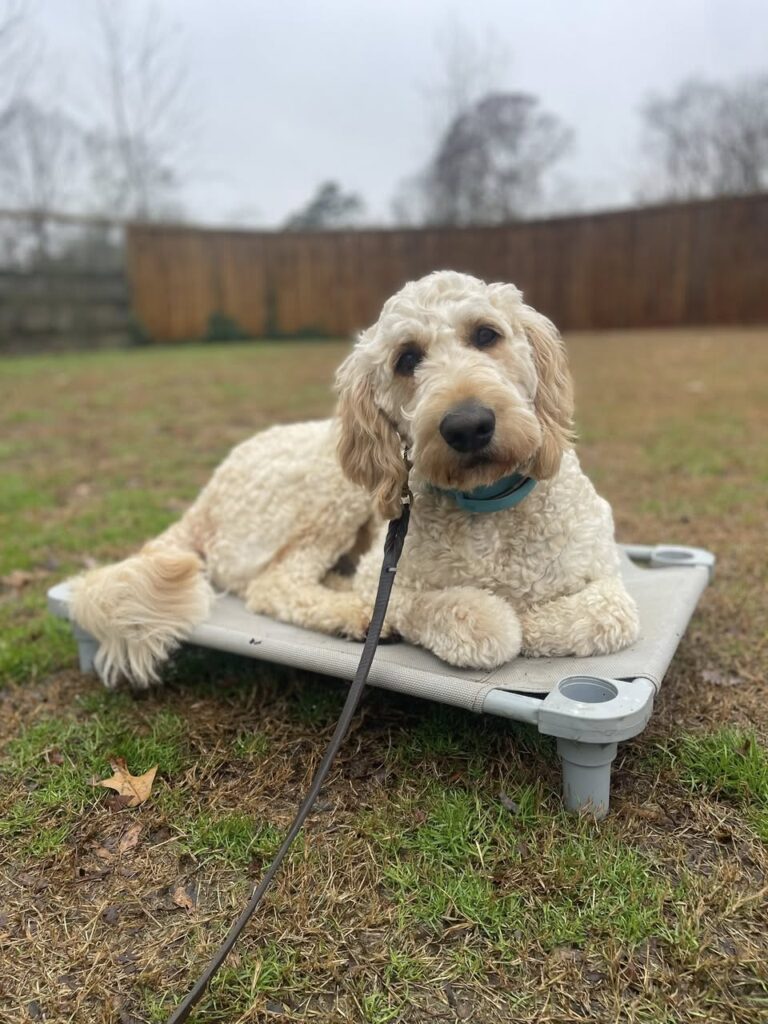
With Charlie, holding positions mattered more than speed. Staying in a sit. Remaining on place. Waiting instead of popping up. These moments taught him that stillness was safe. Over time, each successful pause strengthened his ability to regulate himself. Nothing bad happened when he waited, and that lesson carried into the rest of his day.
Recall as an Impulse Control Decision
Recall is not just about distance. More importantly, it’s about choice. Charlie practiced coming when called around distractions, not away from them. Each repetition reinforced the same idea. Checking in mattered more than chasing the environment. Because of that, his responses became more reliable and thoughtful.
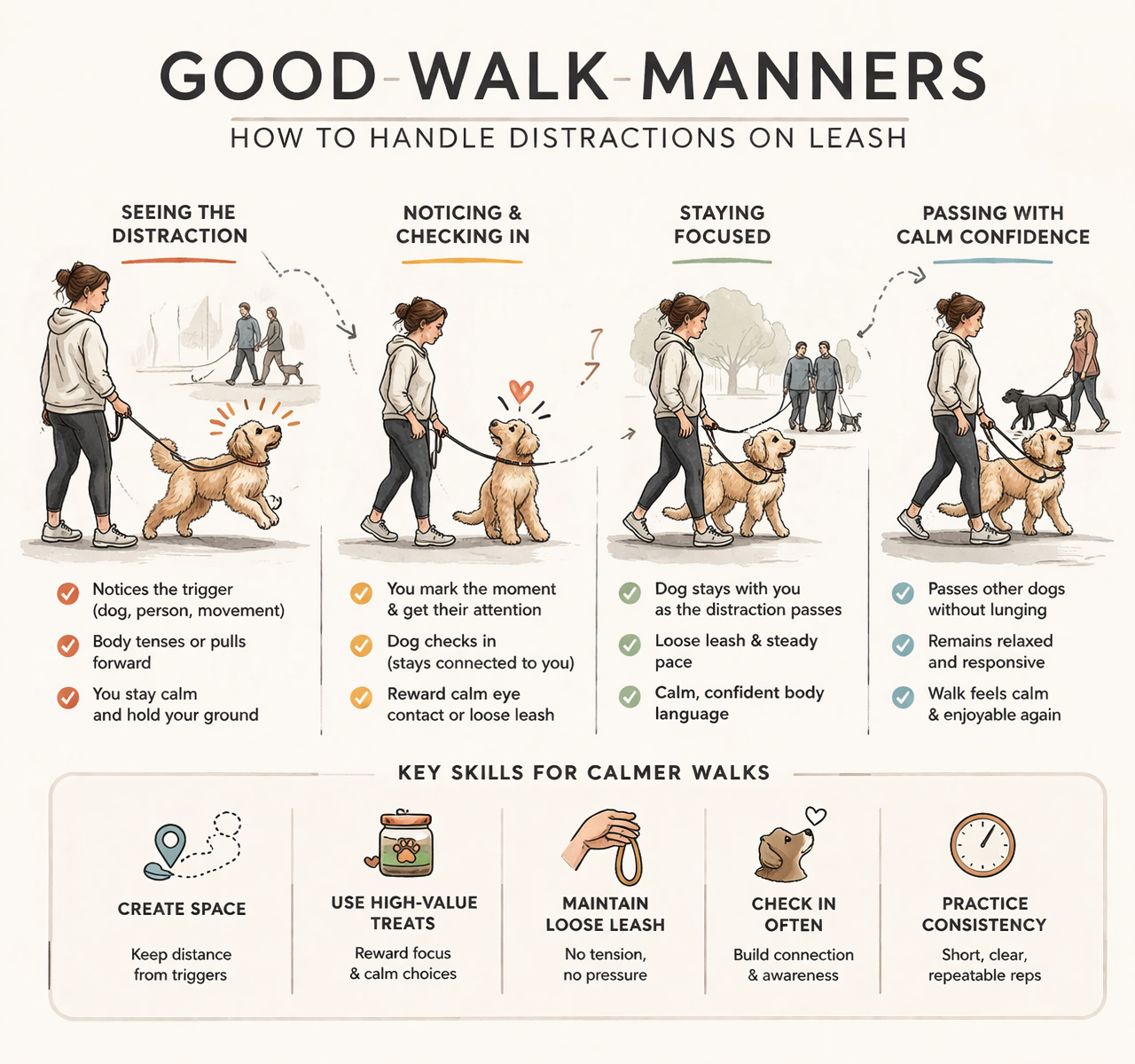
Leash Manners and Impulse Control in Motion
Leash work often exposes gaps in impulse control immediately. Charlie didn’t pull because he was stubborn. Instead, he pulled because movement felt urgent.
Through training, he learned that pulling toward distractions achieved nothing. Calm behavior, on the other hand, earned forward movement. When he stayed connected, the walk continued. When excitement took over, everything slowed down. That same lesson showed up in other areas of his day as well, including waiting at doors and holding position during transitions.
Practicing Impulse Control Around Distractions
Rather than avoiding distractions, we introduced them intentionally. Movement, sounds, and stimulation became opportunities to practice regulation instead of reaction. Each calm response reinforced the same message. You can handle this. You don’t need to react.
Redirecting Impulse With Purpose
Impulse control does not come from exhausting a dog. Instead, it comes from redirecting energy with clarity. Charlie practiced pausing around temptation such as food, toys, and movement. When he waited, the reward came. When he rushed, nothing happened.
Over time, the pattern became clear. Waiting worked. Rushing didn’t. Because these moments were short and repeated throughout the day, his behavior shifted naturally. Chaos softened, not because he was tired, but because his brain learned a new response.
The Lasting Benefits of Impulse Control Training for Dogs
When impulse control is built the right way, life becomes easier. Walks feel manageable. Home life feels calmer. Outings feel less unpredictable.
With consistent practice, dogs begin to pause automatically before reacting. They listen longer, respect boundaries, and stay focused even when excitement shows up. Ultimately, the goal is not perfection. The goal is a dog who can be trusted and a household that feels steadier.
How We Helped Charlie and Why Follow-Through Matters
Charlie’s progress came from structure, consistency, and daily repetition. However, what truly made the difference was what happened next. His owners committed to continued classes and follow-through, so his training didn’t stop at pickup.
Because they reinforced the same pauses, boundaries, and expectations at home, Charlie’s impulse control stayed sharp. That consistency is what allows progress to last. We are incredibly proud of how far he has come and even more proud of the support system helping him move forward.
Coming when called is not just about distance. It is about choice. Charlie practiced recall when distractions were present, not removed. Each repetition reinforced that checking in mattered more than chasing the environment.
This is why board-and-train impulse-control work is so effective. Skills are practiced in real moments, not perfect setups.
Impulse control isn’t about stopping your dog’s energy. It’s about helping them pause. We put together a simple guide with real-life exercises we use at Ducktown Lodge.
We are incredibly proud of his improvement. Not just because of how far he has come, but because he is supported moving forward. When impulse control training becomes a shared effort, the calm lasts.