How to introduce dogs to each other at home is one of the most important steps when bringing a new dog into your family. Bringing a new dog home is exciting — and for many families we work with, it also comes with a lot of nerves. You want things to go well, not just for you, but for the dog you already love. When dogs are going to live together, their introduction isn’t just a quick moment to get through. It sets the tone for how safe, settled, and comfortable they’ll feel with each other long term.
Here’s how to make that first meeting and the first few days thoughtful, calm, and respectful — for every dog involved.
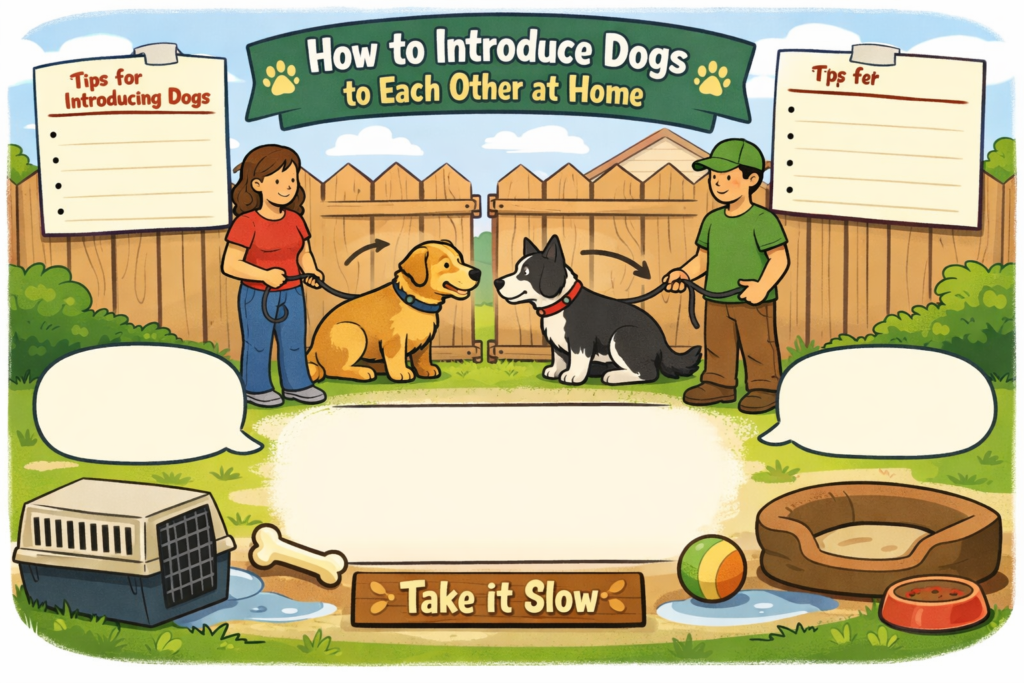
Tips for Introducing Dogs
Start on neutral ground
First meetings go best outside the home, where neither dog feels pressure or ownership.
Keep it slow and short
Brief, calm interactions build trust better than long or forced time together.
Let the dogs set the pace
Watch body language and comfort levels instead of rushing the process.
Before They Ever Meet: Set Everyone Up for Success
Why How You Introduce Dogs to Each Other Matters More Than You Think
Not all dogs naturally click, and that’s okay. Think about:
- Energy levels — a super-bouncy puppy with a mellow adult may be overwhelming.
- Personality — some dogs love canine company; others just tolerate it.
- Past experiences — a poorly socialized dog may need extra time and support.
If you can meet the new dog before you bring them home — at a neutral place — that’s ideal.
Create safe “separate spaces” in your home
Before introductions, set up areas where each dog can retreat:
- A quiet corner or room with water and comfort items
- A crate or gated area if your dog uses those
- Separate feeding spots to avoid early tension over resources
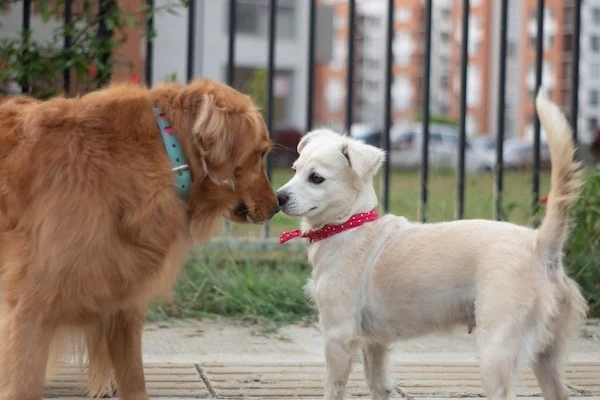
Putting on our dog breeder hat is often helpful when training dogs and supporting new owners. Breed and breed mix matter more than people realize. Different breed groups tend to have distinct play styles, communication patterns, and body language. Thinking about how your dog is wired — and what type of dog may complement that — can help introductions feel smoother and more predictable from the start.
First Meeting: How to Introduce Dogs to Each Other Safely and Calmly
Whenever possible, choose neutral territory — like a quiet backyard or park where neither dog feels territorial.
Start the introduction gently:
- Take both dogs on a short walk first — tired dogs are often less reactive.
- Let them sniff and notice each other’s presence without pressure.
- Keep leashes loose if leashed — tension on a leash can make a dog feel trapped and defensive.
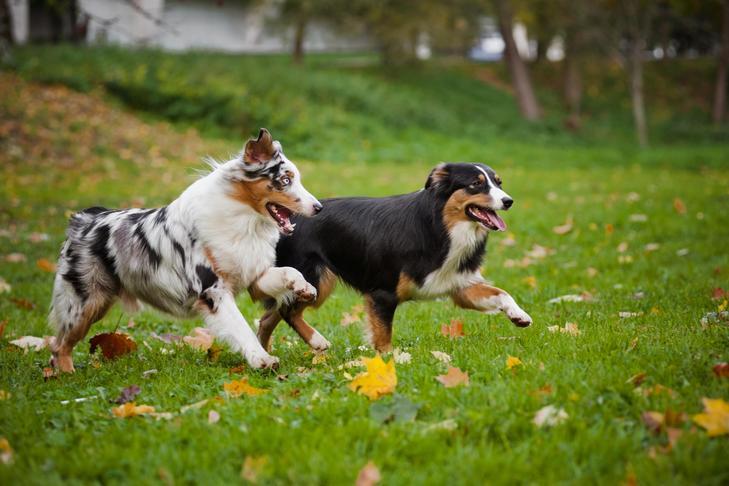
- Watch their body language — a relaxed tail, soft eyes, and gentle sniffing are good. Stiff posture, growling, or avoidance are signs you need to slow the pace.
Take It Slow — Inside and Out
1. A Slow Approach Is Key When You Introduce Dogs to Each Other
Instead of rushing a face-to-face meeting, try:
- Walking the dogs parallel at a comfortable distance
- Letting them notice each other gradually
- Rewarding calm behavior with praise (not treats if either dog guards food)
Movement keeps things calm and gives both dogs choice and agency in the interaction.
2. First in-home interaction should be brief and supervised
Once dogs have met calmly outside:
- Bring them inside together, without toys or food around
- Keep it short and neutral — no expectations, no forcing play
- You can use baby gates or separate zones to prevent them from feeling cornered
Give It Time – How to Introduce Dogs to Each Other in a Shared Home
Don’t expect friendship on day one. For many dogs, feeling safe around a new housemate can take days, weeks, or even longer.
During the early weeks:
- Keep mealtimes separate
- Continue positive, calm routines with both dogs
- Give your resident dog one-on-one time so they don’t feel replaced
This isn’t just logistics — it’s emotional reassurance. Dogs feel stability in predictable, respectful routines.
Watch for the Signals — and Slow Down if Needed
Understanding dog body language matters:
Good signs:
- Soft eyes
- Loose body posture
- Relaxed sniffing or playful bows
Stress signals:
- Tucked tail
- Lip lifting, stiff posture
- Avoidance or sudden growling
If either dog shows discomfort, give them space. Going slower now prevents problems later.
Get Support When You Need It
Knowing how to introduce dogs to each other calmly helps prevent tension and gives both dogs time to feel secure in their shared space. Sometimes introductions don’t follow a straight line — and that’s okay. If you’re noticing ongoing tension, fear, or guarding behaviors, a certified trainer can help guide you at your dog’s pace.
Final Thoughts

Introducing a new dog to your current dog isn’t a race — it’s a relationship-building process. Kindness, patience, structure, and understanding create safety and trust. When we honor each dog’s experience and give them room to adjust, we set every dog up for a calmer, more confident life together.
Bringing a new dog home is exciting, but it can also come with nerves for both dogs and people. A thoughtful, well-paced introduction helps dogs feel safer, lowers tension, and sets the foundation for a smoother transition into life together.
Source: Atlanta Humane Society
Learning how to introduce dogs to each other isn’t about perfection. It’s about pacing, preparation, and respecting each dog’s comfort level.
We work with many rescue dogs and new adopters, and we know how important the early days are. A slow, thoughtful introduction helps dogs feel safe and helps new owners build trust from the very beginning.