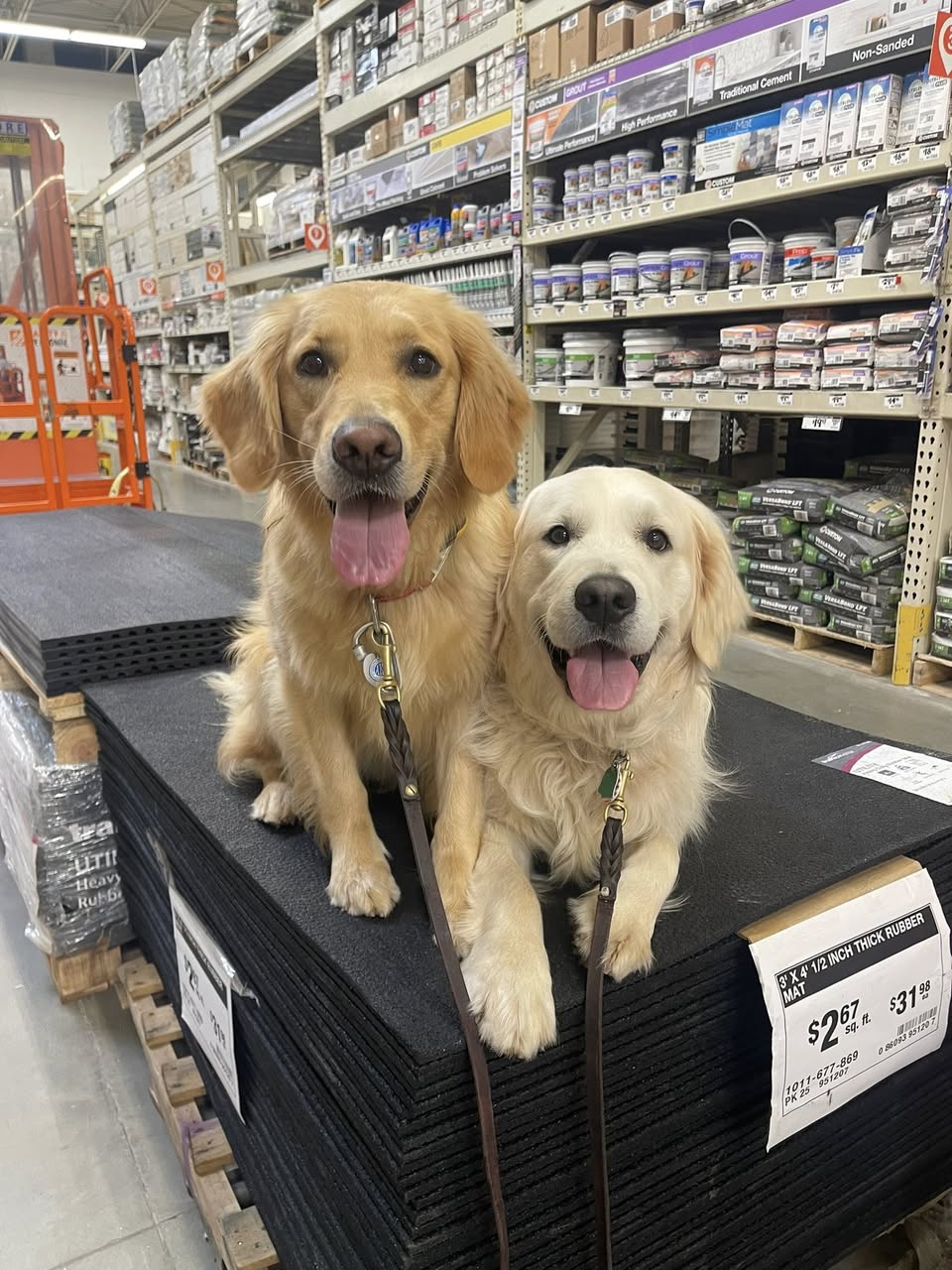
It Usually Starts With the Same Concern: “My Dog Pulls on Leash”
Flat collar dog training is one of the first things we pay attention to when new dogs arrive at Ducktown Lodge. There’s a moment that happens almost every time. We clip the leash on and start the short walk from the front area toward the backyard. Instead of moving together, the dog hits the end of the leash, pulling hard, setting the pace, deciding where the walk goes. More often than not, that dog is wearing a harness.
One of the most common challenges we see is calm dog walks, and more often than not, equipment plays a bigger role than people realize. At Ducktown Lodge, we practice balanced dog training and use different tools for different stages, including the prong collar, e-collar, and flat collar. Each one serves a purpose. Right now, though, we want to pause on something simple. Let’s talk about the flat collar versus the harness, and why we don’t prefer harnesses when the goal is clear, calm leash walking.
Most dogs that struggle to heel aren’t stubborn. They’re being guided by gear that teaches them to pull. Harnesses encourage dogs to lead the walk. A flat collar creates clearer communication, better leash manners, and calmer walks for both ends of the leash over time with consistent, patient daily work.
Let’s talk about what’s really holding things back
In many cases, the problem isn’t effort. It isn’t commitment. It’s the tool at the end of the leash. Flat collar dog training isn’t about being harsh or old-fashioned. It’s about giving dogs clear, understandable feedback so they can make better choices on their own.
Why Flat Collar Dog Training Starts With the Right Gear
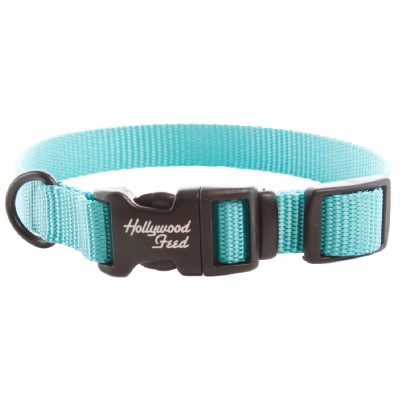
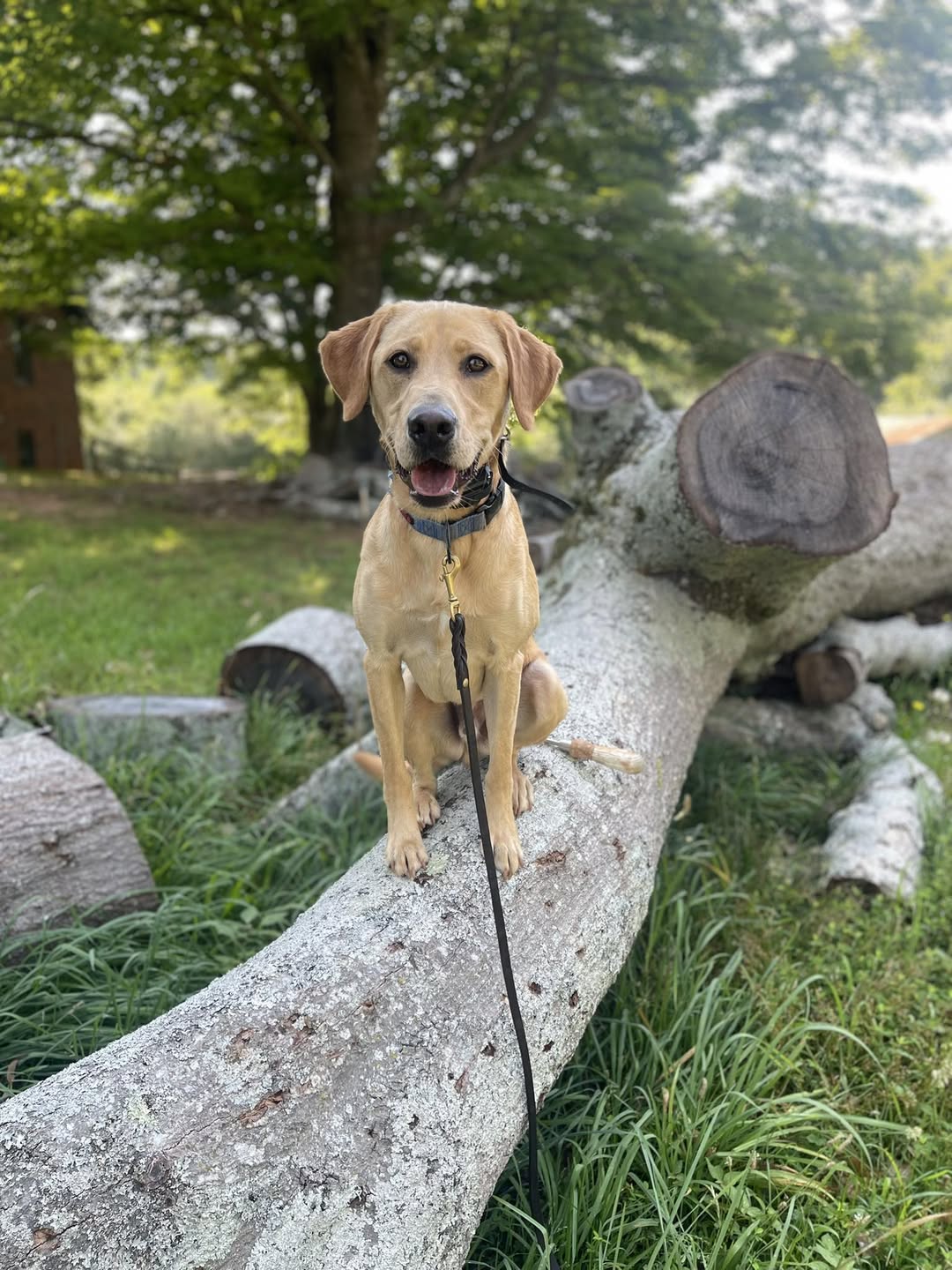
A simple, well-fitted flat collar made from durable materials, like this kind of everyday nylon option, can support clearer leash communication without adding unnecessary bulk or pressure. Dogs learn through patterns. Pressure and release. Cause and effect. From the very first walk, they’re taking in information about what works.
If pulling moves them forward, pulling becomes the answer.
If slowing down brings relief, slowing down becomes the habit.
Training gear teaches lessons whether we intend it to or not. Long before commands like heel or place are reliable, dogs are already learning how the leash works. That’s why equipment choice matters so much in flat collar dog training and leash manners overall.
How Harnesses Can Work Against Flat Collar Dog Training Goals
Harnesses have become incredibly popular, and it’s easy to see why. They’re marketed as safer. Kinder. More comfortable. Many owners are told that harnesses protect the neck and prevent injury.
Those concerns come from a good place. Nobody wants to hurt their dog.
But comfort alone doesn’t equal clarity. And clarity is what most dogs actually need in training.
Harnesses distribute pressure across the chest and shoulders. For many dogs, that pressure naturally triggers them to lean forward and push. That’s not defiance. It’s instinct. The harness doesn’t tell the dog they’re wrong. It just tells them to keep going.
How Harnesses Can Quietly Teach Dogs to Pull
Most harnesses unintentionally reward pulling. When a dog leans into the harness and moves forward, they get exactly what they want. Forward motion.
Over time, the lesson becomes very clear:
Pressure means go.
Leaning works.
Pulling pays off.
This creates frustration for owners because they feel like they’re constantly making no real progress. Walks turn into strength contests. Shoulders hurt. Hands ache. Tension builds on both ends of the leash.
The dog isn’t being difficult. They’re doing exactly what the equipment taught them to do.
Flat Collar Dog Training and Clear Communication
Training isn’t one-size-fits-all, and tools aren’t always meant to be permanent. In our work, we focus on helping dogs clearly understand leash communication before advancing. The flat collar becomes especially important during transitions because it offers clean, familiar feedback that dogs already understand, making the process calmer and more consistent. Flat collars work differently. When used properly, they create a clean line of communication between the handler and the dog. Pressure is light and direct. Release is immediate.
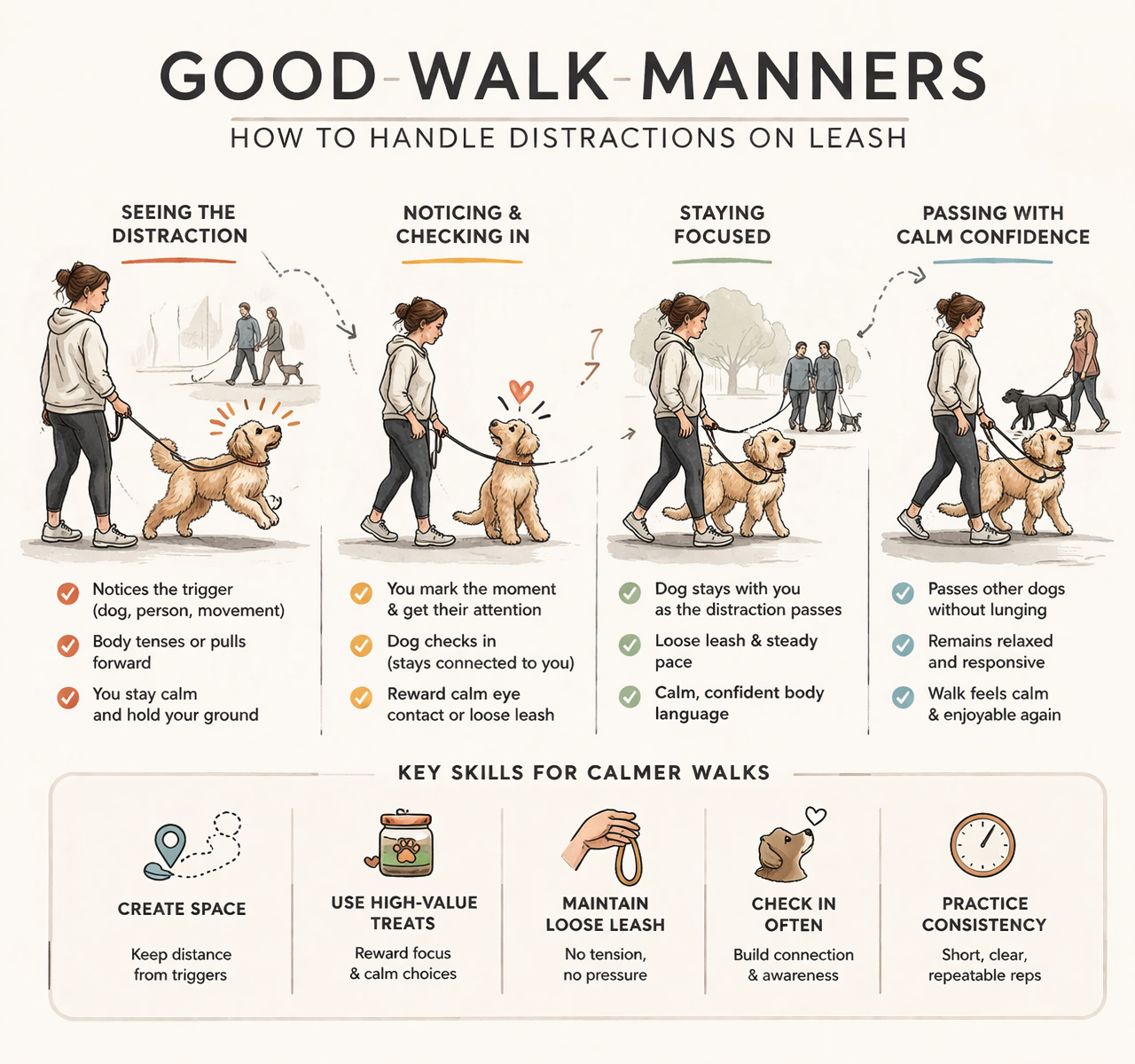
This is where walks start to change. Dogs begin checking in. The leash stays loose. The handler isn’t dragging or bracing. Movement becomes cooperative instead of competitive.
Flat Collars Are Not Harsh When Used Correctly
A flat collar itself isn’t harsh. Yanking, jerking, and poor timing are harsh. Any tool can cause problems if it’s misused.
Good flat collar dog training relies on calm handling. Small cues. Clear expectations. The goal isn’t control. It’s understanding.
When dogs understand what’s expected, tension drops. Both physically and emotionally
Common Myths About Flat Collar Dog Training
Flat collars hurt dogs’ necks
Injuries typically come from improper handling, not from flat collars. Poor technique can cause harm with any tool.
Harnesses are better for every dog
No single piece of equipment works for every dog or every goal. Training tools should match what you’re trying to teach.
My dog pulls less on a harness
Sometimes dogs appear calmer because they’ve shut down or are being physically managed rather than taught. That calm doesn’t always transfer when distractions increase.
When a Harness Does Make Sense
Harnesses aren’t wrong across the board. There are times they’re appropriate.
Dogs recovering from injury.
Dogs with specific physical limitations.
Temporary management situations.
The difference is intention. Using a harness as a short-term management tool is different from relying on it as a long-term training solution. Flat collar dog training focuses on teaching skills, not just managing behavior
Transitioning From a Harness to a Flat Collar
Switching tools can feel intimidating for owners and dogs. That’s normal.
The first few walks might feel different. Dogs may test boundaries. That doesn’t mean it’s failing. It means they’re learning new rules.
Keep walks short. Stay consistent. Reward moments of slack leash. Avoid overcorrecting. Progress comes from clarity, not pressure.
Patience matters more than perfection.
Why Flat Collar Dog Training Builds Calmer Walks and Better Relationships
Training isn’t really about equipment. It’s about trust. Gear just helps support communication.
When walks become calm and predictable, stress drops for dogs. Owners relax. The leash stops being a point of conflict. Connection grows.
Flat collar dog training supports that process by making expectations clear and fair.
How This Shows Up Every Day at Ducktown Lodge
We see this play out daily. Dogs that arrive pulling on harnesses often settle quickly once communication becomes clearer. They don’t need force. They need guidance.
Our focus is always on clarity over trends. Real-life walks. Real distractions. Real routines. Flat collar dog training fits those environments better because it teaches dogs how to move with their handler, not ahead of them
Solutions That Actually Make Walks Better
If walking your dog feels frustrating, the solution may not be more effort or stricter rules. It may be changing how information is delivered.
Flat collar dog training offers:
Clear feedback
Less pulling
More cooperation
Calmer daily routines
That shift alone can change how owners feel about walking their dogs again.
A calmer walk is possible
You’re not asking for too much by wanting a dog that walks politely on a leash. You’re not failing because the harness hasn’t worked.
Sometimes progress stalls because the tool is working against you.
If you’re ready to make walks feel easier and more connected, start with the simplest change. Better communication often starts with better equipment.
And if you want help figuring out what works best for your dog, start with a conversation. We’re always here to talk it through.