Early Puppy Training Matters More Than You Think
Series 3
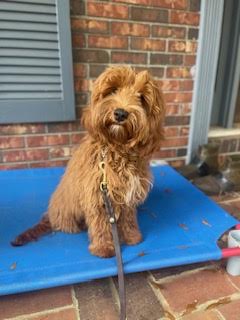
Happy Paw Doodles Puppy
Puppy training starts long before formal obedience classes or a board and train program. From the moment a puppy comes home, they are learning what behavior is allowed, what gets corrected, and what earns attention. Early puppy training helps prevent bad habits before they take root and makes future puppy obedience training clearer and less stressful for everyone involved.
This article is part of our ongoing puppy training series designed to help families feel more confident during those early months. In this third installment, we’re sharing three practical puppy training tips that help our families focus on what’s most beneficial early on — the habits, structure, and guidance that shape behavior long before formal training begins. These tips are meant to support what you’re already doing at home and prepare your puppy for long-term success.
Puppy training works best when it starts early, focuses on habits, and stays consistent. Early puppy training tips include setting boundaries at home, avoiding rough play, and introducing calm socialization. By five to six months, puppies already have patterns in place, which is why early guidance matters so much.
Setting the Stage for Lifelong Learning
At Ducktown Lodge, we typically welcome puppies into our board and train program around five to six months of age. By then, their early experiences at home have already shaped how they respond to structure, leadership, and new environments. That early work does not need to be complicated or intense. It simply needs to be clear, calm, and consistent. In the sections below, we will walk through three early puppy training tips that help shape behavior for life and explain how those early choices support successful puppy training later on.
Why Puppy Training Starts Earlier Than Most People Think
Puppies do not wait until formal training begins to start learning. From the moment they enter a new home, they are paying attention to routines, reactions, and boundaries. Every interaction teaches them something about how the world works. That is why early puppy training matters, even before structured puppy obedience training begins.
Many owners plan to address behavior later, assuming things will settle on their own. In reality, puppies rehearse behaviors daily. Jumping, nipping, barking, and chewing either get redirected or reinforced. By the time a puppy reaches five or six months, those habits are already familiar. Early puppy training tips focus on shaping behavior before it becomes frustrating or confusing for both the dog and the owner.
At Ducktown Lodge, we usually work with puppies once they are around five to six months old. By that point, the goal is not to start from scratch. The goal is to build on what has already been taught at home. Puppies who arrive with early structure, basic boundaries, and calm exposure adjust faster and gain more from our puppy board and train program.
The Role of Early Guidance at Home
Early training at home does not require long sessions or advanced commands. It is about setting expectations in everyday life. Puppies need clarity. They need to know where they rest, how they greet people, and what behaviors are not allowed. When those expectations are clear early on, puppies feel more secure and confident.
We follow many principles taught by Breeding Better Dogs, especially the idea that early development shapes long-term behavior. Puppies who receive thoughtful guidance early are better prepared for structured puppy training later. They are not overwhelmed by learning because they already understand how to respond to direction and correction.
Tip 1: Focus on Habits, Not Just Commands
One of the most important early puppy training tips is to focus on habits rather than formal commands. Commands can always be taught later. Habits are much harder to undo once they are established.
Puppies naturally explore the world with their mouths. They jump when excited. They bark when they want attention. These behaviors are normal, but allowing them without correction teaches the puppy that they are acceptable. Over time, these actions become patterns.
The habits puppies practice daily are the ones that stick. Early puppy training should focus on:
- Calm greetings
Teaching puppies to sit or wait instead of jumping helps prevent future frustration. - Appropriate chewing
Redirecting chewing early prevents damage and builds impulse control. - Settling and rest
Puppies need to learn how to relax and self-soothe. - Respect for boundaries
Clear rules help puppies feel secure and supported.
These habits form the foundation for successful puppy obedience training later. Puppies who understand boundaries learn faster and feel less stress when expectations are clear.
Why Early Puppy Training Prevents Long-Term Behavior Issues
Many behavior problems do not disappear on their own. They grow stronger with repetition. Puppies learn every day whether a behavior works. Early puppy training tips are about preventing unwanted behaviors from becoming normal in the puppy’s mind.
At Ducktown Lodge, we often see puppies who are smart and eager but confused. The confusion usually comes from mixed signals at home. Addressing habits early makes puppy training smoother and more effective.
Tip 2: Create Calm Leadership at Home
Puppy training is not about control. It is about leadership. Puppies look for guidance in their environment. When leadership is calm and consistent, puppies feel safe.
Leadership does not mean harsh corrections or constant commands. It means being clear, fair, and predictable. Puppies thrive when they know what to expect.
Everyday Puppy Training Habits That Shape Behavior for Life
One of the most overlooked early puppy training tips is consistency. Every member of the household needs to follow the same rules. Puppies do not understand exceptions.
If a puppy is not allowed on furniture, that rule must apply all the time. Allowing a behavior one day and correcting it the next creates confusion. Confused puppies often respond with anxiety, resistance, or testing boundaries.
Leadership also means not overindulging. Constant attention, excessive coddling, or allowing demanding behavior can lead to puppies who struggle with independence and boundaries.
Puppy Training and Leadership Go Hand in Hand
When puppies arrive at Ducktown Lodge for board and train, we can quickly tell whether leadership has been present at home. Puppies who have experienced calm guidance are more receptive to puppy training. They are not afraid of structure. They welcome it.
Our puppy board and train program builds on that foundation. We do not replace your role as the leader. We support it by reinforcing clear communication and steady expectations.
How Early Crate Training Supports Puppy Training and Development
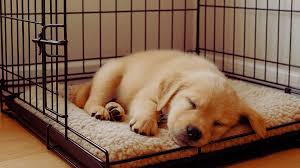
Early crate training is one of the most helpful tools in puppy training when it’s introduced correctly. A crate is not about confinement or punishment. It’s about giving puppies a predictable, safe space where they can rest, regulate, and learn how to settle on their own.
When puppies are introduced to a crate early, they learn an important life skill: how to be calm without constant stimulation. This supports emotional regulation and helps prevent behaviors that come from overtiredness, anxiety, or overstimulation.
Why Crate Training Helps Puppy Training Succeed
Early crate training supports puppy training in several important ways:
- Encourages rest and recovery
Puppies need far more sleep than most people realize. A crate helps protect that rest so puppies don’t become overworked or reactive. - Builds independence and confidence
Learning to settle alone helps puppies feel secure without relying on constant attention. - Prevents bad habits from forming
Supervision matters in early puppy training. Crates prevent chewing, nipping, and wandering when puppies can’t be actively monitored. - Supports house training routines
Predictable crate schedules help puppies learn bladder control and structure.
When crate training is calm and consistent, puppies begin to view their crate as a place of comfort, not isolation.
Crate Training and Puppy Board and Train Programs
At Ducktown Lodge, we see firsthand how early crate training supports successful puppy training later on. Puppies who are already comfortable resting in a crate transition more smoothly into new routines, including board and train programs.
Crate training helps puppies:
- Settle faster in unfamiliar environments
- Feel safe during downtime
- Adapt more easily to structured schedules
This makes puppy training more effective and less stressful — for the puppy and the owner.
Using Treats the Right Way in Puppy Training

Food rewards can be a helpful part of puppy training when they’re used thoughtfully. Treats aren’t about bribery — they’re about clear communication. When used correctly, they help puppies understand exactly which behavior you’re reinforcing. We like Hollywood Feed for all our dogs and guests.
The key is size and timing. Treats should be very small — much smaller than most people expect. A tiny piece of soft food, like chicken or hot dog, is more than enough. Puppies are motivated by frequency, not volume. Smaller treats allow you to reward often without overstimulation or distraction.
In early puppy training, the reward isn’t just the food. It’s the combination of food, praise, and connection.
Why Treat Size Matters in Puppy Training
Large treats can slow learning and overwhelm puppies. Small treats keep training sessions moving and help puppies stay focused. Puppies will work just as hard — often harder — for a small reward when the message is clear.
Using small treats also allows you to:
- Reinforce behavior repeatedly
- Keep sessions short and productive
- Avoid frustration or overstimulation
This approach supports calm, effective puppy training rather than excitement-driven behavior.
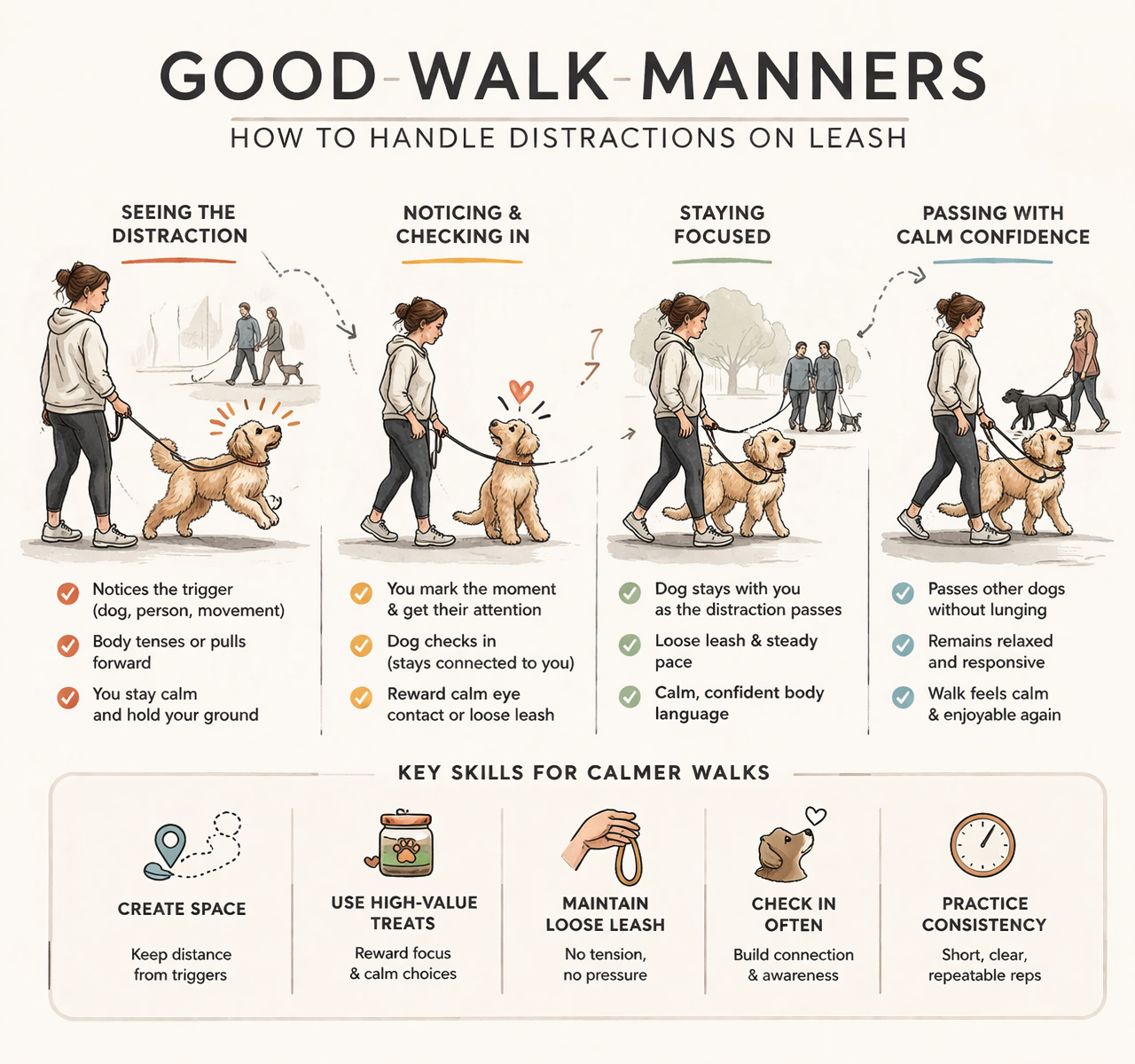
Teaching Focus and Eye Contact During Puppy Training
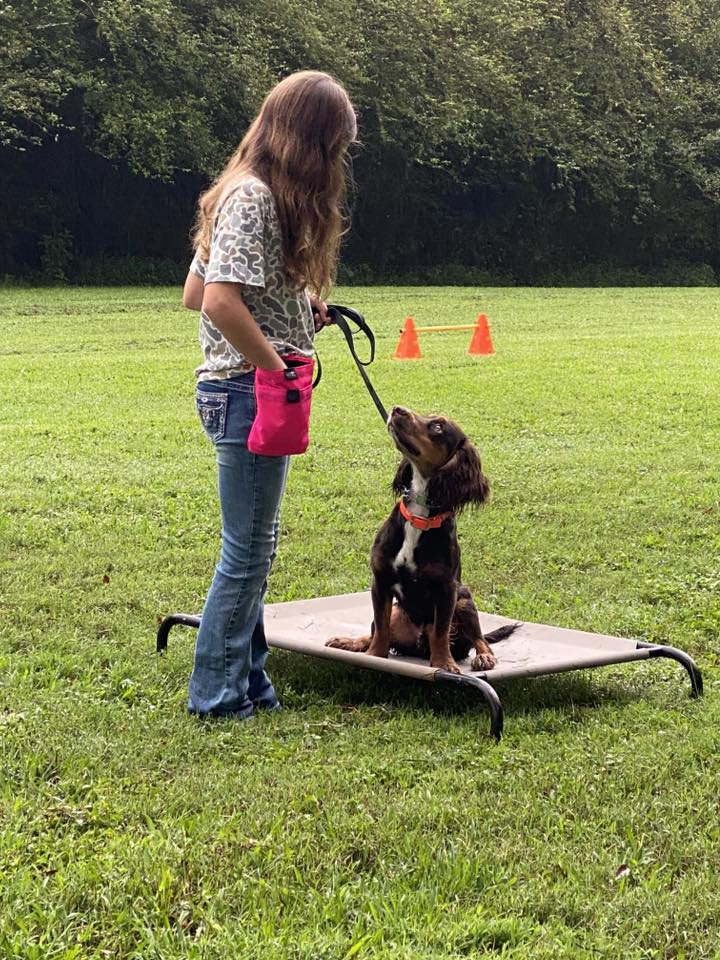
Eye contact is an important foundation skill in puppy training. Puppies naturally glance away, especially in new or stimulating environments. Teaching them to comfortably look up at you builds focus, confidence, and communication.
A simple way to encourage this during puppy training is to:
- Get your puppy’s attention
- Hold a small treat and slowly bring it up toward your face
- As your puppy follows the treat, they’ll naturally lift their eyes
- The moment your puppy makes eye contact, calmly say “good”
- Then deliver the treat
Verbal praise and gentle petting should always be part of this process. Over time, puppies learn that checking in with you — not just following food — is what earns reinforcement.
Beyond Treats: Building Real Engagement
Treats are a starting point, not the end goal. As puppy training progresses, eye contact, praise, and calm connection become just as rewarding as food. Puppies begin to work with you, not just for a treat.
At Ducktown Lodge, we use treats as one tool among many. Our focus is on building engagement, clarity, and trust so puppies respond because they understand — not because they’re being lured.
Used correctly, food rewards support puppy training without creating dependence, helping puppies grow into attentive, confident dogs who enjoy learning.
A Calm Tool, Not a Shortcut
Crate training works best when paired with exercise, engagement, and clear boundaries. It is not meant to replace training or interaction. Instead, it supports healthy development by giving puppies balance.
Used thoughtfully, early crate training becomes a powerful part of puppy training, helping puppies grow into calm, confident dogs who know how to rest as well as they know how to play.
Tip 3: Socialization With Intention, Not Overstimulation
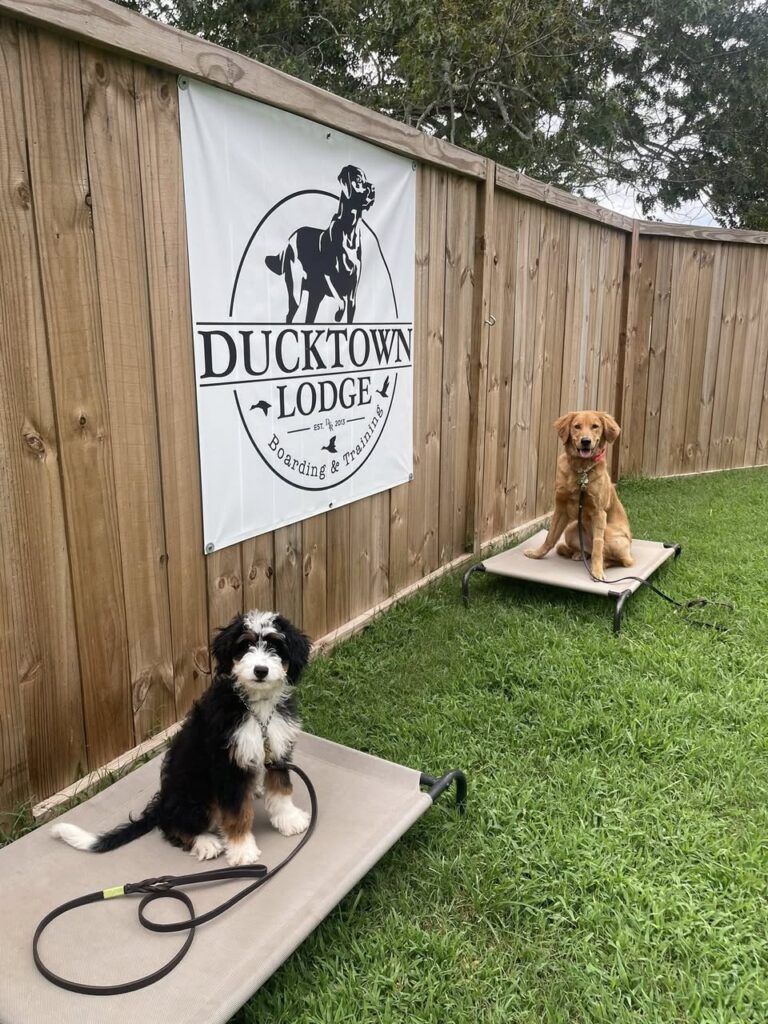
Socialization is a critical part of early puppy development, but it is often misunderstood. Socialization is not about constant exposure or overwhelming experiences. It is about teaching puppies how to remain calm and curious in new situations.
Early puppy training tips emphasize quality over quantity when it comes to socialization.
What Puppies Should Learn Before Formal Puppy Training Begins
Healthy socialization includes controlled exposure to:
- Household sounds like vacuums and appliances
- Short car rides
- New surfaces and environments
- Calm interactions with people
The goal is confidence, not excitement. Puppies who are overstimulated can become reactive or anxious. Puppies who are gently introduced to the world learn how to process new experiences calmly.
Our Approach at Ducktown Lodge
At Ducktown Lodge, socialization is structured and intentional. Puppies are not thrown into chaotic environments. They are guided through new experiences at a pace that supports emotional stability.
This approach aligns with what we value in puppy training. Confidence grows when puppies feel safe and supported, not rushed.
How Early Puppy Training Supports Board and Train Success
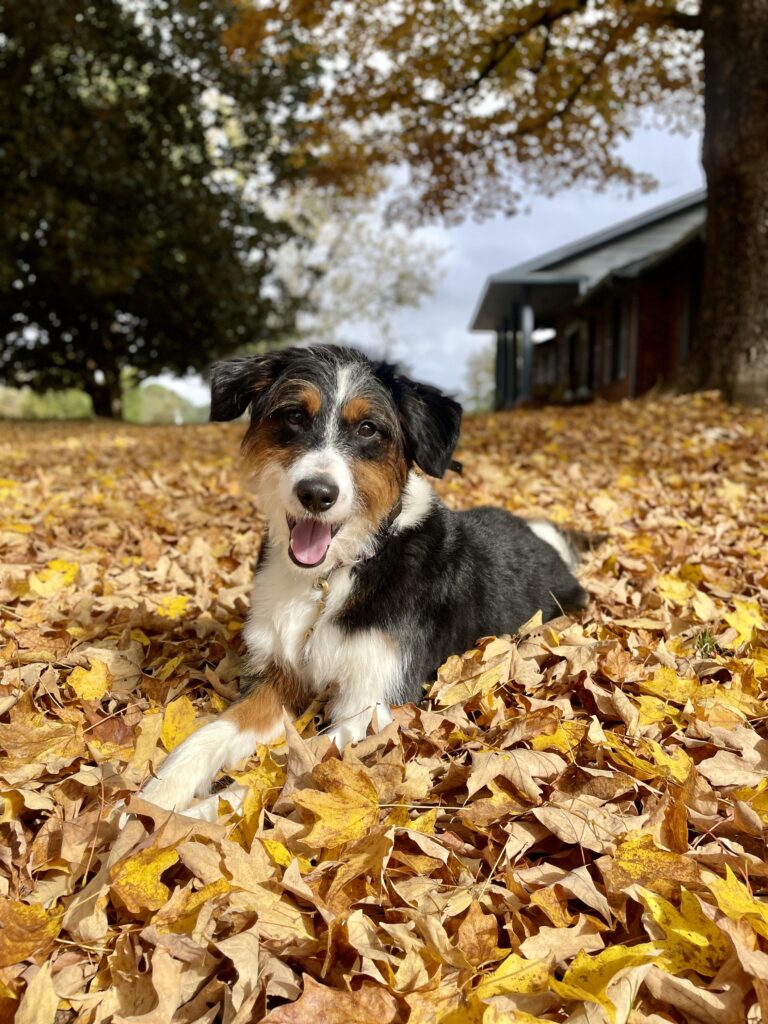
Building on Early Puppy Training at Ducktown Lodge. By the time puppies come to us at five to six months, their early experiences matter. Puppies who received early puppy training tips at home adapt faster and make greater progress during board and train.
What Puppies Bring With Them
Puppies arrive with existing habits, expectations, and emotional patterns. Early structure makes it easier for them to understand new routines and training goals.
When early puppy training has been consistent, puppies:
- Adjust more quickly
- Learn commands faster
- Show less stress
- Communicate more clearly
How We Build on That Foundation
Our puppy board and train program is designed to strengthen what you have already started. We focus on:
- Consistency and structure
- Clear communication
- Low volume, high attention care
- Training that supports emotional safety
We hope families find our program beneficial not just during the stay, but long after their puppy returns home.
Common Puppy Training Mistakes to Avoid
Even well-intentioned owners can unknowingly create challenges. Some common puppy training mistakes include:
- Waiting too long to set boundaries
- Allowing rough or aggressive play
- Ignoring early signs of problem behavior
- Being inconsistent with rules
Early puppy training tips are about prevention. Addressing issues early saves time, stress, and frustration later.
Helping Your Puppy Grow Into a Calm, Confident Dog
Raising a puppy can feel overwhelming, but it does not have to be chaotic. With early guidance, calm leadership, and intentional training, puppies grow into confident, well-adjusted dogs.
At Ducktown Lodge, we believe early puppy training at home sets the stage for success. Our puppy board and train program is designed to support that foundation, not replace it. If you are looking for puppy training that feels steady, thoughtful, and respectful, we would love to talk.
Reach out when you are ready. We are here to help you and your puppy build something solid from the start. Call today to talk about our program and how we help our board and train families with early puppy development. 770-733-0836