Consistency Builds Reliability: A Guide for Newly Graduated Dogs

Dog training regression feels scary because it looks like progress disappearing. A dog comes home knowing the skills. Then the listening fades. Leash manners slip. Structure unravels. Most of the time, nothing is wrong with the dog. What changed was the environment.
What we see again and again after dogs graduate
At Ducktown Lodge, we work with dogs who leave training calm, clear, and regulated. Then they go home to a world that looks nothing like the one they learned in. Schedules loosen. Multiple people handle the dog differently. Freedom shows up fast. Distractions stack before the dog is ready. This blog breaks down what is normal, what is not, and how to protect the work your dog already did before small slips turn into big setbacks.
Before You Start: What Matters Most
These guidelines apply throughout the entire first 30 days at home.
- Everyone in the household follows the same rules. Consistency matters more than intention.
- Busy, high-distraction environments wait until your dog is ready.
- Leash clarity comes before off-leash freedom.
- Short, successful practice beats long, frustrating sessions every time.
- If something starts to unravel, don’t push through it. Simplify and reset.
Progress comes from steadiness, not pressure.
Weeks 1–2: Let the Dog Settle Into Home Structure

What We’re Aiming For
Your dog is learning that the expectations from training still exist at home, even though the environment is different.
What to Focus on Each Day
- Keep your dog supervised or on leash, inside and outside.
- Practice familiar skills only, in calm, known spaces.
- Use Place briefly and successfully. Think seconds, not endurance.
- Play recall games where distractions are minimal.
- Maintain a predictable rhythm for:
- Meals
- Walks
- Rest
- Training time
What to Hold Off On
- No dog parks.
- No busy public outings.
- No off-leash freedom.
- No “testing” your dog to see what they remember.
What’s Normal Here
You may see some boundary checking, slower responses, or mild testing.
That’s not failure. That’s an adjustment.
Week 3: Strengthen the Basics as Life Gets Busier
What Changes This Week
Once your dog is responding clearly again, we begin adding small amounts of pressure in a controlled way.
How to Do That Well
- Introduce one distraction at a time.
- Ask for a slightly longer Place duration.
- Have guests over, but with structure in place.
- Keep expectations calm during meals and daily activities.
A Key Rule
Pressure belongs inside success.
If your dog hesitates, the picture is too hard. Make it simpler.
Signs You’re Moving Too Fast
- Slower responses
- Wandering attention
- Excessive sniffing
- Ignoring cues they know
Those are signals to scale back, not correct harder.
Week 4: Freedom Is Earned, Not Assumed
The Goal
Off-leash work begins only when on-leash behavior is truly reliable.
Before Off-Leash Practice, We Look For
- Consistent recall on leash
- Clean responses in familiar places
- Calm behavior around mild distractions
- No ongoing signs of regression
How to Introduce Off-Leash Work
- Start in secure, familiar spaces.
- Keep sessions short and intentional.
- End on success, not fatigue.
- If responses slow, go back to the leash.
Freedom is built on reliability, not time passed.
Very Important: Distractions and Obedience Classes
We strongly recommend not taking your newly graduated dog into high-distraction environments until you have attended at least two Saturday obedience classes.
These classes help:
- Strengthen skills around real-world distractions
- Keep progress accountable
- Catch small slips before they become setbacks
- Support long-term off-leash goals
Skipping this step is one of the most common reasons we see regression.
Common Setbacks We See (And How to Avoid Them)
- Giving freedom faster than the dog can handle
- Inconsistent rules between people
- Letting structure slide “just this once”
- Waiting too long to ask for help
Many follow-up calls start the same way:
“My dog isn’t listening to me anymore.”
Almost always, structure faded before the dog was ready.
How We Support You After Graduation
You don’t have to figure this out on your own.
Ducktown Lodge continues to support you with:
- Follow-up lessons to help transfer training into your home
- Saturday obedience classes for distraction work and accountability
- Open communication for questions or guidance
- Optional tune-up sessions whenever you want extra support
If something feels off, call early. Small adjustments prevent bigger problems.
What Dog Training Regression Really Is (And What It Isn’t)
When people hear the word regression, they assume something was lost. Like, training leaked out overnight. That’s not how dogs learn.
Training regression is not your dog forgetting what they know. It’s your dog struggling to apply skills when the conditions around them change faster than they can process. Dogs don’t generalize well on their own. They rely on patterns, repetition, and predictability to understand expectations.
What looks like defiance is usually confusion.
Why regression doesn’t mean training failed
Dogs learn in context. When that context shifts, behavior can wobble.
Common moments when regression shows up include:
- Returning home after board and train
- Schedule changes
- New environments or routines
- Added freedom without structure
None of those erase training. They simply expose where support dropped too quickly.
Training works when expectations stay clear. When clarity fades, dogs hesitate. Hesitation looks like ignoring cues. That’s not stubbornness. It’s uncertainty.
Normal regression vs. concerning regression

Some backsliding is expected during transitions. Especially after structured programs.
Normal regression often looks like:
- Slower responses to known commands
- Increased distraction on walks
- Boundary testing in familiar spaces
Concerning regression looks different.
Red flags include:
- Escalating anxiety
- Avoidance or shutdown
- Reactivity that keeps increasing
- A dog who seems unsure how to succeed
Those signs mean the dog needs less pressure, not more.
When to slow down instead of correct
We agree with other trainers that one of the biggest pitfalls after board-and-train is moving too quickly toward freedom before reliability is truly there. That philosophy aligns with our belief that off-leash work should be earned through consistent on-leash responses and calm behavior, not simply time passed, as reflected in this perspective on avoiding post-training burnout from A Peaceful Pack. Correction without clarity creates more confusion, especially for sensitive dogs.
If a dog struggles in situations they handled easily before, it’s time to:
- Reduce distractions
- Reinstate structure
- Return to calmer environments
Regression is feedback. It tells you where the gap is. Listening to it early prevents bigger problems later.
Dog Training Regression After Dogs Go Home
This is where most regressions actually begin. Not in training. Not because the dog didn’t get it. But in the gap between a structured environment and real life.
At Ducktown Lodge, dogs leave training with clear expectations, predictable routines, and calm follow-through. Their days are steady. The rules do not change. The timing stays consistent. That consistency is what allows learning to stick.
Then they go home.
The calm structure dogs leave behind
During training, dogs experience:
- A reliable daily schedule
- The same expectations every time
- Limited freedom that matches their skill level
- Clear transitions between work, rest, and play
Nothing is random. That predictability lowers stress and helps dogs stay regulated. When a dog feels settled, learning holds.
What many dogs walk into at home
Most homes are loving. They are also busy, flexible, and inconsistent in ways dogs struggle to navigate.
Common shifts we see immediately include:
- Multiple people are handling the dog differently
- No fixed routine for meals, walks, or rest
- Freedom was given too fast because the dog “earned it.”
- More stimulation than the dog had during training
None of this is malicious. It is human. But dogs experience it as unclear.
We also see this echoed by many dog shelters we work closely with, who note that moving too quickly after a dog comes home is one of the most common mistakes and can contribute to unnecessary behavioral issues, as outlined in this beginner’s guide to adopted dog ownership from 3 Lost Dogs.
Why this transition hits dogs harder than owners expect
Dogs do not fill in the gaps the way people do. They do not think, “I learned this already, so I’ll apply it anywhere.” They look for patterns.
When patterns disappear, dogs hesitate. Hesitation turns into testing. Testing turns into mistakes. Mistakes get labeled as regression.
The dog is not being difficult. The environment changed faster than the dog could adapt.
How to Rebuild Skills and Reconnect After Regression
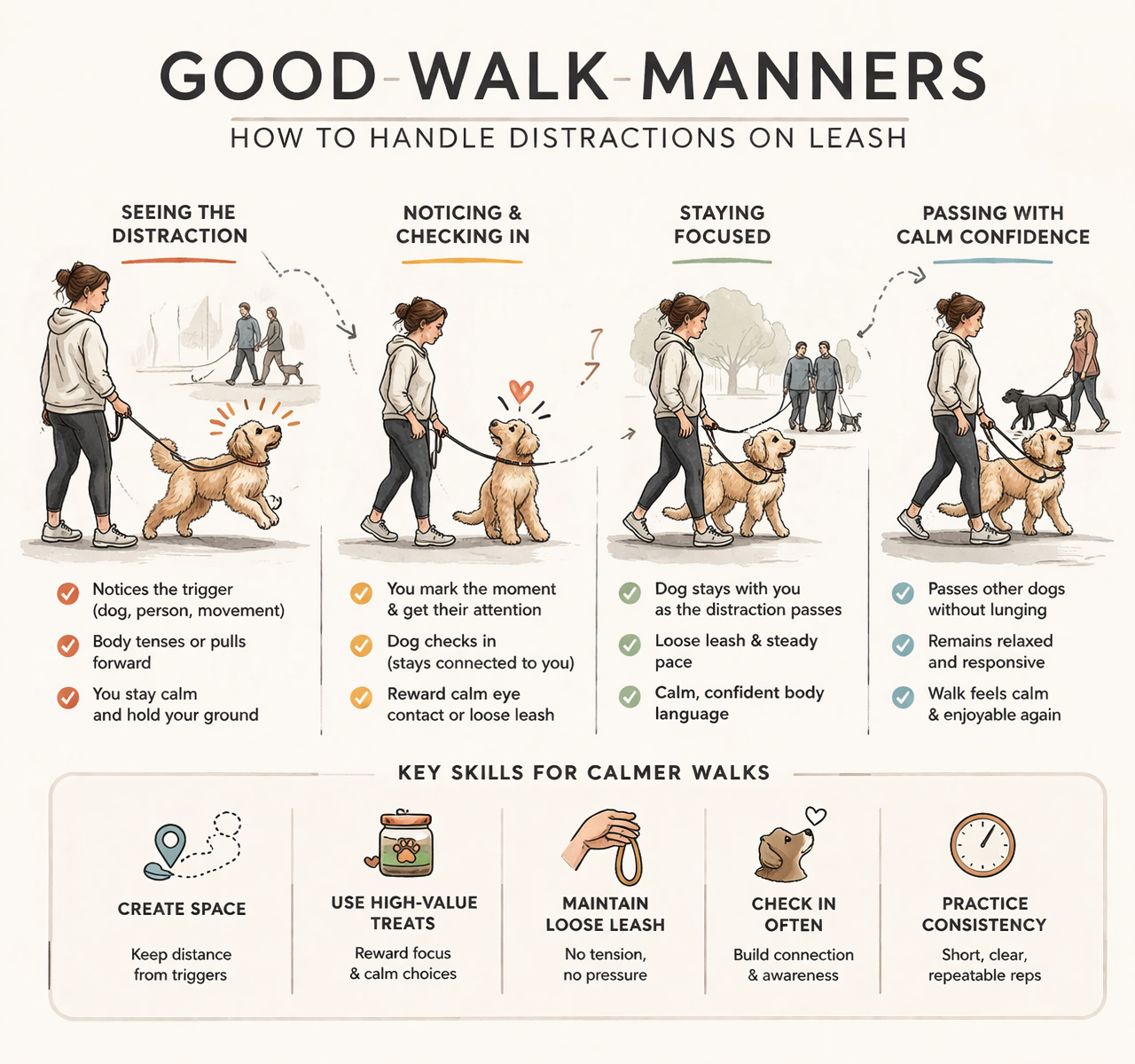
When a dog starts slipping, the instinct is to push harder. More reps. More corrections. More pressure. That usually backfires. The goal here is not to prove your dog knows the skill. The goal is to help them succeed again.
Start simpler than you think you need to
When regression shows up, assume your dog needs clarity, not challenge. Treat the skill like it’s being reintroduced, not tested.
That might mean:
- Going back to a leash or long line for guidance and safety
- Practicing in quiet, familiar spaces
- Removing pressure to perform perfectly
This is not going backward. This is stabilizing the foundation.
Make listening worth it again
When distractions increase, rewards need to matter. If the environment is more exciting than what you’re offering, your dog will choose the environment every time.
That’s where higher-value rewards help.
- Reserve special treats just for training
- Use food your dog never gets elsewhere
- Match the reward to the difficulty of the situation
The goal is not bribery. It is motivation that cuts through noise.
Keep training short, clear, and positive
Long sessions create frustration fast. Especially for dogs already feeling unsure.
Better results come from:
- Short sessions with clear wins
- Ending before your dog checks out
- Treating training like a reset, not a drill
Momentum matters more than duration.
Clean up consistency across the household
Regression accelerates when rules change depending on who is holding the leash.
Dogs need:
- The same words
- The same timing
- The same expectations
Even small differences add up. Consistency protects clarity.
Become more interesting than the world around you
Dogs disengage when training feels flat compared to everything else happening around them.
Reconnection happens when you bring energy back into the relationship.
- Use movement
- Add play
- Mix training with chase, tug, or engagement games
Training does not have to be serious to be effective. It has to be relevant.
What this reset really does
This approach rebuilds trust first. Skills follow.
Most dogs do not need more correction during regression. They need a clearer structure, better timing, and an environment they can succeed in again. When that happens, the training resurfaces quickly because it was never gone.
The Biggest Cause of Dog Training Regression After Training
This is the most common breakdown we see after training. Not because the dog is untrained, but because the environment suddenly asks more than the dog can handle.
Distraction is not a beginner step in training. It is the final layer. When it shows up too early, even solid skills start to wobble.
Why distraction is the last step, not the first
Dogs learn best in controlled settings. Calm spaces allow them to focus, process, and build confidence. When distractions are added slowly, skills stay intact.
When distractions are stacked too quickly, dogs stop succeeding. Not because they will not listen, but because they cannot.
Distraction reveals gaps in clarity. It does not create them.
Common distractions are added immediately at home
This is where dog training regression most often begins, not because the dog forgot, but because structure disappeared. Many well-meaning owners reintroduce real life all at once.
That usually looks like:
- Off-leash freedom right away
- Busy neighborhood walks
- Visitors coming and going
- Kids engaging without structure
- New places, new dogs, new expectations
Each of these things adds pressure. Together, they overwhelm.
Why do dogs shut down or push back instead of rising up
Too many distractions too fast is the most common trigger we see behind dog training regression after board and train. When dogs feel flooded, they do not try harder. They protect themselves.
Some dogs disengage. Others test boundaries. Both responses come from stress.
Stress blocks learning. It also erodes confidence. Regression is often the dog asking for fewer variables, not fewer rules.
Consistency Is the Skill That Protects Training
Most dog training regression is not about obedience. It is about consistency breaking down at home. At Ducktown Lodge, we say this often because it explains more than any command ever could.
“In our experience, about two out of five dogs come home and move too fast,” says Sara, Ducktown Lodge’s trainer.
“Not because the dogs aren’t capable, but because structure drops before the dog is ready.”
Every interaction reinforces a pattern. Every ignored rule becomes a new rule. Every moment of follow-through or lack of it teaches the dog what actually matters.
What consistency really means in real life
“We’re either training or untraining. There’s no pause button,” she says.
“Follow-through matters, especially if the goal is real reliability and eventual off-leash freedom.”
Consistency is not being strict. It is clear.
It means:
- Expectations do not change based on mood
- Rules apply whether you are busy or not
- Follow-through happens calmly and predictably
Dogs relax when the picture stays the same.
Where consistency usually breaks down
Regression speeds up when the structure becomes optional. This emphasis on follow-through and predictability reflects what working dog professionals have long understood about how consistency builds real reliability, as outlined by Working Dog Magazine. We bred working dogs and understand their genetics and needs.
This often shows up as:
- One person is enforcing boundaries while another lets things slide
- Commands are repeated instead of being followed through
- Rules that disappear during holidays or stress
Dogs do not understand exceptions. They understand patterns.
Structure is what gives dogs freedom later
Dogs who succeed long-term are those whose owners prioritize structure first.
Freedom comes later. Consistency stabilizes dogs. It does not limit them.
How to Reset a Dog That’s Regressing Without Starting Over
Most dogs do not need to relearn everything. They need the environment to slow down.
What to scale back first
Before adjusting commands, adjust the situation.
Start by reducing:
- Freedom
- Off-leash time
- Busy environments
Clarity comes from fewer variables.
Rebuilding the structure at home
Structure should feel familiar.
That means:
- Predictable schedules
- Clear rest periods
- Calm transitions
- Boundaries around space and movement
When the day becomes predictable again, behavior follows.
How long do resets usually take
Most dogs rebound faster than expected once structure returns.
If progress feels slow, distractions are still too high.
When Regression Is a Signal to Ask for Support
Most regressions can be handled at home. But sometimes it is time to pause.
Signs you should not push through alone
Watch for:
- Escalation instead of stabilization
- Shutdown or avoidance
- Rising handler frustration
- Lingering confusion
These signs call for guidance, not pressure.
Why follow up matters
Training does not end at graduation. Owners need support, too.
Small adjustments early prevent bigger problems later.
What Success Actually Looks Like After Training
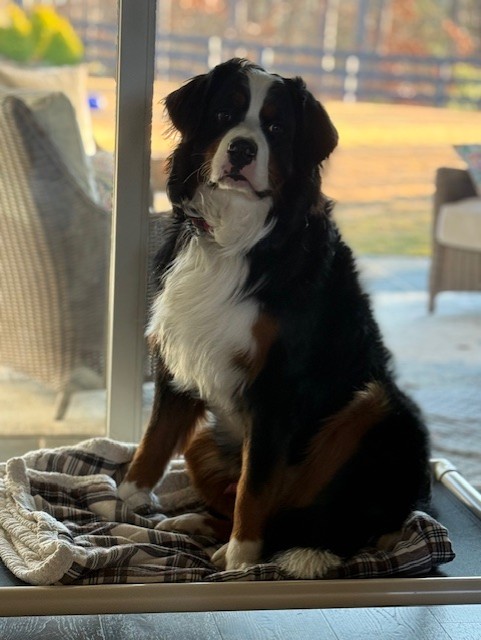
Success is not perfection.
It looks like:
- Faster recovery after mistakes
- Calmer responses
- Progress that shows up in daily life
Calm is the real win. Calm dogs can think.
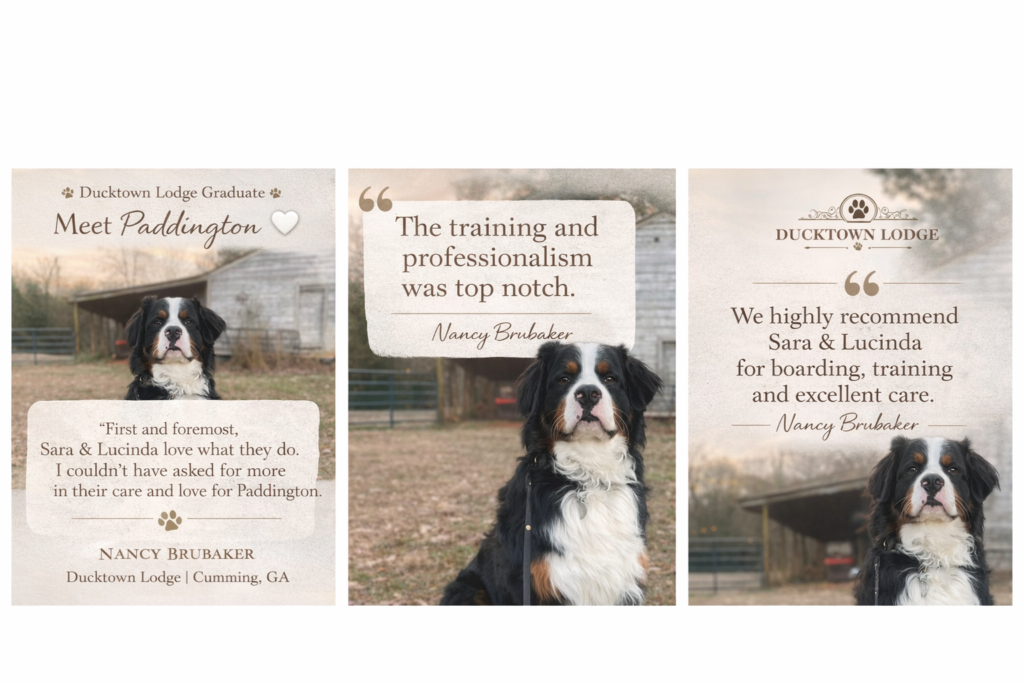
Stories like Paddington’s are why we emphasize slowing down and protecting structure after training. When owners stay consistent and don’t rush the process, dogs settle, confidence builds, and the work truly sticks.
Ducktown Lodge Perspective: Why Environment Matters More Than Commands
Dogs leave Ducktown Lodge living inside the structure. When they go home, and the structure disappears, commands alone cannot carry the weight. Our experience with dog training regression shows us that environment matters more than commands.
Skills live inside routines.
Our role is to help families bring structure home without overwhelming the dog. When the environment makes sense, training sticks.
30-Day Transition Outline for Newly Graduated Dogs
This outline is designed to help your dog succeed at home after training. Your dog has the skills. Your job during the next 30 days is to protect clarity, structure, and consistency while your dog learns how those skills apply in real life.
Remember: we are either training or untraining every day. To make this transition easier, we provide families with a 30-Day Post-Training Outline that clearly lays out what to expect, how to progress, and when to slow down.
This outline helps you:
- Know what is normal during each phase
- Avoid rushing freedom too soon
- Recognize early regression cues
- Stay consistent without overthinking
It is designed to support real life, not perfection.
How Ducktown Lodge Supports You After Graduation
Training does not end when your dog goes home. Support matters just as much as structure.
To help you maintain progress and build long-term reliability, Ducktown Lodge offers ongoing help, including:
- Follow-up lessons to transfer training into your home environment and troubleshoot new challenges
- Saturday Obedience Classes to practice around distractions, maintain skills, and stay accountable – Click on the downloadable Outline.
- Open communication — we are always happy to answer questions or guide you through challenges
- Optional tune-up sessions whenever you want extra support or clarity
One Important Reminder About Distractions
Consistency is the most important piece of long-term success.
We strongly recommend not taking your newly graduated dog into high-distraction environments until you have attended at least two Saturday obedience classes. This helps ensure your dog is truly ready and sets both of you up for success instead of frustration.
And of course, if you need anything at all — questions, concerns, or guidance — please do not hesitate to call us. That support is part of the process. A Steadier Way Forward for You and Your Dog
Regression does not mean failure. It means adjustment.
With calm structure and clear expectations, most dogs settle quickly—confidence returns. Clarity follows.
At Ducktown Lodge, we help families bridge the gap between training and real life. That starts with a conversation. No pressure. No judgment. Just support.
When structure returns, so does the dog you know. Call today for to set up your meet and greet 770-733-0836