Simple ways to help your dog think before they react
Dog training games are one of the most effective ways to help dogs build focus and impulse control without pressure. Dogs who struggle with focus and impulse control are not being stubborn. They are overwhelmed, unclear, or overstimulated.
Dog focus training and impulse control training work best when games are short, calm, and structured. Start with simple rules, clear cues, and low distraction. Reward attention, not speed. End early. These games help dogs pause, think, and choose better responses instead of reacting on impulse.
What this article will help you do
In the sections below, you will learn why games are such an effective tool for dog impulse control training, what makes a game actually build focus, and ten simple dog games that build focus you can use at home. These are practical, low-pressure ways to help your dog settle, listen, and stay engaged without turning training into a battle.
Why Focus and Impulse Control Matter More Than Obedience
Many owners come looking for obedience when what their dog actually needs is focus. A dog can know how to sit and still struggle to listen when it matters. Focus is the skill underneath everything else. Without it, commands fall apart the moment the environment gets busy.
Impulse control is what allows a dog to pause before reacting. It is the difference between lunging and checking in. Between bolting through a door and waiting for a cue. When dogs lack impulse control, life feels chaotic for everyone. Not because the dog is bad, but because their nervous system is running faster than their thinking brain.
Focus and impulse control training help dogs slow down enough to make choices. That is where calm behavior starts. Not with stricter rules. Not with louder cues. With clarity and space to think.
When dogs can focus, they feel safer. They understand what is being asked of them. That sense of clarity reduces frustration, anxiety, and overreactions. The result is not just better behavior. It is a dog that feels more settled in everyday life.
Obedience teaches skills. Focus and impulse control teach regulation. Games are one of the simplest ways to build that regulation without pressure.
Why Dog Training Games Can Sometimes Work Better Than Repetition
Repetition has its place in dog training, but repetition alone does not teach a dog to focus. Many dogs can perform a command in a quiet room and fall apart the moment something changes. That is not a failure. It just means the skill was never practiced in a way that asked the dog to think.
When used consistently, dog training games help dogs learn to regulate their behavior instead of reacting impulsively. Games create engagement. They invite the dog into the process instead of putting pressure on them to perform. When a dog is engaged, their brain is online. That is where learning actually sticks.
Dog focus training works best when the dog chooses to participate. Games naturally build that choice. They give dogs a reason to slow down, notice details, and stay connected to the handler instead of scanning the environment for the next distraction.
Another reason games are so effective for dog impulse control training is that they introduce rules without tension. There is a beginning. There is a pause. There is a release. Dogs learn that waiting is part of the process and that calm behavior is what moves the game forward.
Short games also prevent mental overload. Five minutes of thoughtful engagement does more for focus than thirty minutes of drilling commands. When sessions stay brief, dogs end feeling successful instead of frustrated.
Games do not replace structure. They support it. They teach dogs how to regulate themselves inside that structure, which is what most owners are really looking for
What Makes Dog Training Games Build Focus
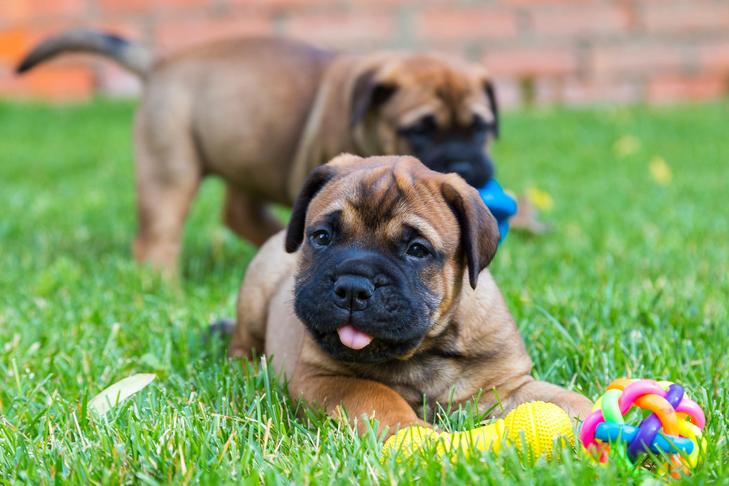
Not every game builds focus. Some just wind dogs up. For dog focus training and dog impulse control training to work, the game has to be clear, calm, and structured.
A good focus game has a predictable rhythm. The dog knows when it starts, what is being asked, and how it ends. That predictability helps the nervous system settle so the thinking brain can stay engaged.
Clear start and end
Begin with a cue like wait or ready. End the game intentionally instead of letting it fizzle out. Dogs focus better when they know when the work begins and ends.
Simple rules
Focus games should be easy to understand. One goal at a time keeps dogs from getting frantic or confused.
Calm energy
Excitement breaks focus. Keep your voice steady and your movements slow. Calm behavior should be what makes the game continue.
Low distraction first
Build success in quiet spaces before expecting focus around noise, visitors, or other dogs.
Common mistakes that break focus
Many well-meaning owners accidentally turn focus games into chaos.
- Moving too fast and raising excitement
- Adding difficulty before the dog understands the rules
- Repeating cues instead of pausing and letting the dog think
- Letting the game drag on past the dog’s mental limit
Focus grows when dogs are allowed to pause and make choices. The goal is not speed. The goal is attention.
Dog Training Games for Focus and Impulse Control
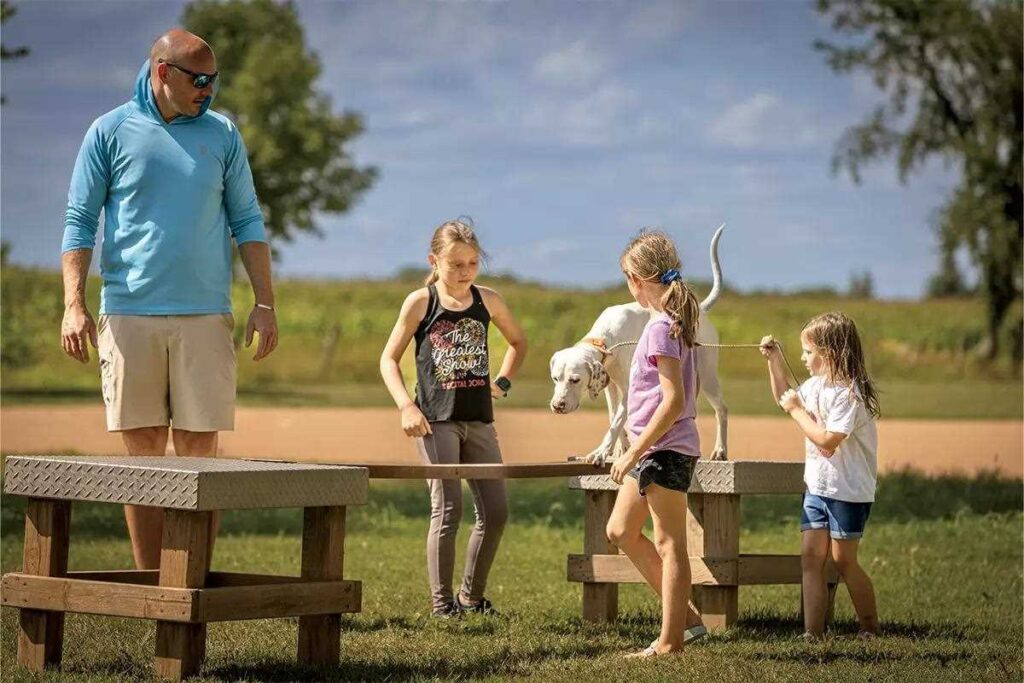
These are not high-energy tricks or busy distractions. These are dog games that build focus by asking your dog to pause, think, and make choices. Keep sessions short. Stay calm. Stop while your dog is still successful.
The Wait Game
This is one of the simplest and most effective dog games that builds focus.
Start by asking your dog to wait before something they want. That might be food, a toy, or the door opening. Pause for just a second. Then release them with a calm cue.
As your dog improves, slowly extend the wait. The goal is not duration. The goal is stillness and eye contact before movement.
This game teaches your dog that patience makes good things happen.
Hide and Seek for Attention
This game builds focus through connection, not speed.
Ask your dog to stay or have someone gently hold them. Step into another room or behind furniture. Call their name once. When they find you, reward calmly.
This is one of those dog games that build focus because your dog must listen first, then act. It strengthens recall and attention without pressure.
Find It Nose Work Game
Scent work naturally slows the brain.
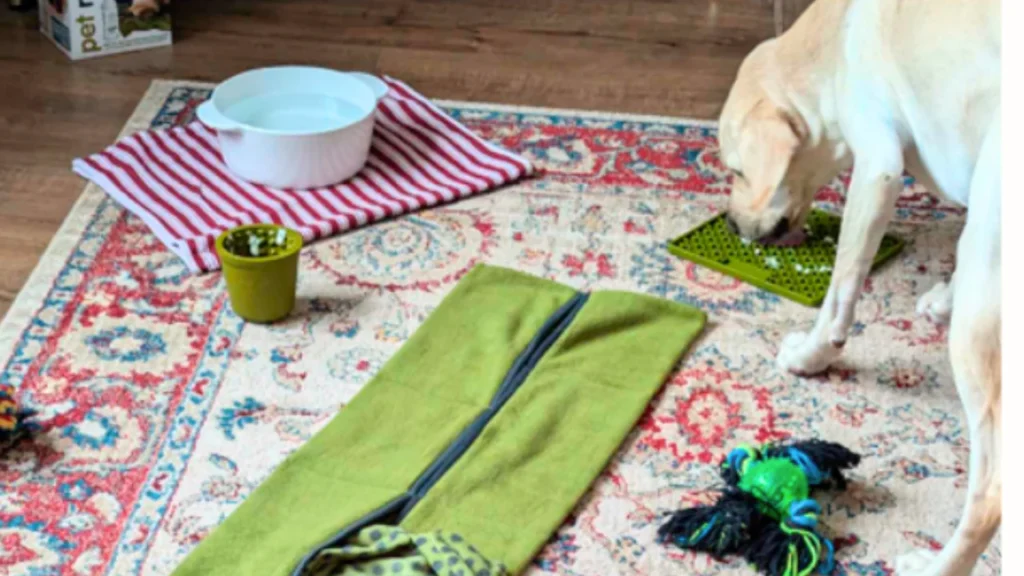
Toss a treat on the ground and say find it. Let your dog search. As they understand the game, hide treats under cups, towels, or low objects.
This game works well for dogs who struggle with impulse control because sniffing lowers arousal. It is a quiet, grounding way to build focus.
The Choice Game
This game teaches self-control through decision-making.
Hold a treat in your closed hand. Present it to your dog. When they stop pawing or mouthing and look away, calmly mark and reward with a different treat.
This is one of the most powerful dog games that builds focus because the dog learns that disengaging is the correct choice.
Name That Object
This game builds mental focus and memory.
Choose two toys with different names. Ask your dog to get one by name. Reward them when they choose correctly.
Keep it light. If your dog guesses wrong, reset without correction. Focus improves when dogs are allowed to think without pressure.
Structured Fetch
Fetch only builds focus when rules are involved.
Ask your dog to sit and wait before you throw the toy. Release them calmly. Ask for a brief pause before the next throw.
This turns fetch into a dog impulse control training game instead of pure excitement. The thinking happens before the movement.
Puzzle Feeding
Food puzzles slow both the body and the brain.
Use puzzle bowls or treat dispensers during meals. This encourages problem-solving and sustained attention.
This is one of the easiest dog games that build focus because it fits naturally into daily routines.
Place and Release Game
Ask your dog to go to a mat or bed. Pause. Then release.
Start with short stays. Focus on calm posture, not duration. This game builds impulse control by practicing stillness without frustration.
Follow the Leader Walks
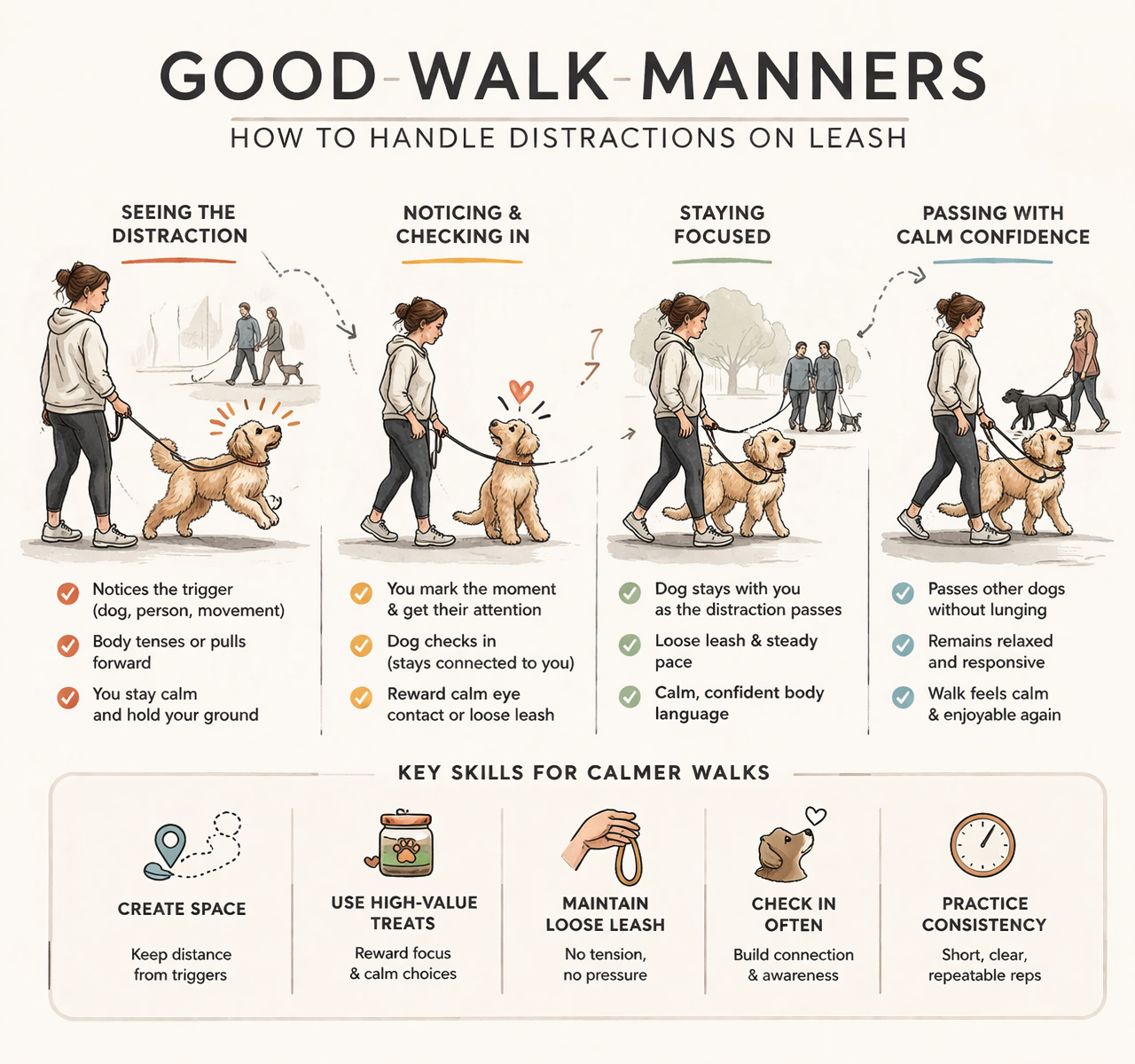
Instead of letting your dog pull or wander, change directions calmly and reward when they follow.
This is a moving focus game. It teaches your dog to watch you instead of the environment.
Calm Transitions Game
Practice pauses between activities.
Before leaving the house. Before getting out of the car. Before greeting someone. Ask for a sit or brief wait.
These small moments are some of the most effective dog games that build focus because they happen in real life.
DIY Interactive Treat Game for Dogs
Some of the most effective dog training games are the simplest ones. A DIY interactive treat game for dogs encourages problem-solving, slows impulsive behavior, and keeps focus engaged without adding excitement or chaos.
These games should always be done under supervision. The goal is thinking, not frantic chewing.
Nesting Bowl Treat Game
This interactive game teaches patience and persistence while keeping arousal low.
Use plastic storage bowls that nest inside each other. Choose bowls that are the same size or gradually decrease in size from bottom to top.
Place a treat in the bottom container. Set the second bowl on top, then continue layering bowls and treats. Leave one treat in the top open bowl to show your dog how the game works.
As your dog learns the pattern, they will use their nose and paws to remove each layer calmly. You can increase difficulty by adding more bowls or spacing treats farther apart.
This DIY interactive treat game for dogs works well because it rewards slow, thoughtful choices instead of speed.
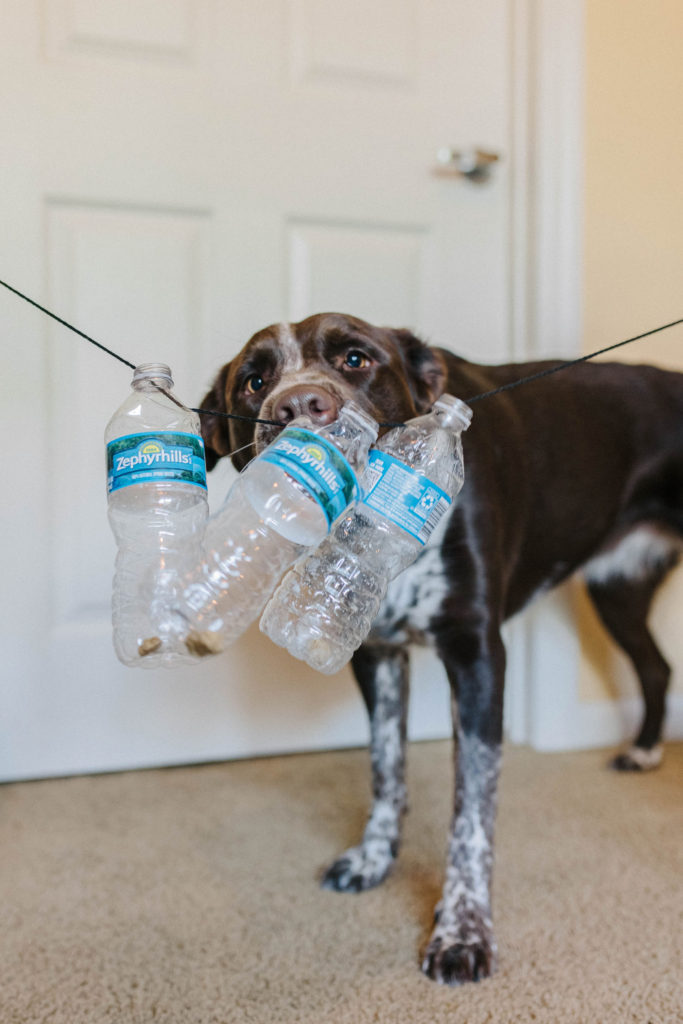
Treats in a Bottle Puzzle
This version adds movement while still requiring focus.
Use clean plastic soda bottles, a metal rod, and a wooden base. Slide three bottles onto the rod and secure them so they spin but do not come loose. Place treats in one or two of the bottles and let your dog work to release them.
Always supervise closely. If your dog tries to chew the bottles instead of problem-solving, remove the game and simplify.
This is one of those dog training games that builds focus by asking the dog to experiment, pause, and try again.
Shoebox Hide and Seek (AKC Scent Game)
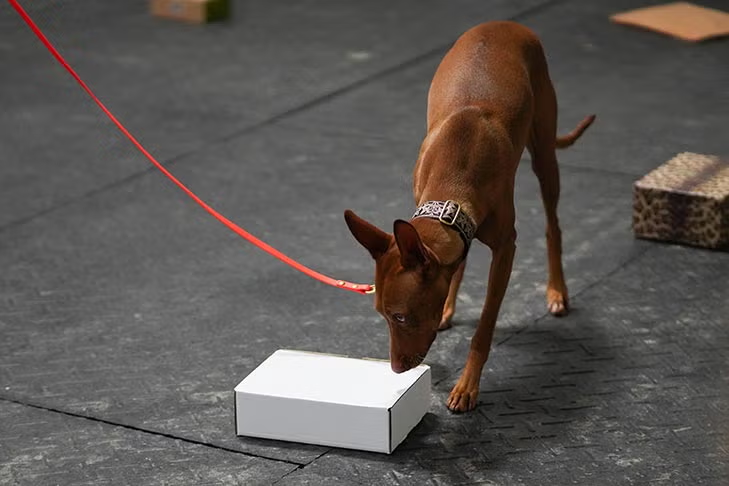
You don’t have to participate in an official AKC Scent Work trial to enjoy the benefits of nose-based dog training games. One simple option, often referred to as Shoebox Hide and Seek, is an easy indoor scent game that builds focus and calm engagement.
This game relies on your dog’s natural sniffing ability, which helps slow the nervous system and encourages thoughtful problem-solving instead of impulsive behavior.
How to Play Shoebox Hide and Seek
All you need is a set of empty containers, such as shoeboxes or yogurt tubs.
Place the containers together on the floor in a small group. Hide a smelly treat in one or a few of them, then allow your dog to sniff each container to search for the hidden treasure. Avoid rushing or repeating cues. Let your dog work through the puzzle at their own pace.
As your dog becomes more confident, you can make the game more challenging by spreading the containers farther apart or reducing the number of boxes that contain treats.
This type of scent-based dog training game builds focus by rewarding patience, curiosity, and calm decision-making.
Why This AKC Game Works
According to guidance shared by the American Kennel Club, indoor scent games like Shoebox Hide and Seek provide valuable mental stimulation and help dogs stay engaged without becoming overstimulated. Nose work encourages dogs to slow down, concentrate, and think through a problem, which directly supports impulse control.
As AKC breeders, we value enrichment that supports clarity and confidence, not chaos. Games like this reinforce the idea that calm focus leads to success, both during training and in everyday life. Several of our dogs have run 100’s of AKC tests and have earned titles. Our dogs at Ducktown Retrievers have earned anywhere from CGC to Master Hunter Titles.
Why Interactive Treat Games Work
Interactive food puzzles are recommended by many canine professionals, including the American Kennel Club, as a way to support mental stimulation and focus in dogs.
As AKC breeders, we pay close attention to how enrichment and structure shape a dog’s ability to think clearly instead of reacting on impulse. Games like these encourage calm engagement and reinforce the idea that good things come from patience.
When used correctly, a DIY interactive treat game for dogs supports impulse control, builds confidence, and gives dogs a productive way to use their brain.
How Long to Play and When to Stop
With dog games that build focus, less is more. Most dogs do better with a few minutes of thoughtful engagement than long sessions that push them past their mental limit. Focus fades before energy does, so stopping early matters.
For most dogs, three to five minutes is plenty. That might only be a handful of repetitions. When the dog is still choosing to engage and responding calmly, that is the right moment to end the game.
Watch your dog closely. Signs it is time to stop include wandering attention, frantic movement, vocalizing, or repeated mistakes. Those are not signs of disobedience. There are signs the brain is tired.
End games on a success. One calm choice. One good pause. Then be done. This teaches the dog that focus leads to completion, not pressure.
How These Games Reduce Overwhelm and Reactivity
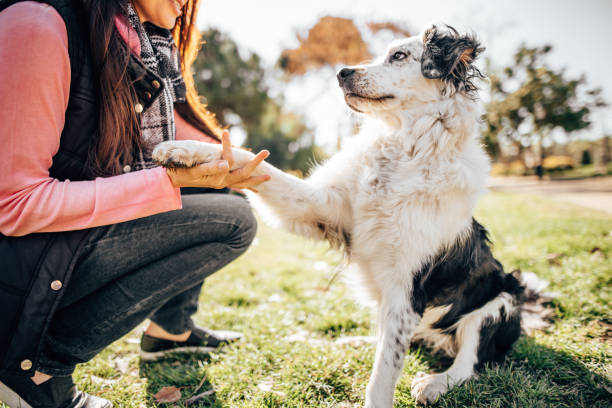
Over time, these dog training games build focus, patience, and calmer decision-making in everyday life. Many behavior issues stem from dogs reacting faster than they can think. Dog impulse control training helps slow that process down. These dog games that build focus give dogs practice staying engaged without tipping into stress.
When dogs learn to pause, their nervous system shifts. Breathing slows. Muscles soften. The dog becomes more available to guidance. This is why focused work often leads to calmer walks, better greetings, and fewer emotional outbursts.
Over time, dogs start offering focus on their own. They check in. They wait. They choose calmer responses because that pattern has been practiced in small, safe ways.
This is not about suppressing behavior. It is about giving dogs the skills they need to navigate their world with more confidence and less chaos.
When Games Are Not Enough
Games are a powerful tool, but they are not a cure for everything. If a dog struggles to focus in every setting or melts down despite consistent practice, they may need more structure than games alone can provide.
Some dogs need clearer routines. Others need help learning boundaries in real-life environments. This does not mean the games failed. It means the dog needs support at a different level.
Training works best when focus games are part of a larger plan that includes consistency, clarity, and follow-through. Knowing when to ask for help is part of being a thoughtful dog owner.
Using Dog Training Games in Everyday Life
Dog games that build focus work best when they are woven into daily routines instead of saved for formal training time.
Pause before meals. Ask for a moment of stillness before opening doors. Practice calm transitions in and out of the car. These small moments reinforce impulse control in real situations.
Rotate games throughout the week. Keep them simple. Stay consistent. Progress happens through repetition of calm choices, not intensity.
Focus is not something a dog either has or does not have. It is a skill that grows with practice and patience.
When Focus Finally Feels Possible
Living with a dog who struggles to focus can be exhausting. You repeat yourself. You brace for reactions. You wonder if you are missing something or doing something wrong. Most of the time, you are not. Your dog just needs clearer moments to slow down and think.
Dog games that build focus change the day-to-day feel of life together. Walks become calmer. Transitions feel smoother. Your dog starts checking in instead of charging ahead. You feel more confident because you are no longer guessing what to do next.
At Ducktown Lodge, we see this shift all the time. When dogs are given structure without pressure, they settle. When owners are given clarity instead of judgment, they relax. Focus and impulse control are not about perfection. They are about creating a relationship that feels steadier for both of you.
If you ever want help figuring out what kind of structure would best support your dog, start with a conversation. No expectations. No contracts. Just an honest look at what would help your dog feel clearer and calmer. Call today to schedule your meet and greet 770-733-0836.