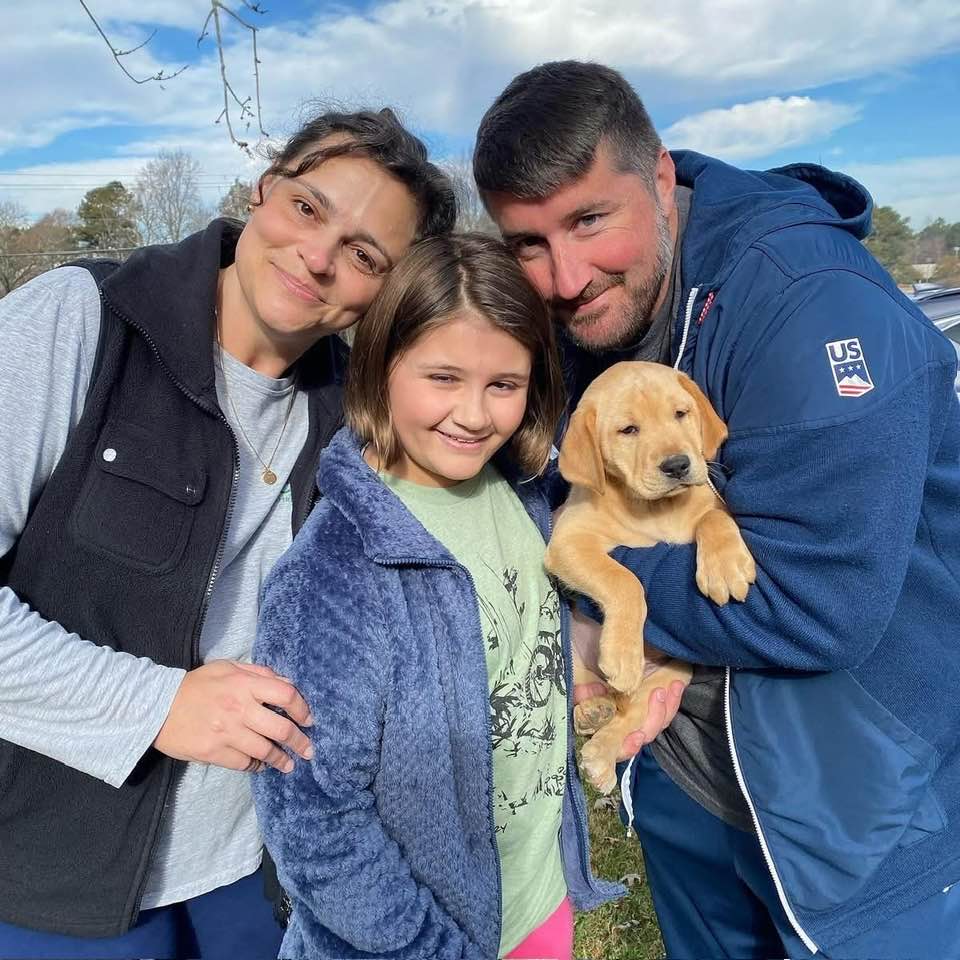
Growing up with dogs can be one of the most meaningful experiences of childhood, especially when dog training for families is part of the foundation. When kids and dogs are introduced with care, structure, and respect, the relationship becomes safer, calmer, and deeply rewarding for everyone involved.
For families across North Georgia looking for thoughtful dog boarding and training, this bond matters. At Ducktown Lodge in Cumming, GA, we see it every day. Dogs who feel safe and understood bring out the very best in the children who love them. And kids who learn respect and empathy early tend to build deeper, calmer relationships with dogs for life.
This isn’t about perfect behavior or strict rules. It’s about connection, care, and learning together.
Kids Feel Supported When They Grow Up With Dogs
Many children turn to their dog first when they are overwhelmed, confused, or upset. Research shared by the American Kennel Club shows that when children are asked who they would go to with a problem, they often name their pet. Dogs offer something rare. They feel safe. They feel present. They feel nonjudgmental.
As the research explains, pets can make people feel unconditionally accepted, whereas fellow humans may judge or criticize. That steady presence helps children feel supported in moments when words are hard to find. Dogs do not interrupt. They simply stay.
This emotional safety is one of the quiet but powerful benefits of growing up with a dog.
Dogs Support Cognitive Growth and Learning
Studies have also shown that children who regularly talk to pets often demonstrate stronger cognitive development. Giving commands, offering praise, or simply talking through their day helps children practice language, sequencing, and emotional regulation.
Some schools and rescue organizations even encourage children to read aloud to dogs. The experience builds confidence for kids and creates calm, positive interactions for the dogs. Both benefit from the connection.
This is one more reason dog training for families matters. When dogs are calm, well-integrated, and confident around children, these learning moments happen naturally and safely.
Raising and Training AKC Dogs With Families in Mind
At Ducktown, we raise and train our AKC dogs under the guidelines set by the American Kennel Club, with a strong focus on temperament, structure, and family integration. As breeders and trainers, our responsibility does not stop at placement. It extends to education.
We work closely with families to ensure they understand:
- Early training expectations
- Healthy boundaries between kids and dogs
- Proper puppy care and socialization
- How to support a dog emotionally, not just physically
Dog training for families is about preparation and partnership. When dogs are raised with thoughtful guidance and families are supported with clear information, children and dogs grow together in a way that is safe, respectful, and deeply rewarding.
You can learn more about the AKC’s research and guidance on children and dogs directly from the American Kennel Club at akc.org.
Dog Training for Families Starts With Early, Thoughtful Integration
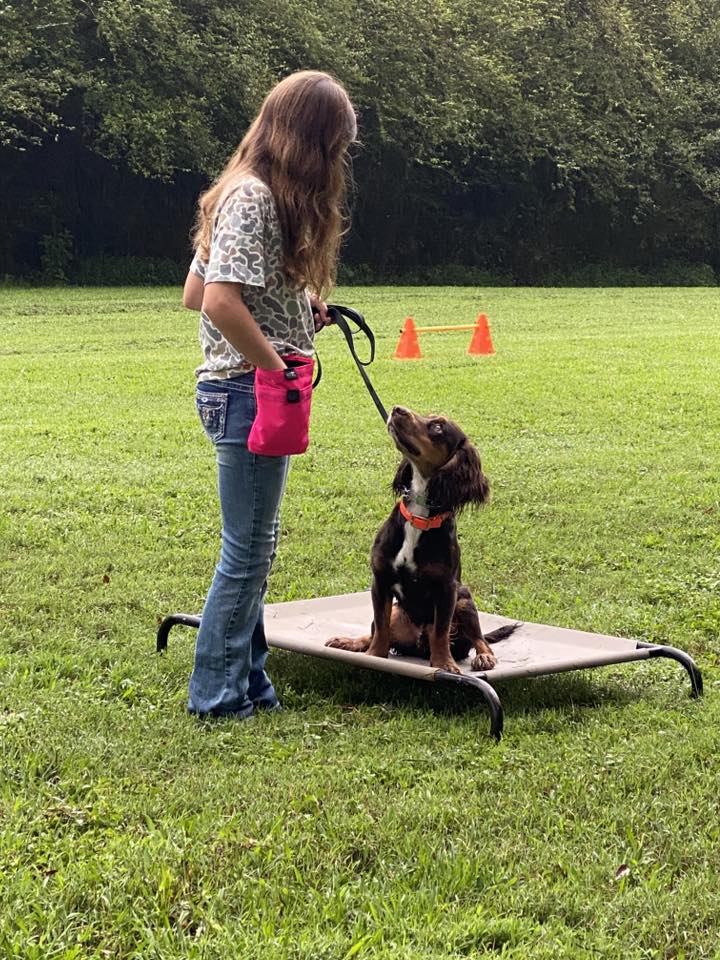
Children don’t need another lecture about empathy. They learn it naturally through relationships. Dogs are often their first lesson.
When dog training for families starts early, children and dogs grow together with confidence. Dogs respond honestly. They don’t pretend. When a dog is happy, nervous, tired, or excited, kids can see it. Over time, that awareness teaches children to notice emotions outside themselves. That skill carries far beyond the dog bowl.
Growing up with a dog can help children:
- Feel less alone during stressful or emotional moments
- Build confidence through responsibility and routine
- Learn patience when things do not go perfectly
- Experience unconditional companionship
Kids often talk to dogs in ways they don’t talk to anyone else. Dogs listen without correcting. That alone can be powerful.
Studies consistently show that children with pets often experience lower stress and stronger emotional regulation. A calm dog offers steady presence. That presence matters, especially in a world that can feel loud and rushed.
The Role of Responsibility Without Pressure
One of the quiet gifts dogs give kids is responsibility that feels meaningful, not overwhelming.
Simple tasks like filling a water bowl, brushing fur, or helping with feeding time give children a sense of purpose. They learn that their actions matter. Not in a “get it right or else” way, but in a gentle, everyday rhythm.
This kind of responsibility builds:
- Confidence
- Accountability
- Pride in helping another living being
And because dogs thrive on routine, kids learn consistency naturally. Dogs do not judge missed days or small mistakes. They simply show up again tomorrow.
That’s a powerful lesson.
How Dog Training for Families Teaches Respect and Boundaries
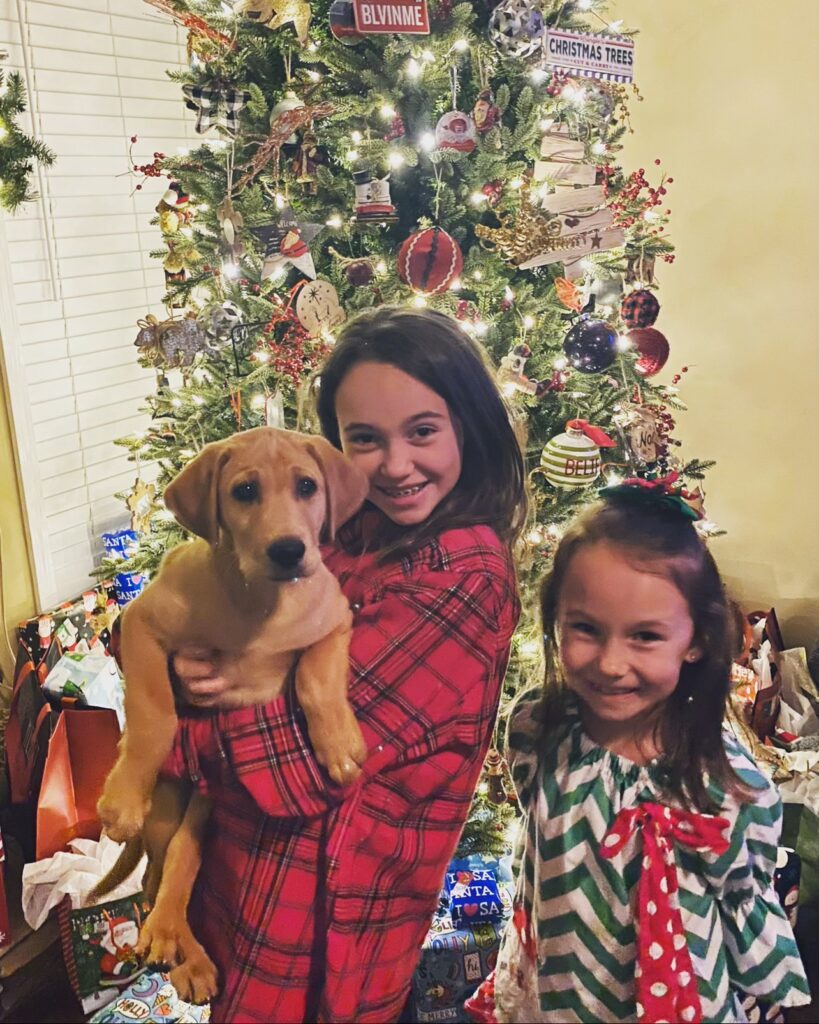
Love alone isn’t enough. Respect is what keeps both kids and dogs safe.
Children don’t instinctively know what dogs need. They have to be taught. And when they are, something beautiful happens. Kids begin to see dogs not as toys, but as individuals with feelings, limits, and preferences. This is why dog training for families focuses on both education and integration, not just obedience.
Teaching respect does not require fear or strictness. It starts with simple truths.
Dogs need space sometimes.
Dogs communicate through body language.
Dogs deserve kindness, even when they’re tired.
Key lessons that help kids and dogs thrive together include:
- Letting dogs rest without interruption
- Learning when a dog wants space
- Using gentle touch instead of grabbing or pulling
- Understanding that food, beds, and crates are personal spaces
These lessons don’t create distance. They create trust.
Dogs who feel respected are calmer, more confident, and more affectionate. Kids who learn these boundaries early grow into adults who read dogs well and interact safely in any setting, including dog boarding environments and public spaces.
The Role of Dog Training for Families in Puppy Introduction
At Ducktown, dog training for families means teaching humans just as much as dogs. Emotional intelligence isn’t taught through worksheets. It’s learned through experience.
Dogs offer real-time feedback. When a child gets too loud, a dog may move away. When a child sits calmly, the dog may choose to stay close. Kids learn quickly that their energy affects others.
Over time, this builds:
- Awareness of personal behavior
- Sensitivity to nonverbal cues
- Compassion for different comfort levels
These skills matter everywhere. In classrooms. In friendships. In future workplaces. And especially in relationships with animals.
Dogs don’t expect perfection. They respond to intention. That makes them incredible teachers.
Why Dogs Are Especially Good for Young Children
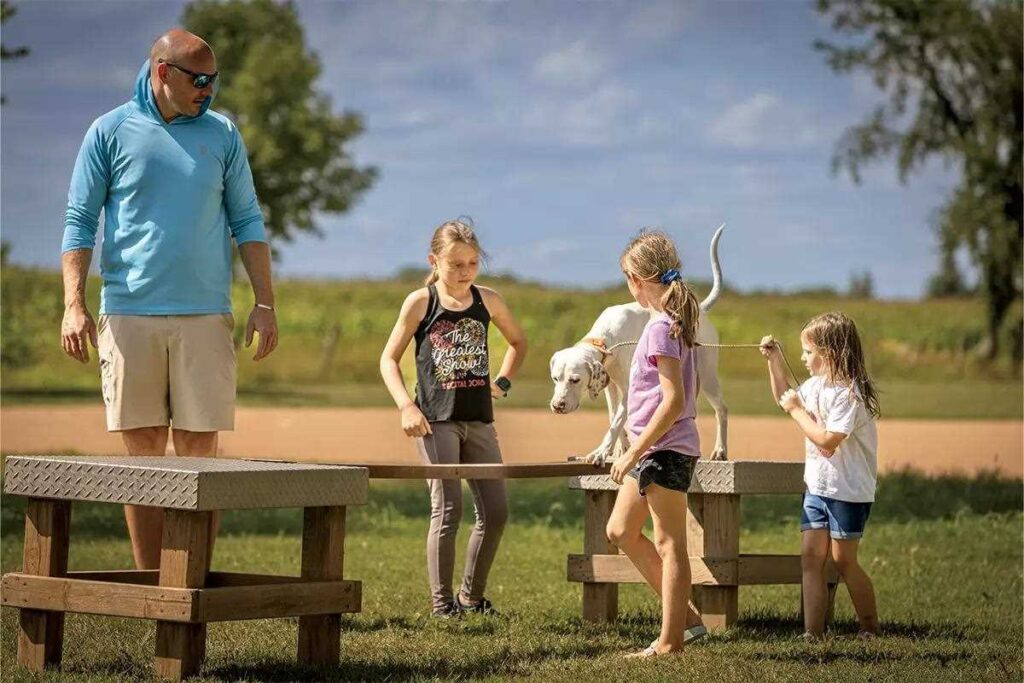
For younger kids, dogs can feel like safe emotional anchors.
Children often struggle to name big feelings. Dogs give them somewhere to place those feelings without judgment. A hug. A whispered secret. A quiet presence during hard days.
Research shows that children with pets may experience:
- Reduced anxiety
- Improved mood
- Increased feelings of security
Dogs don’t rush kids through emotions. They sit with them.
This steady companionship can be especially meaningful during transitions like starting school, moving homes, or welcoming new siblings.
Movement, Play, and Healthy Habits
Dogs naturally encourage kids to move.
They invite play without screens. They ask for walks, yard time, and shared energy. This kind of movement feels like fun, not exercise.
Benefits include:
- Increased physical activity
- Better outdoor engagement
- Shared routines that strengthen family bonds
Even quiet dogs encourage presence. Sitting together outside. Watching the world. Breathing slower.
Those moments matter just as much as the active ones.
Building a Relationship That Lasts Into Adulthood
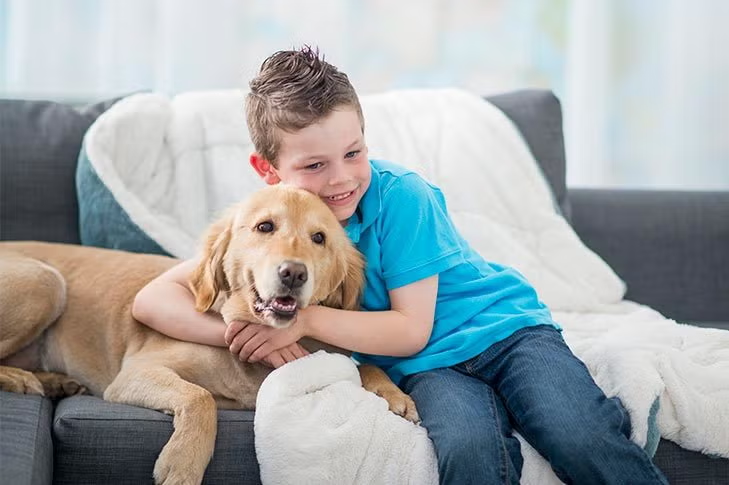
Children who grow up respecting dogs tend to carry those values forward.
They understand that good behavior doesn’t come from fear. It comes from clarity, trust, and consistency. That belief shapes how they interact with animals later in life, including their own dogs as adults.
We see this often at Ducktown Lodge. Families who prioritize calm, respectful relationships at home tend to seek the same values when choosing dog boarding or training near Cumming, GA. They want care that mirrors their own standards.
They want their dogs known, not managed.
Key Principles We Teach in Dog Training for Families
When helping families navigate life with dogs and kids, we focus on clear, practical guidance that protects everyone involved.
- Safety and Boundaries
Children must be taught never to disturb dogs while they are eating, sleeping, or caring for young. These moments require quiet and space, and honoring them builds trust. - Gentle Interaction
Kids learn to pet gently, move calmly, and avoid pulling ears or tails. Sudden movements and rough handling can overwhelm dogs, especially puppies and sensitive adults. - Empathy Development
Respectful interaction helps children understand that dogs have feelings and comfort zones, just like people. This lesson often extends far beyond the relationship with pets. - Modeling Behavior
Adults lead by example. Calm, patient, and loving care shows children how to behave far more effectively than correction alone. - Supervision
Young children should never be left alone with a dog. Supervision protects against accidental, unsafe interactions and allows adults to guide learning moments in real time.
Training Dogs and Families Together Makes the Difference
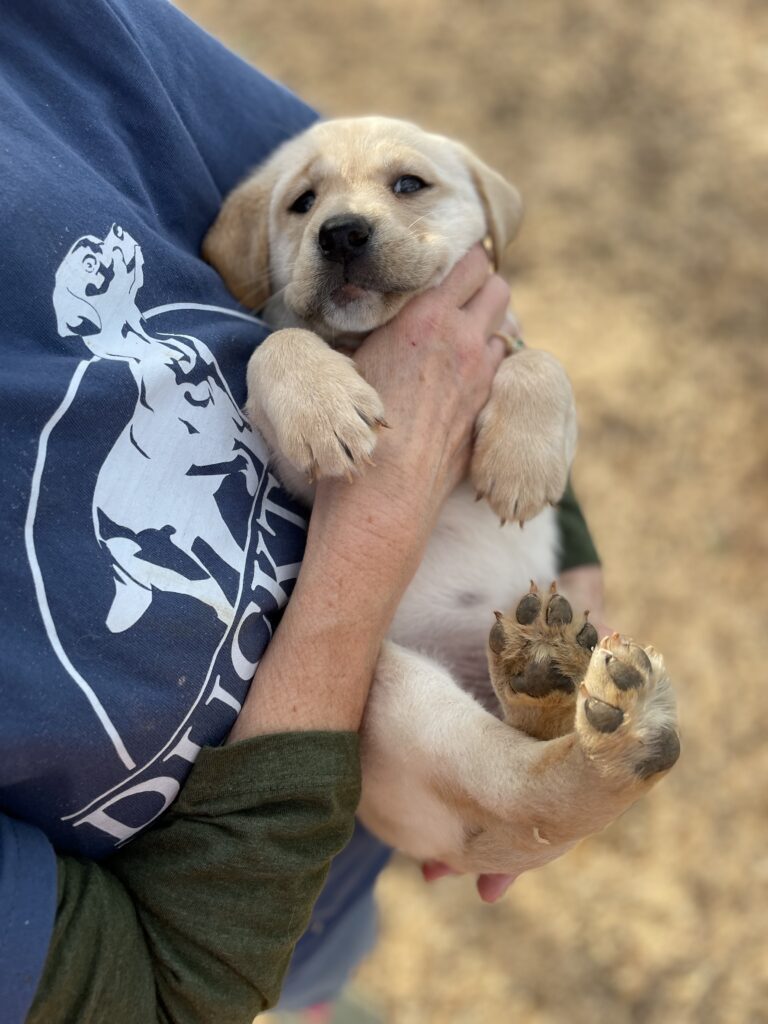
One of the most important things we emphasize is that we do not just train dogs. We train families.
When children are included in age-appropriate ways and adults understand how to guide both sides, dogs relax. Kids feel proud instead of nervous. Everyone knows their role.
This is why dog training for families works best when it is relational, not rushed. The goal is not perfection. The goal is safety, respect, and a relationship that grows stronger over time.
And when that foundation is set early, the rewards last a lifetime.
Why Dog Training for Families Builds Respect at Home
Not every dog thrives in chaos. Not every child does either.
Low-stress environments help dogs regulate. Calm dogs help kids feel safe. It’s a cycle that supports everyone involved.
When dogs receive consistent care, structure, and respect, they bring that steadiness home. Kids feel it. They respond to it.
That’s why thoughtful dog boarding and training matters. Especially for families.
A calm dog:
- Models emotional regulation
- Responds predictably
- Feels safer around children
And children learn by watching.
Respect Is a Two-Way Relationship
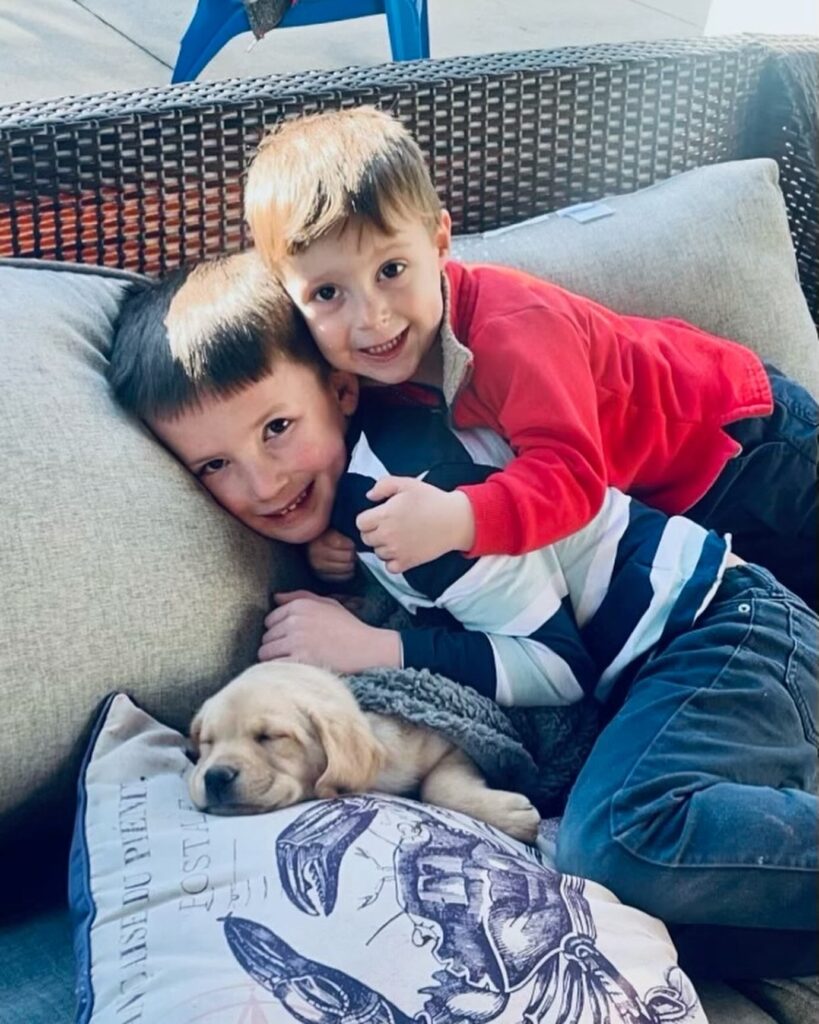
One of the most important lessons dogs teach kids is that relationships go both ways.
Dogs are not here to absorb stress. They’re partners in the family. When kids learn that dogs have needs too, it builds mutual trust.
This doesn’t make the relationship less joyful. It makes it deeper.
Respect turns love into something lasting.
Creating a Home Where Kids and Dogs Thrive Together
The strongest kid and dog relationships aren’t built on rules alone. They’re built on understanding.
A few guiding principles make a big difference:
- Calm energy creates calm dogs
- Consistency builds trust
- Respect strengthens bonds
- Gentle guidance beats correction
When adults model this, kids follow naturally.
The Bigger Picture
Dogs help raise kinder humans.
They teach patience without lectures. Responsibility without pressure. Love without conditions. And respect without fear. Be a good role model!
For families who value these things, dogs are more than companions. They’re teachers.
At Ducktown Lodge, we believe dogs deserve the same care and respect we hope children learn to give them. Whether through thoughtful dog boarding in Cumming, GA, or relationship-based training, our goal is always the same. Create calm. Build trust. Support real connection.
Because when dogs feel safe, kids feel safe too.
And that’s where the magic really lives.