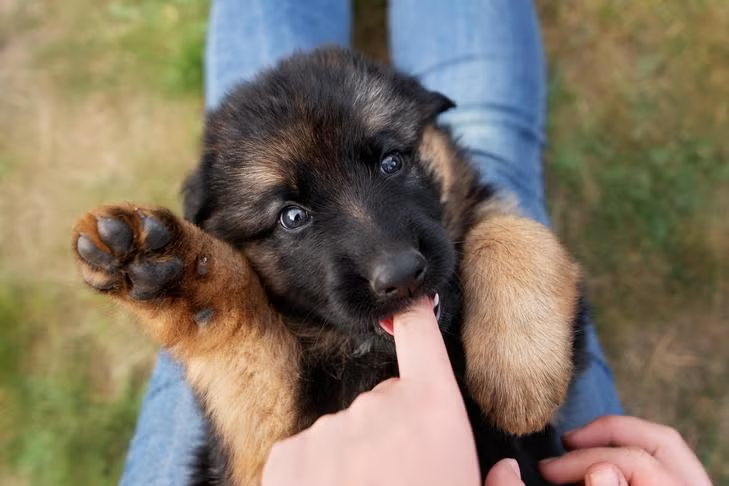
At Ducktown Lodge, we see dog car anxiety every single week. Some dogs arrive calm and relaxed, waiting patiently in the vehicle until their leash is clipped. Others are trembling, panting, whining, drooling, or trying to jump out the moment the door opens. For many owners, it can feel stressful before the trip even begins.
One of the biggest issues we see—and the most dangerous—is no restraint at all. Dogs riding loose in a vehicle are not only at higher risk of injury during sudden stops, but they can also become distracted, overstimulated, or bolt out unexpectedly when the door opens. Safe travel is a priority, and proper restraint is one of the simplest ways to prevent accidents and improve behavior.
In many cases, dog car anxiety develops because dogs haven’t had enough positive exposure to car rides, or they’ve built negative associations with the car (often because the car only means the vet, grooming, or stressful experiences). The good news is that with the right setup and consistent dog car manners training, most dogs can learn to become calmer, safer travelers.
As the American Kennel Club reminds dog owners:
“Dogs don’t automatically know how to behave in cars. They need to be taught safe travel habits.”
— American Kennel ClubBelow are a few practical tips we recommend at Ducktown Lodge to reduce dog car anxiety, prevent unsafe jumping out, and help your dog ride more confidently.
Why Dog Car Anxiety Happens
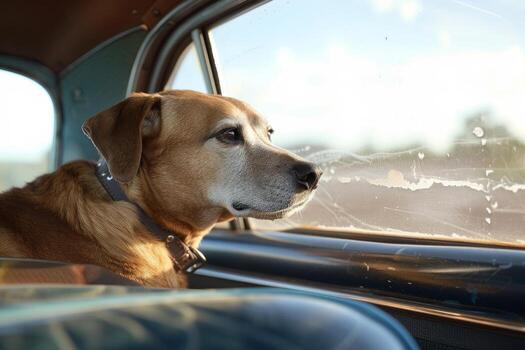
Dog car anxiety can develop for many reasons, including:
- Motion sickness or nausea
- Fear of unfamiliar sounds and movement
- Lack of early car exposure
- Negative associations (vet visits, stressful drop-offs)
- Past accidents or trauma in a vehicle
Some dogs become anxious before the ride even begins — simply seeing the keys or walking toward the car can trigger stress.
Common Signs of Dog Car Anxiety
Many owners don’t realize their dog is anxious until the behavior becomes intense. Signs of dog car anxiety may include:
- Trembling or shaking
- Excessive drooling
- Heavy panting
- Whining, barking, or pacing
- Refusing to get into the car
- Vomiting or diarrhea
- Trying to escape or jump out of the vehicle
If your dog shows these signs, training can help improve comfort and safety.
Dog Car Anxiety Training Starts With a Parked Car
One of the best ways to reduce dog car anxiety is to start small. Instead of forcing a full car ride, begin with calm practice sessions while the car is parked.
Sit with your dog near the vehicle, reward calm behavior, and gradually build confidence. Even short sessions can make a big difference.
How to Help a Dog With Car Anxiety Using Positive Reinforcement
The AKC recommends building positive associations through rewards:
Try these simple steps:
“Use treats and praise to help your dog associate the car with positive experiences.”
— American Kennel Club
- Give treats near the car door
- Let your dog explore the car without pressure
- Feed high-value treats once they step inside
- Keep sessions short and positive
This teaches your dog that the car is not something to fear.
How to Stop a Dog From Jumping Out of the Car
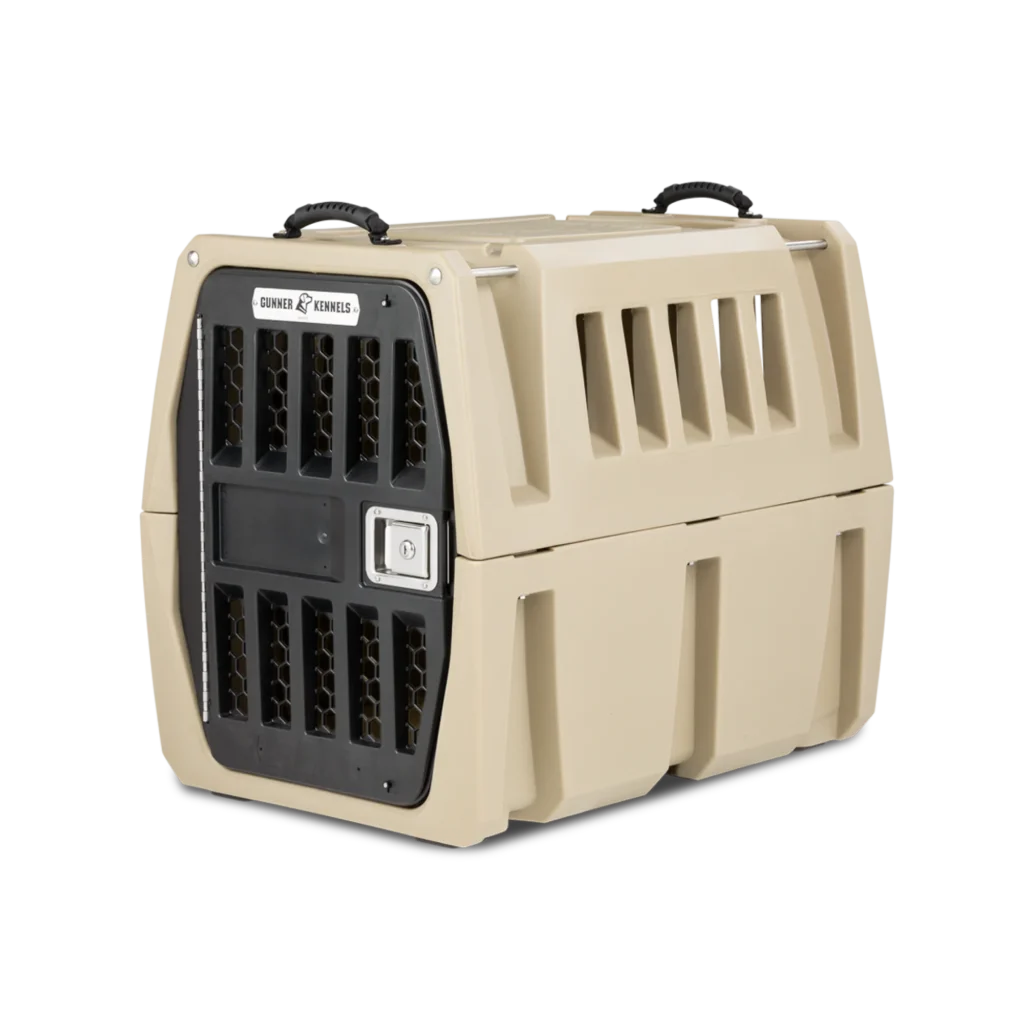
Why We Recommend a Gunner Kennel for Safe Car Travel
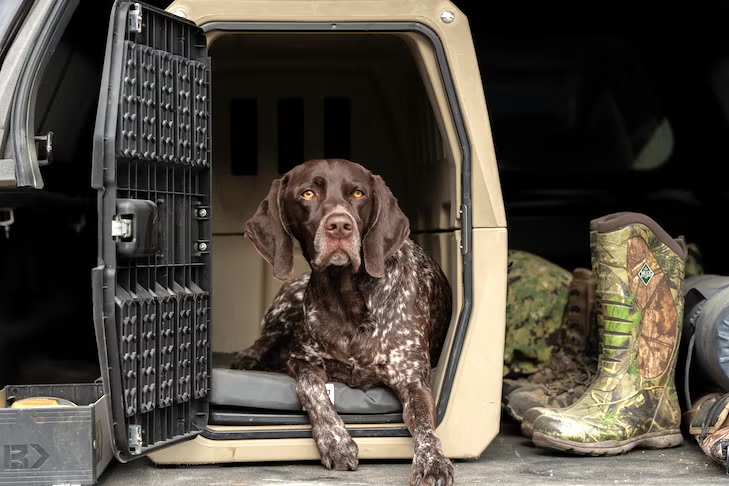
At Ducktown Lodge, we often see dogs that try to jump out of the vehicle the moment a door opens. Not only is this stressful for owners, it can also be extremely dangerous in parking lots and roadside situations. One of the most effective ways to prevent this behavior is using a secure travel kennel, such as the Gunner Kennel.
A properly secured kennel helps reduce overstimulation, limits sudden movement, and creates a safer, more controlled exit routine. We believe a high-quality travel kennel is one of the safest approaches to car travel because it keeps dogs contained and protected during sudden stops or accidents — while also preventing them from bolting out unexpectedly.
For many dogs, the kennel becomes a calm, familiar “den,” which can also help reduce travel stress and anxiety.
Dog Car Safety Training: Use the Right Restraint
Injury Prevention Options: Why Restraint Matters
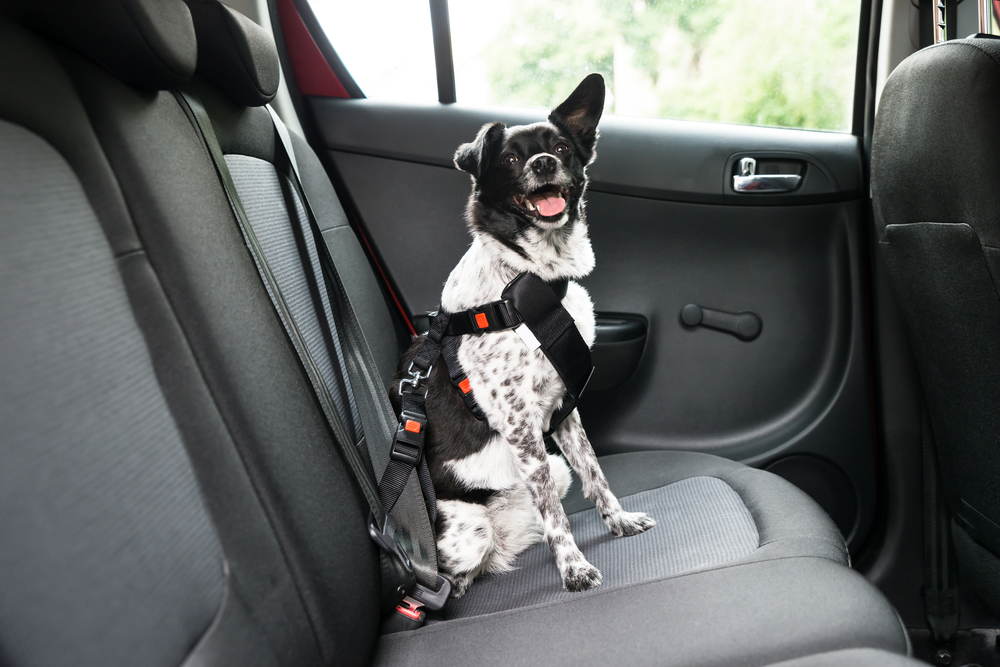
One of the most common mistakes we see with dog car anxiety and unsafe travel is allowing dogs to ride with no restraint at all. Many owners don’t realize that even a well-behaved dog can become a serious distraction in the car — or be at risk of injury during sudden stops.
As the Whole Dog Journal explains:
“Most restraint systems, including crates, car seats, and harness/seat belt combinations, can prevent our dogs from distracting us while we’re driving. Financial considerations, convenience, the size of our dogs, as well as the size of the vehicles we already own, may dictate that a safety harness and seat belt are the best of those options for simply keeping the dog out of the driver’s way.”
At Ducktown Lodge, we strongly support using some form of safe restraint — whether that’s a secured travel kennel like the Gunner Kennel, a crash-tested harness, or another properly fitted system. The right setup doesn’t just protect your dog, it helps prevent jumping out of the vehicle and creates a calmer, safer travel experience for everyone.For many dogs, being properly secured helps them feel more stable and reduces anxiety.
This keeps your dog safe in sudden stops and prevents them from moving unpredictably during the ride.
In addition to crates and harnesses, we also recommend exploring Sleepypod travel systems for dogs who need secure, comfortable restraint on the road. Sleepypod offers integrated safety solutions — including travel carriers and seat belt harnesses — that are designed to reduce injury risk and minimize distraction while driving.
- Using a high-quality restraint like Sleepypod can help:
- Keep your dog secure in motion
- Prevent sudden movement or unexpected exits
- Reduce anxiety by creating a stable space during travel
- Protect both your pet and your vehicle’s occupants
- Whether you choose a Sleepypod system, a crash-tested harness, or a travel kennel like the Gunner, the key is to use a restraint that fits your dog and vehicle properly. Safe restraint makes every trip calmer, more comfortable, and safer for everyone.
Dog Car Anxiety: Start Young for a Calm Traveler
At Ducktown Lodge, we see dog car anxiety every week — from calm travelers to pups who tremble, whine, or try to jump out as soon as the door opens. The American Kennel Club reminds us, “Dogs don’t automatically know how to behave in cars. They need to be taught safe travel habits.”
That’s why we start our puppies young, helping them build positive car experiences early. For puppy owners, simple steps like short parked-car sessions, rewarding calm behavior, and practicing safe, controlled exits can make a lifelong difference. With patience and positive reinforcement, most dogs can learn to stay calm, secure, and confident on the road.
Short Practice Drives Help Reduce Dog Car Anxiety
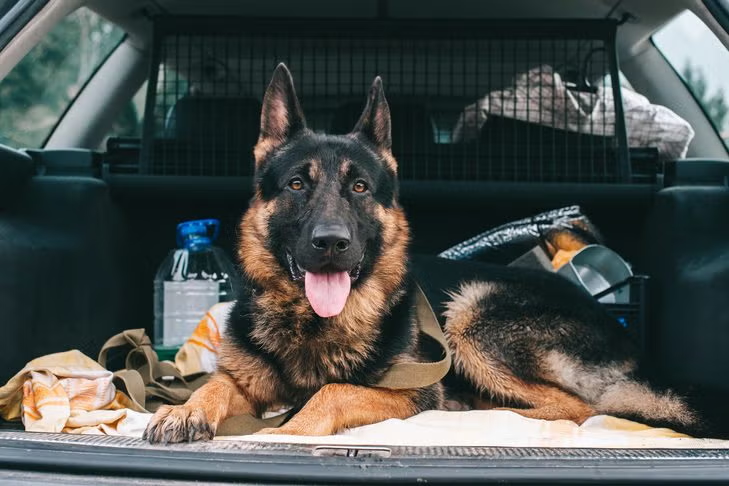
Once your dog is calm in the parked car, begin with short drives:
- 1–2 minutes around the block
- Return home and reward calm behavior
- Slowly increase ride time over several days
These low-pressure practice trips can help reduce dog car anxiety and create a calmer traveler.
When Training Isn’t Enough: Ask Your Vet About Medication
For many dogs, gradual training and positive exposure can greatly reduce dog car anxiety — but in some cases, even the best training techniques don’t fully ease a dog’s stress or panic during travel. When this happens, it’s a good idea to consult your veterinarian. Your vet can help determine whether underlying issues like motion sickness or extreme fear are contributing to anxiety and can discuss potential medication options to support your dog. In more severe cases, vets may prescribe anti-anxiety medication or other treatments that can make car rides more comfortable and help your dog be more receptive to training.
Ducktown Lodge Tip: Make Car Rides Fun Again
One of the easiest ways to reduce dog car anxiety is to mix in trips that end with something positive — a walk, a treat stop, or a fun destination.
If the car only leads to stressful experiences, dogs quickly learn to fear it. If the car sometimes leads to enjoyable adventures, confidence grows.
Dog Car Anxiety Can Improve With Patience and Practice
Dog car anxiety can be frustrating, but it’s also one of the most common issues we see — and one of the most rewarding to improve.
With consistent training, calm routines, and safe travel practices, your dog can learn to ride comfortably and exit the vehicle safely.
If you ever have questions about your dog’s travel stress or drop-off routine, Ducktown Lodge is always happy to help.