Confidence dog training is often the missing piece when a dog struggles with new people and places. If your dog freezes, barks, pulls away, or seems overwhelmed in unfamiliar situations, it is easy to assume they are reactive or poorly behaved. In reality, many dogs are simply unsure how to navigate novelty safely.
Our approach at Ducktown Lodge is intentionally low-volume and low-pressure. By keeping our environment calm and predictable, we give dogs the space to settle, process, and build confidence without being pushed into more than they can handle. When dogs lack confidence, new environments feel unpredictable. New people move differently. Sounds come from every direction. Expectations are unclear. Without the skills to process all of that calmly, dogs fall back on stress responses that get mislabeled as behavior problems.
We see many dogs who struggle not because they lack ability, but because they don’t feel secure yet. Our approach to confidence dog training starts there—creating clarity, structure, and emotional safety before expecting anything else. When dogs feel steady, new experiences stop feeling like too much and start feeling possible.
Why Dogs Struggle With New People and Places
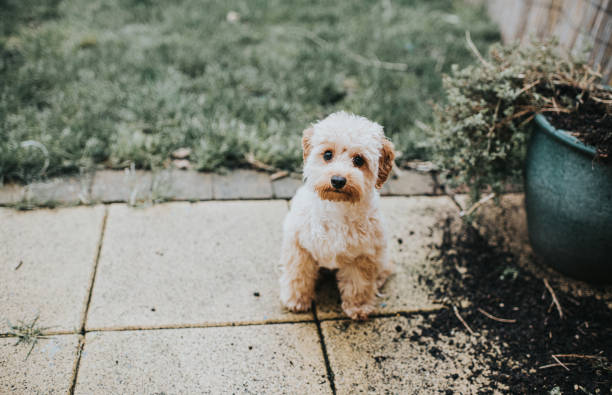
Dogs experience the world differently from us. New environments are not just visually different. They smell different. They sound different. The rules are unclear.
For many dogs, especially those who are sensitive or undersocialized, that uncertainty creates stress.
Common reasons dogs struggle include:
- Limited calm exposure during early development
- Past experiences that felt overwhelming or unsafe
- Too much stimulation too quickly
- Inconsistent handling or unclear expectations
- Pressure to interact before they feel ready
What often gets labeled as reactivity is actually a dog trying to manage uncertainty the only way they know how.
Undersocialization and Confidence Dog Training

Undersocialization does not mean neglect. Many dogs who struggle with confidence were loved, walked, and included in family life.
What they missed was neutral, low-pressure exposure that taught them how to feel safe around novelty.
A dog can meet many people and still feel unsure if:
- Interactions were rushed or forced
- People reached for them immediately
- New places came with pressure to behave or perform
Confidence dog training focuses on filling those gaps gently. It teaches dogs how to exist calmly in new situations instead of reacting to them. Confidence dog training focuses on filling those gaps gently. It teaches dogs how to exist calmly in new situations instead of reacting to them.
“Animal welfare experts agree that confidence is built through gradual, positive exposure—not forced interactions. According to the Animal Humane Society, helping fearful or anxious dogs gain confidence starts with allowing them to observe new experiences at their own pace, rewarding calm behavior, and avoiding situations that overwhelm them before they’re ready.” Click on “Animal Humane Society” for “their full guidance on helping anxious dogs build confidence.”
You can read their full guidance on helping anxious dogs build confidence here.
How Confidence Dog Training Builds Calm Behavior
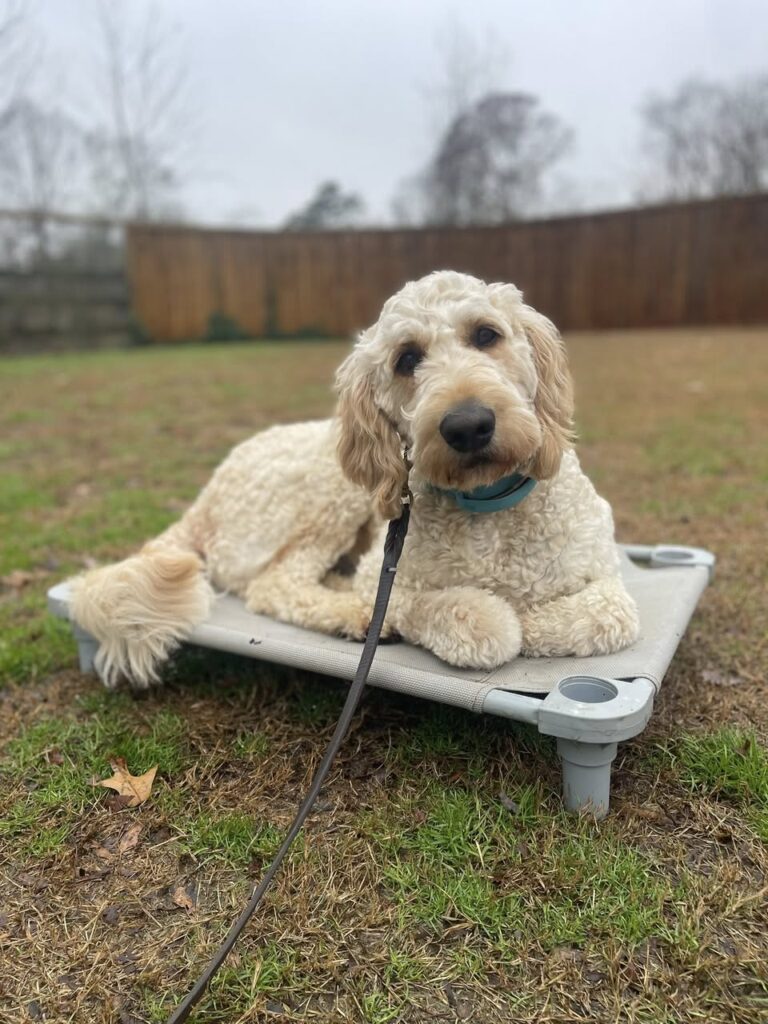
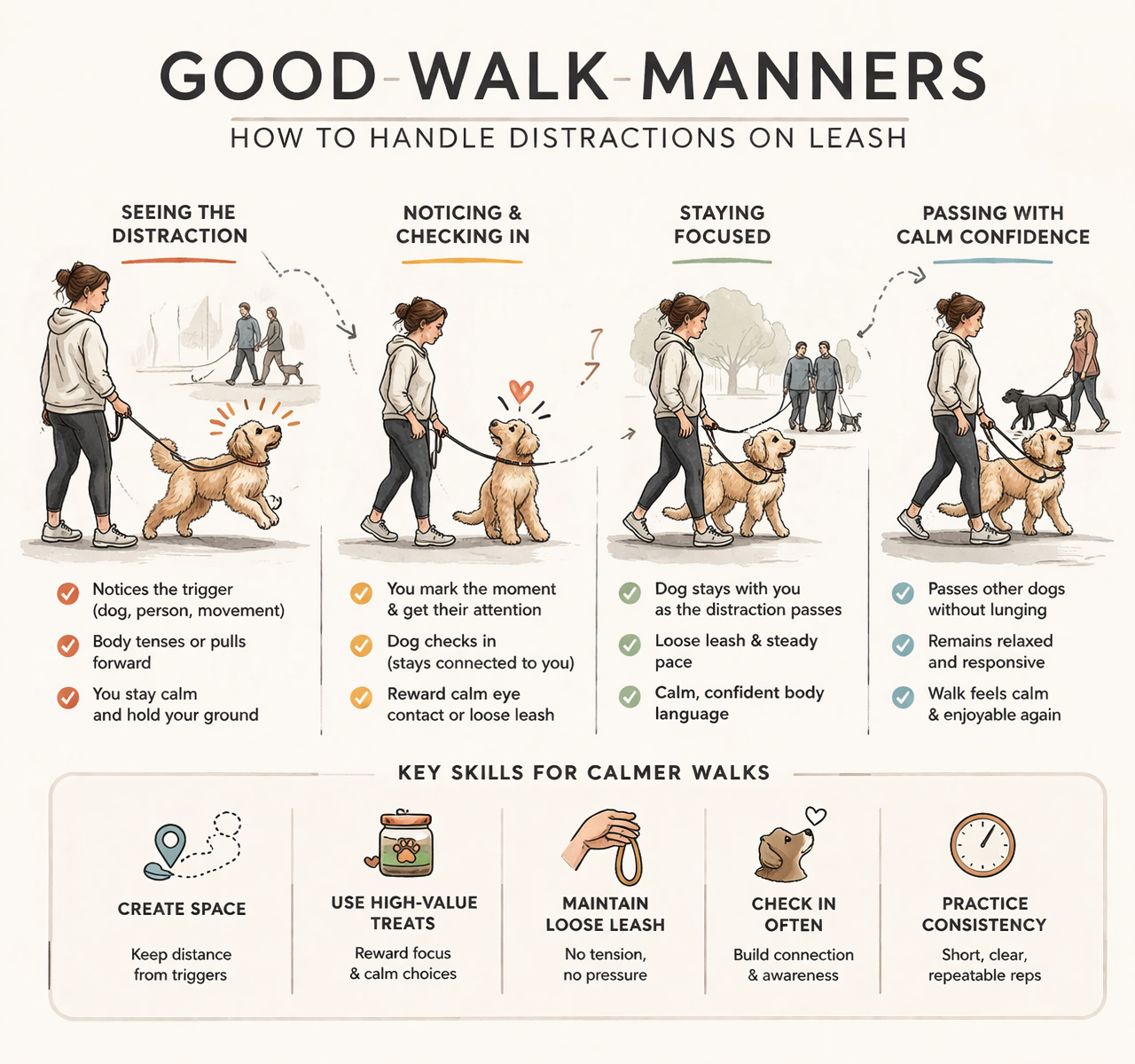
Confidence is not created by pushing dogs to be brave. It is created through clarity and repetition.
Effective confidence dog training prioritizes:
- Predictable routines
- Gradual exposure at the dog’s pace
- Permission to observe without engaging
- Clear guidance from a calm handler
- Ending experiences before overwhelm
Each calm experience becomes a small success. Over time, those successes stack.
This is how dogs learn that new people and places are manageable, not threatening.
Confidence Dog Training in New Environments
At Ducktown Lodge, we see this all the time. Many of the dogs who struggle with new people and places are undersocialized, and their owners often carry quiet guilt because of it. A common belief is that socialization means meeting every dog and every human. In reality, that kind of constant interaction can overwhelm sensitive dogs and actually make things harder.
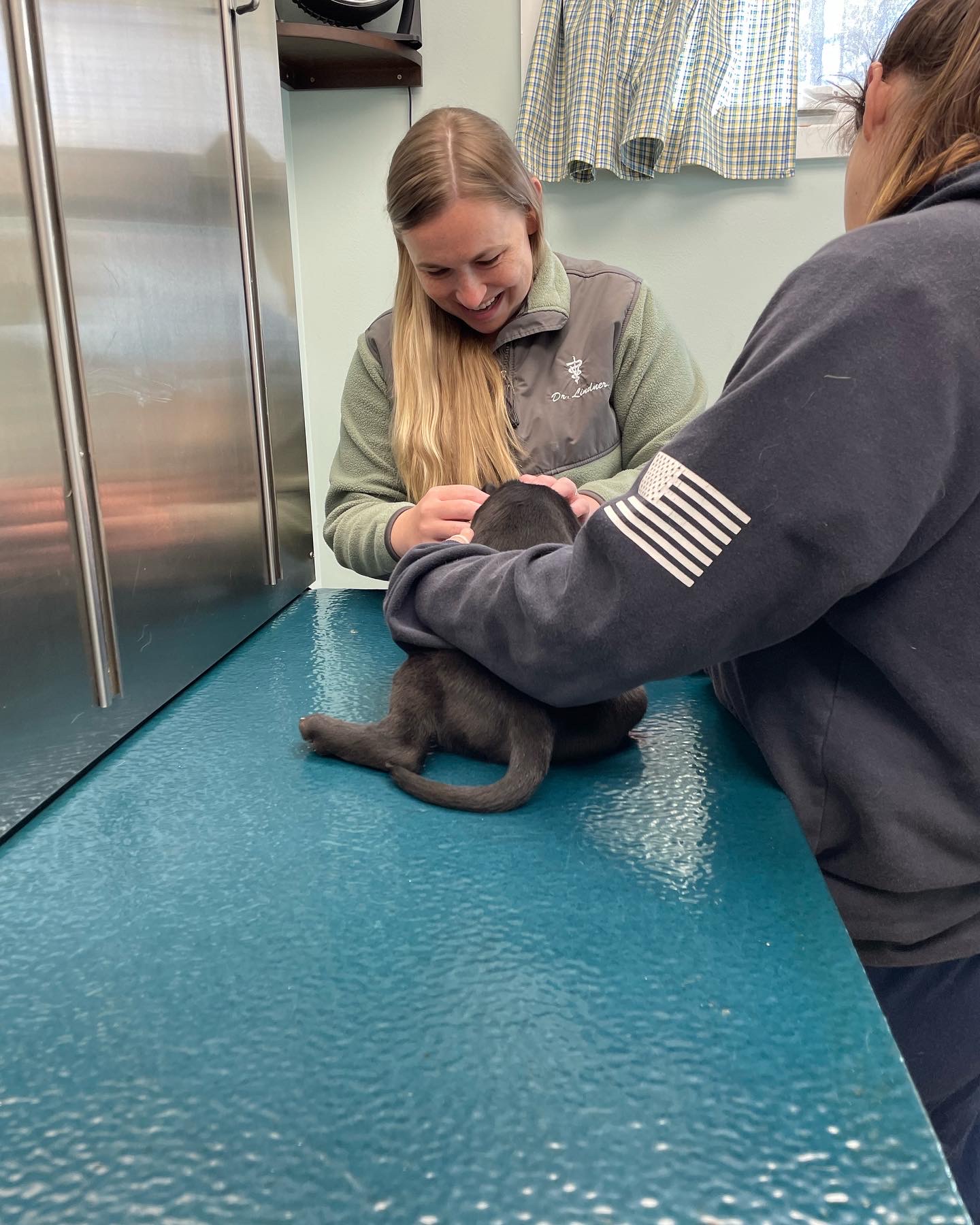
Undersocialization is not uncommon, especially with rescue dogs. In fact, we recently brought a rescue dog into our own care who had very little early socialization. New environments were a lot for her. New people felt confusing. But once she entered our confidence dog training program, everything shifted. With structure, consistency, and the freedom to observe without pressure, she began to settle. She learned how to exist calmly in the world instead of bracing against it. By the time she graduated, she was not a different dog. She was the same dog, just more secure.
That experience reinforced what we already know. Confidence dog training is not about flooding dogs with experiences or forcing interactions. It is about teaching dogs that they are safe, that they have guidance, and that they do not have to meet every dog or greet every person to be well socialized. Sometimes, thriving looks like calm neutrality. And for many dogs, that is exactly what they need.When introducing a dog to new places, less is often more.
Start with environments that are quiet and boring. Let your dog watch the world without being asked to interact with it.
Helpful strategies include:
- Visiting new places during low-traffic times
- Sitting or standing still instead of walking immediately
- Practicing familiar cues your dog already knows
- Keeping visits short and predictable
Neutral exposure builds confidence faster than forced engagement.
Helping Your Dog Feel Safer Around New People
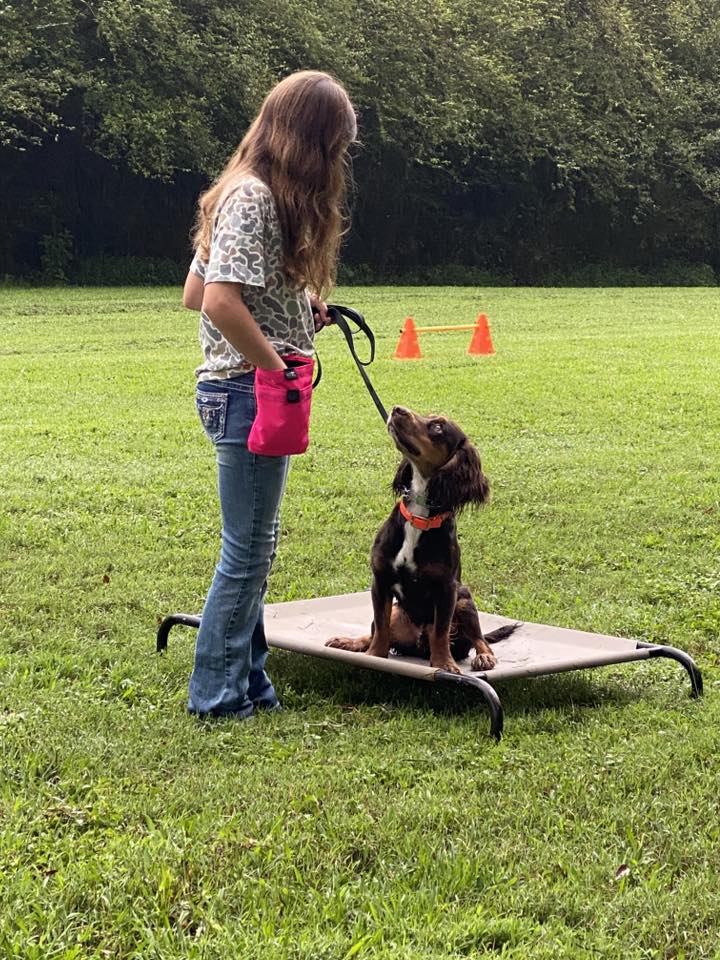
Many dogs struggle with people not because they dislike humans, but because humans move too fast.
Confidence dog training supports dogs by removing pressure from social interactions. Our safe dog obedience class in Cumming, GA helps our dogs build confidence a new safe environment.
That often means:
- Asking people to ignore your dog at first
- Avoiding reaching, staring, or crowding
- Letting the dog choose if and when to approach
- Stepping in to create space when needed
When dogs feel protected instead of managed, confidence follows.
Why Structure Matters in Confidence Dog Training
Reassurance feels kind, but structure feels safe.
Dogs gain confidence when expectations are clear and consistent. Structure reduces guesswork, which lowers anxiety.
Structure can look like:
- Calm leash handling
- Familiar routines in new places
- Clear transitions and follow-through
- Fewer words and more consistency
This kind of guidance tells your dog they are not responsible for managing the situation alone.
Environment Plays a Bigger Role Than Most People Realize
Some dogs struggle not because of training gaps, but because their environment is overwhelming.
Crowded facilities, constant noise, rotating handlers, and unstructured group play can undo confidence quickly, especially for sensitive dogs.
Confidence dog training works best in calm, predictable environments where dogs can regulate before learning.
At Ducktown Lodge, dogs are supported through consistency, low volume care, and steady routines. Exposure happens naturally, within daily life, not forced scenarios.
That difference matters.
What Progress in Confidence Dog Training Really Looks Like
Confidence rarely appears overnight. It shows up quietly.
Signs of progress include:
- Faster recovery after stress
- Softer body language in new situations
- Less intensity in reactions
- More checking in with their person
These are meaningful changes. They indicate a dog who is learning how to feel safe in the world.
Why We Follow Puppy Culture Principles
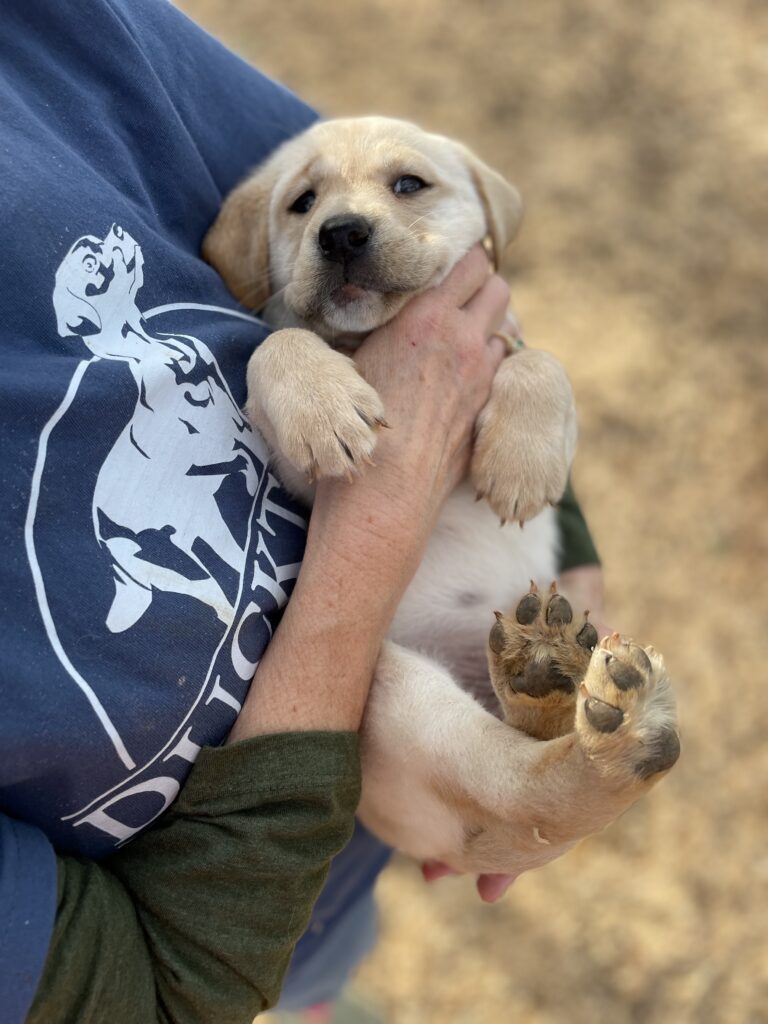
At Ducktown Lodge, confidence dog training isn’t a label—it’s how we work with dogs every day. We focus on helping dogs feel safe, steady, and supported, because that’s what allows real learning to happen.
That’s why we align closely with Puppy Culture principles and the educational work from MadCap University. Click on the link for more information.
MadCap University is respected for its emphasis on early neurological development, enrichment over forced exposure, and confidence-building through thoughtful experiences. This philosophy mirrors what we see succeed with dogs consistently: confidence isn’t built through constant interaction or pressure. It’s built when dogs are given space to explore, process, and engage at their own pace. As Puppy Culture breeders who actively follow these principles, this isn’t theoretical for us. It’s how we care for dogs, and it’s why our approach to confidence dog training stays calm, intentional, and respectful.
A Different Approach to Confidence Dog Training
At Ducktown Lodge, we don’t talk about confidence dog training as a trend or a technique. It’s simply how we care for dogs.
Every day, we work in ways that help dogs feel steadier and more secure:
- We reduce pressure instead of adding it
- We provide consistency, not constant stimulation
- We don’t force interactions with people or other dogs
- We build calm neutrality before expecting engagement
- We prioritize emotional safety in everything we do
That is what real confidence-building work looks like. Not flooding dogs with experiences. Not pushing them to be brave. But giving them the structure and support they need to relax and learn at their own pace.
If your dog struggles with new people or places, you’re not asking for too much by wanting something calmer and more thoughtful. You’re asking for the right kind of support.
If and when you’re ready, let’s talk about your dog. We’ll start with a conversation—not a contract.
I