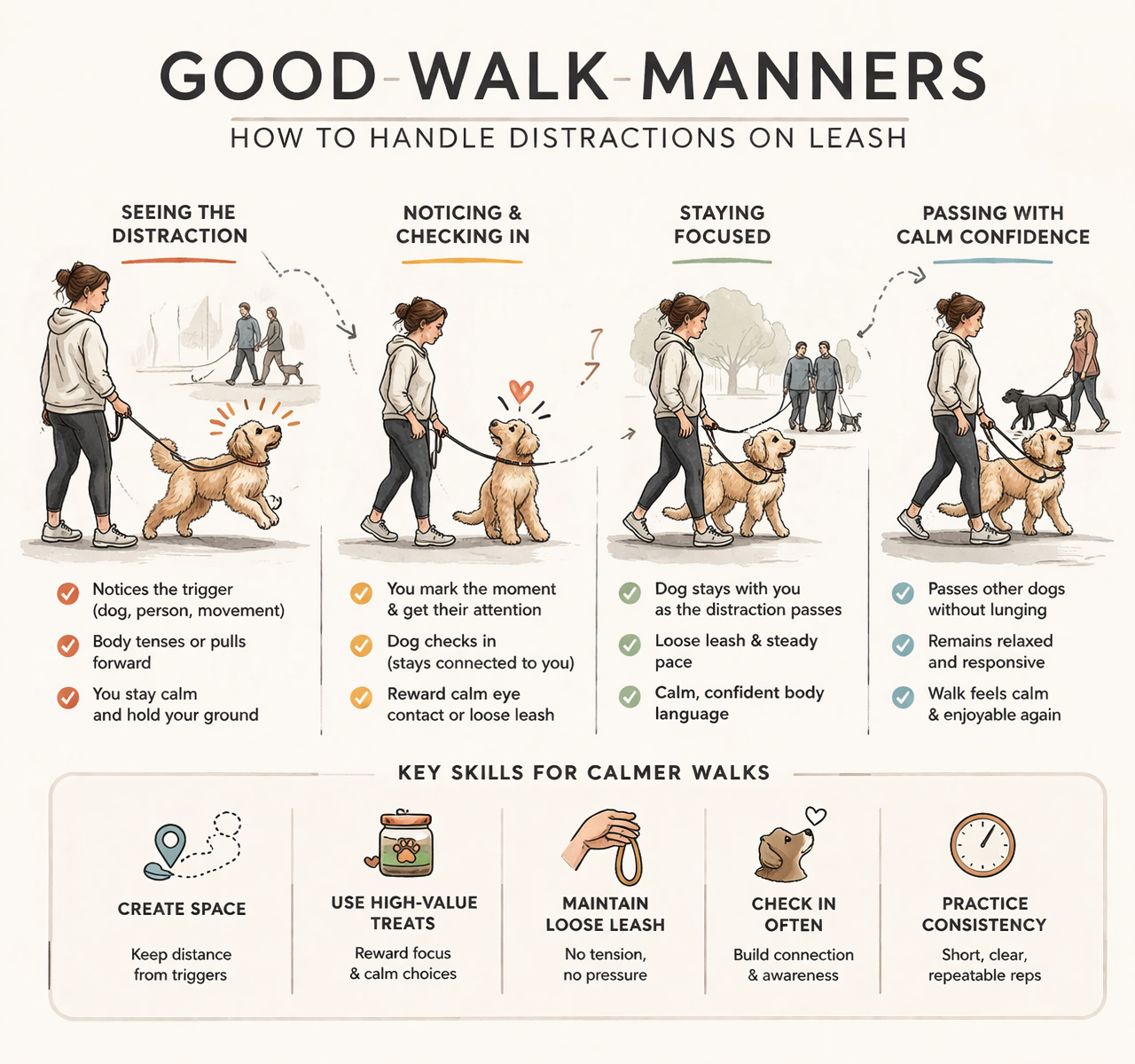
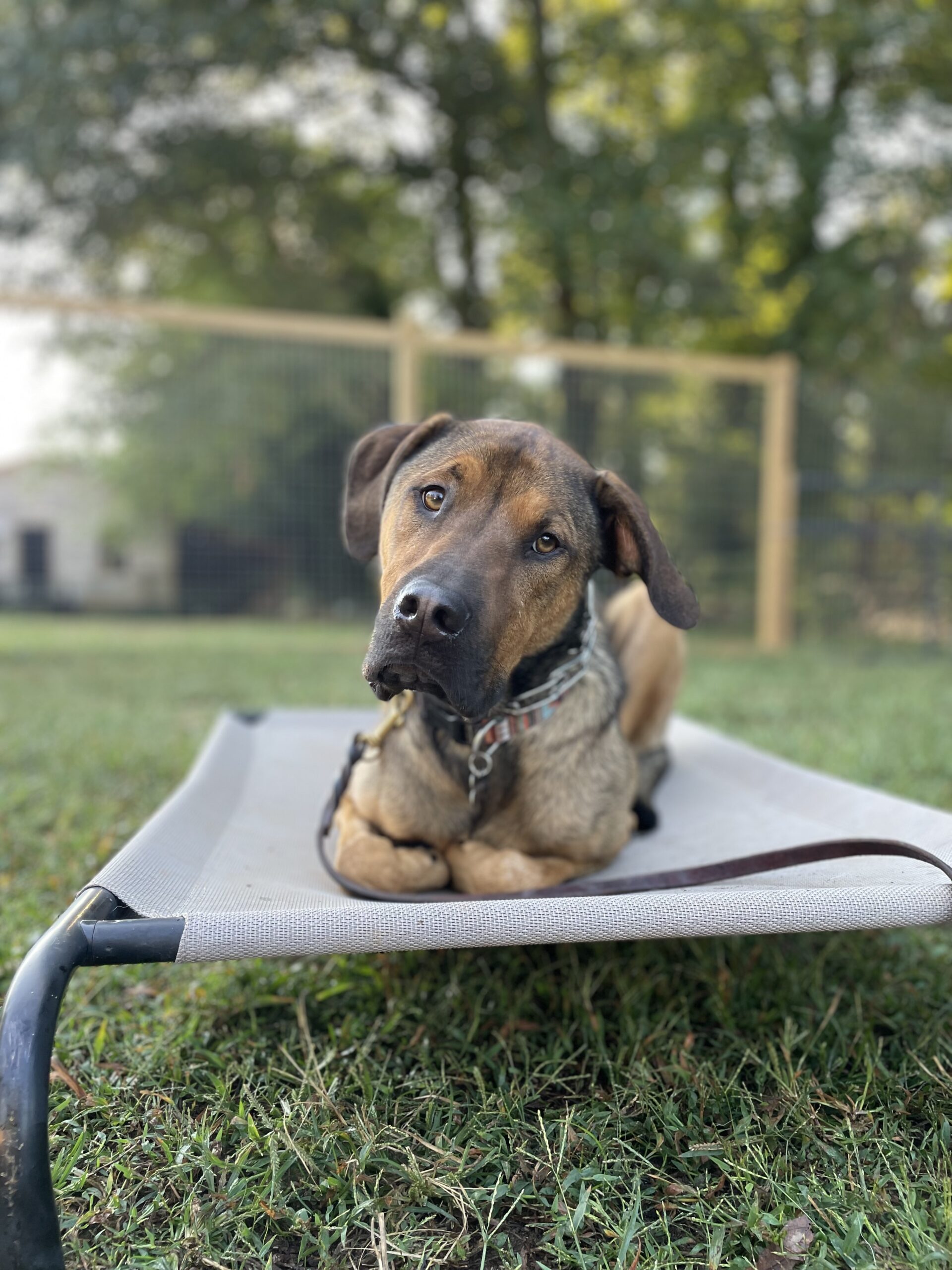
Calm dog behavior is not luck. It is the result of predictable routines, steady leadership, and simple habits that help your dog feel safe. When life feels clear and consistent, your dog stops guessing and starts relaxing. Structure gives her a place to land, and that steady foundation changes everything.
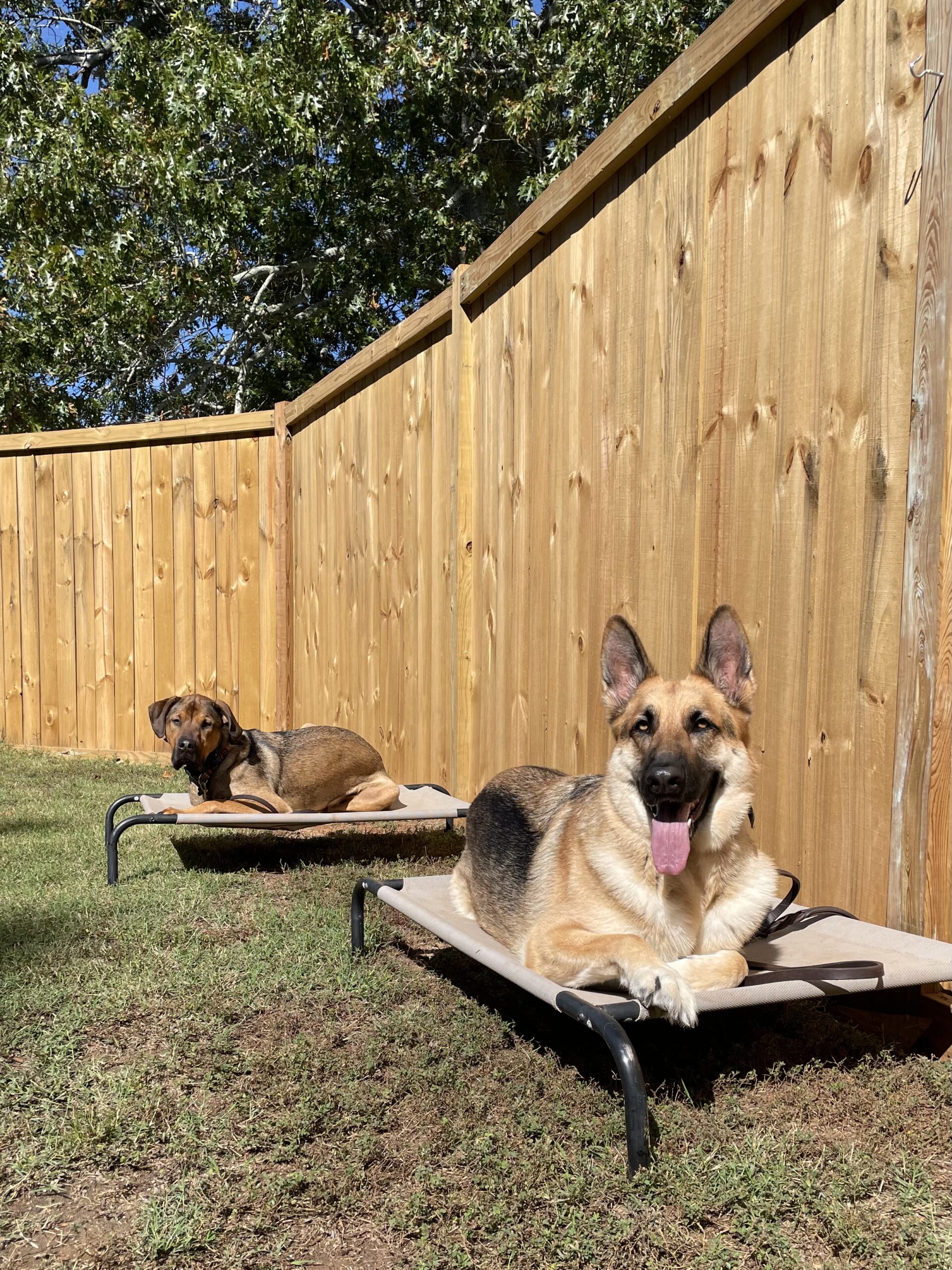
Calm dog behavior grows from simple habits that reduce stress, create routine, support crate comfort, and help your dog understand what to expect every day. These structured dog training tips build confidence and set the tone for a more peaceful home.
How structure shapes the rest of your dog’s life
The rest of this guide walks through five essential habits that create routine for dogs and support a calmer, more confident way of living. You will learn why teaching calm matters first, how to crate train a dog without stress, and why consistent dog training habits help your dog feel secure enough to thrive. Each step is simple, doable, and designed to make life easier for both of you.
How do I achieve a relaxed state?
“… the person doing the training must remain calm…”. Click here for a full article read which we find helpful.
Why Structure Creates Calm Dog Behavior
Calm dog behavior begins with a sense of safety. When your dog understands the flow of her day, she no longer has to make decisions on her own or stay on high alert. Structure takes the guesswork out of daily life. It tells your dog, “You’re not in charge here. You can relax.”
Dogs thrive on patterns because patterns create predictability. Predictability lowers stress. When things feel steady, your dog is not bracing for surprises or scrambling to control her environment. She has room to settle.
How predictability lowers stress
A steady routine helps your dog settle into a rhythm. That rhythm supports calm behavior because your dog no longer wonders what will happen next.
Predictability brings:
- Emotional relief
- Less reactivity
- Better listening
- More confidence
A predictable life is a peaceful life for a dog.
What happens when routines are missing
When structure is missing, dogs often fill in the blanks. They try to manage the home, which can lead to stress and unwanted behavior.
Common signs include:
- Pacing or whining
- Difficulty settling
- Pushy behavior
- Trouble with transitions
These are not “bad” behaviors. They are signs your dog needs clarity.
Teach Calm

Calmness is the foundation of everything your dog learns. A dog who is spinning, pacing, or pulling is not being stubborn. She is overwhelmed. When her mind is busy, she cannot make good choices. Teaching calm is the first and most important step because a calm dog can think.
Why is calmness the foundation of training
Calmness supports:
- Better focus
- Easier transitions
- Less reactivity
- More confidence
Without calm, training feels frustrating. With calm, everything begins to click.
Practical ways to teach calm
Calm is a skill your dog learns with practice.
Try adding:
- A pause before going outside
- Quiet place or rest time
- Calm greetings
- Softer human energy
- Praise for stillness, even a few seconds
Calmness creates a more thoughtful, connected dog.
Create a Schedule Your Dog Can Count On

Dogs feel safe when they can predict the flow of their day. A schedule removes uncertainty and gives your dog a grounded rhythm. Even simple routines reduce anxiety and help her settle.
Why daily rhythm matters
A predictable schedule supports:
- Lower stress
- Better bathroom habits
- Improved listening
- More restful downtime
- Fewer behavior issues
A schedule is one of the easiest ways to create calm dog behavior.
Simple schedule suggestions
Keep it simple:
- Consistent morning and evening routines
- Predictable outdoor time
- Planned rest periods
- Short training windows during calm moments
- A steady bedtime rhythm
When your dog knows what to expect, behavior improves naturally.
Crate Train for Emotional Safety
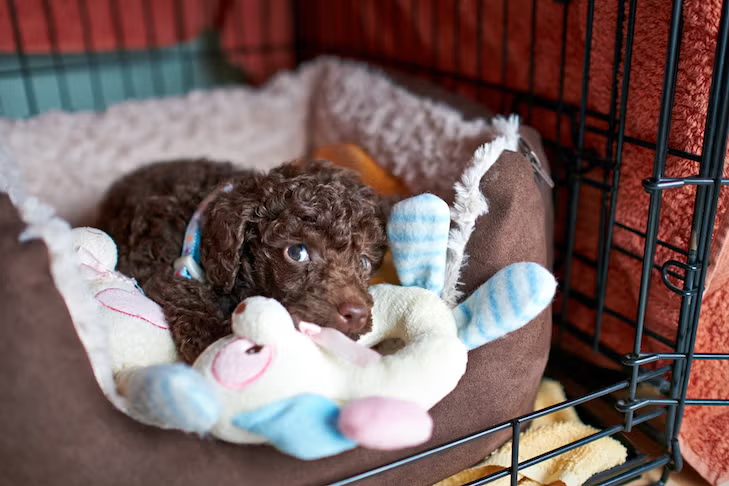
A crate gives your dog a place to rest, reset, and feel secure. It is one of the most valuable skills you can teach her. A dog who is comfortable in a crate handles boarding, travel, vet visits, and new environments with much more confidence.
Why crate comfort matters
Crate training helps your dog:
- Self-soothe
- Avoid overstimulation
- Practice calmness
- Feel safe in new places
- Navigate stressful situations more easily
Steps for positive crate habits
Make crate time calm and predictable.
Try:
- Quiet entry and exit
- Short rest periods
- Calm energy from you
- Avoiding the crate as punishment
- Letting your dog relax before coming out
A comfortable crate creates a calmer, more resilient dog.
Feed on a Schedule to Create Stability
Mealtime is structure. When your dog knows when she will eat, her body and mind settle. Feeding on a schedule reduces anxious pacing and keeps mealtimes calm instead of chaotic.
Why mealtime structure matters
Scheduled feeding supports:
- Better digestion
- Calmer behavior
- Less begging or anticipation
- Clear boundaries
- More focus throughout the day
Healthy feeding habits
You only need consistency.
Try:
- Feeding at the same times daily
- Keeping your energy neutral
- Asking for calm before placing the bowl down
- Removing the bowl after a reasonable time
- Avoiding excitement around food
Calm meals lead to calmer days.
Be Consistent With Rules and Expectations
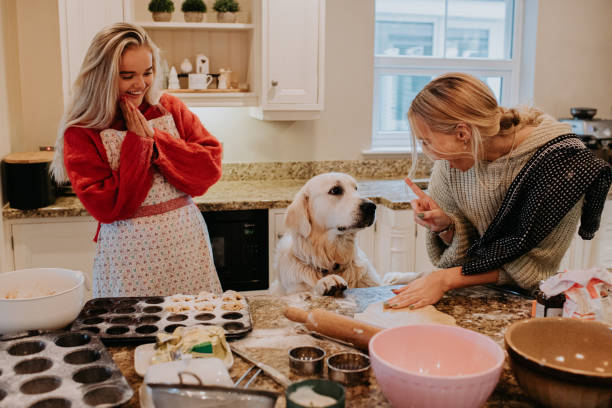
Consistency helps your dog understand how to succeed. When rules change, your dog becomes confused and stressed. When rules stay steady, she feels safe and knows what you expect.
Why does inconsistency cause issues?
Inconsistent rules create:
- Mixed signals
- Stress during transitions
- Confusion about boundaries
- Difficulty learning
- Less trust
Your dog is not misbehaving on purpose. She is trying to navigate unclear guidance.
Making consistency easier
Consistency is about predictability, not perfection.
Try:
- Family agreement on rules
- Using the same cues
- Following through calmly
- Low-energy greetings
- Clear boundaries that do not shift
Steady leadership builds a steady dog.
How Structure Leads to More Freedom
Structure may sound limiting, but it creates true freedom. When your dog understands the rules, she can handle new environments with more confidence and less stress.
Boundaries create confidence
Structure builds:
- Better impulse control
- Reliable recall
- More trust
- Calmer decisions
- Confidence in new places
Freedom without structure becomes chaos. Freedom built on structure lasts.
Adjusting structure as your dog matures
Your dog earns freedom as she shows readiness.
She may be ready if she:
- Settles easily
- Follows cues
- Handles transitions calmly
- Ignores basic distractions
- Checks in without pressure
As confidence grows, structure can expand
Summary: A Calmer Dog Through Simple Everyday Habits
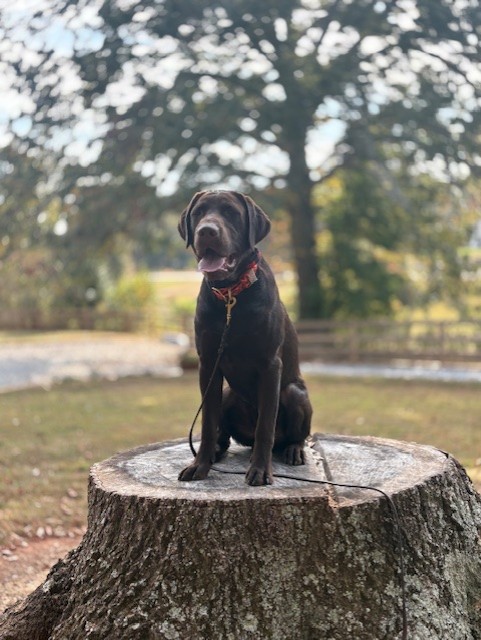
Calm dog behavior comes from simple, steady habits. Teaching calm, keeping a schedule, building crate comfort, feeding at predictable times, and staying consistent create a life where your dog can breathe easier. These habits lower stress, build trust, and help your dog show her best self every day. A calmer dog is not a mystery. It is the natural result of clear leadership and a world that finally makes sense to her.
A calmer life with your dog starts with steady support
If you are craving more peace, clarity, and connection with your dog, you are not asking for too much. You are simply looking for a way of living that feels good for both of you. Structure helps your dog relax, and it helps you enjoy more of your life with her.
At Ducktown Lodge, we guide dogs through calm routines, steady leadership, and an environment that feels safe from the moment they arrive. Whether you want support building structure at home or you are considering our training or boarding programs, we are here to help.
Let’s talk about your dog. Ask us anything. We are here to help you build the calm, steady rhythm that brings out your dog’s best.
Call 770-733-0836 or email us at hello@ducktownlodge.com