You’re allowed to ask more before you commit
Choosing a board and train program can feel like a leap. You’re not just hiring a service. You’re choosing between different dog board and train programs, different environments, and different approaches to dog training and boarding.
Most people searching for a board and train near me don’t need more promises. They need better clarity about how these dog training programs actually work.
What should you ask before choosing a board and train program? Focus on how your dog is cared for, who is doing the training, how progress is shared, and what happens after. The best board and train programs for dogs are built on clarity, not hype.
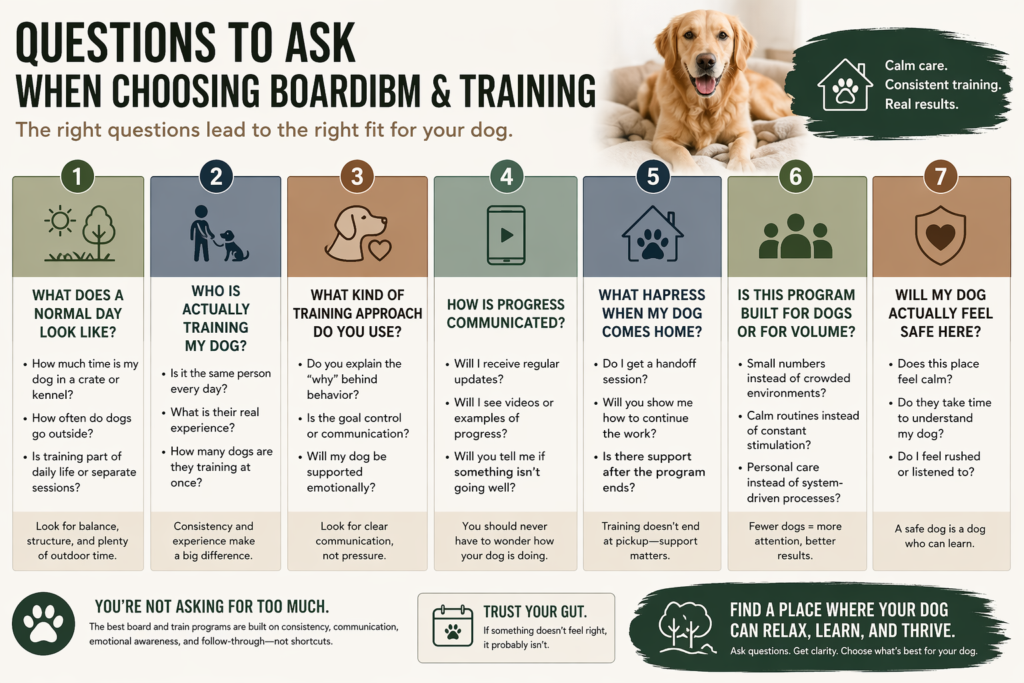
What does a normal day look like in a board and train program?
This is where most of the truth lives.
A dog board and train program is not just about scheduled training sessions. It’s about the full daily experience your dog lives in while learning.
Ask:
- How much time is my dog in a crate or kennel?
You want balance. Not long hours of inactivity. - How often do dogs go outside?
At Ducktown Lodge, dogs in our board and train programs go out 8 to 9 times per day in structured sessions. - Is training part of daily life or separate?
The best dog training programs integrate training into real routines, not isolated drills.
A strong dog training and boarding program should feel specific and grounded, not vague.
Who is actually training my dog?
Not all board and train programs are equal here.
When people search for a dog trainer near me, they often assume consistency. That is not always the case.
One Trainer Per Dog: Why It Matters in Board and Train Programs
Many board and train programs for dogs operate at high volume. That often means multiple handlers, rotating schedules, and inconsistent communication.
At Ducktown Lodge:
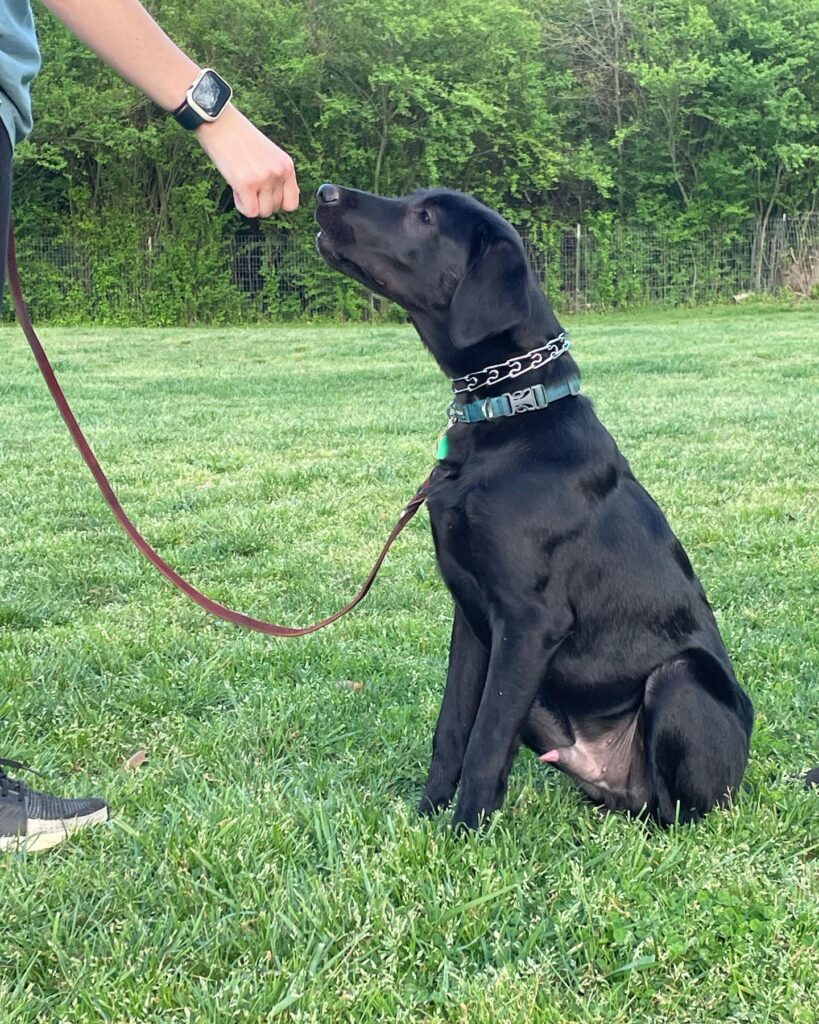
- Every dog in our board and train program works with one dedicated trainer
- We limit training to about 5 dogs at a time
- Our dog training and boarding model is built for one-on-one progress
This approach leads to clearer communication, faster understanding, and calmer dogs.
At Ducktown Lodge, we limit the number of dogs in our board and train programs for dogs so each dog gets real attention.
What kind of training approach do you use?
You don’t need jargon. You need clarity.
Many dog training programs sound impressive but lack substance.
Balanced Dog Training and E-Collar Training in Board and Train Programs
Most board and train programs for dogs fall into extremes. Either overly strict or overly passive.
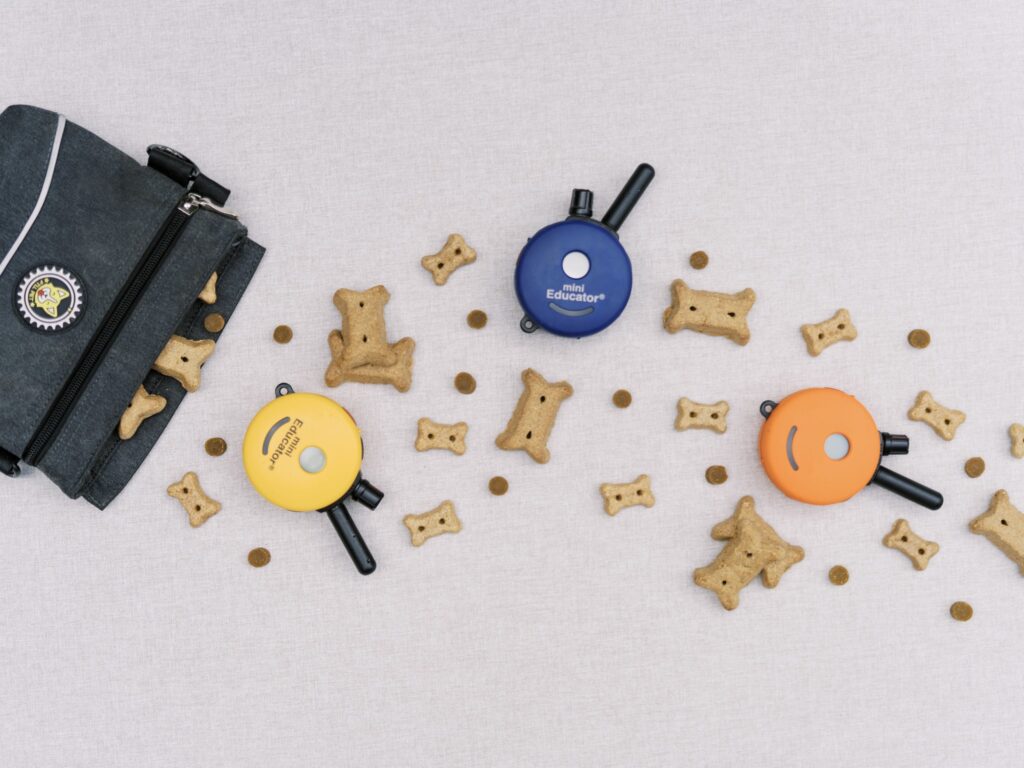
At Ducktown Lodge, our dog training and boarding program uses balanced dog training with structured routines, clear communication, and low-level e-collar training when appropriate.
This creates:
- More reliable off-leash results
- Better real-world behavior
- Clear communication between dog and owner
At Ducktown Lodge, our dog training and boarding programs focus on calm structure, communication, and trust.
How is progress communicated?
This is where many board and train programs near you fall short.
Ask:
- Will I receive regular updates?
- Do you provide video proof of progress?
- Will you tell me if something isn’t working?
If you’re investing in a dog board and train program, you should never feel in the dark.
Daily updates are standard at Ducktown Lodge because trust is part of the process.
What happens after the board and train program ends?
This is one of the biggest gaps in most dog training programs.
Training does not end when your dog leaves a board and train program.
Ask:
- Is there a take-home session?
- Will I learn how to continue the training?
- Is there ongoing support?
At Ducktown Lodge, every board and train program for dogs includes a handoff session and continued support.
Without follow-through, even the best dog obedience training fades.
A Boutique Board and Train Environment Built for Calm, Not Chaos
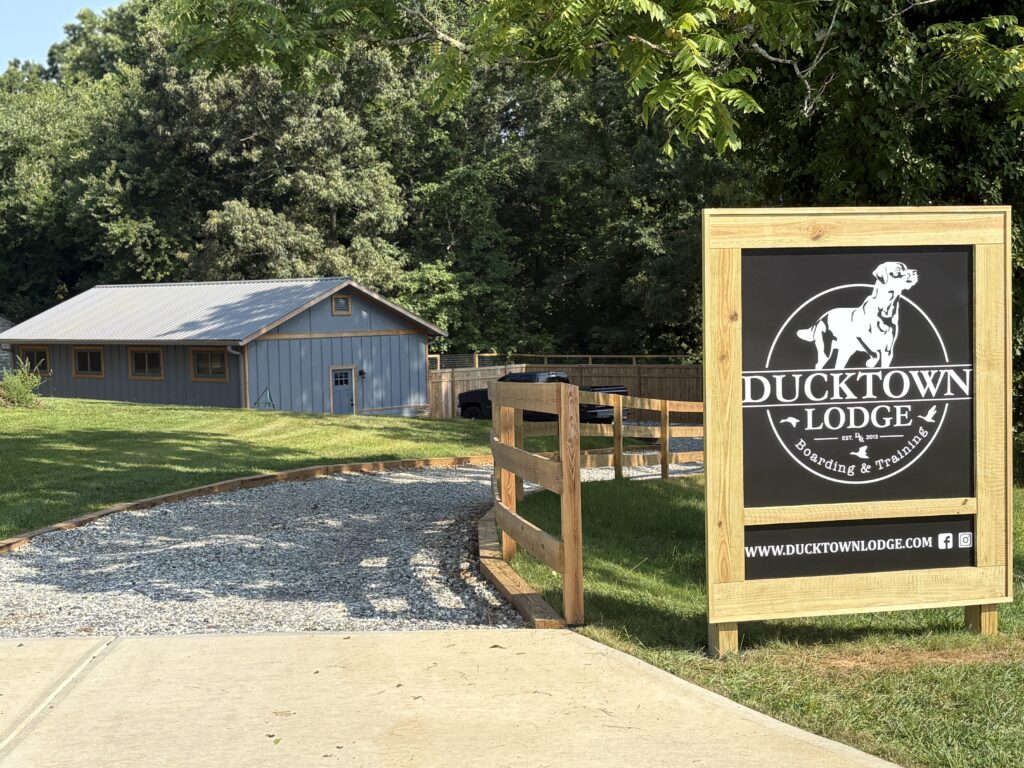
Not all board and train programs feel the same when you walk in.
Some are loud. Some are crowded. Some feel like systems instead of care.
At Ducktown Lodge, the difference starts with how we’re set up.
We keep things intentionally small. Fewer dogs. Lower ratios. More presence.
- Low dog-to-caregiver ratio
We only take a small number of dogs at a time. That means your dog is seen, not managed, and never lost in a rotation. - Boutique, low-key environment
This is not a high-volume facility. It’s quiet, steady, and designed to help dogs settle instead of stay on edge. - Frequent outdoor time throughout the day
Dogs go outside 8 to 9 times daily in structured sessions. Not rushed. Not chaotic. Just consistent time to move, explore, or relax in the grass. - Private spaces to decompress
Each dog has their own suite, which reduces stress and gives them space to rest between activity. - No overcrowding, no constant stimulation
Dogs are not pushed into group chaos or forced interaction. The environment stays calm and predictable.
This kind of setting changes everything.
Dogs can settle into a rhythm. They’re not overwhelmed by noise, movement, or constant transitions. And when dogs feel steady, everything else becomes easier.
For owners, it means something simple but hard to find:
Peace of mind.
Because you’re not just choosing a board and train program near you. You’re choosing the environment your dog will live in while you’re away.
And that environment should feel right.
Ducktown Lodge is intentionally low-volume because dogs learn better in calm environments.
Will my dog feel safe in this training environment?
This is the real question behind every search for a board and train near me.
Behavior improves when dogs feel safe.
Ask yourself:
- Does this dog training program feel calm?
- Do they take time to understand my dog?
- Do I feel heard or rushed?
Our board and train programs are designed with private suites, quiet transitions, and consistent care so dogs can settle and learn. If you’re still comparing different board and train programs, it can help to look at broader guidance as well. The American Kennel Club offers a helpful overview of what to expect, including the pros and limitations of different dog board and train programs. You can read their perspective here:
You’re not asking for too much
Wanting better from a dog board and train program is not unreasonable.
The best board and train programs for dogs are built on:
- Consistency
- Communication
- Emotional awareness
- Follow-through
Without those, even expensive dog training programs become temporary fixes.
Let’s talk about your dog
If you’re searching for a board and train near me and trying to sort through options, you don’t have to figure it out alone.
Reach out when you’re ready.
We’ll walk through your dog, your goals, and whether a board and train program actually makes sense—honestly, without pressure. Call Lucinda at 770-733-0836 or click on this link