Off Leash Dog Training and Reliable Dog Obedience: Why It Matters More Than People Think

Off-leash dog training is not about letting dogs run wild. It is about safety, clarity, and trust. Reliable dog obedience gives dogs freedom without chaos and gives owners peace of mind in real situations where control actually matters.
Off-leash dog training builds freedom through structure. Reliable dog obedience starts with impulse control, clear communication, and real world practice. Dogs earn freedom by listening, not guessing, and owners gain confidence when recall works under distraction.
Off Leash Obedience Training Starts With the Basics
This guide walks through how off-leash obedience is really built, why foundations matter, and where most people get stuck. You will also meet Georgia and Woody, two littermates who came to our board and train dog training program with no manners and low impulse control, and see how their two-week stay helped them start building calm, reliable obedience together.
The 3 D’s of dog training help protect reliability as freedom grows. Gradual progress with distance, duration, and distraction is key to safe off-leash work. The Animal Welfare Society also explains the value of the [three D’s of dog training] in building lasting obedience.
Off Leash Dog Training: What Off Leash Dog Training Really Means
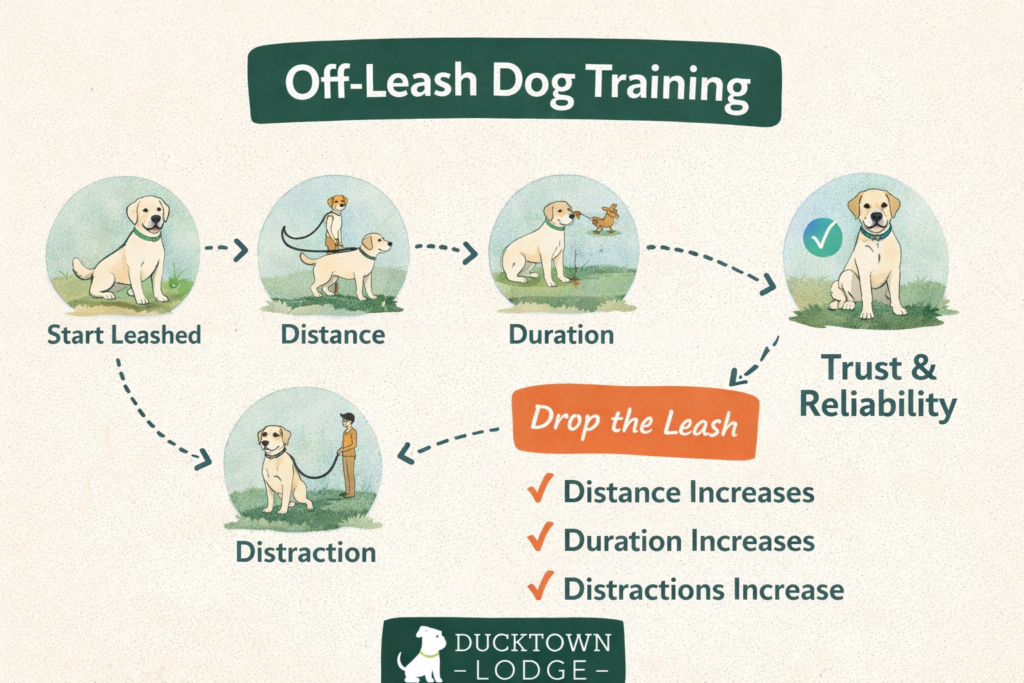
The 3 D’s of Off-Leash Dog Training
Off-leash dog training only works when dogs are set up to succeed. That’s why we follow the 3 D’s — a simple framework that keeps progress steady and confidence high.
Distance
Dogs learn to respond from farther away over time. We start close, build success, and only increase distance when recall is reliable.
Duration
Listening has to last longer than a moment. Dogs practice holding commands and staying engaged before freedom expands.
Distraction
Real life is distracting. Training adds challenges slowly, so dogs learn to choose obedience even when the world gets interesting.
👉 The key: Only increase one D at a time.
Rushing this step is the fastest way to break reliability.
A dog can know commands and still not be reliable. Reliability shows up when something else is competing for attention.
- A squirrel. Your dog still checks in.
- Another dog. Your dog still holds position.
- A new environment. Your dog responds without hesitation.
Off-leash does not mean perfect. It means clear.
Reliable Dog Obedience Is Not “My Dog Listens At Home”
Dogs do not automatically generalize behavior. The kitchen is not the yard. The yard is not a trail. Obedience has to be practiced in more than one place to stick.
Reliable dog obedience is built when dogs experience the same expectations in many environments until listening becomes habit, not luck.
Reliable Dog Obedience Starts Long Before the Leash Comes Off
Off-leash dog training only works when reliable obedience is already in place. The leash coming off is not the beginning. It is the result.
Many dogs struggle off-leash because impulse control was never taught first.
Off-Leash Dog Training Requires Clear Communication
Obedience is not about control. It is about communication your dog, who understands and trusts. Sit, down, place, and recall are not tricks. They are clarity tools that help dogs navigate the world calmly.
When communication is clear:
- Anxiety drops.
- Decision-making improves.
- Dogs settle faster.
That clarity makes off-leash freedom possible.
Reliable Dog Obedience Is Built Through Impulse Control
Impulse control teaches dogs how to pause and think before reacting. This is the difference between a dog who explodes and a dog who chooses.
Impulse control looks like:
- Waiting at doors.
- Holding place under excitement.
- Recalling away from movement.
Without it, off-leash training becomes unsafe.
Off-Leash Dog Training in Georgia Requires Real-World Practice
Training that stays too controlled does not hold up outside. Dogs need to practice obedience where life actually happens.
Why Off Leash Obedience Breaks Outside Training Spaces
Dogs do not see environments as similar. If obedience only happens in one place, it stays there.
Real reliability requires repetition across:
- Yards.
- Driveways.
- New locations.
- Everyday routines.
How Board and Train Dog Training Supports Off-Leash Success
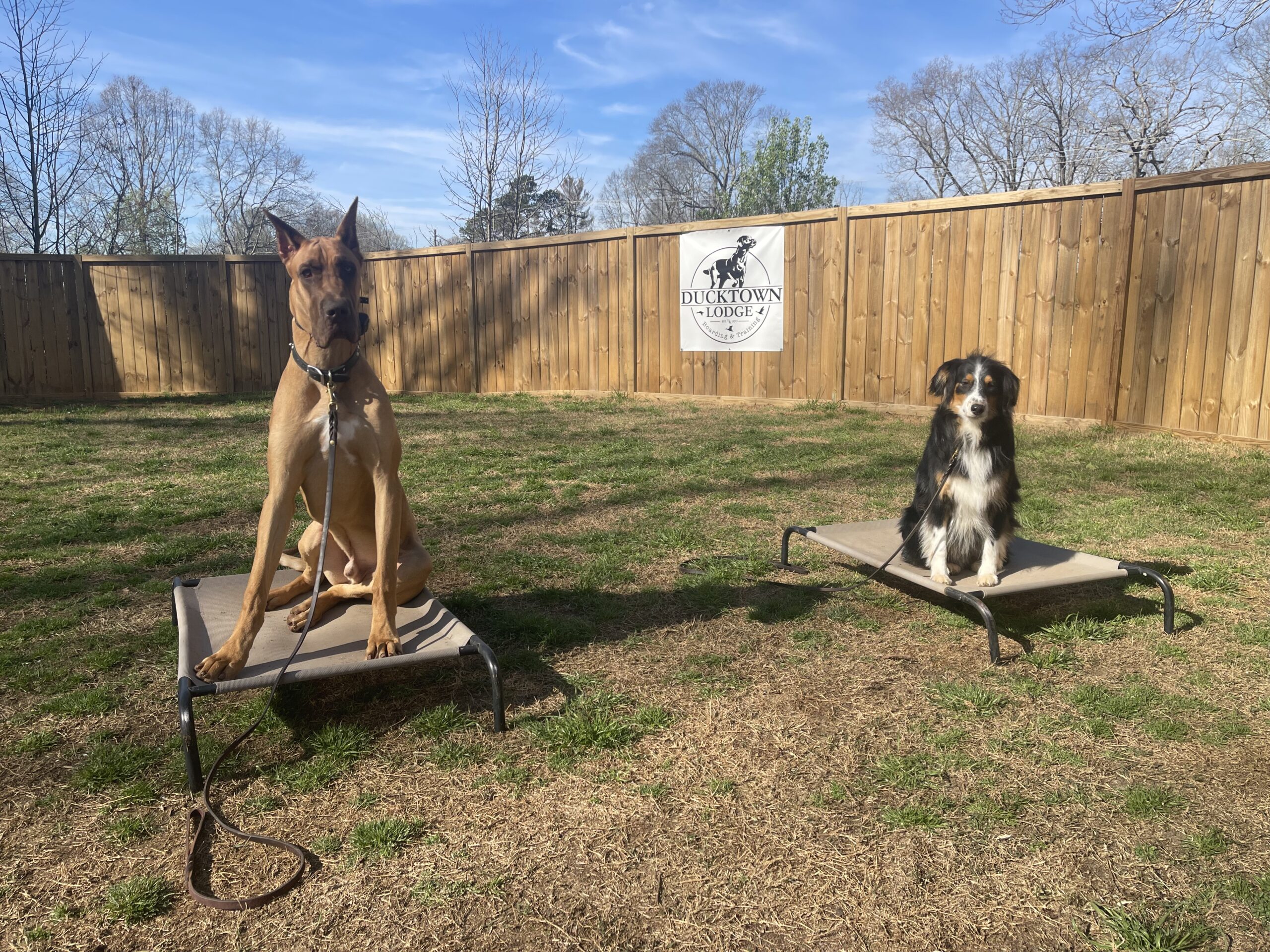
Board and train dog training works when it creates structure without chaos. Dogs live inside the training process instead of visiting it briefly.
At Ducktown Lodge, dogs experience:
- Predictable routines.
- Immediate feedback.
- Practice in real moments.
This is especially important for dogs with impulse control challenges or littermate dynamics.
Off Leash Dog Training Through Board and Train: Georgia and Woody’s Story
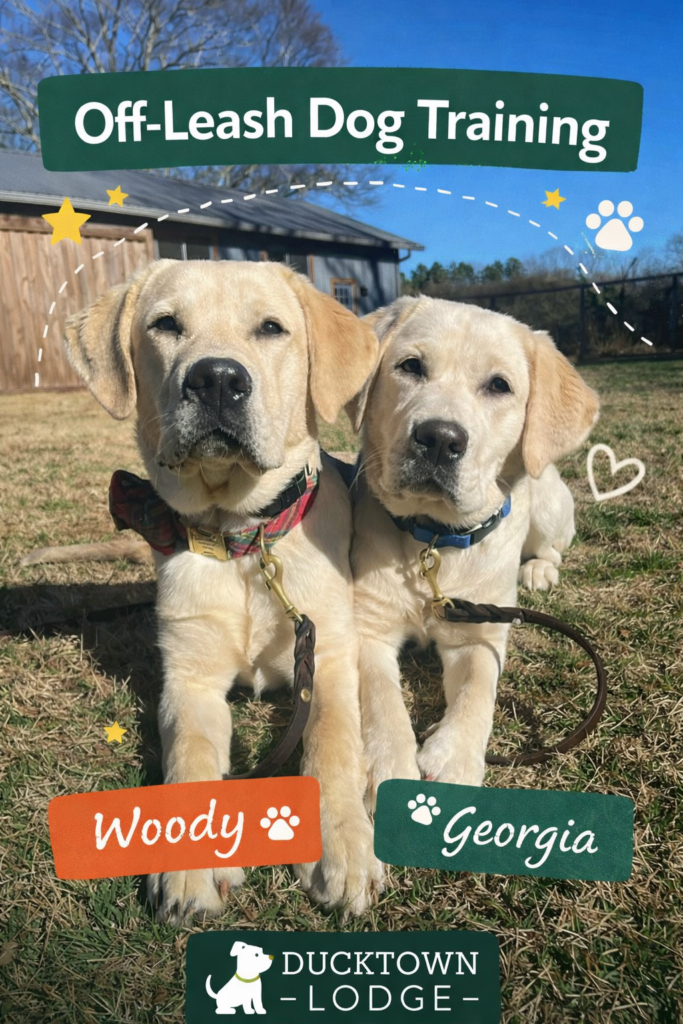
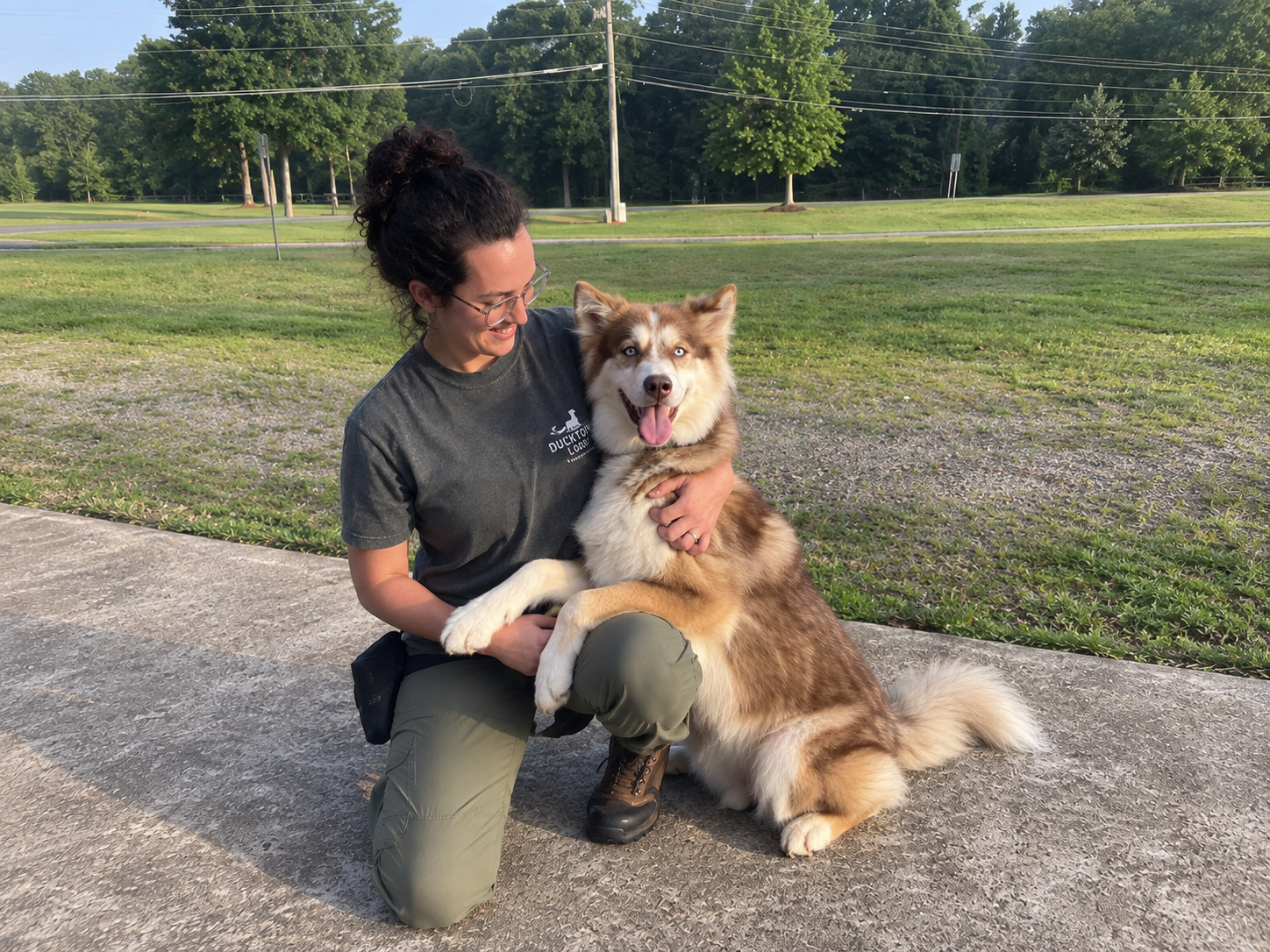
Georgia and Woody arrived at Ducktown Lodge as young littermates with big energy and very little impulse control. They were not difficult dogs. They simply lacked structure and clarity.
Together, they fed off each other’s excitement, which made listening harder.
Off-leash dog training works best when reliability is built step by step. The American Kennel Club reinforces that strong foundations and proofing are essential for safe off-leash freedom. Not every dog is ready for off-leash dog training at the same time. The AKC highlights key signs to look for before letting go of the leash, including reliable recall and impulse control. Read more about [when a dog is ready to be off leash].
Board and Train Dog Training for Littermates With No Manners
Littermates often struggle with focus and independence. Georgia and Woody arrived with:
- Weak recall.
- Minimal boundaries.
- Difficulty settling together.
- High arousal.
This is common and very fixable with the right approach.
Reliable Dog Obedience Starts With Structure
Their two-week board-and-train focused on foundational training first. Before off-leash work was considered, they needed:
- Clear routines.
- Individual accountability.
- Calm structure.
- Time to reset emotionally.
Training sessions were balanced with structured downtime, which helped regulate energy and improve focus.
Off-Leash Dog Training in Georgia Requires Real-World Practice

As obedience improved, Georgia and Woody began practicing controlled freedom. Off-leash training started with choosing to listen, not running.
They practiced:
- Recall away from each other.
- Holding commands while the other moved.
- Checking in instead of reacting.
They are still learning, and that is exactly how off-leash training should work. Reliability is layered, not rushed.
Off-Leash Dog Training Is a Process You Don’t Have to Rush
Dropping the leash is not a single moment. It is a process built over time. Most setbacks happen when freedom is introduced too early or distractions are added too fast.
Reliable Obedience Grows When Freedom Is Introduced Slowly
Dogs succeed when challenges are layered thoughtfully.
Reliable dog obedience develops when:
- Distance increases gradually.
- Distractions are added intentionally.
- Dogs are allowed to win before being pushed.
Why Our Obedience Class Supports Long-Term Off-Leash Success
Our obedience class plays a major role in maintaining progress after board and train. Training does not end at pickup.
Our growing class provides:
- A supportive environment.
- Guided practice around distractions.
- Continued structure during the maintenance stage of dog training.
We are grateful for the families who continue showing up and following through.
Setting Dogs Up for Success Is the Real Goal
Off-leash dog training is not about testing limits. It is about building trust, confidence, and clarity.
Families who stay consistent, patient, and engaged see the most lasting results. That follow-through is what turns training into a lifestyle.
Is Off-Leash Dog Training Right for Every Dog?
Not every dog needs off-leash freedom. Some dogs thrive with strong on-leash obedience and clear boundaries.
Success looks like:
- Calm behavior.
- Predictable responses.
- Owners who feel confident.
Freedom should always serve safety, not ego.
Off-Leash Dog Training Tools and Responsible Use
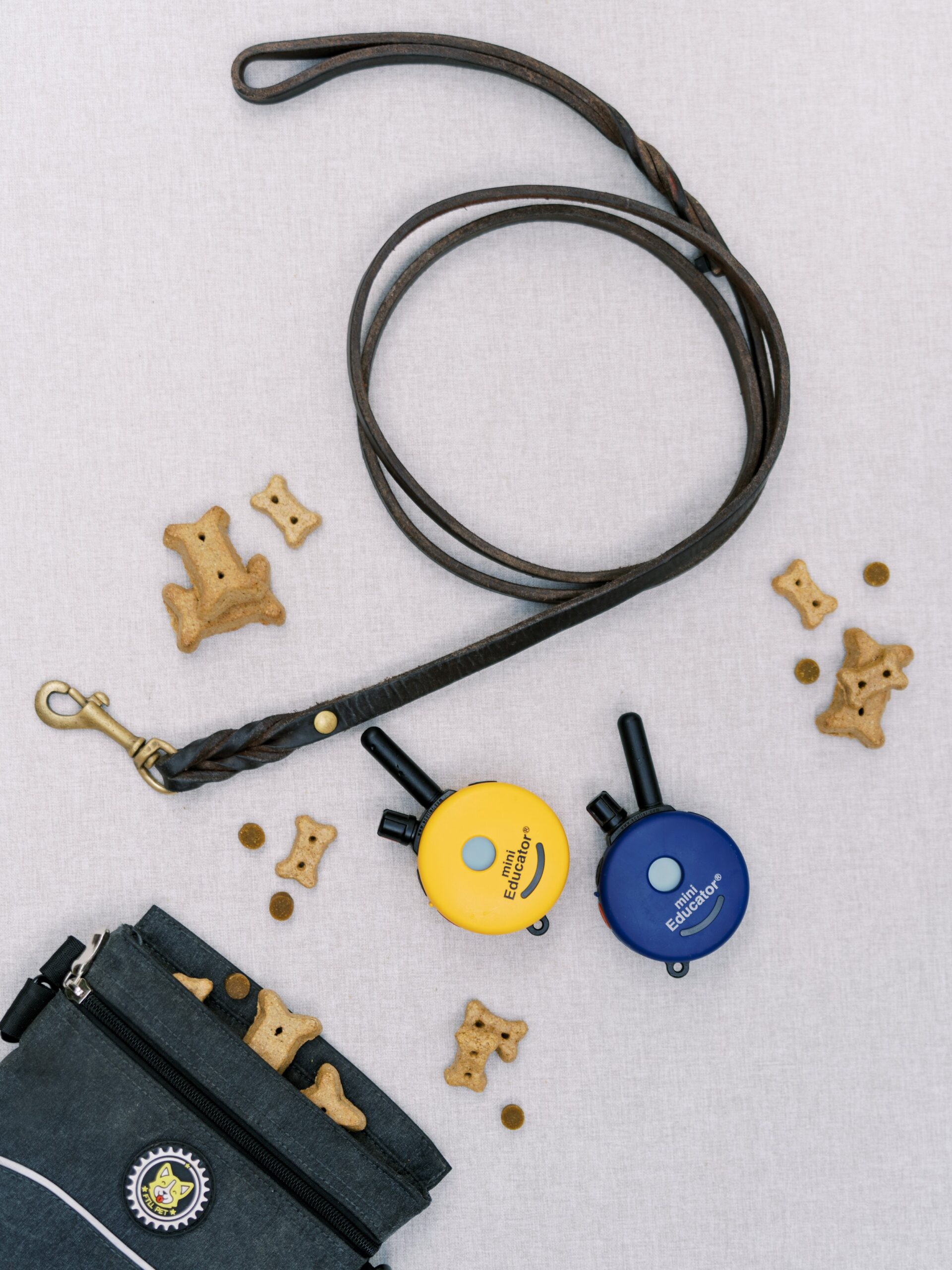
In off-leash dog training, tools should support communication, not replace it. When used correctly, modern e-collars can help reinforce known behaviors at a distance, especially during recall and real-world proofing. The goal is clarity, not control, and tools should always match the dog’s understanding and emotional state.
Educational resources like E-Collar Educator focus on proper conditioning, low-level use, and responsible handling, which aligns with our belief that tools are only effective when paired with solid obedience and thoughtful training.
Let’s Talk About What Your Dog Actually Needs
Off-leash dog training works best when it is done thoughtfully, with support and realistic expectations. Whether your dog needs a reset, stronger manners, or continued structure through obedience class, we are here to help.
Reach out when you are ready. Ask questions. Start with a conversation, not pressure. Setting your dog up for success is always worth it.