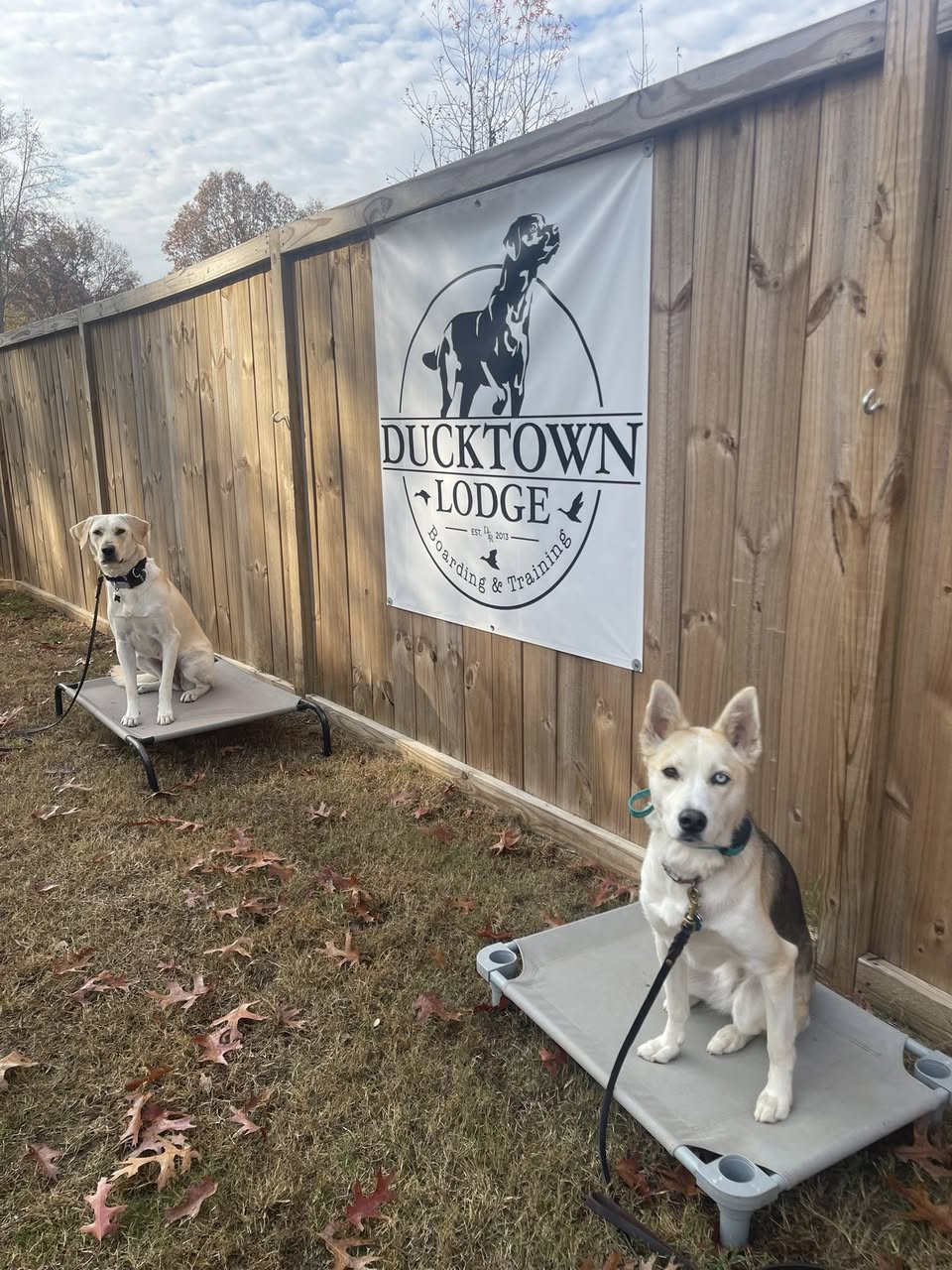
Dog training after graduation depends on consistency. Learn how structure at home helps dogs stay calm, reliable, and confident long term. One of the most satisfying parts of our work at Ducktown Lodge is handing over a dog who truly understands their commands.
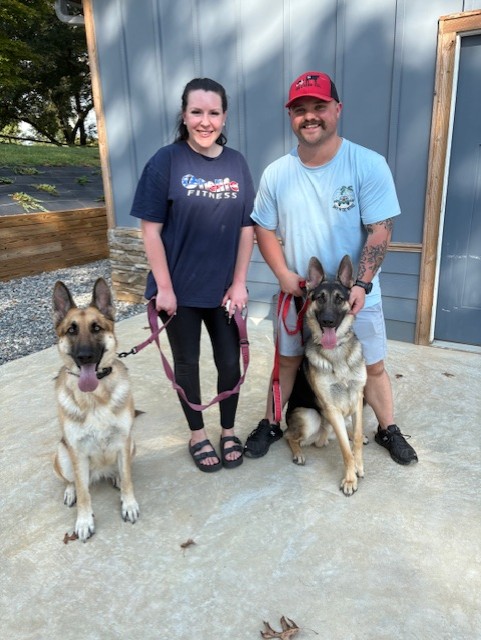
Effective dog training doesn’t depend on intensity or perfection — it depends on consistency applied day after day.
Why Consistency Is the Foundation of Reliable Dog Training
Dogs learn through patterns. They don’t rely on intention or memory the way humans do. Instead, they pay attention to what happens repeatedly and predictably.
Consistency & daily structure builds reliability by removing guesswork. This focus on routine and predictability is also echoed by organizations we work closely with, including the Atlanta Humane Society, which emphasizes how consistent daily structure supports calmer, more reliable behavior in dogs.
When expectations stay the same, dogs respond faster, stress stays lower, confidence grows, and behavior becomes dependable. On the other hand, when expectations change from day to day, dogs don’t become stubborn — they become uncertain.
This applies to all dogs, but it’s especially true for high-drive dogs who need clear structure to stay regulated.
What Dog Training Graduation Really Means
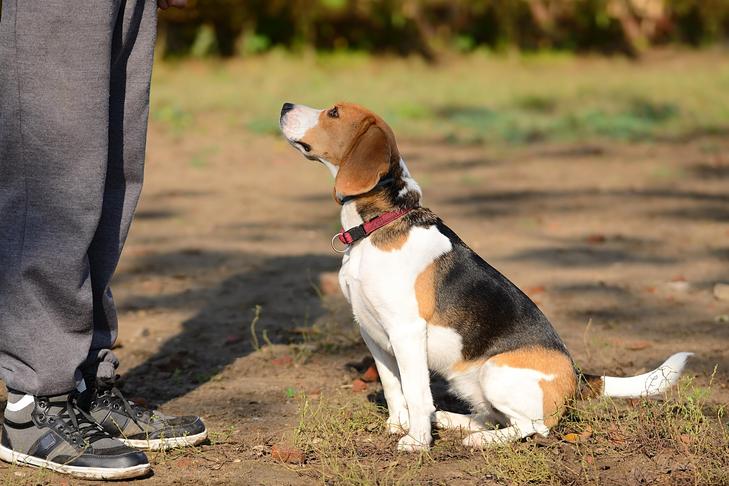
Graduation doesn’t mean your dog is “done.” It means your dog has a foundation.
At Ducktown Lodge, dogs leave training with clear command understanding, improved impulse control, consistent routines, and a structured framework they can rely on. What graduation does not mean is that dogs automatically apply those skills everywhere without guidance.
Dogs don’t naturally generalize obedience across environments. That part happens through consistent handling at home.
Without follow-through, even advanced obedience can fade.
Why Owners Struggle With Consistency After Dog Training
Most owners don’t struggle because they don’t care. They struggle because real life is unpredictable.
Busy work schedules, multiple family members handling the dog differently, emotional decision-making, and rushing for freedom because a dog “looks good” all play a role. While understandable, these shifts matter.
Dogs don’t need perfection. They need predictability.
At Ducktown Lodge, we raise and train high-drive dogs. We also deeply respect working-dog training principles for a simple reason: dogs thrive when they have a job.
High-Drive Dog Training Requires Consistent Structure
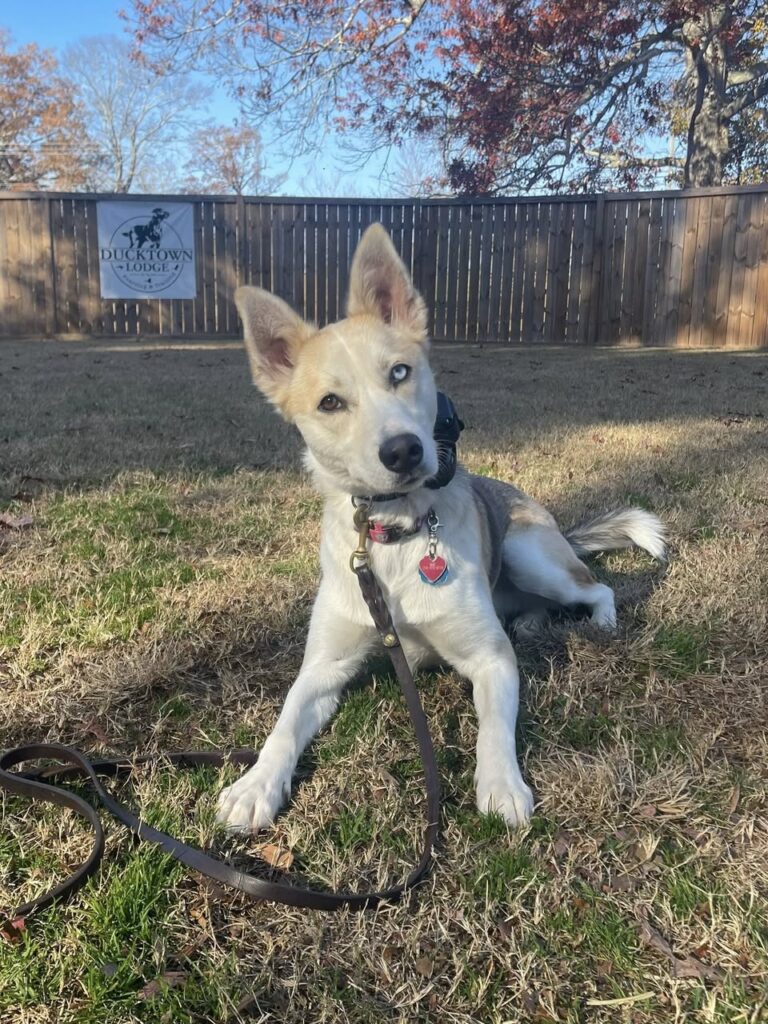
High-drive dogs don’t need chaos or constant stimulation. Instead, they need purpose, boundaries, and clarity. Consistency gives them a clear role, a predictable framework, and emotional regulation.
This principle is widely recognized in working dog circles, where reliability is built through repetition and structure, not intensity, as outlined in Working Dog Magazine’s discussion on how consistency builds reliability.
When structure disappears, drive doesn’t. It often turns into frustration, restlessness, or behavioral issues.
This is why working-dog professionals emphasize reliability through repetition and structure, not intensity. As Working Dog Magazine explains, consistency is what turns training into dependable behavior.
The Difference Between Practicing Commands and Living Them
One of the biggest misunderstandings after graduation is thinking training is something you “do” once a day.
In reality, training is something dogs live with.
Consistency shows up in how doors are handled, how leash rules stay the same, how boundaries are enforced, and how follow-through happens calmly. These daily moments matter more than formal sessions
Five Ways to Build Reliability After Training Graduation
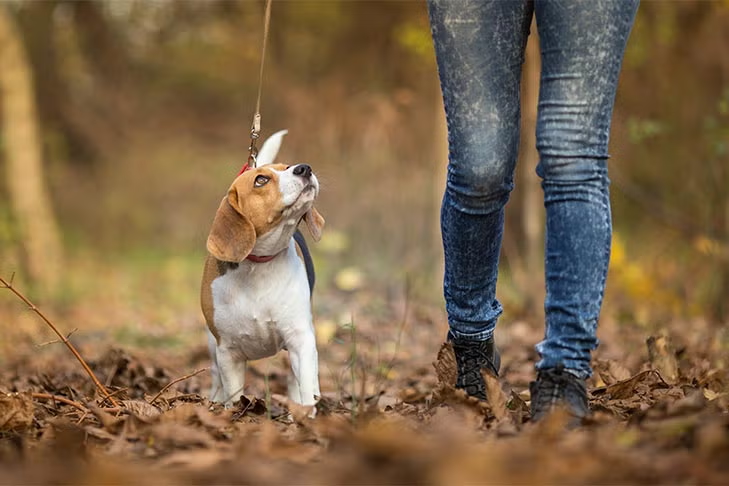
After dog training graduation, reliability is built through daily structure, not occasional practice. We agree with other trainers that one of the biggest causes of post-training setbacks is rushing freedom before reliability is truly there, a philosophy echoed in this perspective on avoiding post-training burnout from A Peaceful Pack.
“One of the most common mistakes we see is adding too many distractions too fast. It’s tempting to head straight out the front door and walk down the neighborhood street, but believe it or not, that often sets training back instead of moving it forward. Instead, start slow and be intentional. The backyard, with minimal distractions, is often the best place to begin. That’s where dogs can focus, succeed, and build confidence before the environment gets louder. At the same time, reduce unnecessary stimulation. For example, asking a dog to work while kids are running around or activity is high makes learning harder, not better. Remember, owners need practice just as much as dogs do. When stimulation increases too quickly, we’re not strengthening training — we’re accidentally creating confusion. Because of that, reliability slips before it ever has a chance to grow.“
So move slowly. Be smart about the environment. When structure comes first, reliability follows.
1. Keep Expectations the Same Everywhere
First and foremost, rules shouldn’t change just because the environment does. If a behavior matters at home, it matters on walks and around visitors. Consistency across environments teaches reliability.
2. Choose Short, Successful Practice Over Long Sessions
Long sessions often lead to frustration. Instead, focus on brief reps that end on success. Over time, consistency beats intensity every time.
3. Don’t Rush Freedom After Graduation
One of the biggest mistakes we see is moving too quickly toward freedom. Off-leash work isn’t a reward for time passed — it’s the result of reliability.
Dogs earn freedom when responses are consistent, behavior stays calm around distractions, and regression signals are absent.
4. Add Distractions Gradually and Intentionally
Distraction is the final layer of training, not the starting point. Add one variable at a time and watch your dog’s feedback closely. If responses slow, simplify before pushing forward.
We agree with other trainers that rushing freedom before reliability is truly there is one of the biggest causes of post-training setbacks, a philosophy echoed in this perspective on avoiding post-training burnout from A Peaceful Pack.
5. Stay Engaged and Ask for Support Early
Finally, consistency doesn’t mean doing everything alone. Staying connected through follow-ups, classes, or check-ins allows small adjustments to happen early, before confusion builds.
Why Moving Too Fast Is One of the Biggest Training Mistakes
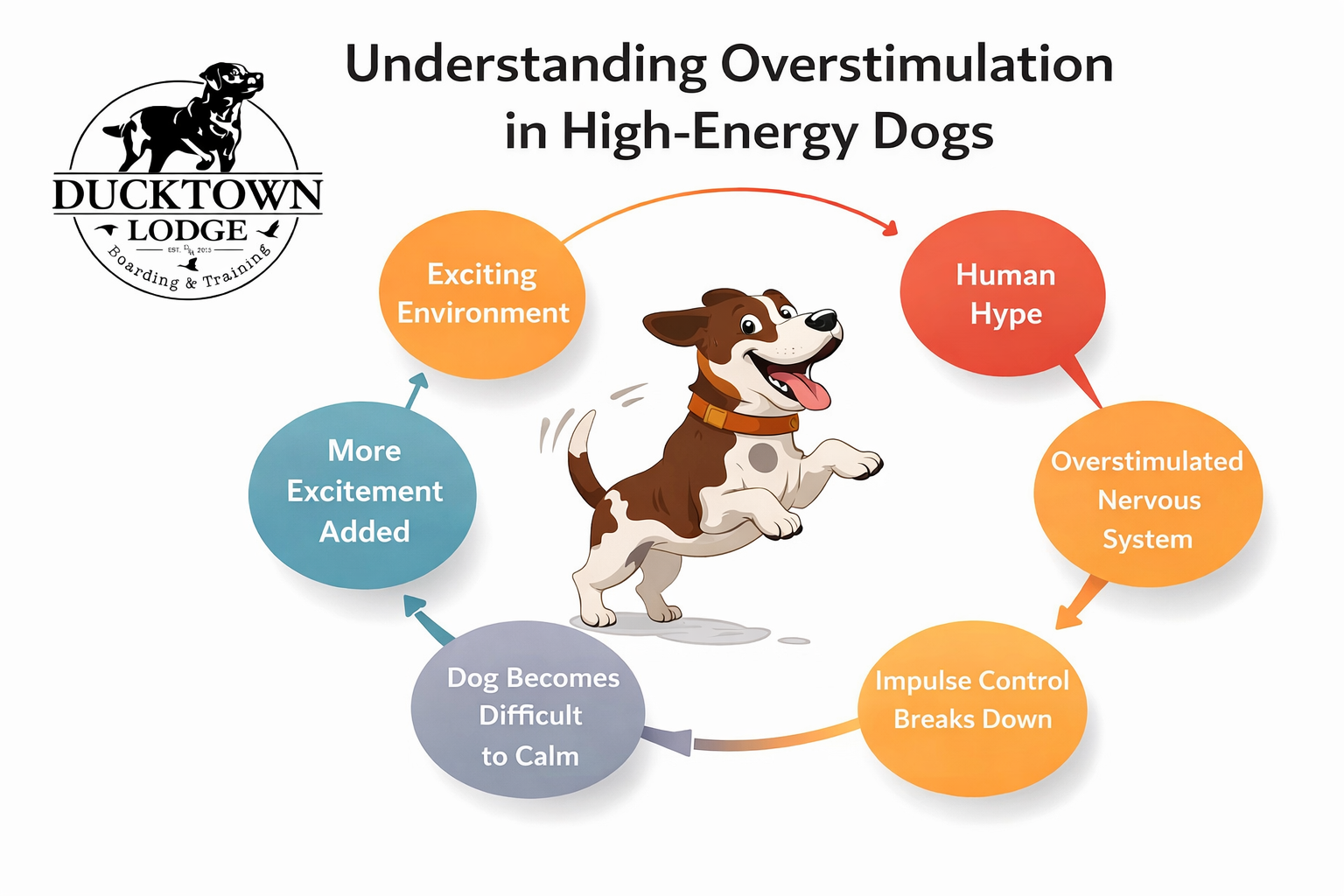
Many dog shelters and rescues we work closely with see the same pattern: dogs struggle not because they aren’t trained, but because transitions happen too quickly.
When dogs are exposed to too much, too soon, the nervous system can quickly become overloaded. As a result, instead of learning, many dogs shift into coping behaviors such as pulling, ignoring cues, pacing, or shutting down. In those moments, what looks like disobedience is often overstimulation. Because of this, clarity starts to fade, and reliability can unravel even after solid training. That’s why slowing down and protecting structure is critical during transitions.
Moving too fast often leads to anxiety, boundary testing, regression, and unnecessary behavioral issues. That’s why slowing down after major transitions is so important.
What Long-Term Success Actually Looks Like
Success after training doesn’t look flashy.
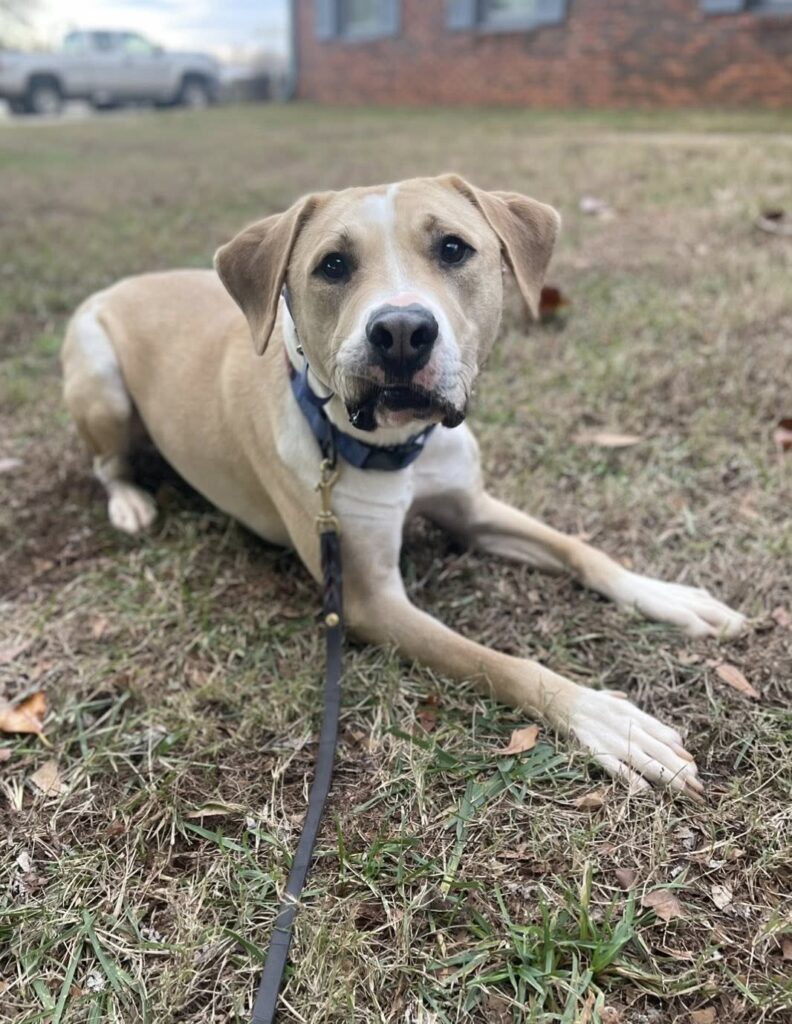
It looks like calm responses, predictable behavior, faster recovery after mistakes, and owners who stay steady. Dogs like Paddington — one of our many successful graduates — remind us that when structure stays in place, training holds.
Not because of pressure, but because of clarity.
How Ducktown Lodge Trains: Why Consistency Is the Cornerstone
t Ducktown Lodge, dog training is built on predictable structure, clear communication, and long-term consistency. They learn through clear patterns, predictable feedback, and steady follow-through.
That’s why our training program is built around a repeatable structure. The same cues. The same expectations. The same timing. Over time, that consistency creates confidence, lowers stress, and builds real reliability.
What Consistency Looks Like in Our Training Program
Consistency shows up in how we communicate, reinforce, and structure a dog’s daily experience. From basic obedience to advanced work, dogs are guided using clear, repeatable cues they can trust.
Feedback is timely and predictable, helping dogs connect their actions to outcomes without confusion. Reinforcement is calm and consistent, reducing pressure during learning.
Just as importantly, structure creates a low-stress learning environment. Dogs don’t have to guess what’s expected, which allows them to stay regulated and confident.
Why We Value Tools That Support Consistency at Home
While nothing replaces hands-on training, we recognize the value of tools that help owners maintain consistency outside of structured sessions. Systems like PupStation reflect the same principles we rely on: clear cues, real-time feedback, and predictable routines.
When used thoughtfully, tools like this can support — not replace — consistent training, especially when life gets busy.
Consistency Builds Confidence, Not Just Obedience
When training stays consistent, dogs don’t just behave better — they live better. They understand boundaries, trust their environment, and move through daily life with less anxiety.
Over time, consistency strengthens the human–animal bond. Dogs learn that communication is clear and leadership is steady. When structure holds, training doesn’t just work — it lasts.
A Final Word
Training doesn’t end at graduation — it deepens. If you’re navigating life after training and want support keeping structure in place, we’re always here for a conversation. No pressure. Just clarity and guidance when you need it.