Why we care so much about treats in dog training
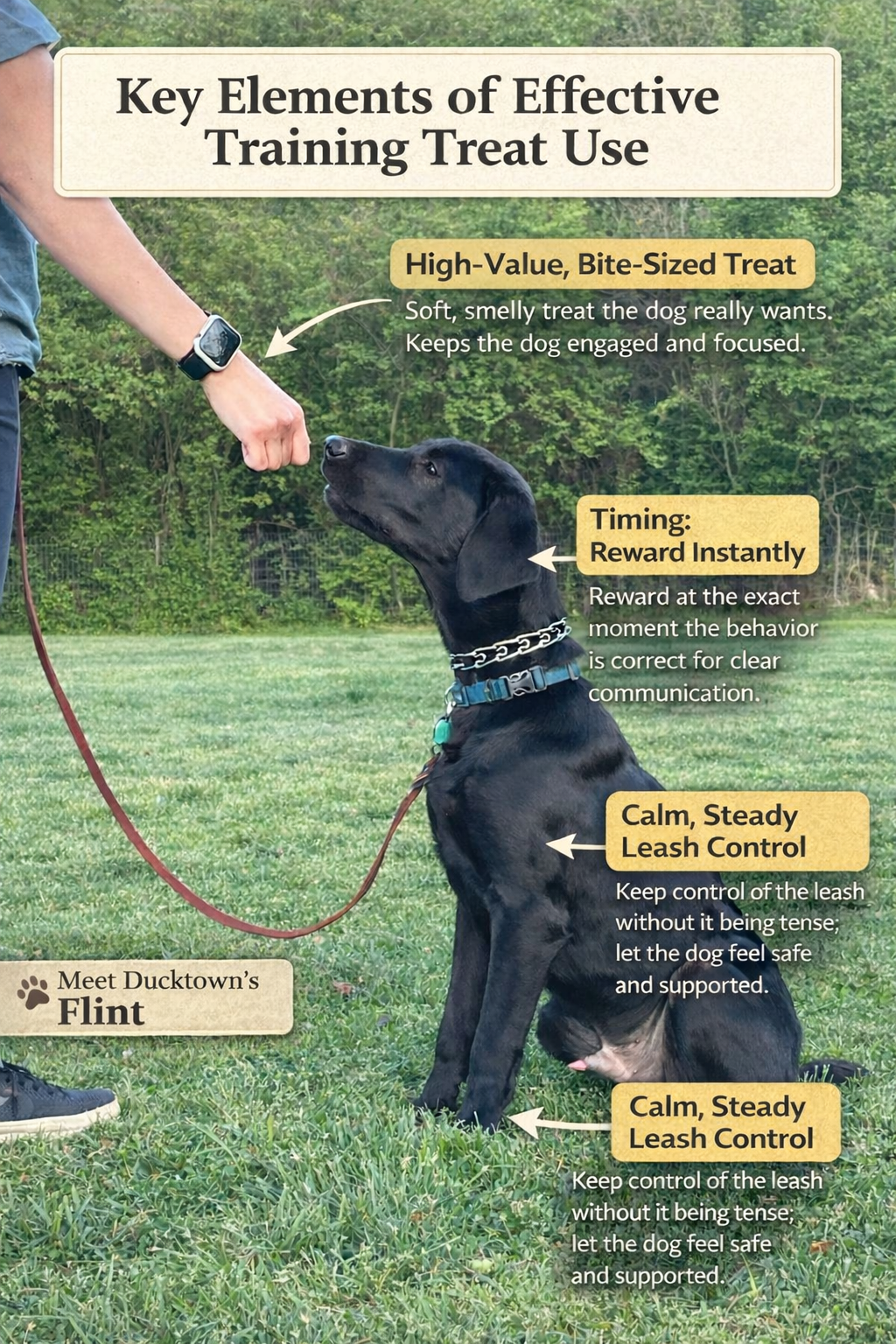
At Ducktown Lodge, we talk about dog treats for training a lot. Not because snacks are fun or trendy, but because the right reward can change how a dog feels about learning. Treats are information. They tell a dog that the choice worked, you are safe, and I am paying attention. When we choose high-value dog treats for training on purpose, training becomes clearer, calmer, and fairer for the dog.
High-value dog treats for training are rewards your dog truly wants. They increase focus, speed learning, and lower frustration. Use them for new skills or distractions, then fade to lower value treats as behaviors become reliable. This keeps training clear and enjoyable for both of you.
Using high-value dog treats for training helps dogs stay focused, even in distracting environments.
Why Treats Matter More Than Most People Think in Dog Training
Most people think treats are just a way to get a dog to comply. Sit equals cookie. No cookie equals no sit. That idea misses what is really happening during good training. Treats are feedback. They tell your dog that the choice worked and that you are safe doing it again.
When rewards are clear and meaningful, dogs learn faster and with less frustration. When rewards are weak or inconsistent, dogs hesitate, disengage, or start guessing. That is not disobedience. It is confusing.
At Ducktown Lodge, we talk about dog treats for training a lot. Not because snacks are fun or trendy, but because the right reward can change how a dog feels about learning. Treats are information. They tell a dog that the choice worked, you are safe, and I am paying attention. When we choose high-value dog treats for training on purpose, training becomes clearer, calmer, and fairer for the dog.
High-value dog treats for training are rewards your dog truly wants. They increase focus, speed learning, and lower frustration. Use them for new skills or distractions, then fade to lower value treats as behaviors become reliable. This keeps training clear and enjoyable for both of you.
Bribery happens before the behavior. Training rewards happen after.
When you ask a dog to do something and reward the moment they succeed, you are marking information. Animal Behavior College explains that dogs respond better and learn faster when the reward actually matters to them, especially during new or challenging behaviors.
What treats communicate when used correctly:
- That choice was right and worth repeating
- You are safe trying, even if it is new
- I am paying attention and consistent
That clarity builds confidence, not dependence.
Motivation Changes Learning Speed
A dog who looks stubborn is often just under-motivated.
Animal Behavior College points out that dogs will work harder and stay engaged longer for small amounts of high-value food than for larger amounts of low value treats. This matters when distractions increase or when the behavior is brand new.
High-value treats help when:
- You are teaching a skill your dog has never done before
- You are training in a new place or around distractions
- Your dog feels unsure, cautious, or overwhelmed
Better rewards do not spoil dogs. They make learning clearer.
High-Value Treats and Emotional Safety
Training should not feel like pressure. It should feel doable.
When a dog knows the reward is worth the effort, they are more willing to try. That lowers stress and prevents shutdown. High value rewards help dogs stay regulated and engaged instead of frustrated or avoidant.
This is especially important for puppies, sensitive dogs, and dogs rebuilding confidence.
What Makes a Treat High Value to a Dog
High value is not a marketing term. It is a relationship between your dog and the reward. One dog might work happily for kibble. Another could not care less. The dog decides.
When You Need to Kick Training Up a Notch
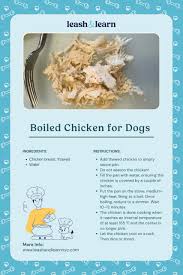
Sometimes regular dog treats for training just don’t cut it. Group classes, busy environments, or working around other dogs can overwhelm even motivated pups. That’s where plain boiled chicken can be a game changer.
Boiled chicken is soft, smelly, and incredibly high value for most dogs. It cuts through distractions and helps your dog stay checked in when the environment gets harder. We often recommend it when owners are stepping into group classes or asking for focus in more challenging situations.
If you want to try it, keep it simple. No seasoning. No additives. Just clean protein your dog can digest easily. This guide walks through an easy, dog-safe method for preparing it:
Value Is Defined by the Dog, Not the label.
Many bags say training treat, but that does not mean your dog agrees.
Animal Behavior College explains that dogs learn best when the reward clearly outweighs the effort, especially when learning new behaviors or facing challenging situations.
Watch your dog:
- Do they light up when they smell it
- Do they take it quickly
- Do they stay engaged
If not, the value is not high enough for that moment.
Smell, Texture, and Novelty Matter
Dogs experience food through smell first. Strong-smelling treats usually win.
The American Kennel Club notes that soft, aromatic treats help keep training sessions moving and focused.
High-value treats are often:
- Strong smelling
- Soft and fast to eat
- Different from everyday food
Hard biscuits slow learning and interrupt momentum.
When High Value Treats Are Essential
You do not need top tier rewards all the time. But they matter most when:
- Teaching brand new behaviors
- Training in distracting environments
- Working through fear or uncertainty
Using better rewards here is not spoiling. It is fair.
High-Value Dog Treats That Work Well for Training
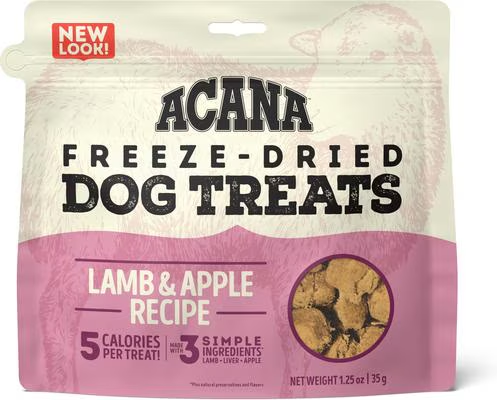
The best training treats are easy to eat, motivating, and practical.
Freeze-Dried Meat Treats
Freeze-dried proteins are a favorite for a reason. Strong smell. Simple ingredients. High motivation.
The Spruce Pets lists freeze-dried meats like chicken, beef, lamb, and salmon among the most effective training rewards.
Why they work:
- Very high value
- Easy to break into small pieces
- Often single ingredient
Soft Commercial Training Treats
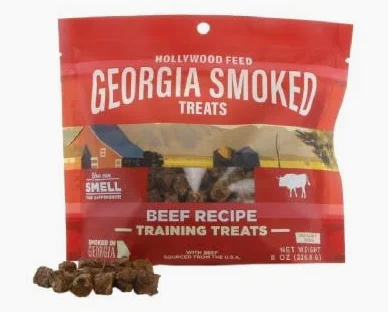
Soft training treats are designed for repetition.
The American Kennel Club recommends soft treats because dogs can swallow them quickly and stay engaged.
Look for:
- Soft texture
- Low calories per piece
- Simple ingredients
Treats to Avoid During Training
Avoid:
- Hard biscuits
- Large treats
- Long-lasting chews
If chewing interrupts learning, the moment is gone.
Everyday Treats vs Training Treats
Not every behavior deserves the same reward.
Use:
- Low-value treats for known behaviors
- Medium value treats for practice
- High-value treats for new or hard work
Preventing Treat Burnout
PetMD recommends rotating rewards to maintain interest.
Rotation keeps training fresh and effective.
Best Dog Treats for Puppy Training
Puppies are learning everything at once. Rewards matter even more.
When Dog Treats for Training Need to Be Higher Value
The American Kennel Club recommends soft, highly palatable treats for puppies during short training sessions.
High-value treats help puppies:
- Stay engaged
- Build confidence
- Learn without frustration
Treat Size, Frequency, and Calories
Best practices:
- Pea-sized or smaller
- Soft texture
- Adjust meals on training days
Early Habits That Matter Later
Treats do not create dependency. They create understanding. Food fades naturally as clarity grows.
Common Mistakes Dog Owners Make With Training Treats
- Using rewards that are not motivating
- Rewarding too late
- Expecting progress without adjusting value
Better rewards are not shortcuts. They are clarity.
How We Think About Treats and Training at Ducktown Lodge
At Ducktown Lodge, treats are communication tools.
We focus on:
- Emotional safety
- Fair motivation
- Clear communication
Training should feel good for the dog.
What Life Looks Like When Training Clicks
Dogs engage. Owners feel confident. The relationship improves.
High-value treats create clarity first. Understanding lasts long after the food fades.
Let’s Make Training Feel Easier
If you have ever felt unsure about treats or training, you are not alone. At Ducktown Lodge, we help dogs and owners find clarity together. No pressure. No judgment. Just calm, steady guidance that works in real life.
Start with a conversation. We are here when you are ready.