Choosing the Right Place Matters More Than You Think
Dog boarding is more than finding a place for your dog to sleep. It’s choosing who sets the rhythm of their day, notices the small changes, and provides consistency when you’re not there. The questions you ask before you book shape how safe, settled, and supported your dog will feel during their stay.
Before booking dog boarding, ask clear questions about care, environment, and communication. The right answers show whether a facility prioritizes calm, consistency, and individual attention or simply manages dogs at scale. These questions help owners choose boutique-style dog boarding with confidence.
What These Questions Will Help You See
These questions are not about being picky. They are about clarity. They help you look past polished websites and see how care actually works behind the scenes. The right answers should make you feel grounded and relieved. Not rushed. Not pressured. Just clear.
Why Asking the Right Questions Matters More Than the Price
Boarding Isn’t Just a Place. It’s a Daily Experience
Choosing Dog Boarding Is More Than Finding an Open Spot – It is a full routine. How dogs are housed. Who handles them? How often do they go outside? Whether they are overstimulated or allowed to rest. These details shape how a dog feels the entire stay and how they come home to you.
Many issues do not show up until after pickup. Skipped meals. Heightened anxiety. Trouble settling back into home routines. Asking thoughtful questions upfront helps prevent those outcomes.
Trust Is Built Before Drop Off
A boarding facility that welcomes questions is showing you how they operate. If your questions feel brushed off or rushed, that tells you something important. Transparency is not a feature. It is a baseline.
Question 1: How Many Dogs Are You Caring for at One Time?
Why Volume Changes Everything
We chose to stay small on purpose. Dog boarding changes the moment volume increases. More dogs mean more movement, more noise, and more energy in the space. And more energy, even when it’s positive, creates tension and stress for many dogs.
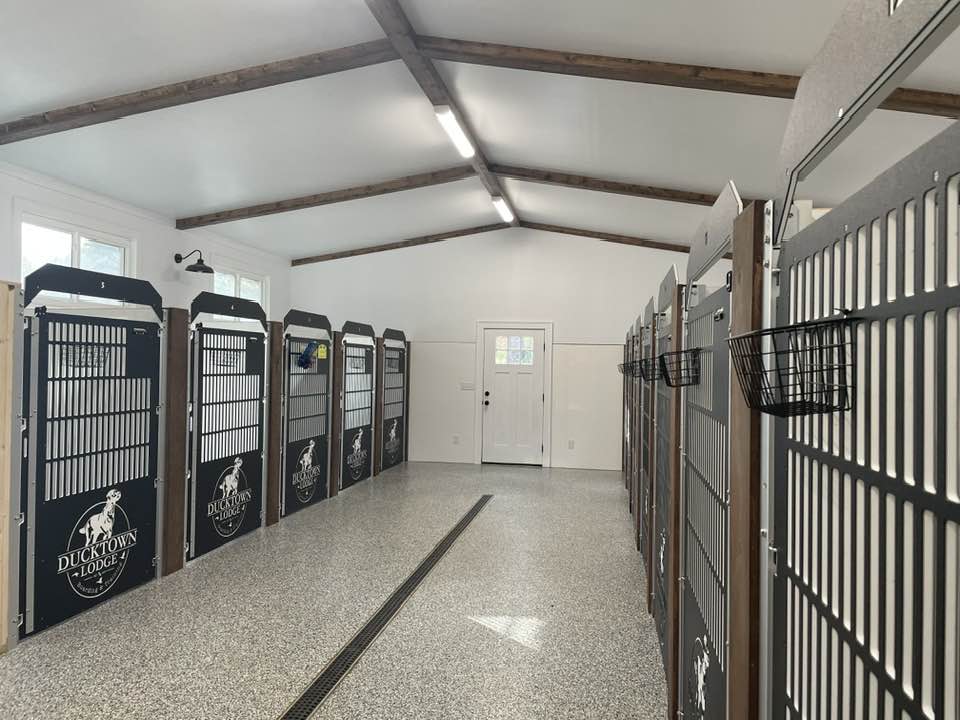
At Ducktown Lodge, we limit boarding to just 12 suites because it allows us to stay present and intentional. Fewer dogs mean we can truly supervise, notice patterns, and respond to what each dog needs instead of managing a crowd. It also keeps the environment calm, predictable, and easier for dogs to settle into.
High-volume facilities often rely on efficiency to keep things moving. That approach works for some dogs. Many others struggle quietly. They stop eating as well, have trouble resting, or stay in a constant state of alert. By keeping numbers low, we reduce noise, lower emotional load, and create space for individual attention.
For us, it’s a no-brainer. When dogs feel calmer, everything improves. They rest better. They move through their day more easily. And they go home feeling more like themselves.
Boutique-style dog boarding is built on intention, not capacity. Fewer dogs mean more presence. More observation. More flexibility.
What to Listen for in the Answer
Pay attention to whether you get a clear number or a vague explanation. Phrases like “we handle a lot” or “it depends” can hide very busy days. Clear limits usually signal thoughtful care.
Question 2: Who Will Be Caring for My Dog Each Day?
Consistency Is Emotional Safety
Sara and I made consistency one of our top priorities from the very beginning. There’s no staff turnover here. The same people meet the same dogs, day after day, visit after visit. Over time, many of our guests become familiar faces we truly adore, not just bookings on a calendar.
That consistency matters to dogs. When they see the same people each day, they settle faster. They know who’s opening the door, who’s taking them outside, and who’s paying attention to the little things. Rotating staff can be confusing, especially for sensitive or observant dogs. Familiar faces help dogs eat better, rest more deeply, and relax into a steady routine that feels safe.
Signs of Real Accountability
Ask if there is a main caregiver who knows your dog. One point of contact creates clarity for everyone. When care is shared across many people, details can slip. Names matter. Familiarity matters.
Question 3: Where Will My Dog Sleep and Rest?
Private Space Versus Constant Stimulation
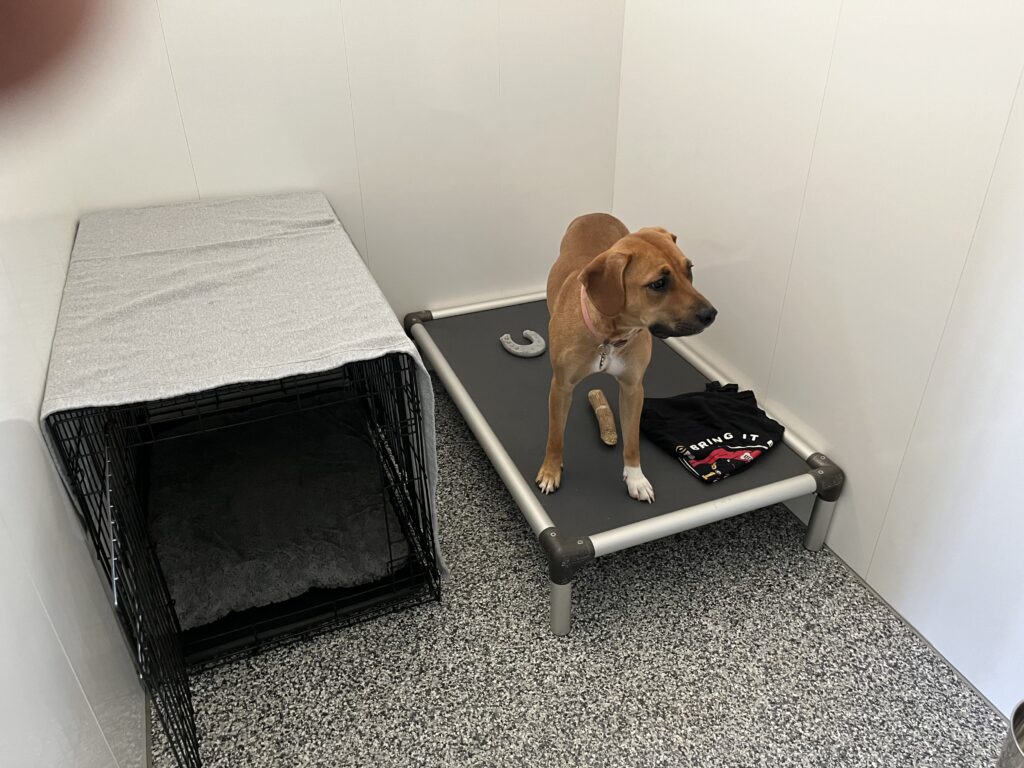
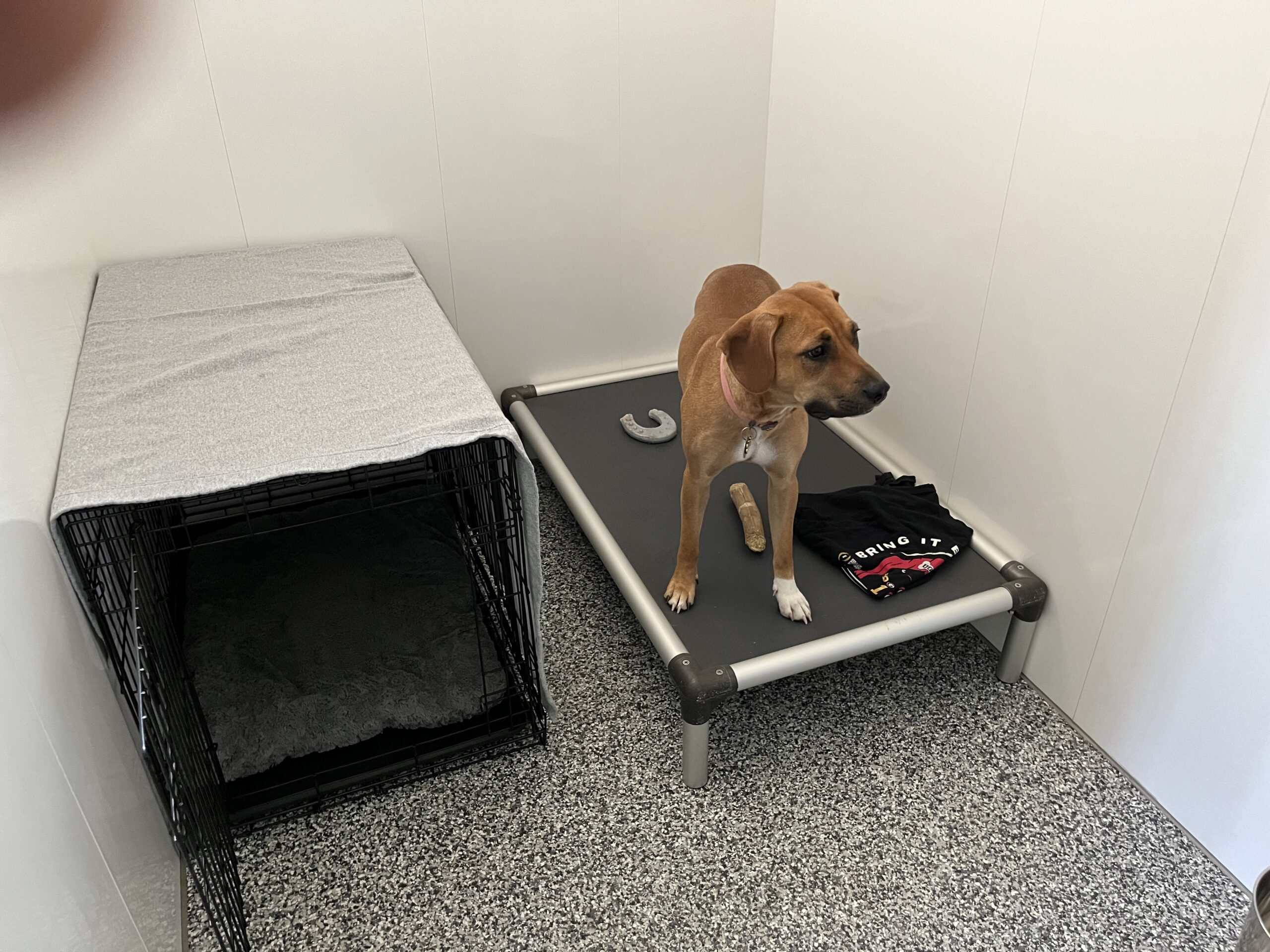
Our 5 x 6 private suites are designed to feel more like a quiet hotel room than a kennel. Each suite is outfitted with top-of-the-line Gator Gates, giving dogs both privacy and airflow while reducing visual stimulation. The result is a calm, secure space where each dog can truly settle and feel comfortable.
Rest is one of the most overlooked parts of dog boarding, yet it’s one of the most important. Dogs need a place where they can fully disengage between activities. Constant noise, movement, and visual exposure keep nervous systems elevated and make it hard for dogs to relax.
That’s why our approach to boutique-style dog boarding prioritizes private suites and a low-key atmosphere. Dogs aren’t surrounded by constant activity. They have space to rest, decompress, and reset between outings. Because we cater to each dog individually, their suite becomes a place of comfort, not confinement. A quiet place to relax, recharge, and feel at ease throughout their stay.
That word covers a wide range of setups. Do not hesitate to ask to see the sleeping areas. A facility that values rest will be comfortable showing you where dogs spend their downtime.
Question 4: What Does a Typical Day Actually Look Like?
Routines Tell the Real Story
A typical day at Ducktown Lodge is calm, structured, and intentionally unhurried. Dogs do best when they know what to expect, so we follow steady routines that balance activity, enrichment, and real rest. Nothing here is chaotic or constant. The goal is for dogs to feel settled, not worn out.
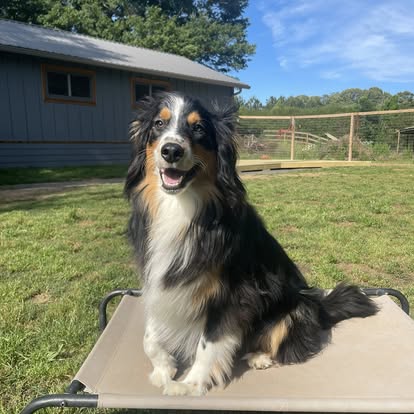
Each dog has several scheduled outdoor outings throughout the day, always one-on-one and never unattended. Some dogs want to move and play. Others prefer to explore their surroundings, take in new smells, or simply enjoy being outside at a relaxed pace. We adjust each outing to the dog in front of us, not a preset program.
Environmental exposure is part of daily life here, but it’s done thoughtfully. Dogs experience normal sights, sounds, and movement in a controlled, low-stress way. This helps build confidence without overwhelming them. After outdoor time, dogs return to their own private suite to rest and decompress. Quiet time matters just as much as playtime.
Because each dog has a private suite, they can fully relax between activities. There’s no constant noise, no visual overload, and no pressure to stay “on” all day. Rest is respected. That balance of movement, mental engagement, and downtime is what allows dogs to settle into the rhythm of their stay and often go home calmer than when they arrived.
Outdoor Time That Fits the Dog
Outdoor time should be supervised and tailored. Some dogs want to move. Others want to sniff or sit quietly. One-size schedules rarely serve every dog well.
Question 5: How Do You Handle Dogs Who Don’t Love Group Play?
Not Every Dog Is Social in the Same Way
Some dogs enjoy being around other dogs. Others don’t. And many simply do better with quiet, individual attention. None of that makes a dog difficult. It just means they have preferences, limits, and their own way of feeling safe.
At Ducktown Lodge, dog boarding is built around one-on-one care, not daycare or group play. Dogs spend time outside individually, never unattended, with several structured outings each day. Play, movement, and rest are all guided by the dog in front of us, not by a shared schedule or group dynamic. That individualized approach allows dogs to settle, decompress, and move through their day without pressure or overstimulation.
Language That Signals Respect
Listen closely to how this question is answered. Supportive facilities talk about options and flexibility. Dismissive answers often sound like dogs must adapt or fail.
Question 6: How Will I Know How My Dog Is Doing While I’m Away?
What Meaningful Updates Include
We offer the same hands-on approach that extends to our owners when it comes to communication. We stay in close communication with daily updates, so you’re never left wondering how your dog is doing. You know how they’re settling, what their day looks like, and how they’re feeling. It’s not just about caring for your dog while you’re away. It’s about keeping you connected, informed, and at ease the entire time.
Look for updates that mention behavior, mood, and adjustment. Generic photos tell less than honest observations. Real communication builds trust.
Question 7: Can I Visit and Meet You Before Booking?
Why Meet and Greets Matter
We require a meet-and-greet because first impressions matter to dogs just as much as they do to people. Our approach is intentionally low-key and low-stress. Before any stay, each dog has time to visit the lodge, walk the space, and meet Sara and Lucinda in a calm, unhurried way. There’s no pressure and no expectations. It’s simply a chance to get familiar.
That visit allows your dog to recognize us before the initial drop-off, which makes a real difference in how they settle once they stay. And it gives you the chance to see the environment, feel the pace of the place, and ask questions face to face. We believe boarding works best when everyone arrives already feeling comfortable. The meet-and-greet isn’t a formality. It’s the first step in creating a smooth, steady experience for your dog.
When No Visits Is a Red Flag
Policies that avoid tours or meetings often prioritize speed over alignment. Thoughtful boarding values fit. Not every dog belongs everywhere.
What the Answers Should Make You Feel
Relief Not Pressure
The right answers create ease. You should feel more confident, not more confused. If you feel rushed to commit or talked out of your concerns, pause.
Trusting Your Gut
If something feels off, it probably is. Asking questions is not overthinking. It is responsible care.
A Better Way to Choose Dog Boarding
Alignment Over Convenience
That consistency matters more than most people realize. Dogs don’t have to relearn who to trust every morning or adjust to different handling styles throughout the day. They know who is opening the door, who is taking them outside, and who is paying attention to the small details. Eating habits. Energy levels. Subtle signs of stress or comfort.
Without crowded playgroups or constant stimulation, dogs are able to settle. Rest becomes part of the day instead of something they have to fight for. Outdoor time is structured and supervised, paced to the individual dog rather than a checklist or clock. Some dogs want to move. Others want to sniff, stroll, or simply sit quietly in the grass. All of that is allowed here.
This is what boutique dog boarding looks like in practice. Fewer dogs. More presence. Clear routines. Familiar faces. Care that feels steady instead of rushed. For many dogs, that difference shows up quickly. They sleep better. They eat better. They come home calmer than they arrived.
It also changes how owners feel. When you know exactly who is caring for your dog and how their days are spent, the worry eases. Boarding stops feeling like a gamble and starts feeling like continuity. Not a handoff, but a trusted extension of home.
Boutique-style dog boarding focuses on continuity, not transactions.
When Boarding Feels Like Continuity
When routines feel familiar and care feels personal, dogs settle faster and return home steadier. That is not accidental. It is designed.
A Calm Start Makes All the Difference
Choosing dog boarding does not have to feel stressful. When you ask the right questions, the decision becomes clearer. You are not looking for perfection. You are looking for presence, consistency, and respect for your dog as an individual.
If you are searching for boutique-style dog boarding, start with a conversation. 770-733-0836