Helping a nervous dog build confidence doesn’t start with commands or corrections. It starts with creating a space where the dog feels safe enough to exhale.
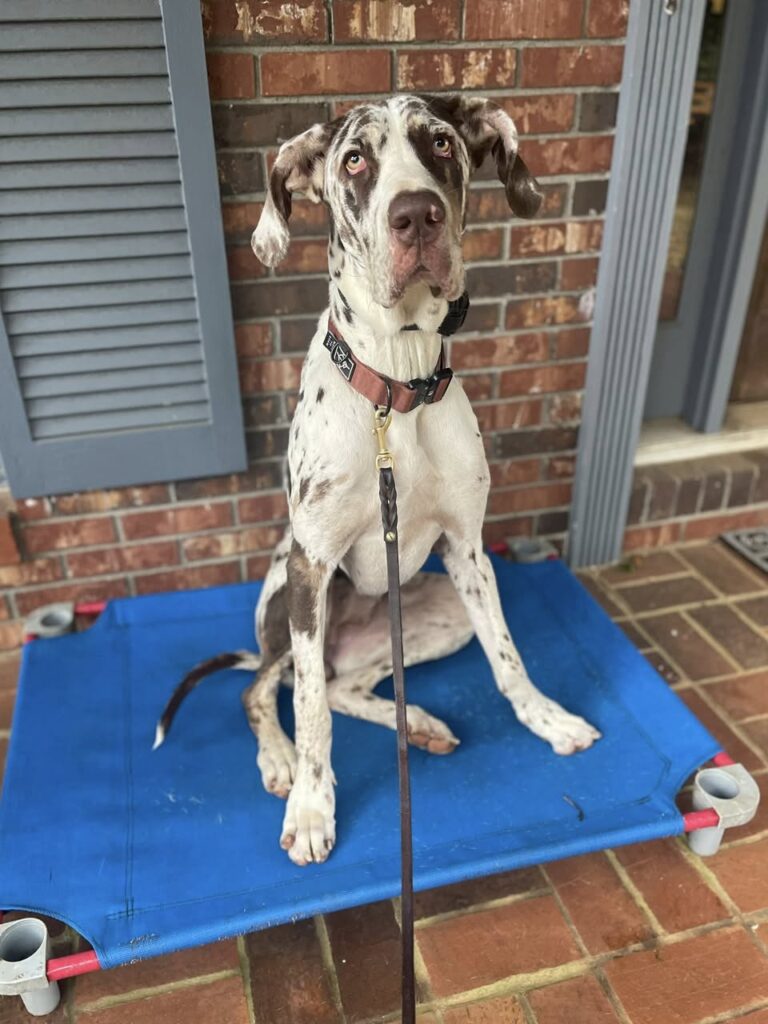
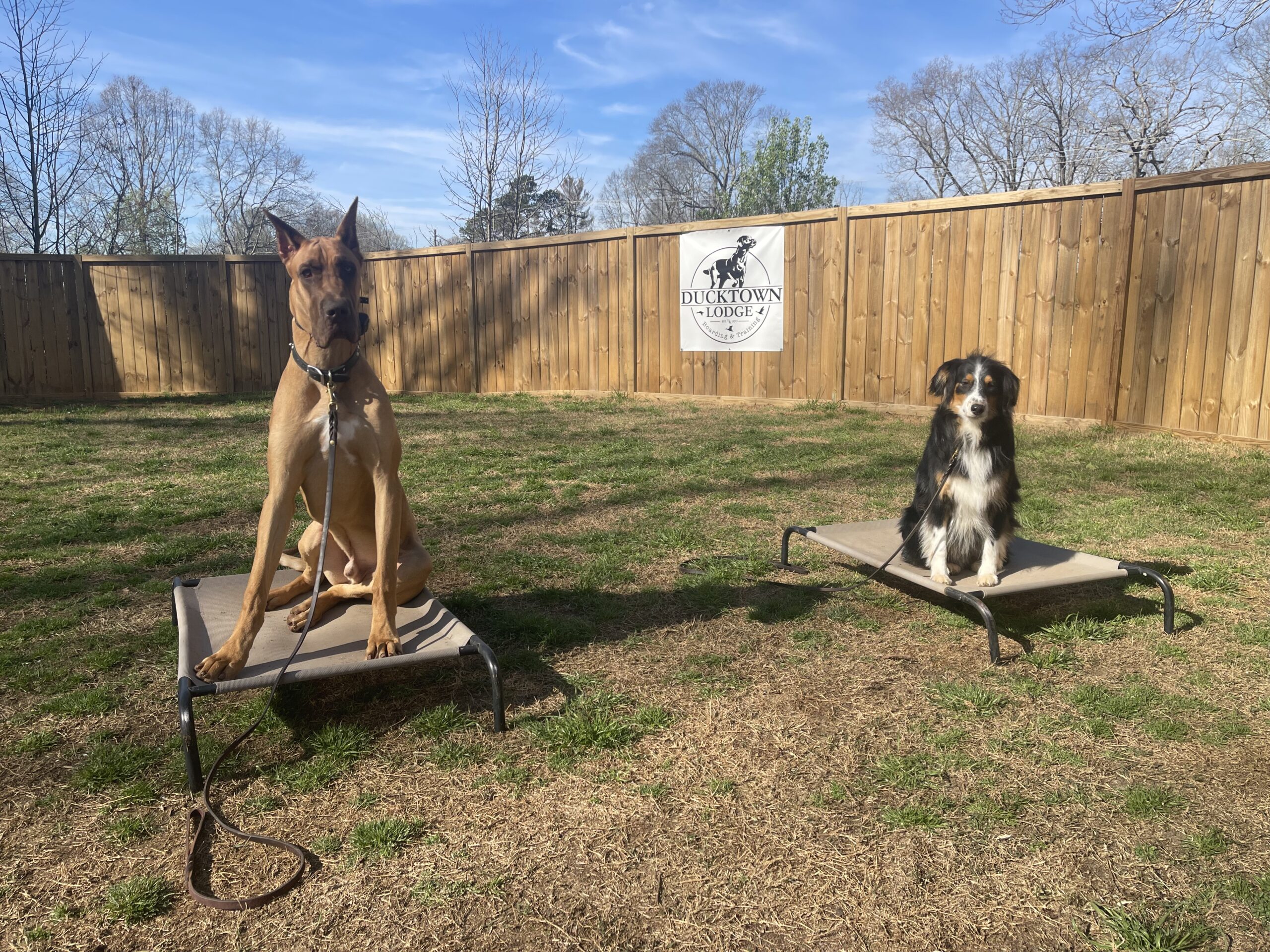
Meet Henley – She is the sweetest dog. She isn’t reactive or loud. She didn’t come in “misbehaving.”
She came in carefully, watching, thinking, trying to understand what was being asked of her before deciding whether it was safe to try.
Henley is a Great Dane, a breed often described as a “gentle giant.” And that part is true. She has a huge heart and a naturally soft, affectionate nature. But that same gentleness can also mean heightened sensitivity. For dogs like Henley, new situations, unfamiliar people, or unexpected objects can feel uncomfortable at first. She wasn’t unsure because she lacked intelligence or willingness — she was unsure because she felt the world deeply and needed time to trust it.
Helping a nervous dog build confidence doesn’t start with commands or corrections. It begins with creating a space where the dog feels safe enough to exhale. That’s where Henley’s story begins.
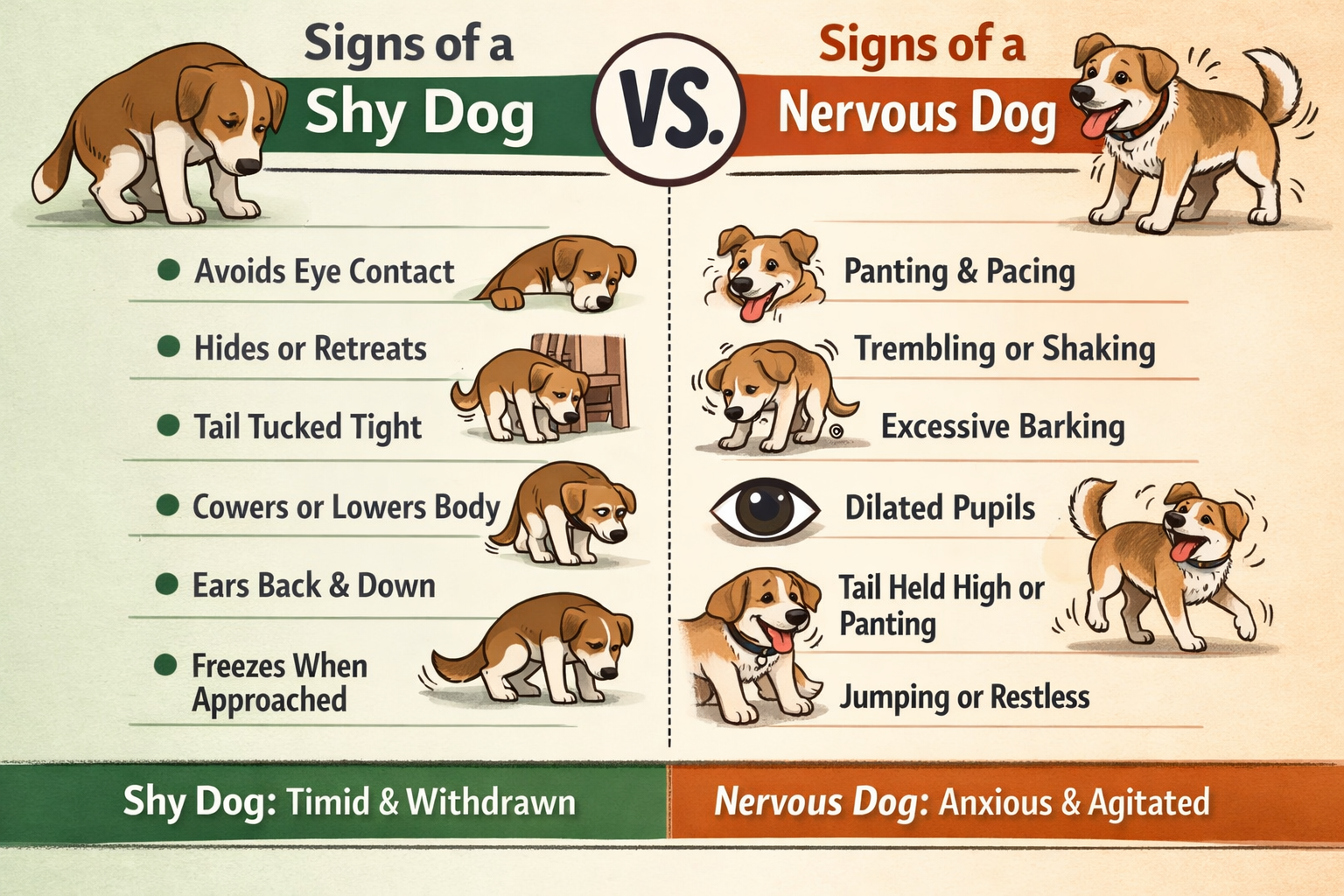
Signs of a Shy or Nervous Dog
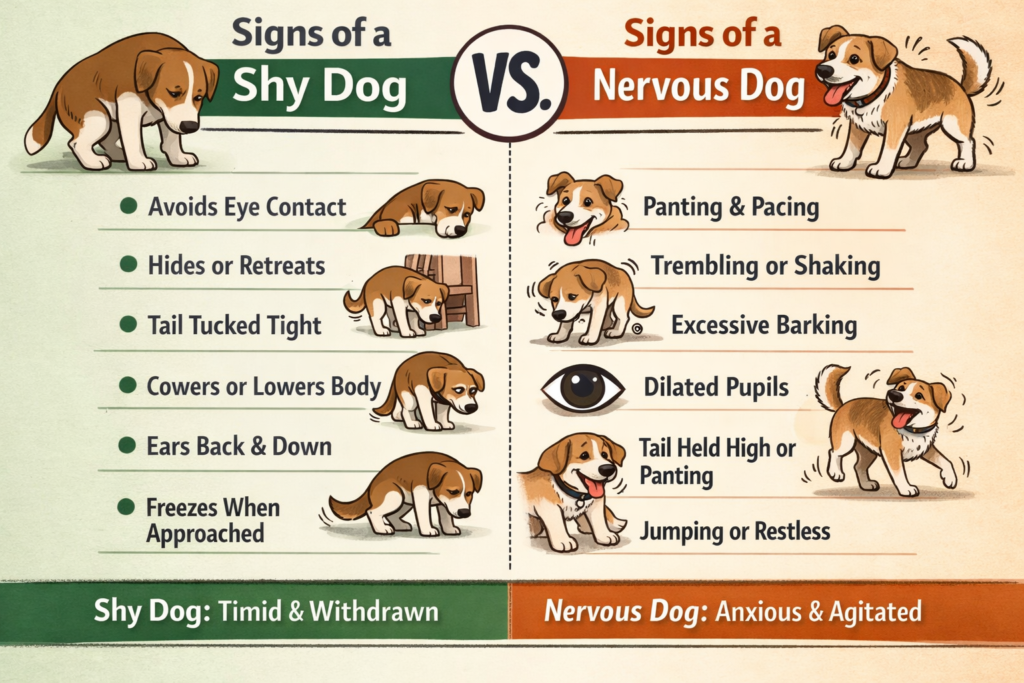
Some dogs move through the world with ease, greeting new people and situations without hesitation. Others experience the world more intensely. New environments, unfamiliar people, other dogs, or even everyday sounds can feel overwhelming.
When you’re living with a fearful or nervous dog, training can feel especially challenging. However, with patience, thoughtful support, and the right environment, these dogs can develop confidence and start to feel more secure in their own skin.
One of the most important things to understand is that fear interferes with learning. When a dog is anxious, their focus shifts to what feels threatening rather than to the person guiding them. In those moments, pushing forward rarely helps.
Instead, progress comes from advocacy. From recognizing when a dog is overwhelmed and adjusting the environment accordingly — creating space, slowing things down, and removing unnecessary pressure. When a dog feels emotionally safe, learning becomes possible again.
Helping a Nervous Dog Build Confidence When Everything Feels Bigger
For nervous or sensitive dogs, everyday life can feel overwhelming in ways that aren’t always obvious. New environments, unfamiliar routines, and subtle changes can register as stress long before people notice anything is wrong.
Henley noticed everything. She paused before responding. She hesitated before engaging. She wanted to do the right thing, but she needed to understand what was coming next before she could relax into it.
This is where many nervous dogs are misunderstood.
They’re labeled stubborn. Distracted. “In their head.”
In reality, they’re unsure — and trying to protect themselves.
Helping a Nervous Dog Build Confidence Looks Different
At Ducktown Lodge, nervous dogs are never rushed forward. We slow everything down instead. According to AKC “To teach your dog to positively and appropriately engage with a stranger, you’ll want your dog to practice meeting and calmly being petted by a variety of people.
Henley was given time to settle into a predictable routine. Same people. Same rhythm to the day. Clear expectations that didn’t shift depending on the moment. No loud chaos. No pressure to perform. We added small distractions daily. That consistency matters more than most people realize.
Once Henley understood what her days looked like — when she’d go outside, when she’d train, when she’d rest — her body started to soften. And once that happened, learning became possible.
Helping a nervous dog build confidence often looks like doing less, not more.
Helping a Nervous Dog Build Confidence by Slowing Down
Sara has always been drawn to big-hearted, sensitive dogs — the ones who feel everything and still try. Dogs like Henley don’t need to be pushed forward. They need time. They need someone willing to slow down and meet them where they are.
By keeping things low-key and moving at the dog’s pace, Sara creates space for trust to build naturally. One trainer. One dog. No rushing, no pressure. That consistency allows dogs to relax, understand what’s being asked of them, and gain confidence through steady, predictable care.
“Henley has the biggest heart,” Sara says. “She’s easy to love. She wants to connect — she just needed the space to feel safe enough to try.”
Training Henley wasn’t about correcting fear or pushing through hesitation. It was about building a relationship first. Calm handling. Clear communication. Letting Henley learn that nothing bad would happen if she made a mistake.
Once that trust was there, everything else started to come together.
How Small Group Classes Help Nervous Dogs Build Confidence
For dogs who are sensitive or unsure, learning alongside too many others can be overwhelming. Small group classes offer a quieter alternative that still provides valuable exposure.
By keeping class sizes small, dogs aren’t competing for attention or space. They receive guidance when they need it, while also learning how to exist calmly around other dogs. The environment stays steady and predictable, which helps nervous dogs remain regulated instead of shutting down.
Limiting the number of people involved is just as important. For dogs who are cautious around humans, fewer handlers in close quarters reduces pressure and allows trust to form more naturally. The focus stays on calm participation rather than constant interaction.
This kind of setting gives nervous dogs room to build confidence without being rushed — practicing new skills while feeling supported instead of overwhelmed.
Confidence Grows Through Small Wins
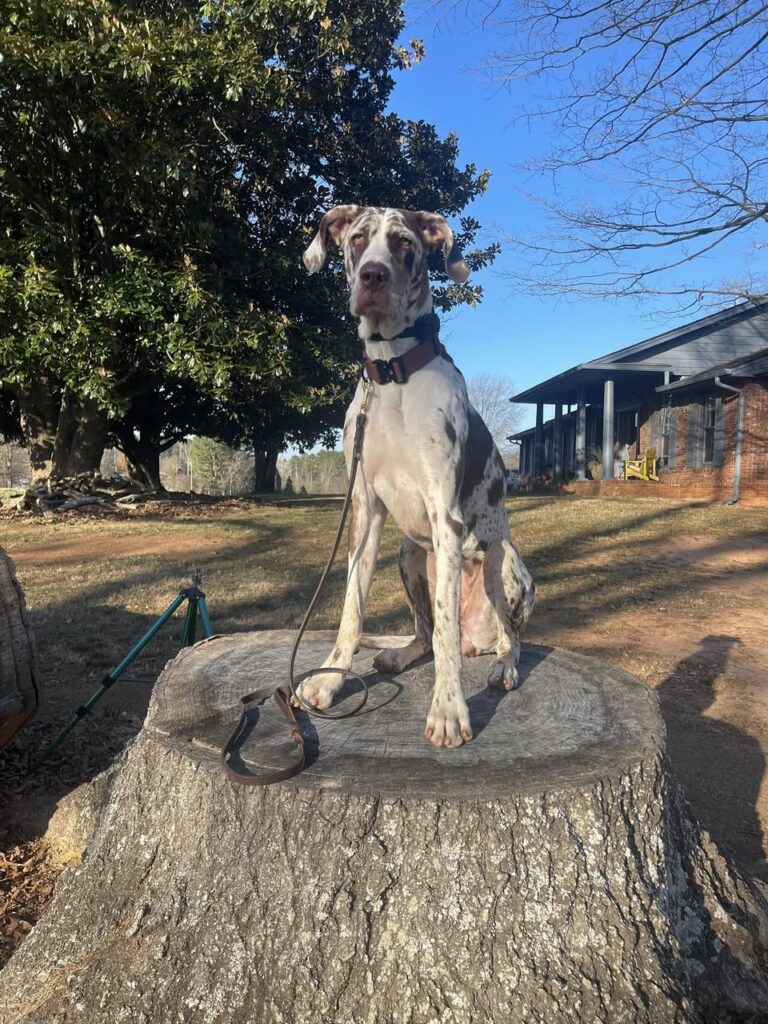
Helping a nervous dog build confidence often means changing the environment before trying to change behavior. Henley worked steadily on her basics. Not rushed. Not drilled. Just practiced in a way that made sense to her.
Her heeling became more consistent as she learned where to be and what was expected. Listening improved once cues stayed clear and predictable. Basic obedience stopped feeling like pressure and started feeling like communication.
Each success — no matter how small — added up.
Confidence doesn’t arrive all at once for nervous dogs. It builds quietly, through repetition and follow-through. Through being right more often than wrong. Through realizing, I can do this.
Why Environment Matters So Much
One of the biggest factors in Henley’s progress was the environment itself. Helping a nervous dog build confidence often means changing the environment before trying to change behavior. At our lodge, dogs are given space to take in their surroundings at their own pace — with calm energy, consistent care, and gradual exposure that allows confidence to grow naturally instead of being forced.
Low volume. Calm energy. No rotating handlers. No constant stimulation. Just a steady place where she could focus without feeling overwhelmed.
For nervous dogs, the environment is part of the training.
When the world feels quieter, dogs can hear what’s being asked of them. When expectations stay the same, dogs don’t have to guess. When care is consistent, trust has room to grow.
Henley didn’t need to be braver. She needed things to feel manageable.
What Helped Most Wasn’t Pressure — It Was Clarity
As Henley settled in, one thing became clear: she wasn’t resistant to learning. She just needed things to make sense.
When expectations stayed the same from one moment to the next, she didn’t have to guess. When guidance was calm instead of urgent, she could stay present. When training felt predictable, she stopped bracing herself and started participating.
That clarity changed everything.
Listening became easier because she understood what was being asked. Heeling improved because her role on the walk felt defined. Obedience stopped feeling like pressure and started feeling like communication.
For nervous dogs, confidence often grows not from encouragement alone, but from knowing exactly where they stand.
Helping a Nervous Dog Build Confidence Without Pressure
Henley’s progress didn’t show up as boldness or excitement. It showed up quietly.
She moved through space with less hesitation. She recovered faster when something felt unfamiliar. She stayed engaged instead of withdrawing. These weren’t dramatic shifts — they were meaningful ones.
This is often what helping a nervous dog build confidence really looks like.
Not a personality change, but a softening.
A steadiness.
A dog who trusts herself just enough to keep going.
Sara’s Perspective
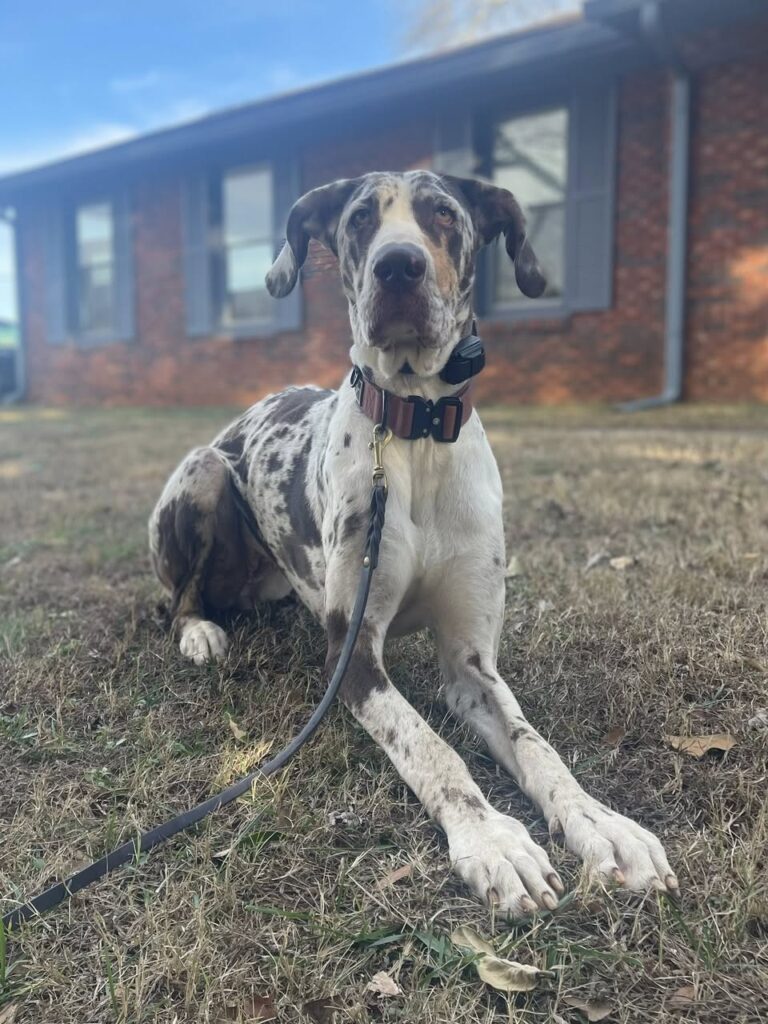
Sara has always believed that training isn’t about speed or control — it’s about understanding the dog in front of you.
With Henley, that meant paying attention to the small things. How she approached new situations. When she needed space. When she was ready to be asked for a little more.
“Dogs like her don’t need to be pushed,” Sara says. “They need to know they’re safe enough to try.”
As Henley began to trust the environment and the people caring for her, her confidence followed. Heeling became steadier. Listening became more consistent. Not because she was pressured — but because she felt supported.
For Sara, this is the heart of the work. Helping dogs feel secure enough to show up as themselves — and watching confidence grow from there.
What This Looks Like Going Home
When Henley heads home, she doesn’t leave her confidence behind.
The routines she learned, the clarity she gained, and the trust she built all travel with her. Confidence built slowly has weight to it. It doesn’t disappear the first time something feels unfamiliar.
At home, this often shows up in small but meaningful ways. A dog who settles more easily. A dog who listens without hesitation. A dog who pauses, thinks, and then chooses to engage instead of withdrawing.
This is what helping a nervous dog build confidence is really about — not creating a “perfect” dog, but helping them feel capable in their own skin.
Graduation Day
For dogs like Henley, helping a nervous dog build confidence is about trust built over time, not quick results.
Henley’s Graduation Day is here and she gets an A+. She’s worked hard on heeling, listening consistently, building her confidence, and strengthening her basic obedience. More importantly, she’s learned how to move through the world with a little more trust in herself.
“We’re so proud of her,” Sara says. “She showed up every day and tried. That’s everything.”
Henley didn’t become a different dog.
She became a more confident version of the dog she already was.
For the Owners Reading This
If you have a nervous dog — one who’s sensitive, thoughtful, or easily overwhelmed — know this: nothing is wrong with them. And nothing is wrong with you for wanting more support.
Helping a nervous dog build confidence isn’t about fixing a problem. It’s about meeting the dog where they are and giving them the structure and care they need to feel safe enough to grow.
Henley’s story is proof that with patience, consistency, and the right environment, confidence can take root — quietly, steadily, and in a way that lasts.
If you’re ever ready to talk, we’re here.
No pressure. Just a conversation.