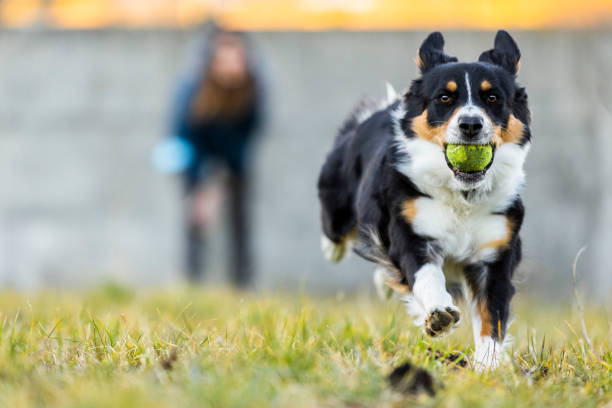
Off-Leash Dog Training in Cumming, GA – Being able to run your dog off-leash and enjoy the freedom that e-collar training allows is an incredible feeling. It is what many owners work toward from the very beginning. But off-leash dog training is not about hope or optimism. It is about preparation, clarity, and knowing when your dog truly understands the work.
The moment you unclip that physical leash should not feel risky. It should feel calm. That confidence does not come from luck or trust alone. It comes from practicing one crucial transition step correctly, long before the leash ever comes off.
At Ducktown Dog Training in Cumming, Georgia, off-leash reliability is never rushed. Whether a dog is here for board and train or private training, we build freedom through education, structure, and a clear learning process that holds up in real life.
Why the On-Leash to Off-Leash Jump Matters
One of the most common mistakes we see in off-leash dog training is skipping steps. Off-leash reliability only works when dogs understand why training matters in the first place, not just how to respond. This perspective on why thoughtful training builds trust and clarity explains it well. We follow Robin MacFarlane – click on the link to follow her e-collar training philosophy.
A dog may look reliable on leash, respond well to the e-collar, and appear ready. But removing the leash too soon often exposes gaps the handler did not realize were there. This is not a failure of the dog. It is a breakdown in the transition.
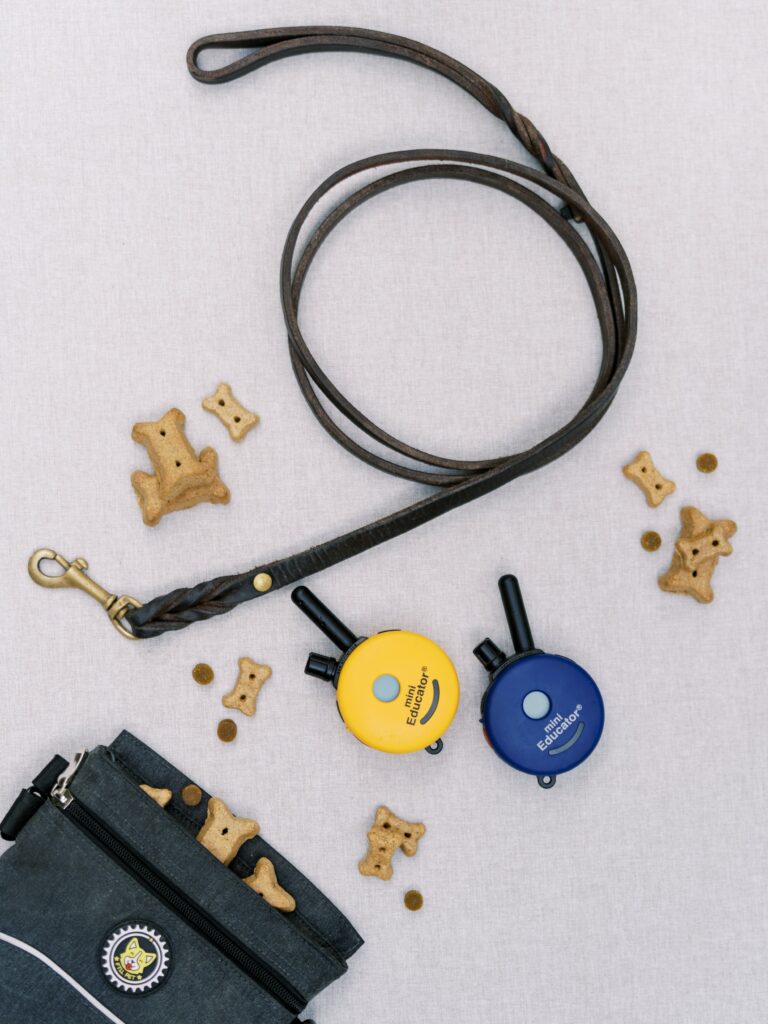
When we begin e-collar conditioning at Ducktown Dog Training, dogs are always working on a leash or a long line. That leash plays an important role early on. It acts as a translator.
Along with body language and timing, the leash helps guide the dog through moments of confusion that naturally appear during learning. The dog learns that the sensation from the collar turns off when the correct behavior is performed. This is how understanding is built without stress or pressure.
The problem is that going straight from this stage to fully off-leash work is usually too big of a leap in the dog’s learning curve.
Reliable Freedom Built Through Education, Not Shortcuts
Off-leash dog training is one of the most frequently requested goals we hear from owners considering a board and train program. They want freedom. They want safety. And they want to trust their dog in real life, not just in a controlled setting.
At Ducktown Dog Training in Cumming, Georgia, off-leash reliability is not rushed or performed for quick results. It is built carefully through education, structure, and a personal training approach that respects how dogs actually learn.
Families across North Georgia choose our board and train off-leash dog training because they want results that last, not just results that look good for a moment.
Board and Train Off-Leash Dog Training Done Differently

Many board and train dog training programs focus on speed and volume. Dogs rotate through trainers. Off-leash work is introduced early. Results look impressive fast, but often fade just as quickly.
Ducktown Dog Training takes a different approach.
We work with a very small number of dogs at a time. The same person trains, handles, and lives with the dog throughout the program. This consistency allows off-leash dog training to develop through clarity and trust, not pressure.
We are not here to show off control. We are here to build understanding.
An Educator-First Approach to Off-Leash Dog Training
At Ducktown Dog Training, we see ourselves as educators first. Our role is not only to train dogs, but to teach owners how off-leash reliability is actually created.
Being able to run your dog off-leash and enjoy the freedom that e-collar training allows is an incredible experience. But confidence off-leash does not come from the collar alone. It comes from practicing one crucial transition step that many people never realize they are missing.
Why the Leash Still Matters During E Collar Conditioning
When we begin e-collar conditioning in our board and train program, dogs always work on a leash or a long line.
The leash acts as a translator.
Along with body language and timing, it helps guide the dog through moments of confusion that naturally show up during learning. The dog learns that the stimulation turns off when the correct behavior is performed. This is how clarity is built without stress.
This stage is not about control. It is about communication.
Why Going Straight to Off-Leash Is Too Big a Leap
One of the most common mistakes in off-leash dog training is removing the leash too early.
Even when handlers believe the leash is loose, subtle leash pressure is almost always present. Dogs feel that information. It quietly helps them understand how to respond.
When the leash disappears before understanding is solid, dogs are not being disobedient. They are confused.
At Ducktown Dog Training, we intentionally slow this transition down.
Drop the Leash Or Lighter Leash Transition. We Teach Every Client
To safely move from on-leash to truly off-leash work, we spend significant time practicing with a dropped light line.
A light line is thinner and lighter than a standard leash, making it less noticeable to the dog. A thin rope or cotton clothesline works well. We typically use lines ranging from 10 to 25 feet, depending on the dog’s speed and the exercise.
The line drags while the dog works. This removes constant leash pressure while still giving us a safety net if confusion appears or distractions change suddenly.
This step is where off-leash reliability actually starts to hold.
Practicing Off-Leash Skills in Real Life

Off-leash dog training does not happen in one place.
As dogs move through the dropped line phase, we practice in many different environments around Cumming and North Georgia. Distractions increase gradually. Expectations stay the same.
As reliability improves, handlers notice something important. They reach for the line less and less. When the line is no longer being picked up to assist, the dog is ready.
That is when unclipping the leash feels calm instead of risky.
Life After Proper Off-Leash Dog Training
When off-leash dog training is done correctly, it does not look flashy.
It looks calm.
Dogs move freely but stay connected. Recall feels dependable. Freedom feels earned instead of stressful.
That is the outcome we aim for at Ducktown Dog Training.
Frequently Asked Questions About Off-Leash Dog Training
Is off-leash dog training safe?
Yes, when it is done correctly. Off-leash safety comes from preparation, clear communication, and gradual transitions. Dogs are never rushed into off-leash work before they are ready.
Does every dog need an e-collar for off-leash training?
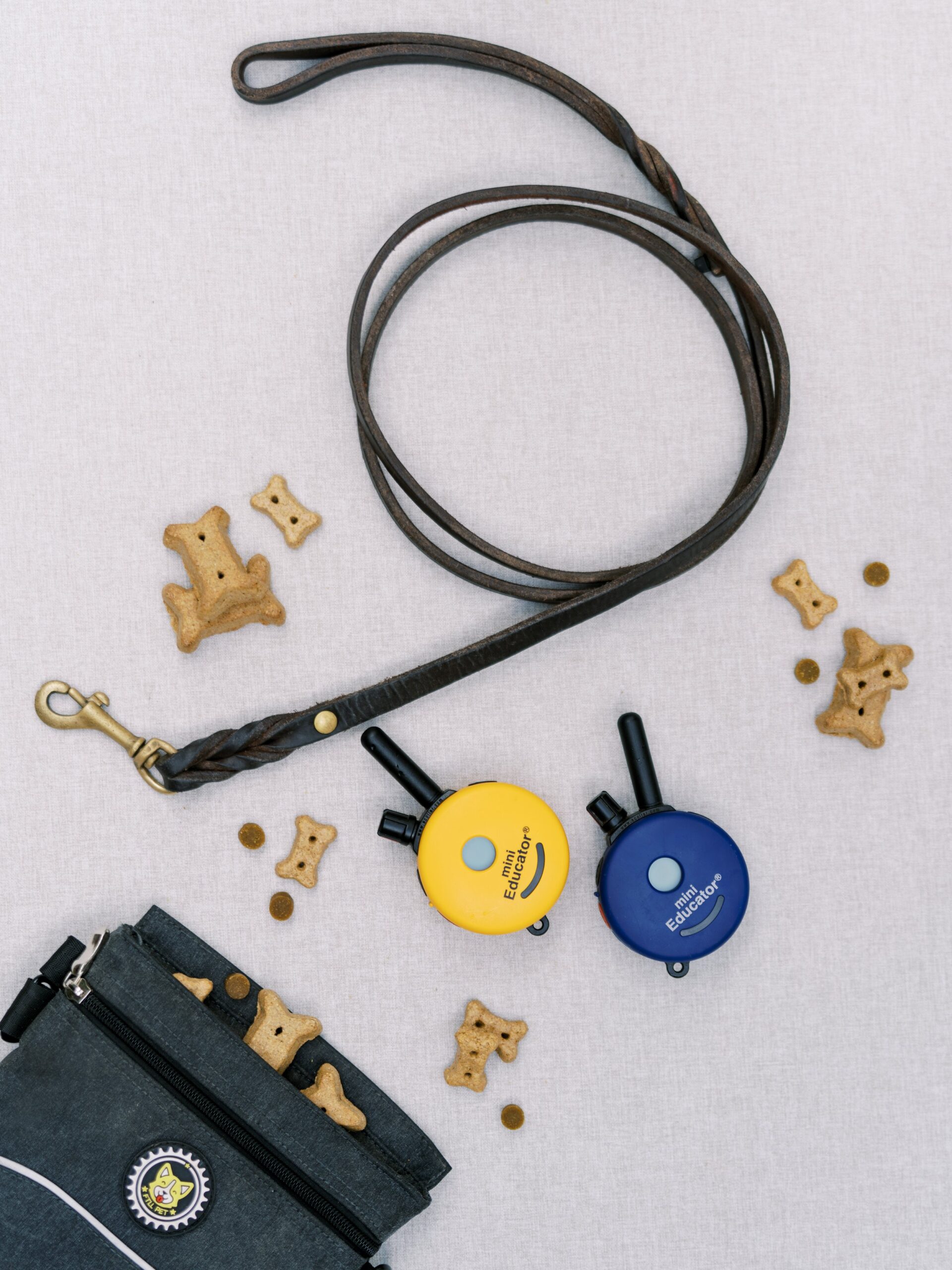
Not every dog, but many, benefit from it when introduced correctly. At Ducktown Dog Training, the e-collar is used as a communication tool at low levels, not as punishment.
How long does off-leash dog training take in a board and train program?
There is no exact timeline. Some dogs progress faster, others need more time. Reliability matters more than speed.
Why drop a leash instead of removing the leash completely?
The dropping the leash protocol allows dogs to make independent decisions while still providing a safety net. This prevents confusion and builds confidence during the transition phase.
Will my dog listen off-leash when we get home?
Off-leash reliability depends on consistency. We provide owner education and guidance so the skills built during board and train transfer successfully to real life at home.
Is off-leash dog training right for every dog?
Most dogs can achieve some level of off-leash reliability, but it depends on temperament, environment, and owner commitment. Honest conversations help determine the right path.
Board and Train Off Leash Dog Training in Cumming, GA
Ducktown Dog Training offers board and train off-leash dog training in Cumming, Georgia, for owners who want clarity, calm, and real freedom with their dogs.
If you are looking for off-leash dog training in North Georgia and want an approach built on education, structure, and trust, start with a conversation.
No pressure. No rushed promises. Just honest guidance and thoughtful training. Call today for your no-pressure meet and greet. 770-733-0836